
Scrapbook: Escape to Tasmania, With a Side Trip to the Mainland
/Tasmania was once known for its notorious penal colony, but these days it’s more likely thought of for its wild landscapes, marvelous marsupials, locavore food scene, and cutting-edge art. It’s also the perfect place to go when you need a break from the real world. Come with me as I cycle around the island (about the size of Ireland) for three weeks on a group tour with Bike Odyssey. We’ll experience what the island has to offer as well as learn about its important—if weighted—history. After that, we’ll hop onto the Australia mainland to visit relatives and friends in Melbourne, Victoria, and the South Coast region of New South Wales.
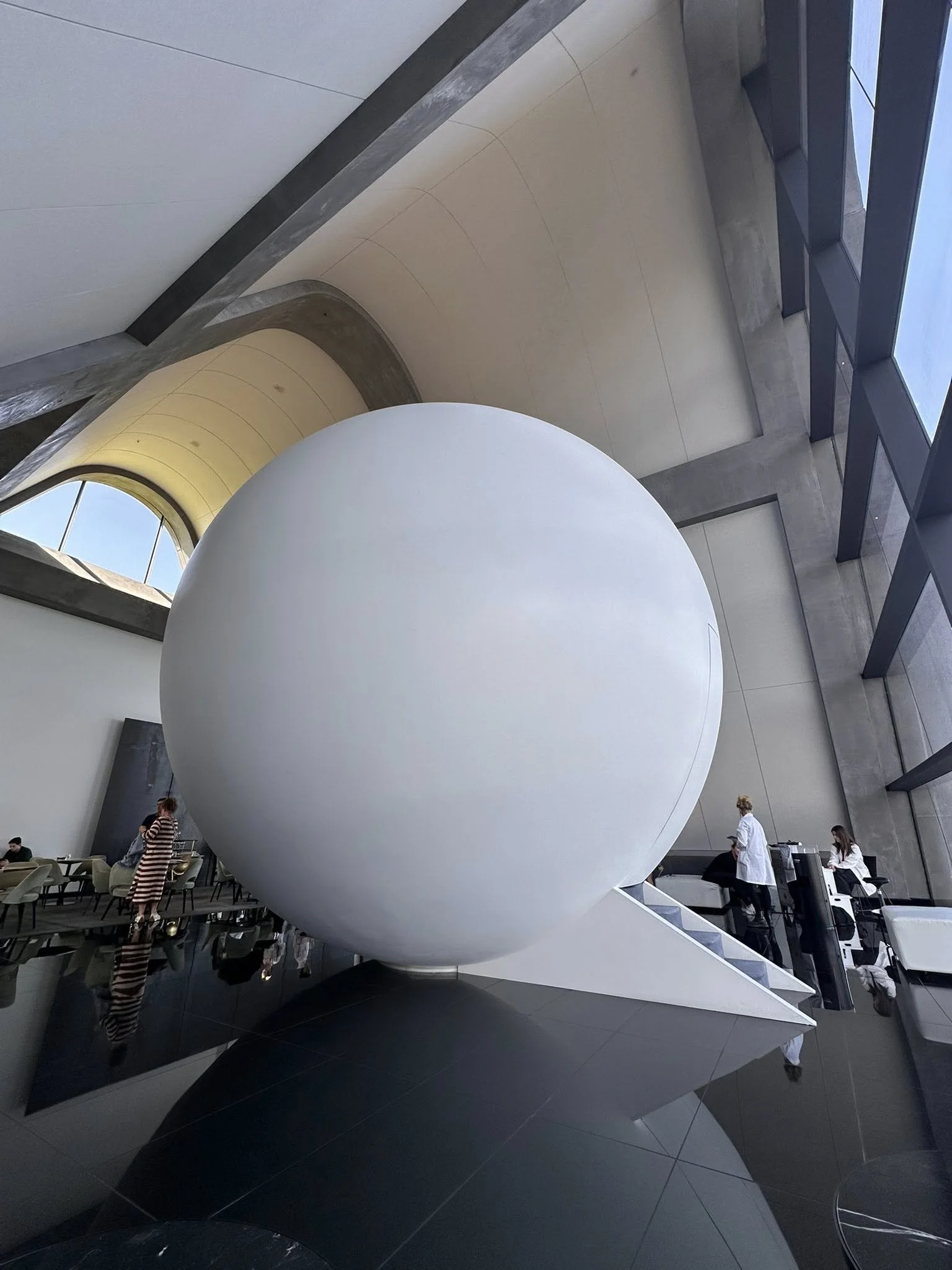
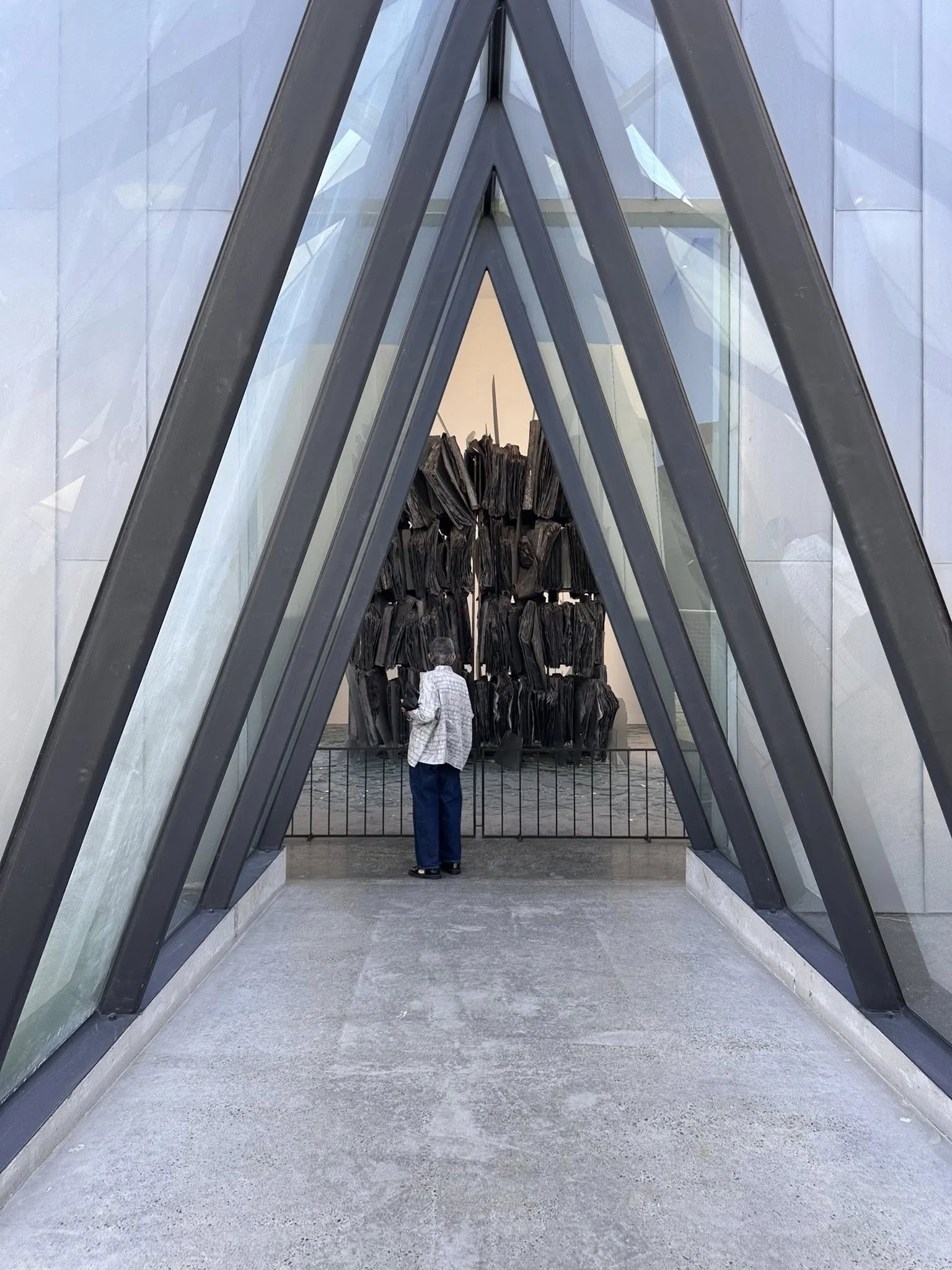
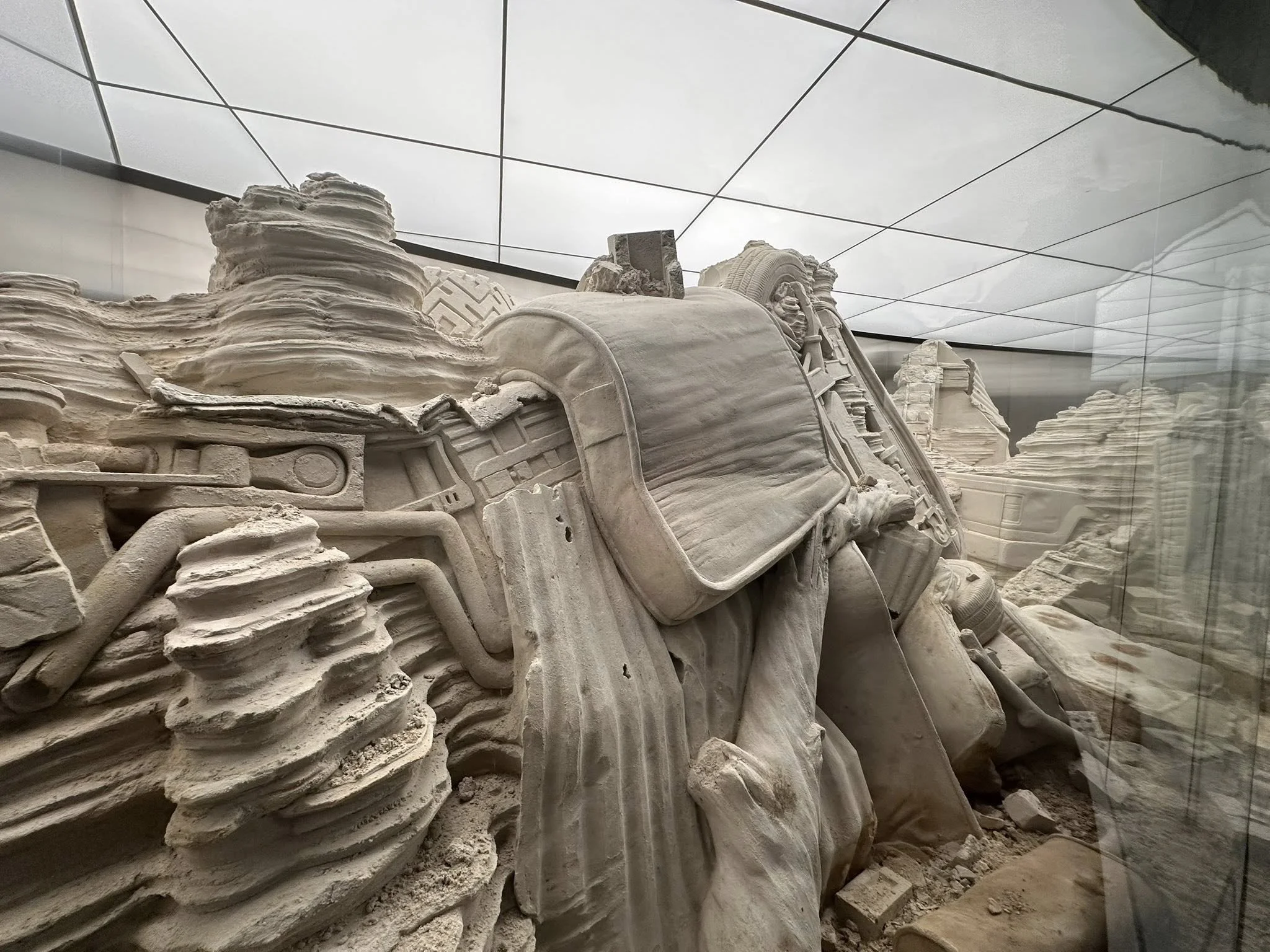
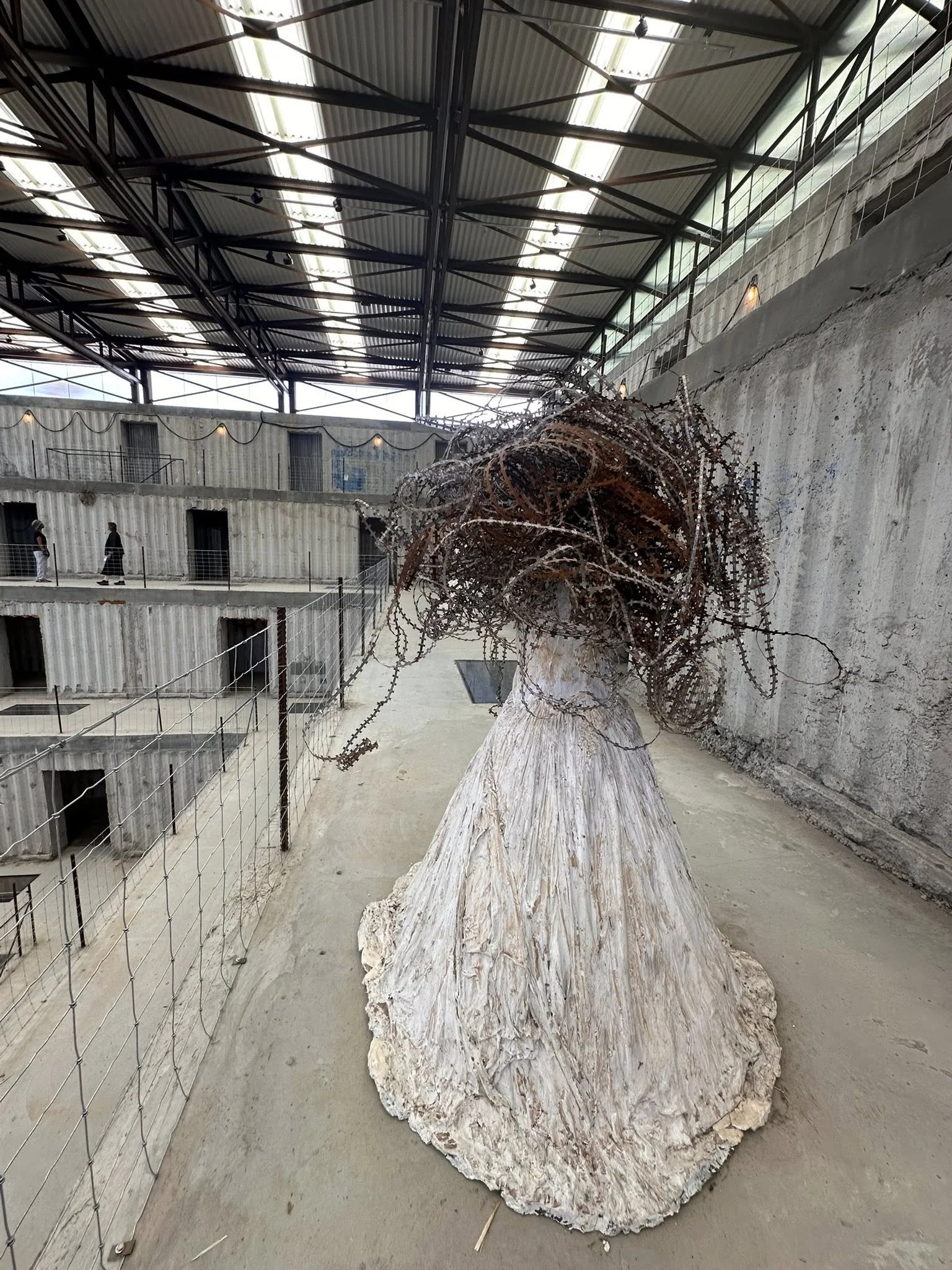
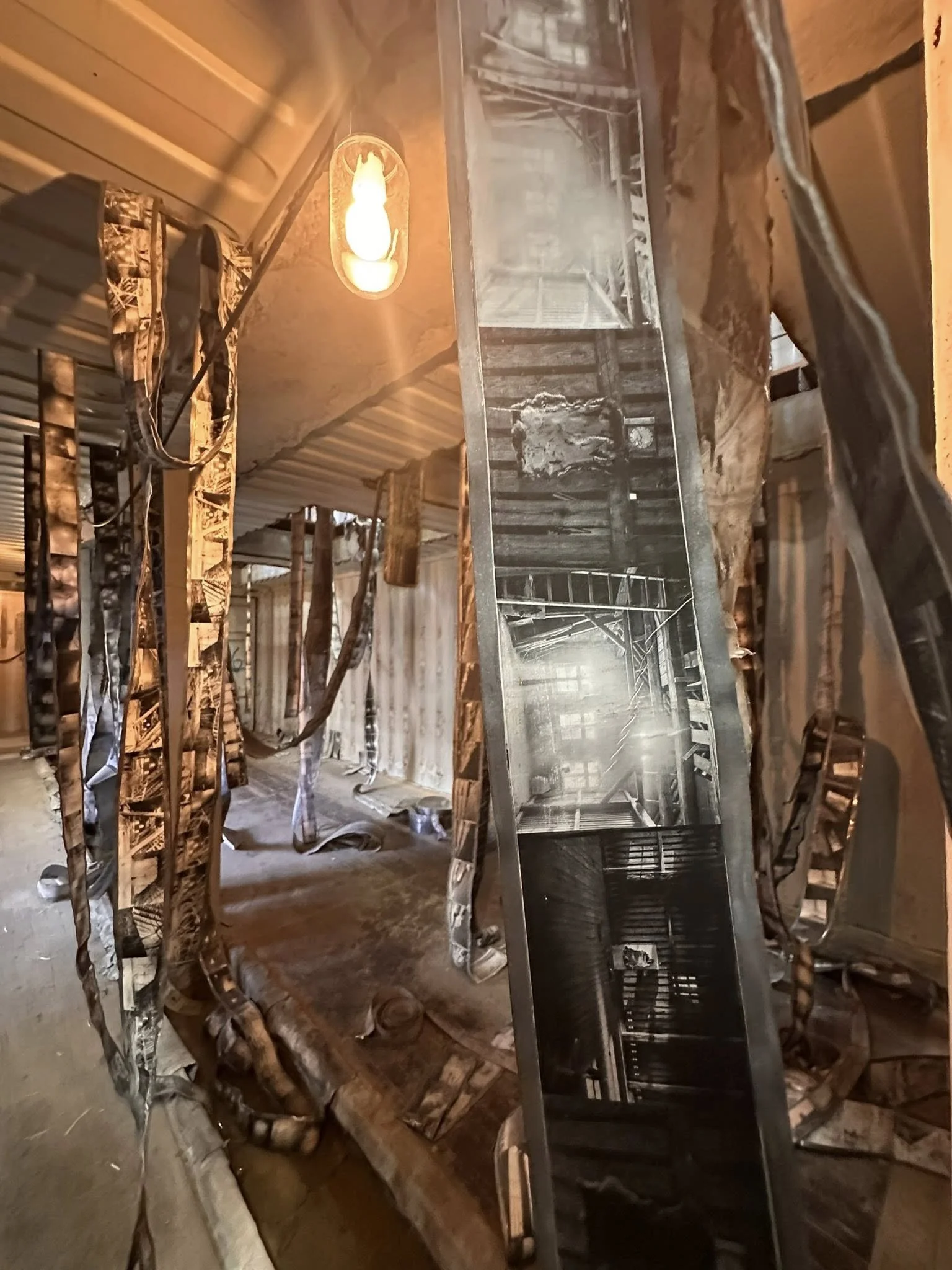
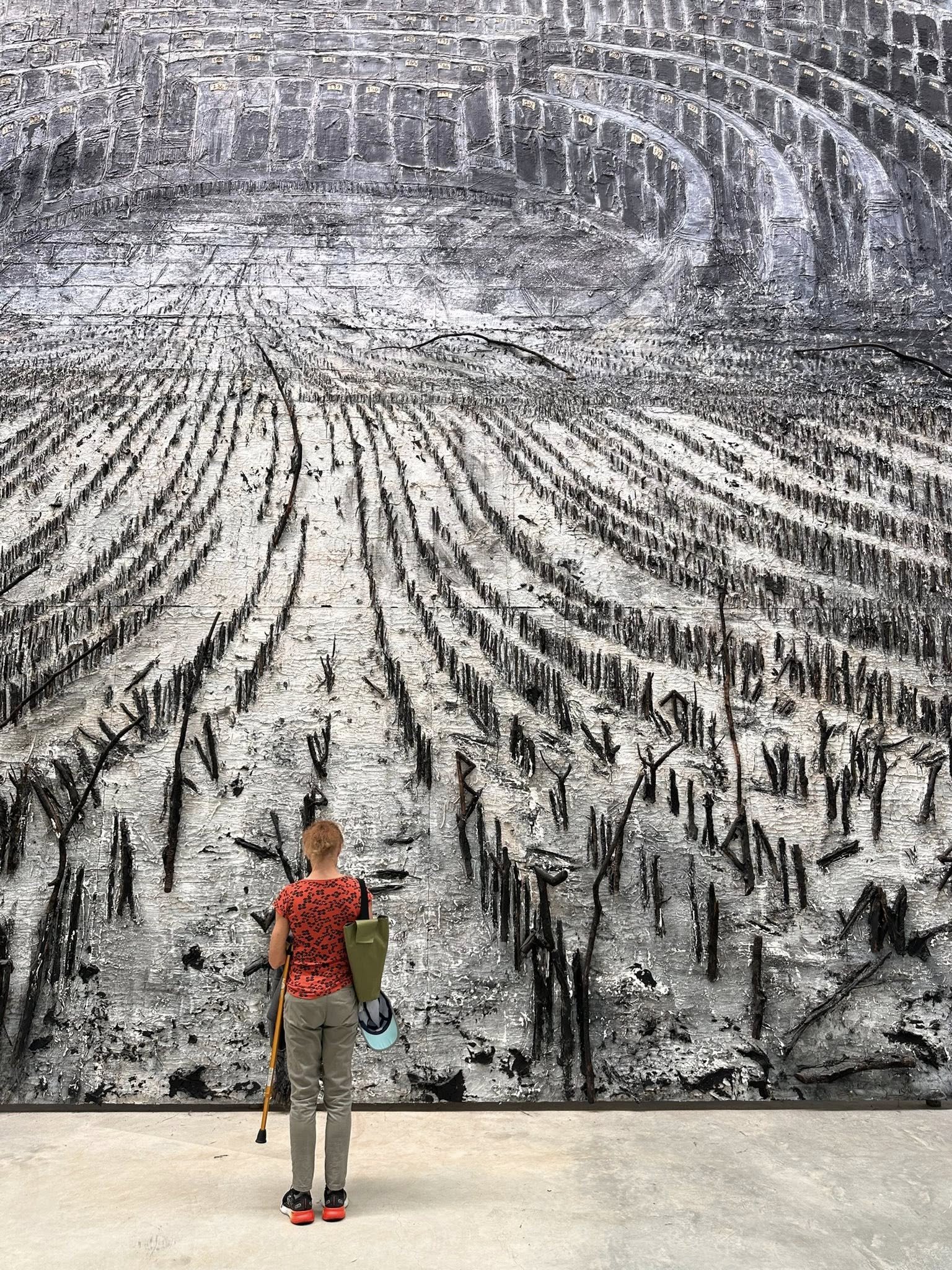
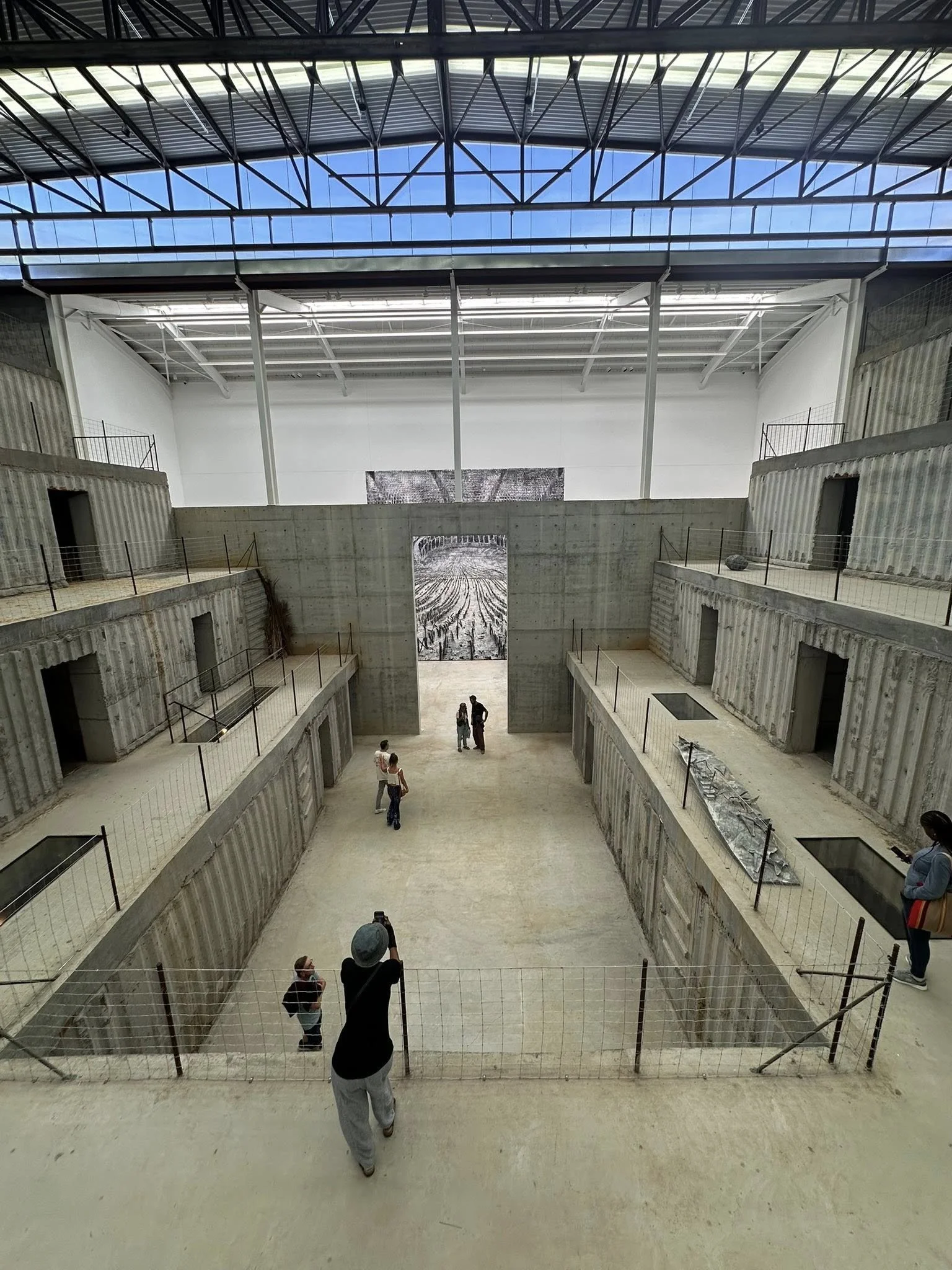
The recent opening of the Kiefer wing at the Mona, in Tasmania’s capital of Hobart, could not have come at a better time. The colossal, bleak, past-is-prologue installation (called Elektra) shakes us awake to the horrors that may again befall. Like the rest of the pieces and installations at the Mona, there are no panels of information (although there is an app that provides context); you are meant to interact with the pieces viscerally. Nevertheless, it’s helpful to know that the artist, born in 1945, was the son of a German SS officer. It’s a big, heavy work for big, heavy times.
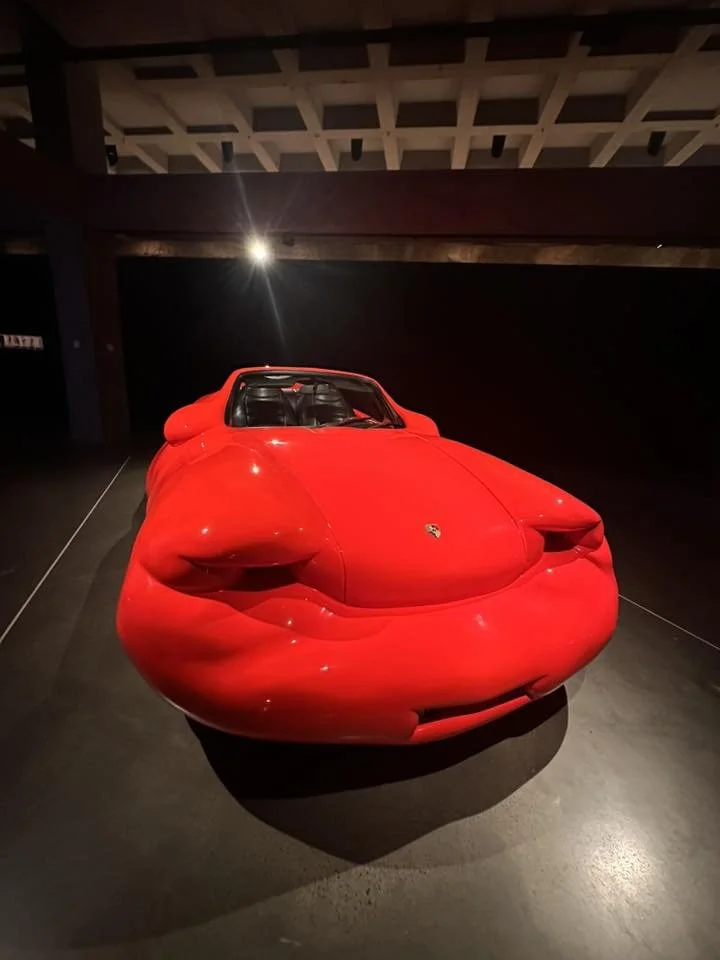
There are many other provocative works that seemingly speak to this particular epoch of excess and effluvium, but like all great art, is relevant for every age: a glass table slowly bending under the weight of a boulder; an obese red Porsche; and an apparatus that literally makes shit. But there are also hopeful, joyful endeavors such as a wall of drawers that, when pulled, say “I love you” in a variety of recorded human voices; and a new piece of music composed and performed live every day.
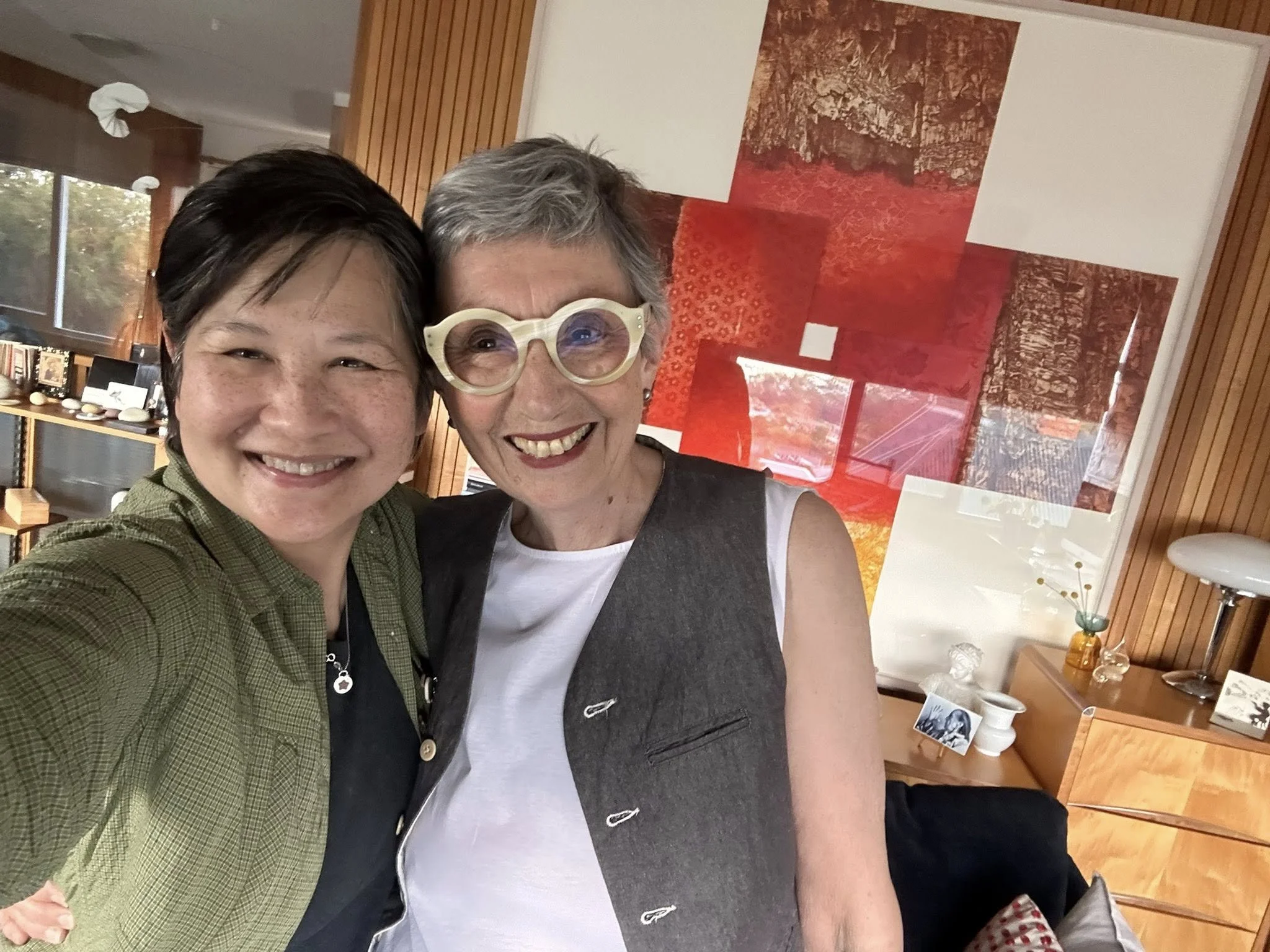
Thanks to my good friend Delia, a former curator at the Mona, for giving me a personal tour of this cultural icon.
The Mona is the first stop in a 21-day cycling trip around Tasmania with Bike Odyssey.
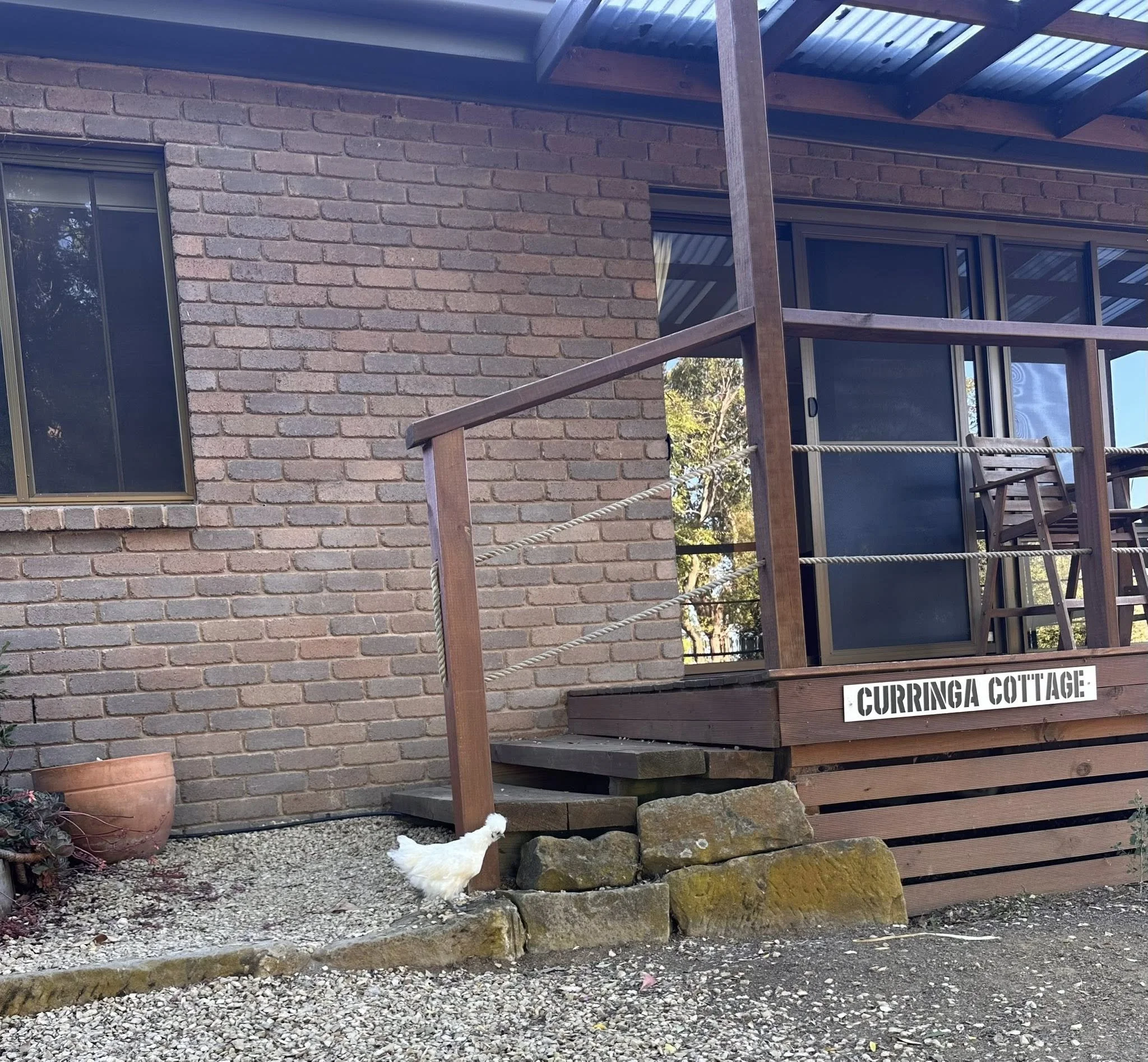
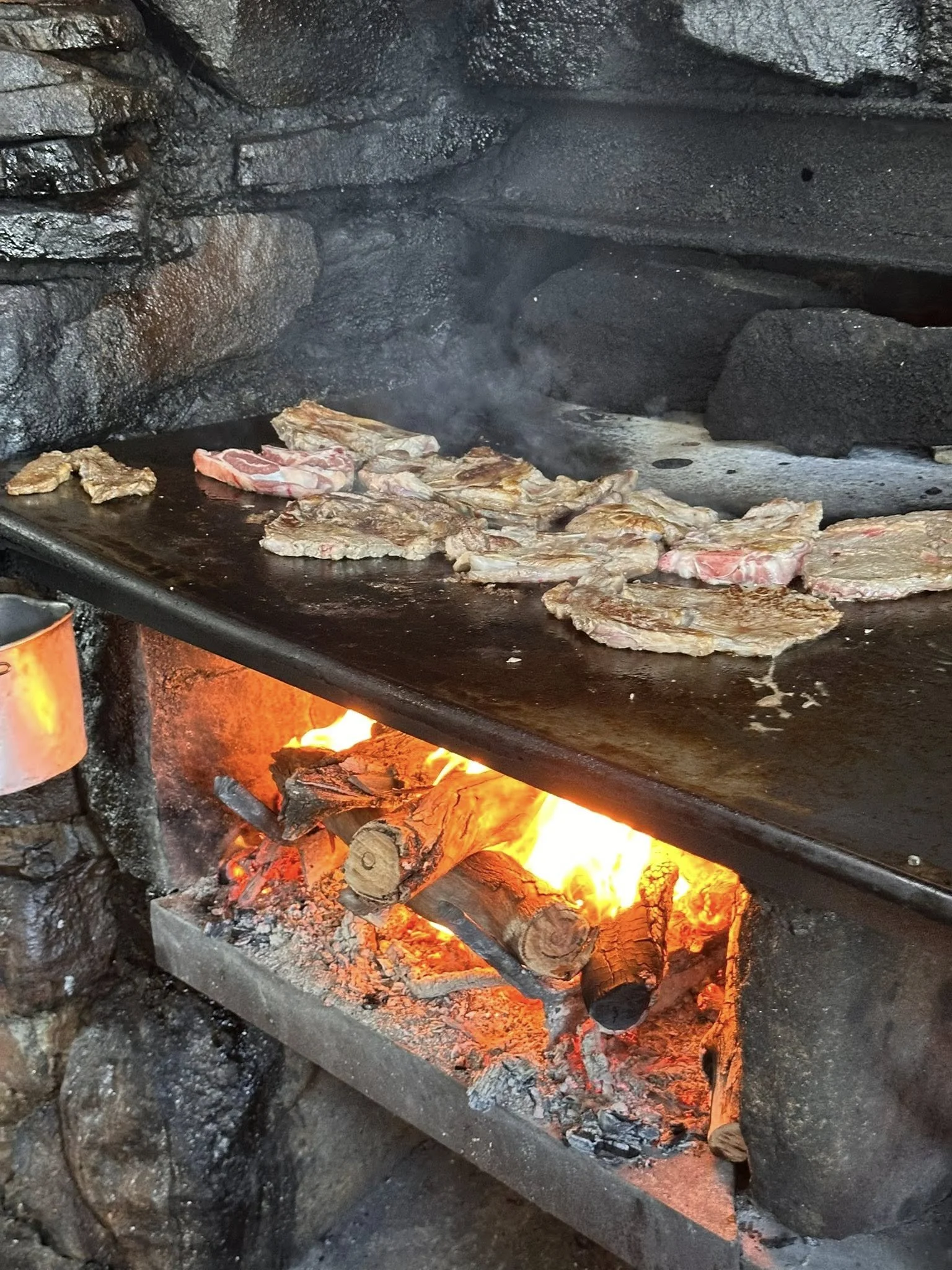
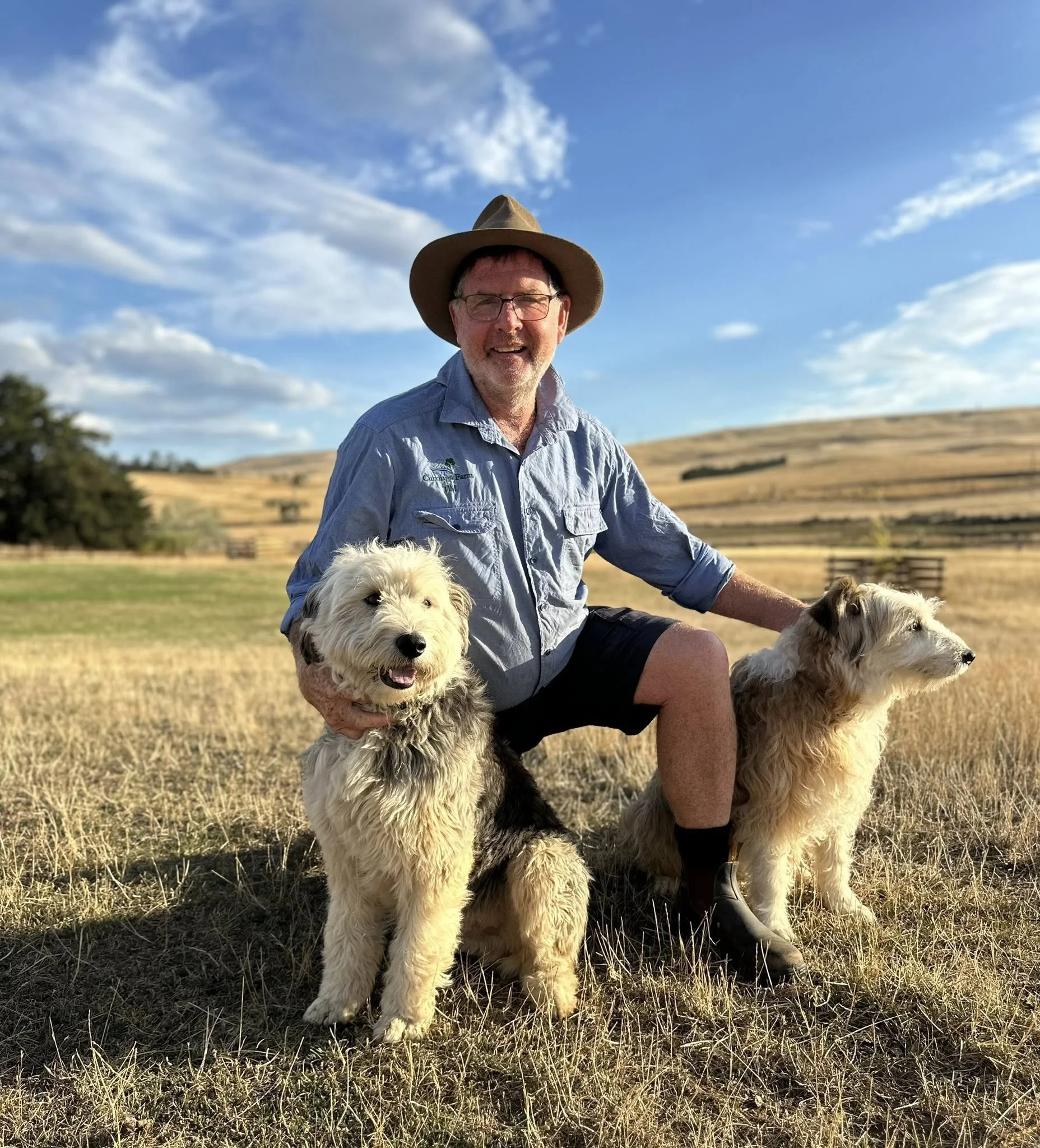
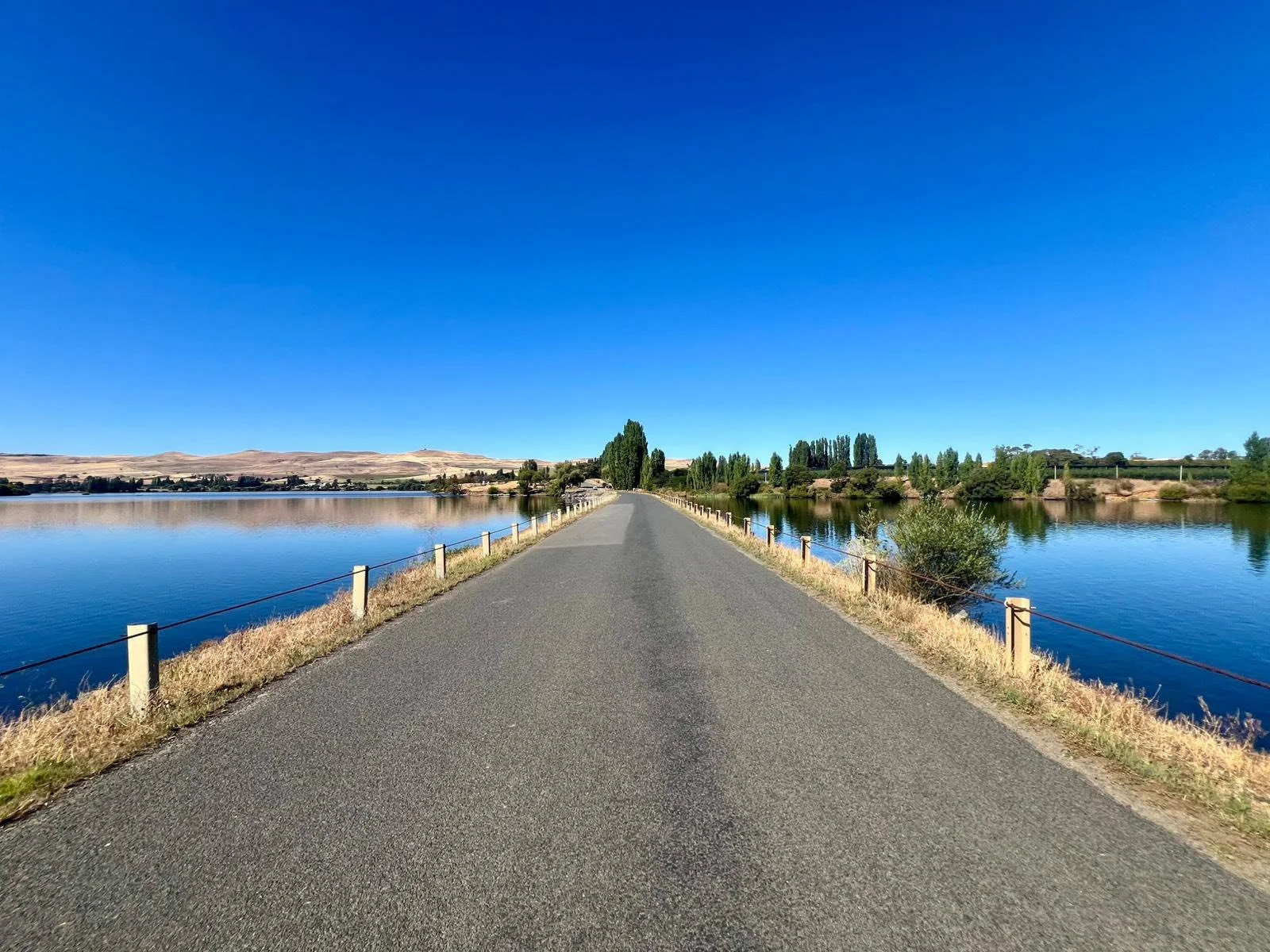
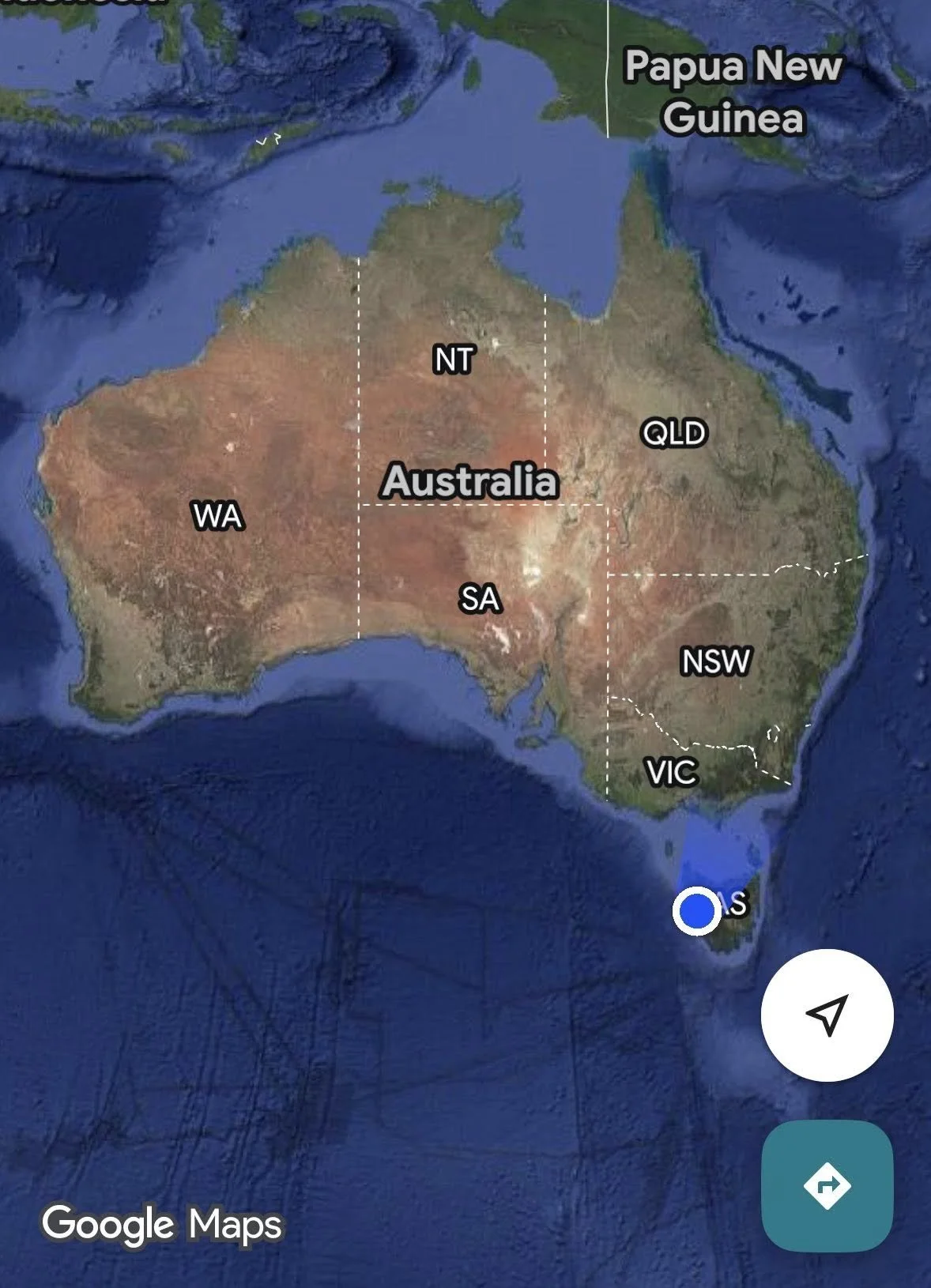
I’m at the beginning of a cycling trip around—literally—the island of Tasmania, with Bike Odyssey, a cycling company operated by good friends Sam and Isabel. What a privilege to escape, for a moment, the weight of current events, and breathe in some of the worlds cleanest air and water, cycle and hike through national parks, and renew one’s body and spirit.
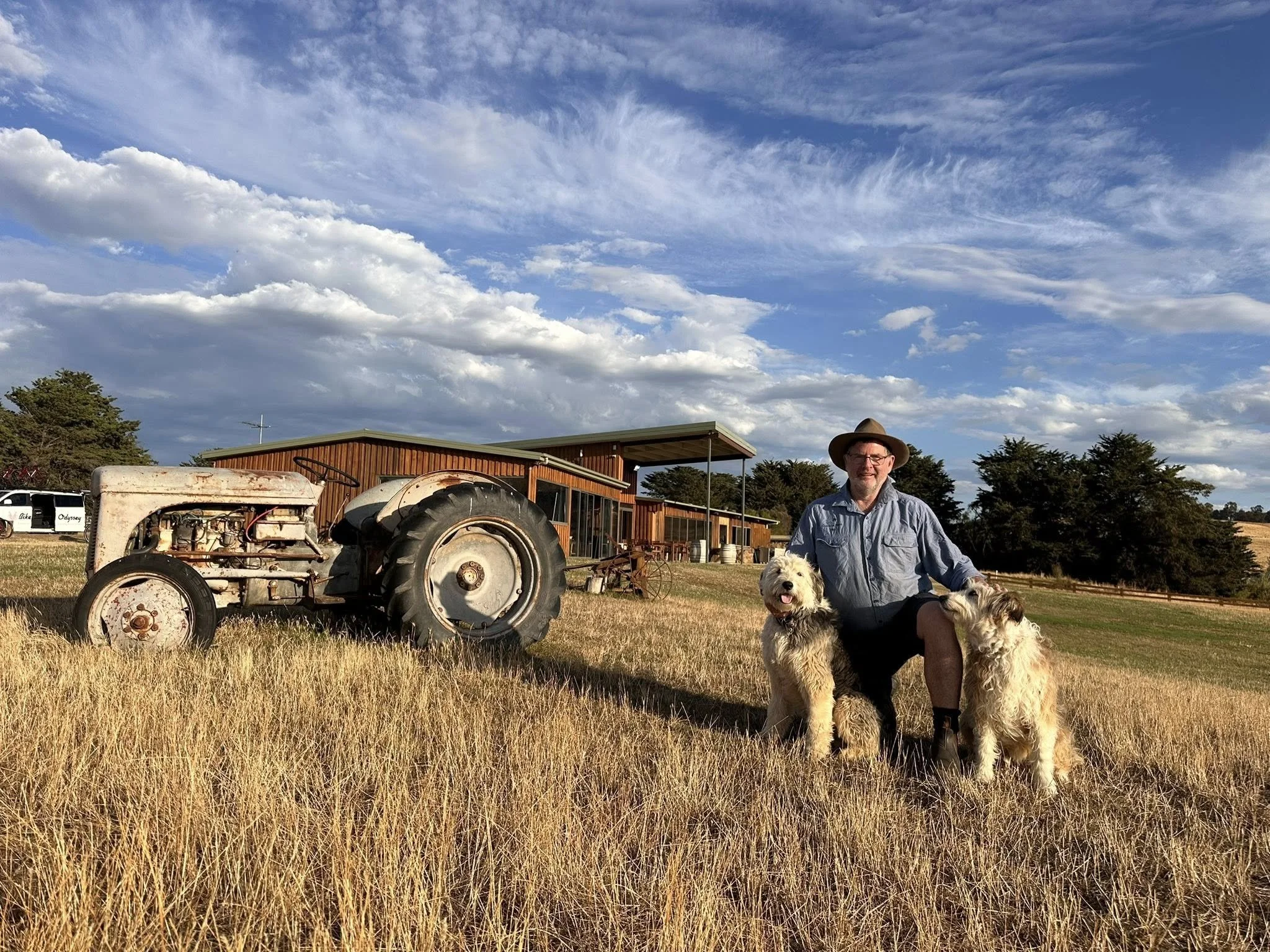
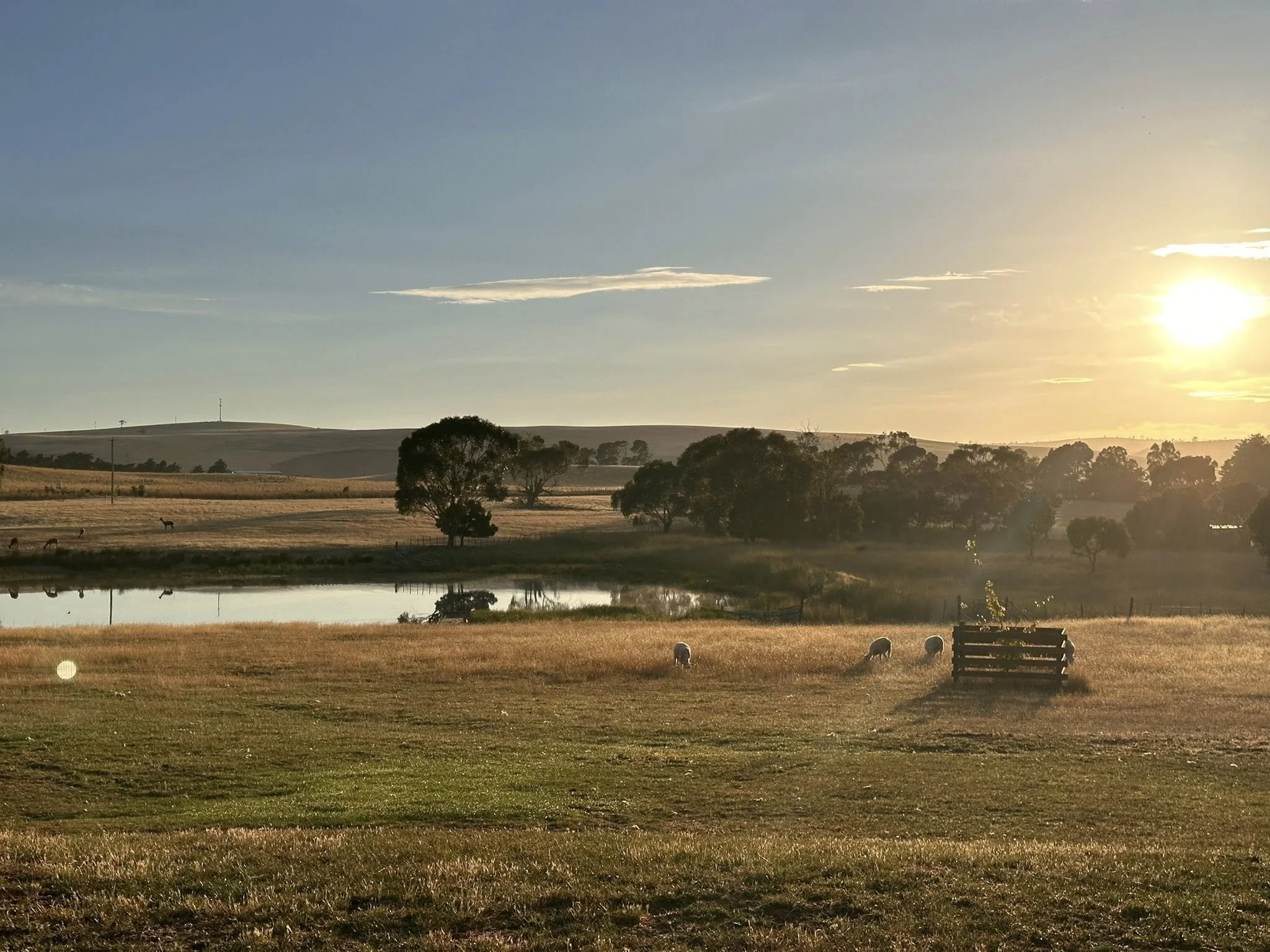
At one of our stops, we met Tim Parsons, the sixth of seven generations of a Tasmanian farming family to work the same piece of land granted by the Crown in the colonial period. They farm sheep, alpaca, a variety of plants for seeds, including poppy for legal pharmaceutical purposes, as well as operate a lovely lodge for guests. Tasmania, Australia
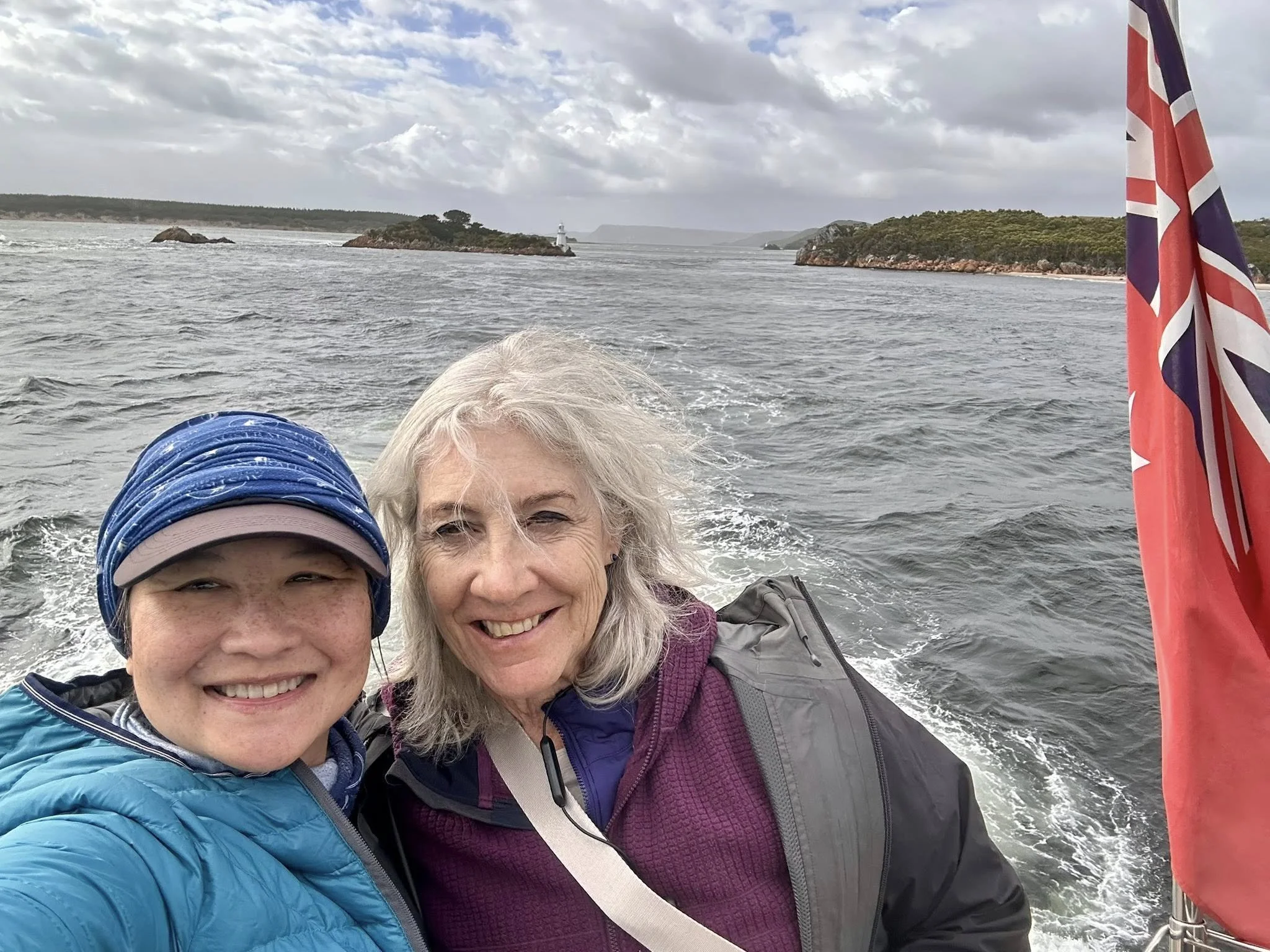
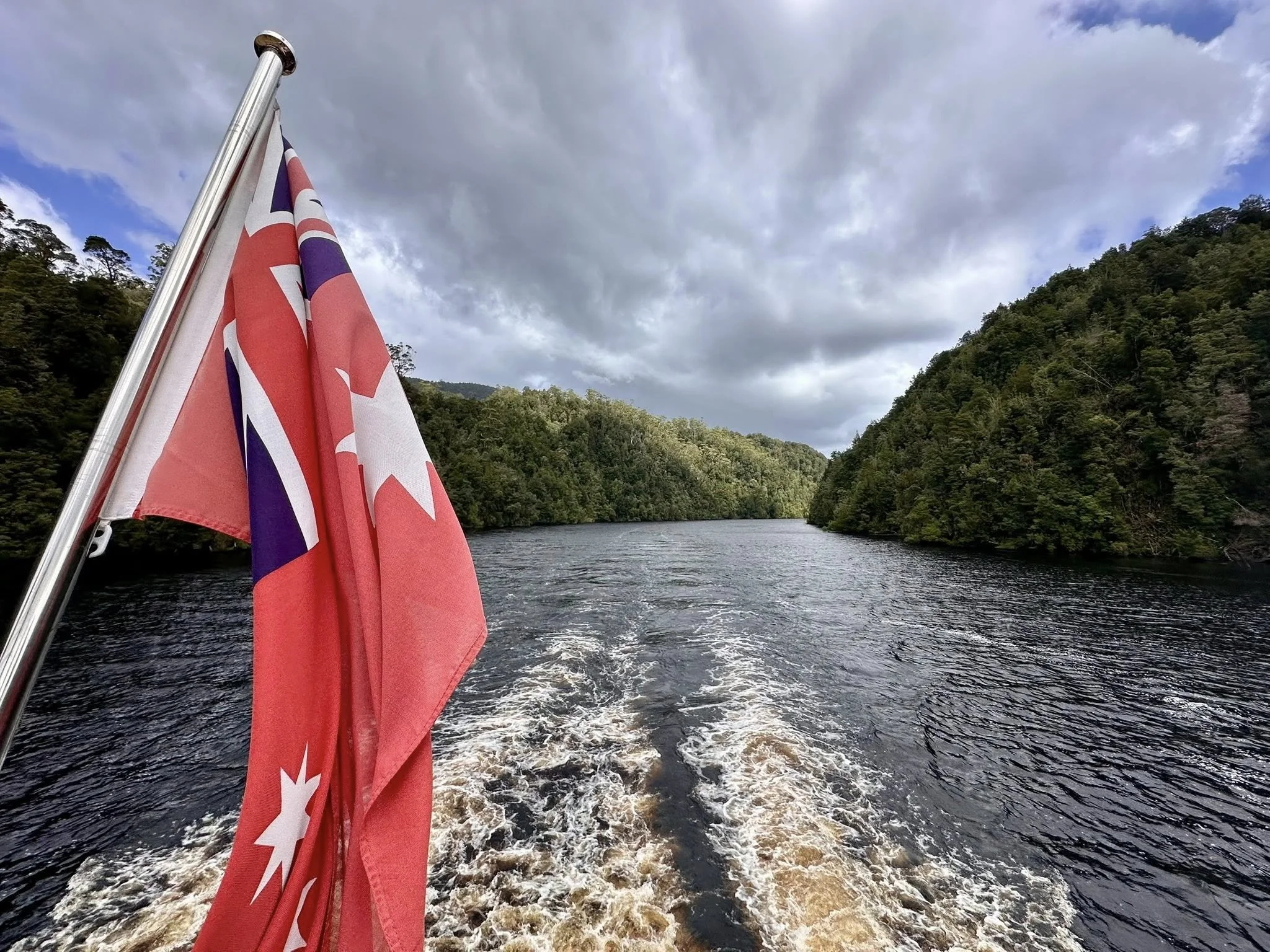
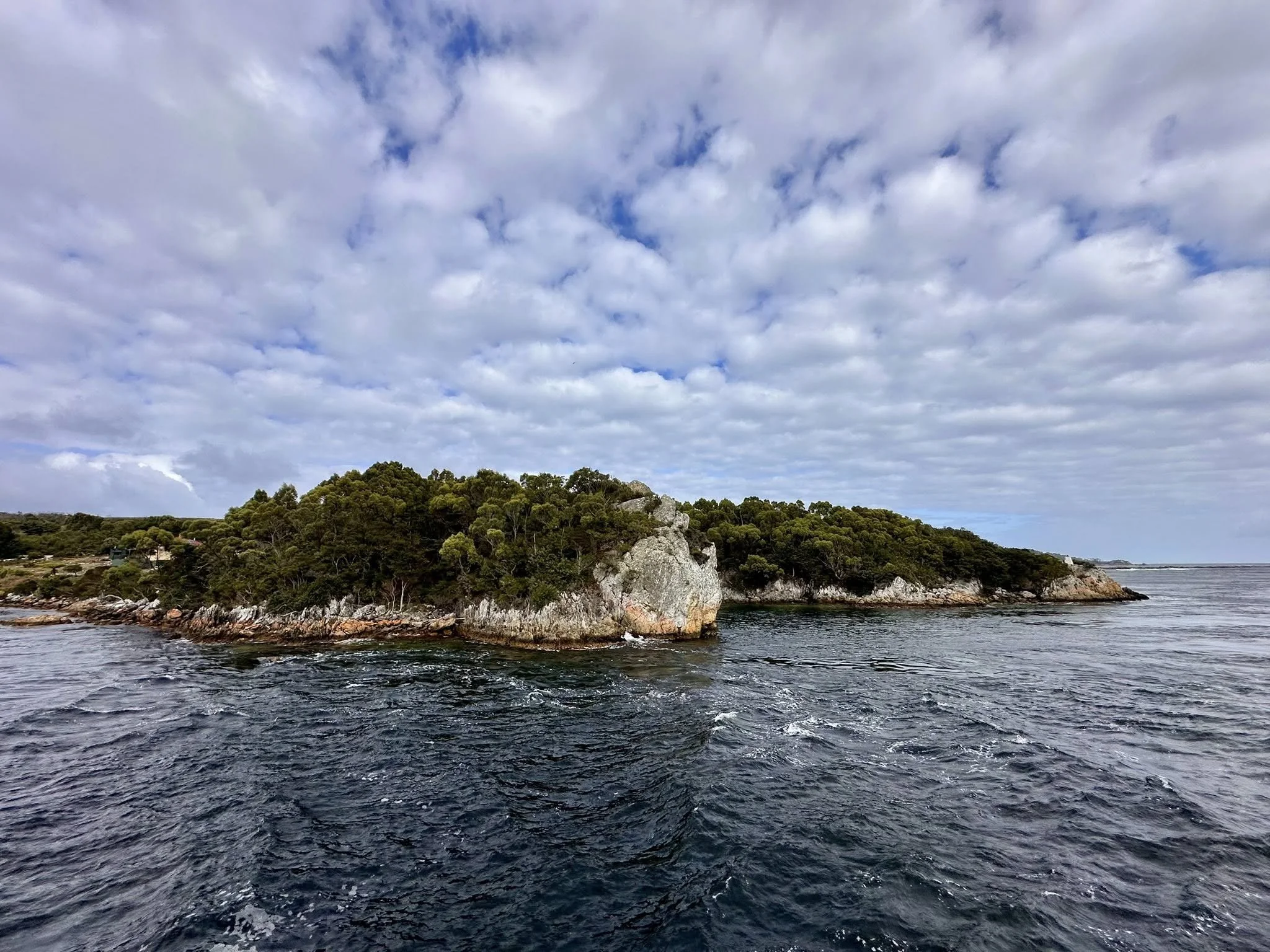
It’s a cycling rest day so several of us are on the deck of the Harbour Master 2 cruising Macquarie Harbour and the Gordon River, in western Tasmania. The scenery is pristine, but we owe it all to the efforts of locals and conservationists who came before.
Nearby Strahan was the site of one of the largest and most significant Australian environmental protests. Two and a half thousand people protested to stop the building of the Gordon-below Franklin Dam in 1982. The proposed dam would have destroyed many endemic species of plants and animals and eliminated limestone caves containing 40,000 years of Aboriginal culture. It represented the 65-million-year-old Gondwana rainforest. The dam was stopped by Australia’s High Court in July 1983, making it one of the most successful environmental campaigns anywhere. Protesting works, folks!!!
The region was inscribed on the World Heritage list in 1983 for its world class natural and cultural values.
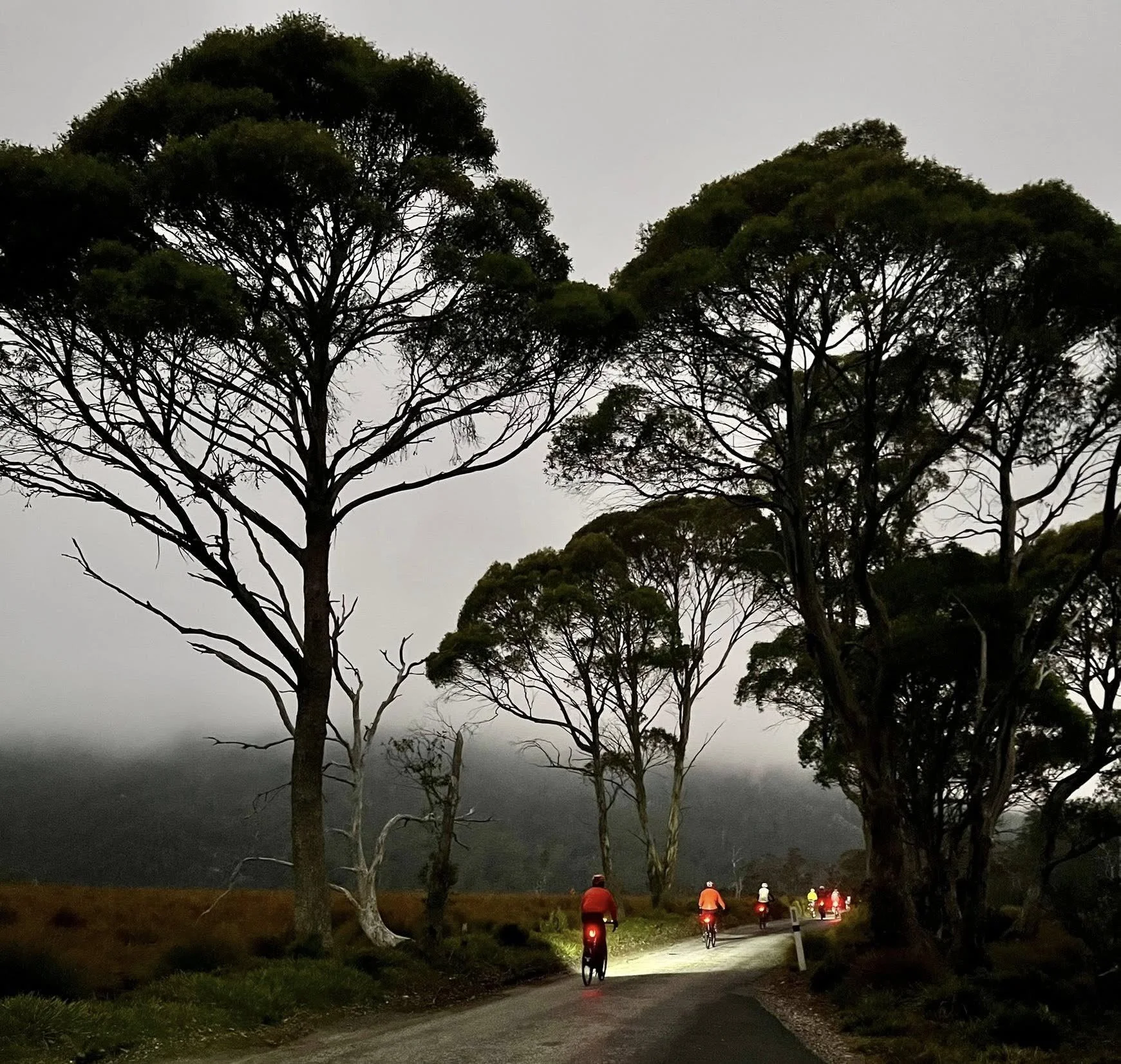
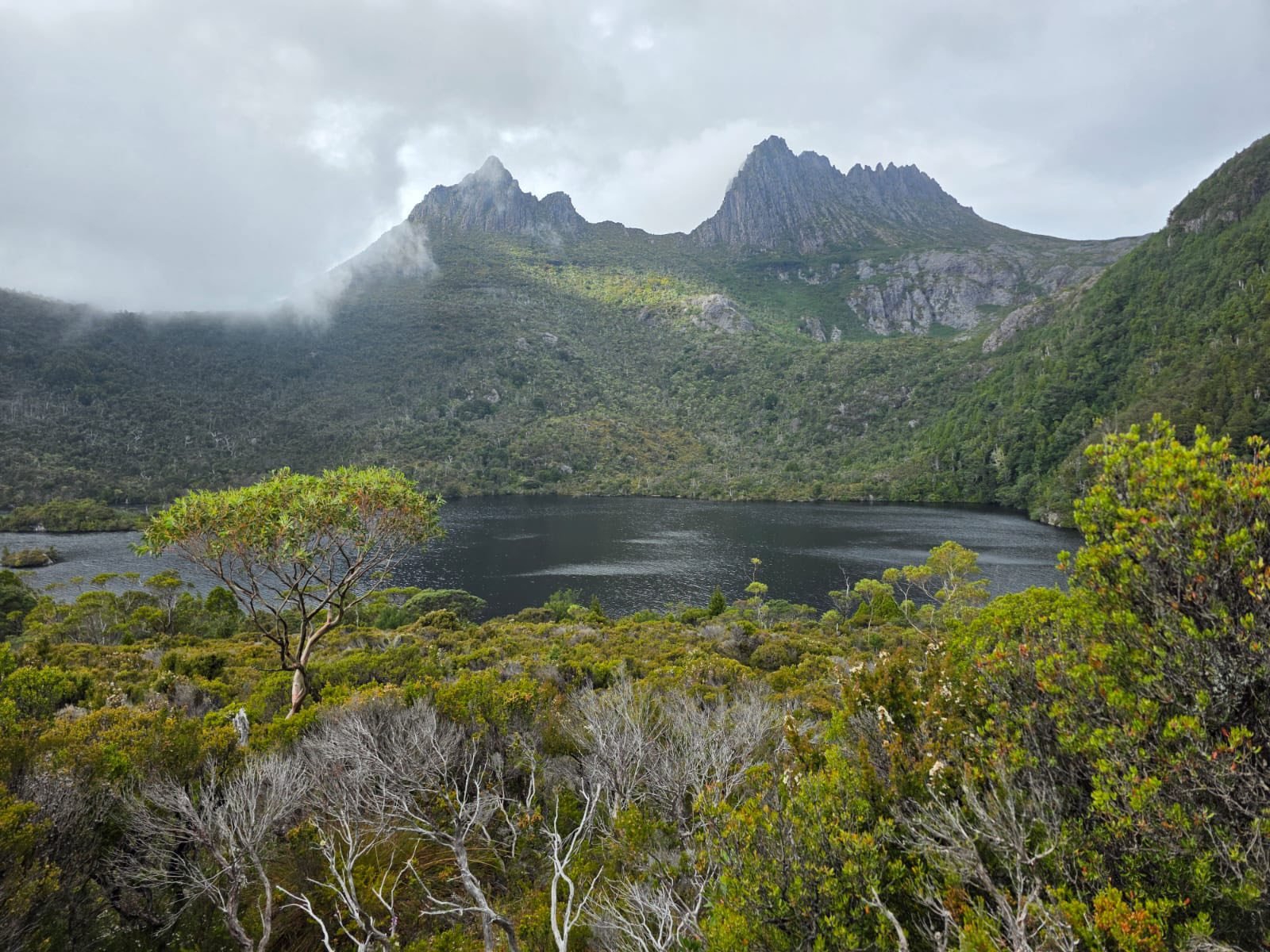
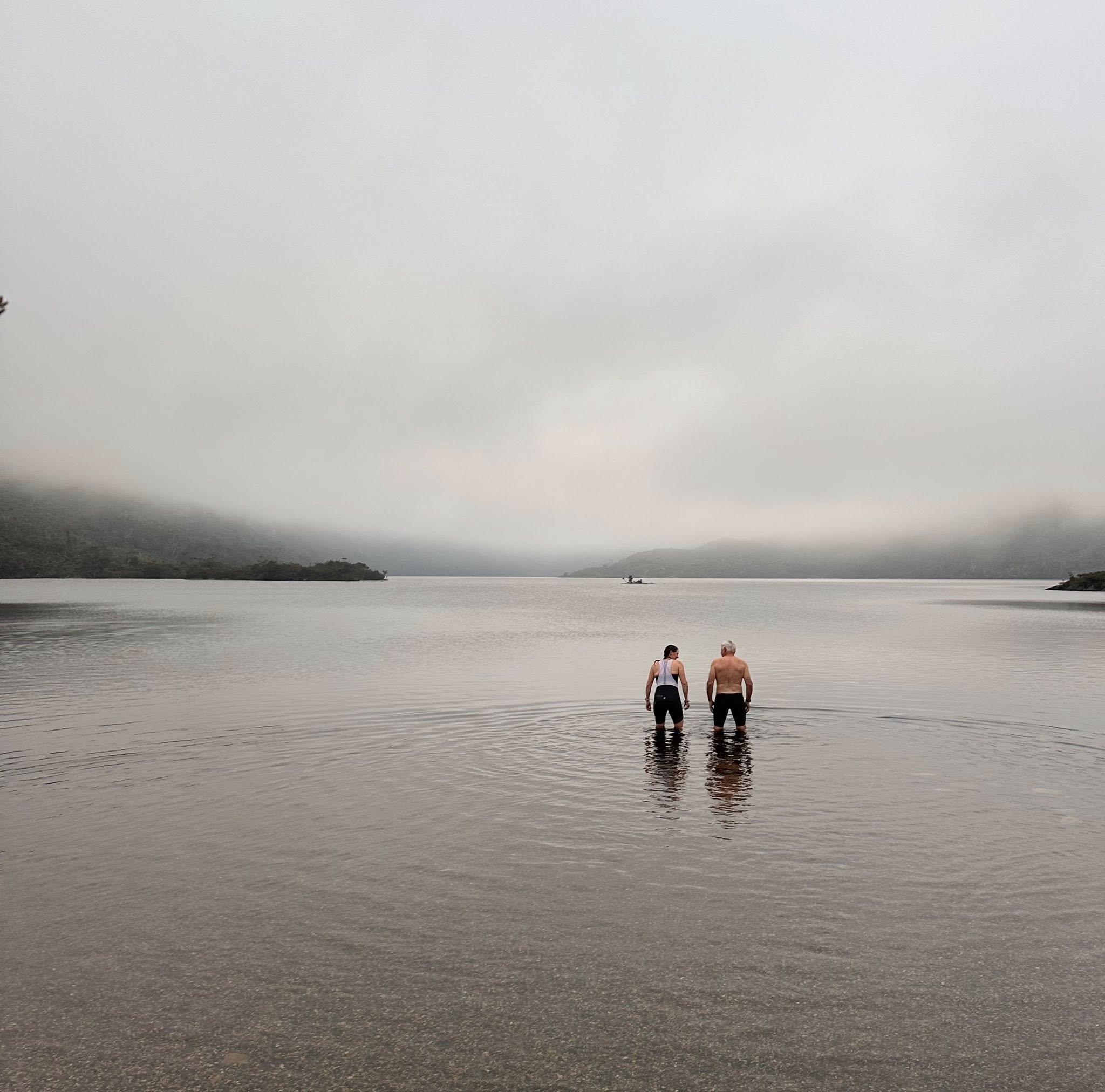
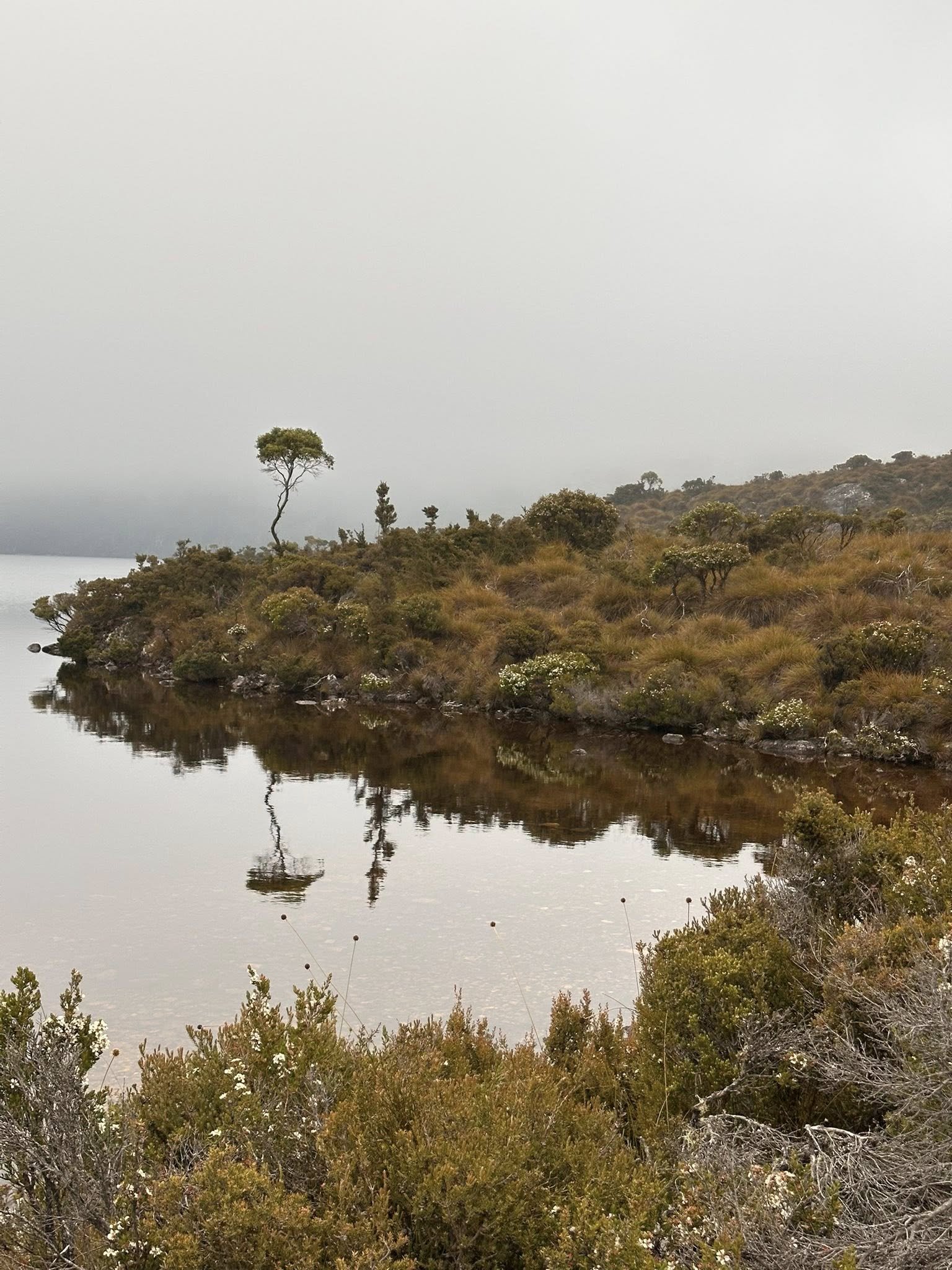
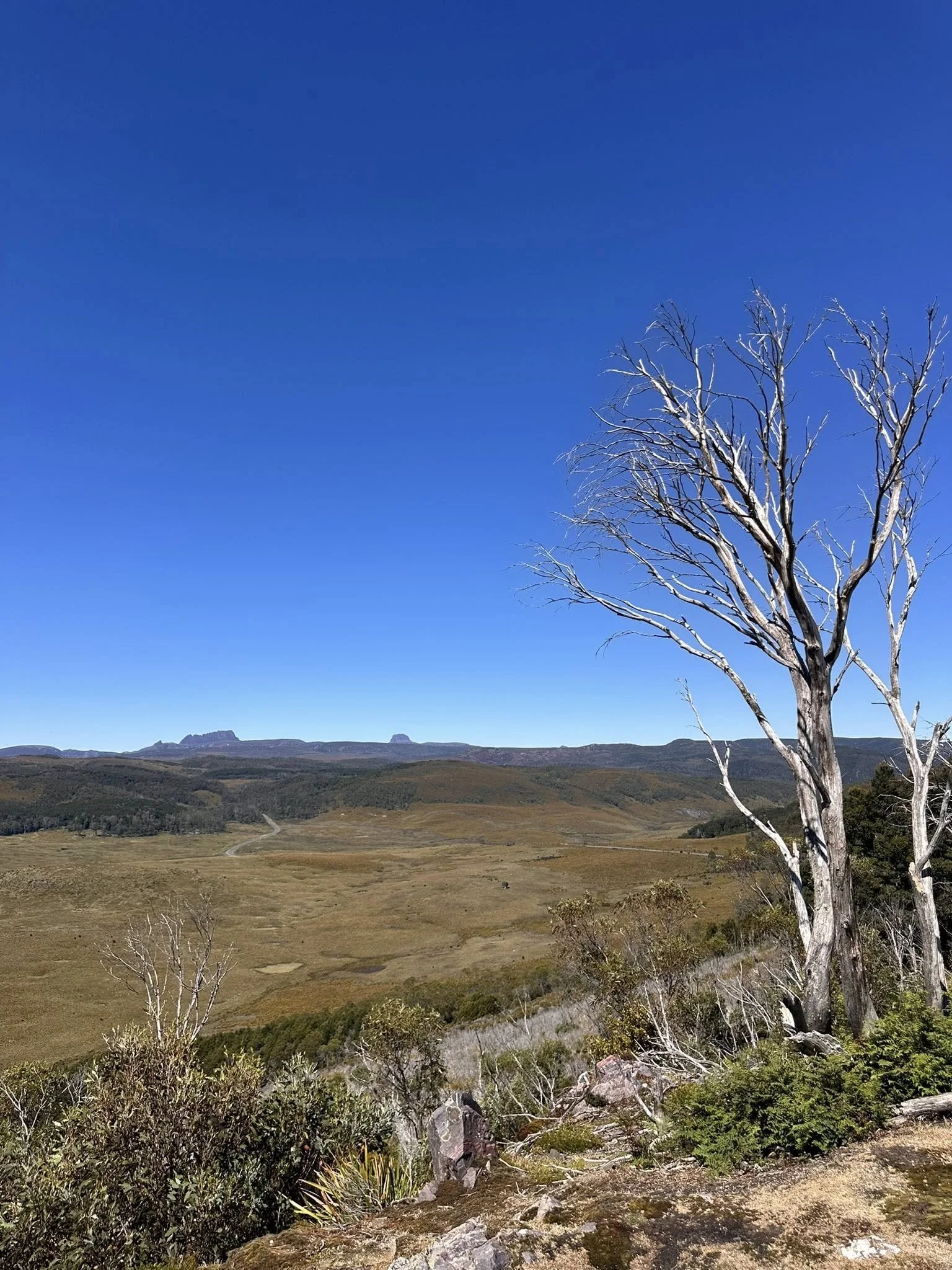
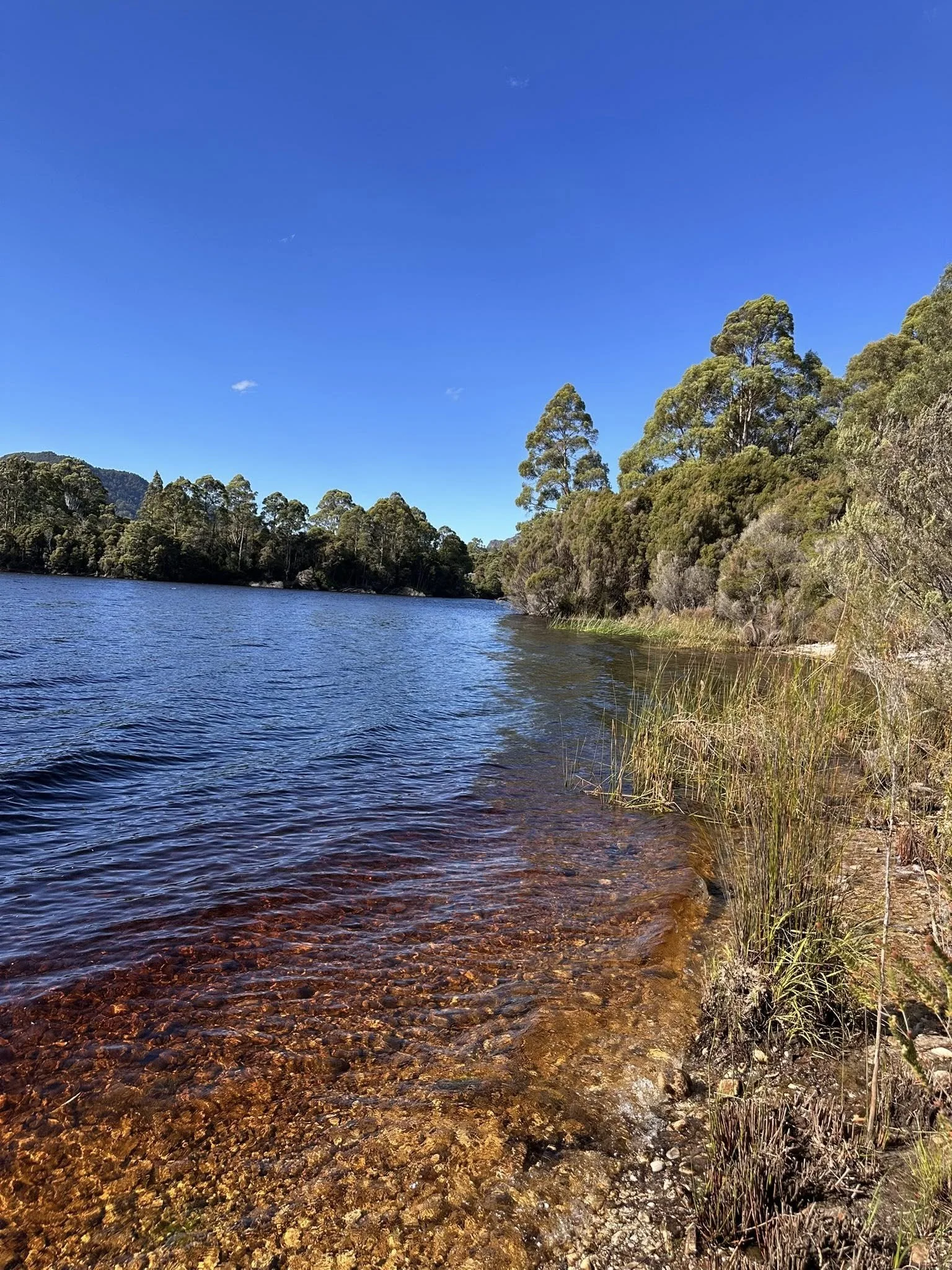
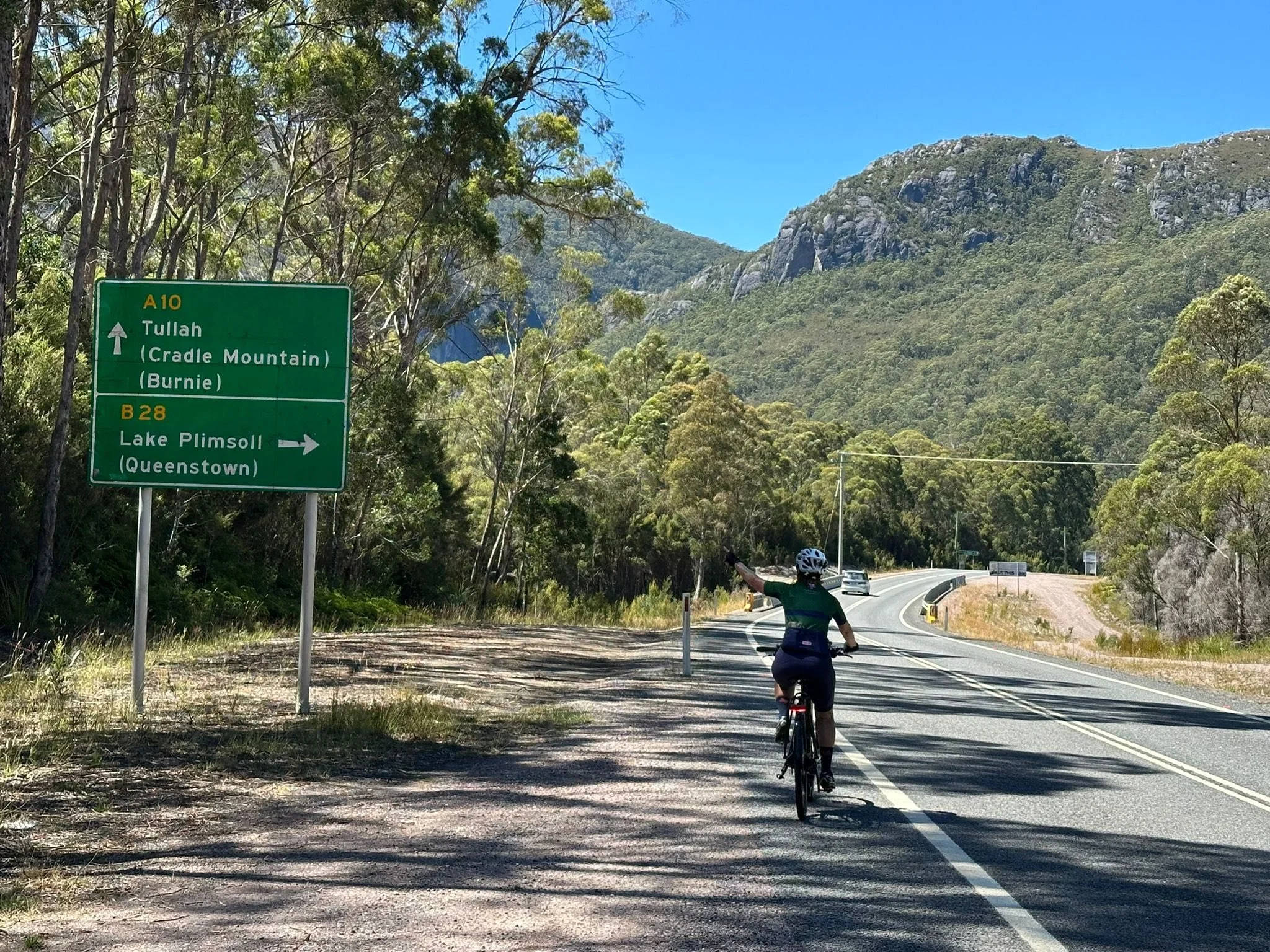
Some 300,000 million years ago, the area we are exploring was part of the supercontinent of Gondwana. Geological shifts produced the dramatic columns of dolerite that make Cradle Mountain so spectacular.
“This vanishing world is beautiful beyond our dreams and contains in itself rewards and gratifications never found in an artificial landscape or man-made objects,” said the Australian-Lithuanian nature photographer Olegas Truchanas, whose photographs in the mid-20th century helped raise public awareness of the importance of south-west Tasmania, including the iconic Cradle Mountain area.
The dogged work of visionary conservationists like him led to the creation of the 1.58-million-hectare Tasmanian Wilderness World Heritage Area, one of only two places in the world that satisfies seven out of ten UNESCO World Heritage criteria, recognized for both its natural, diverse ecosystem and its cultural, historic, and Aboriginal heritage.
Some of these photos are courtesy of my fellow travelers as I often need to focus on the riding. Safety first!
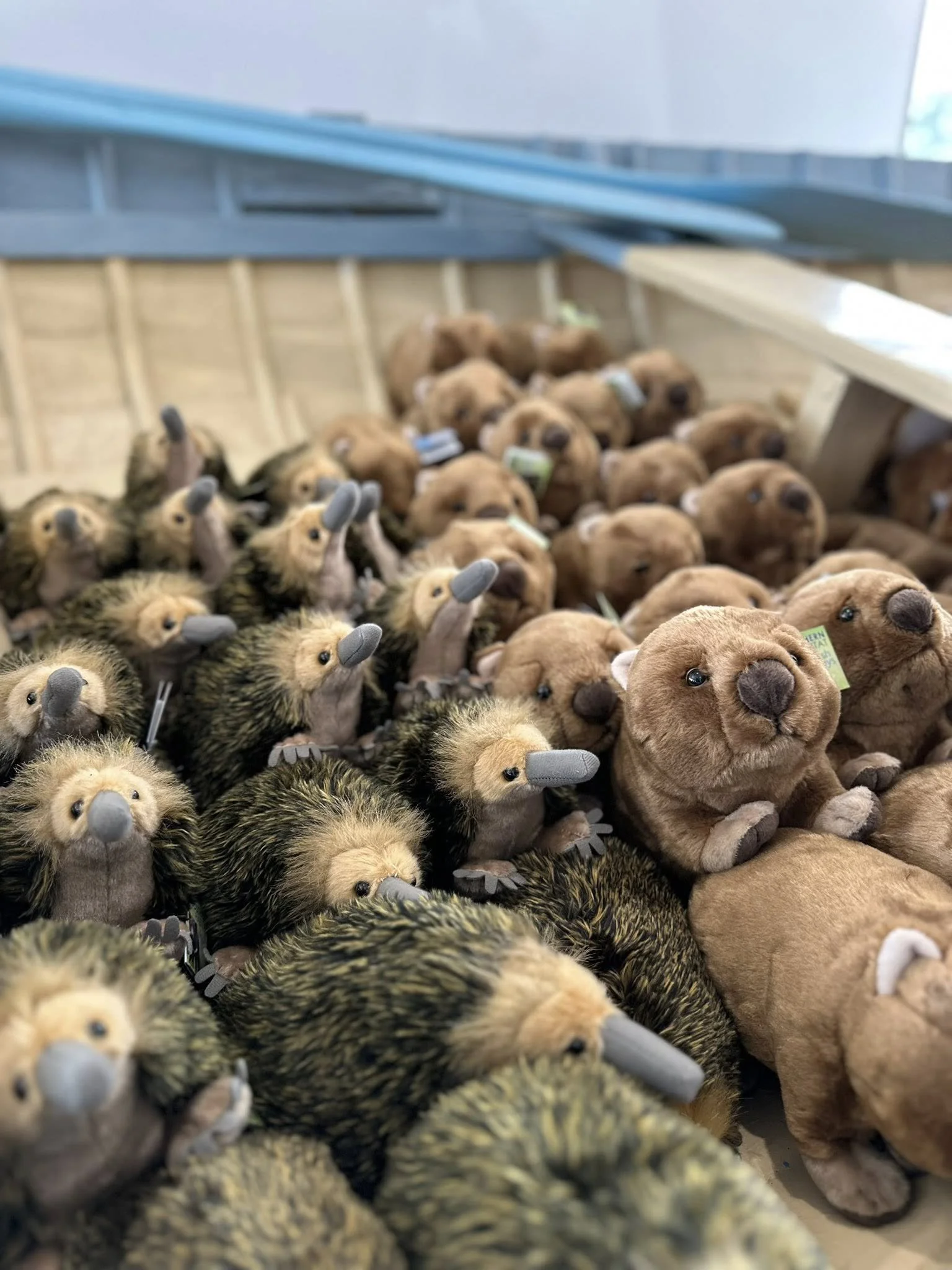
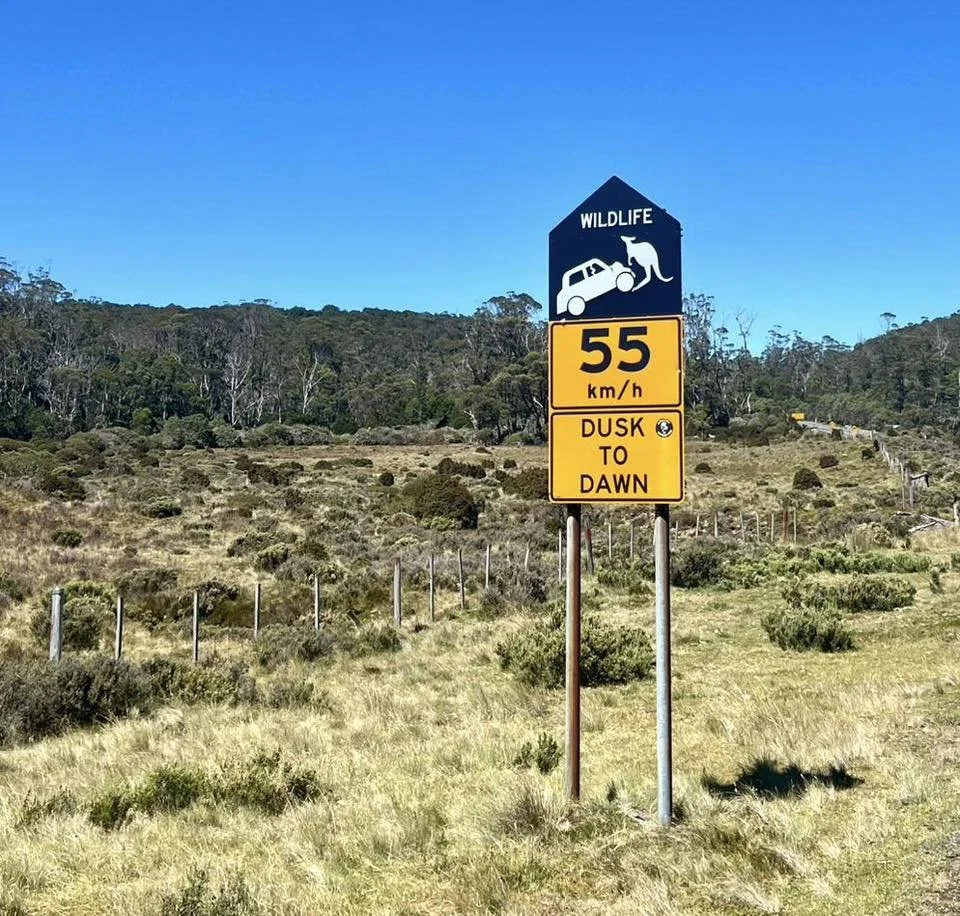
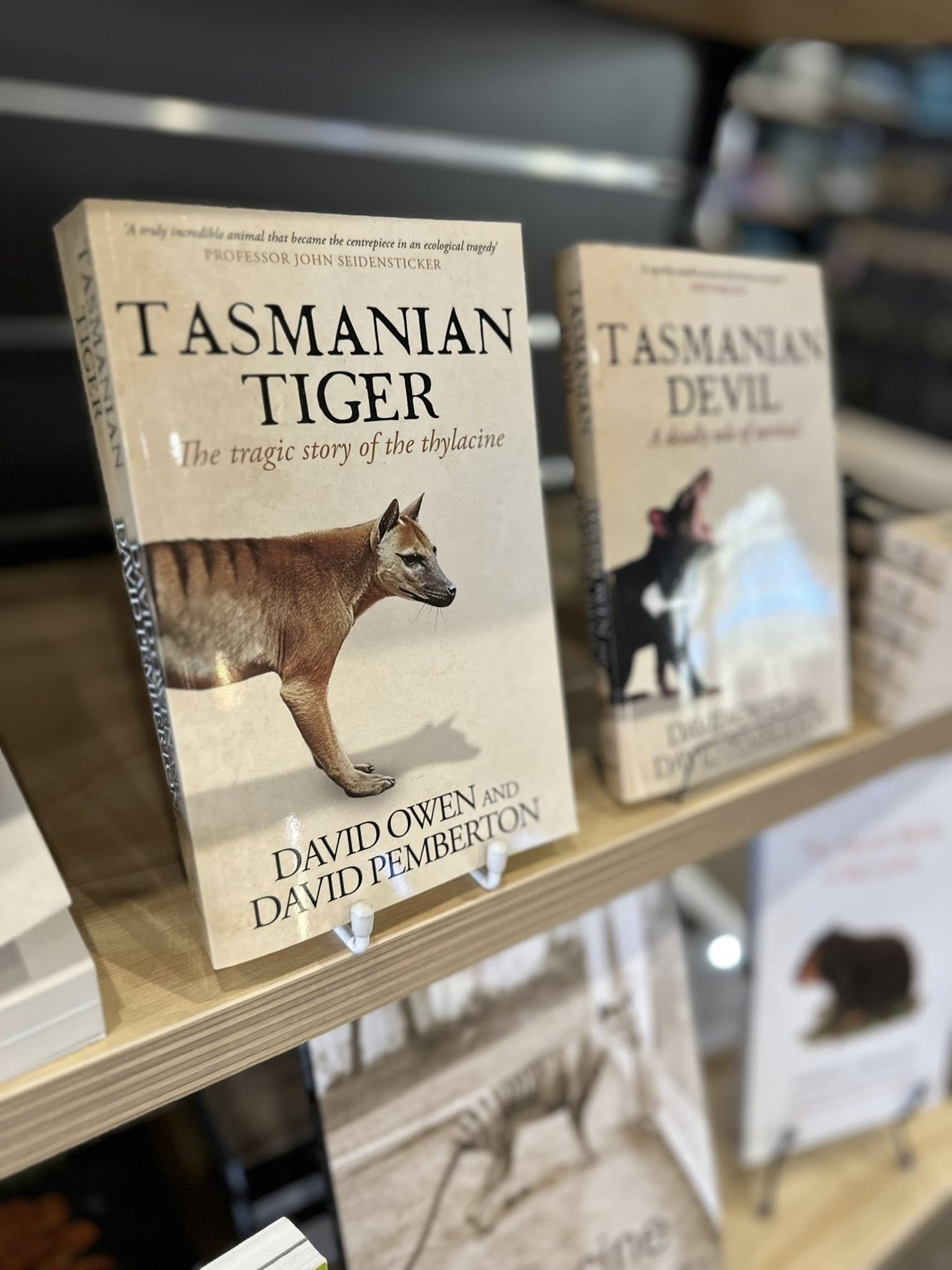
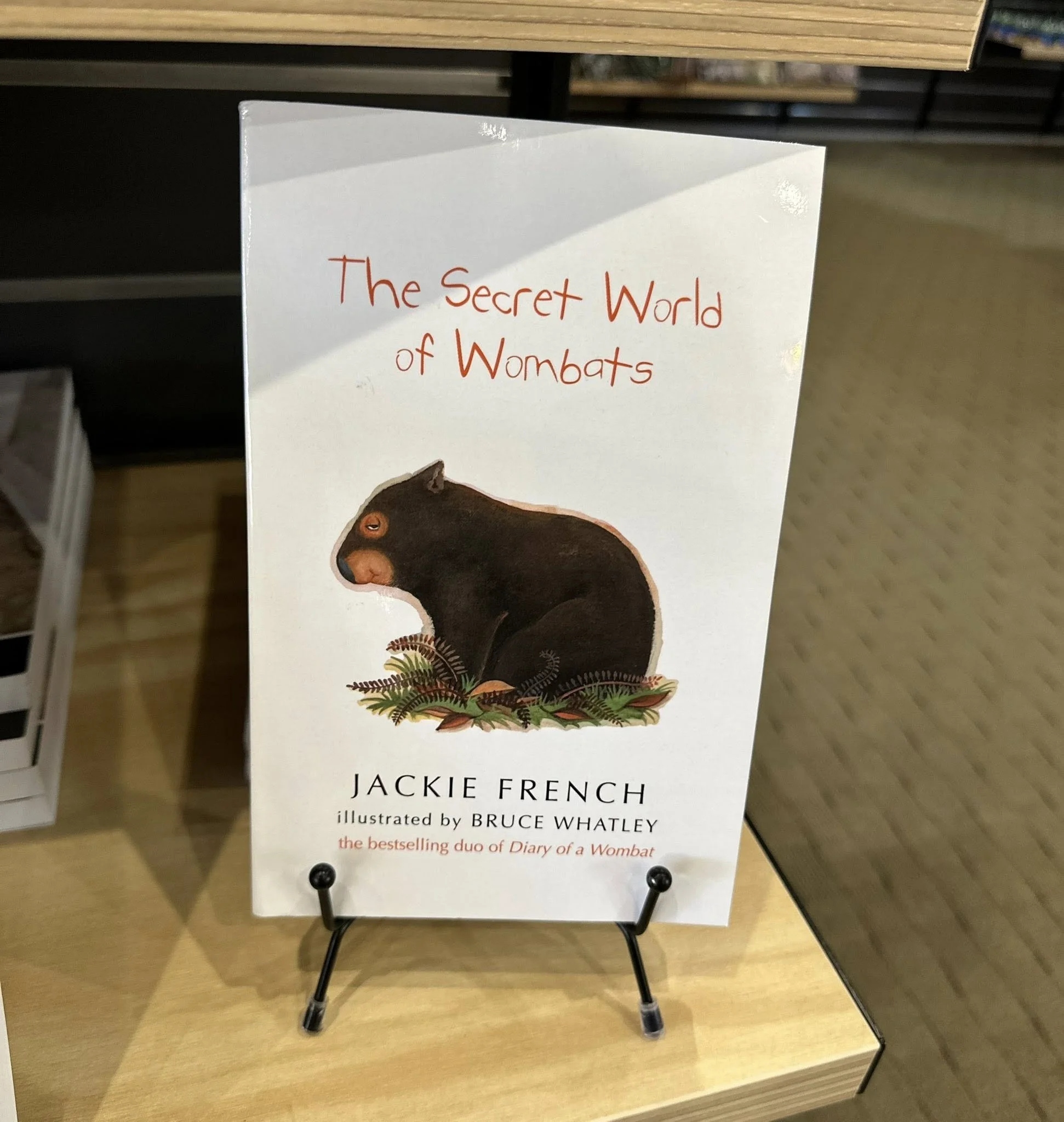
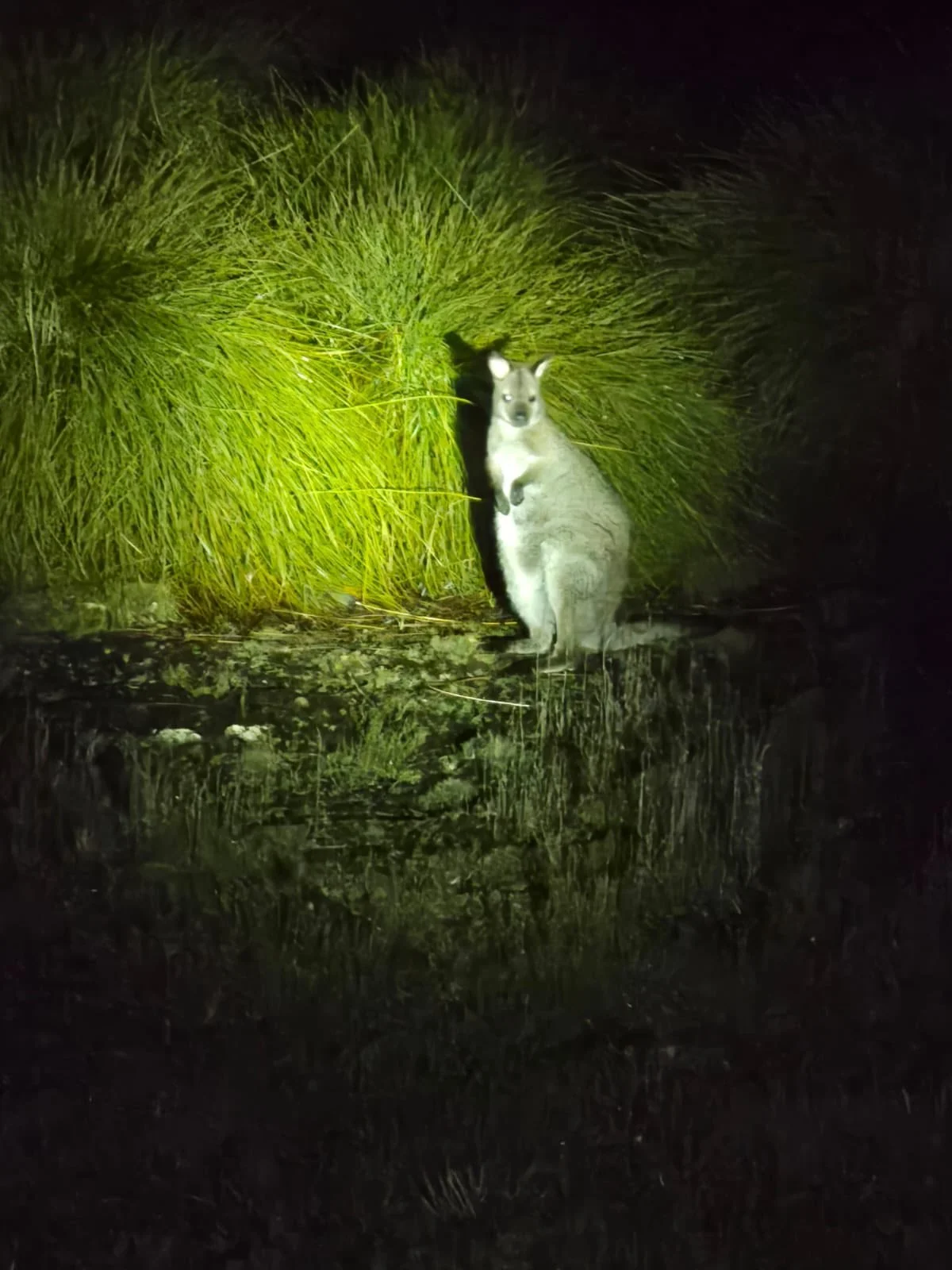
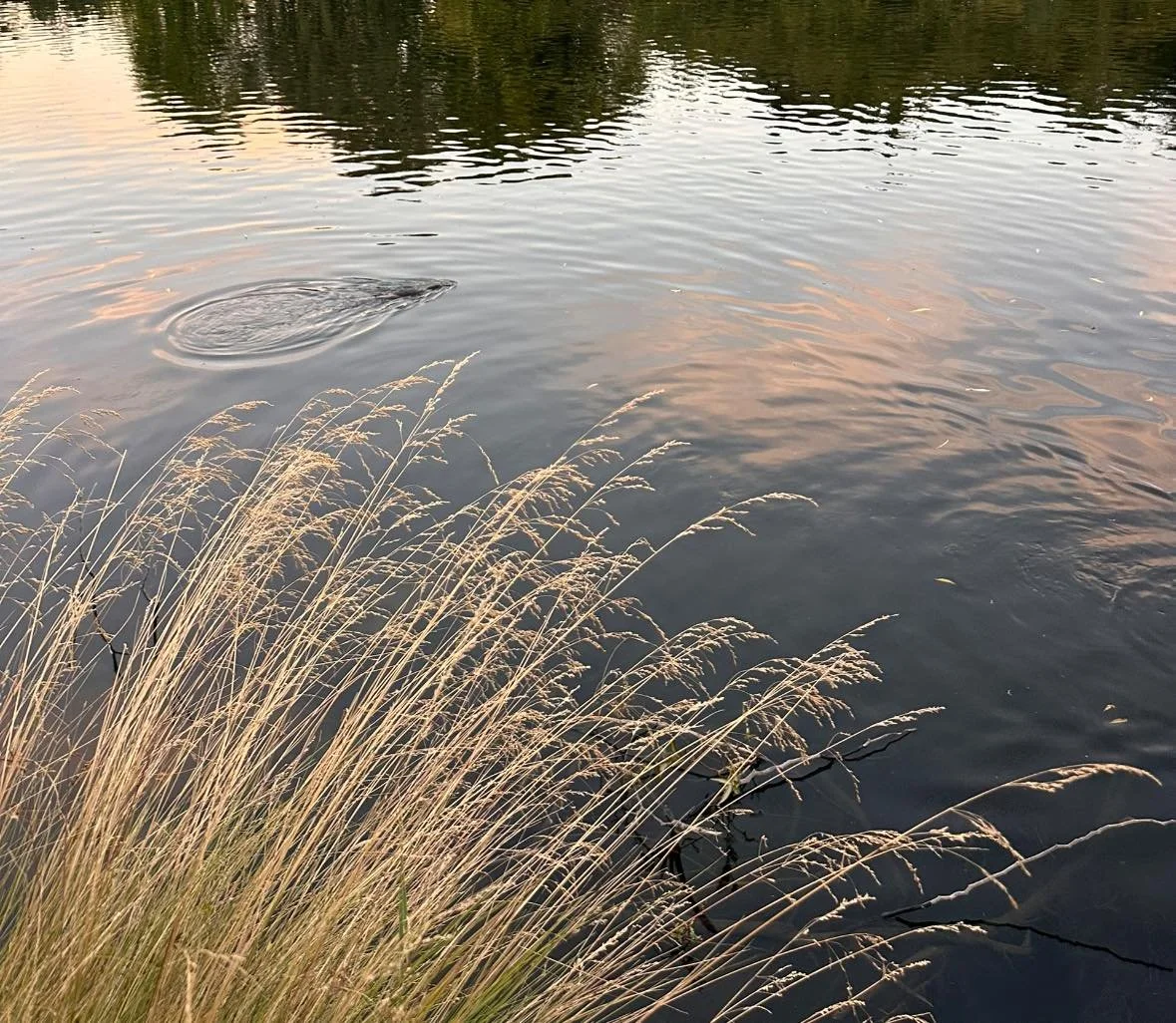
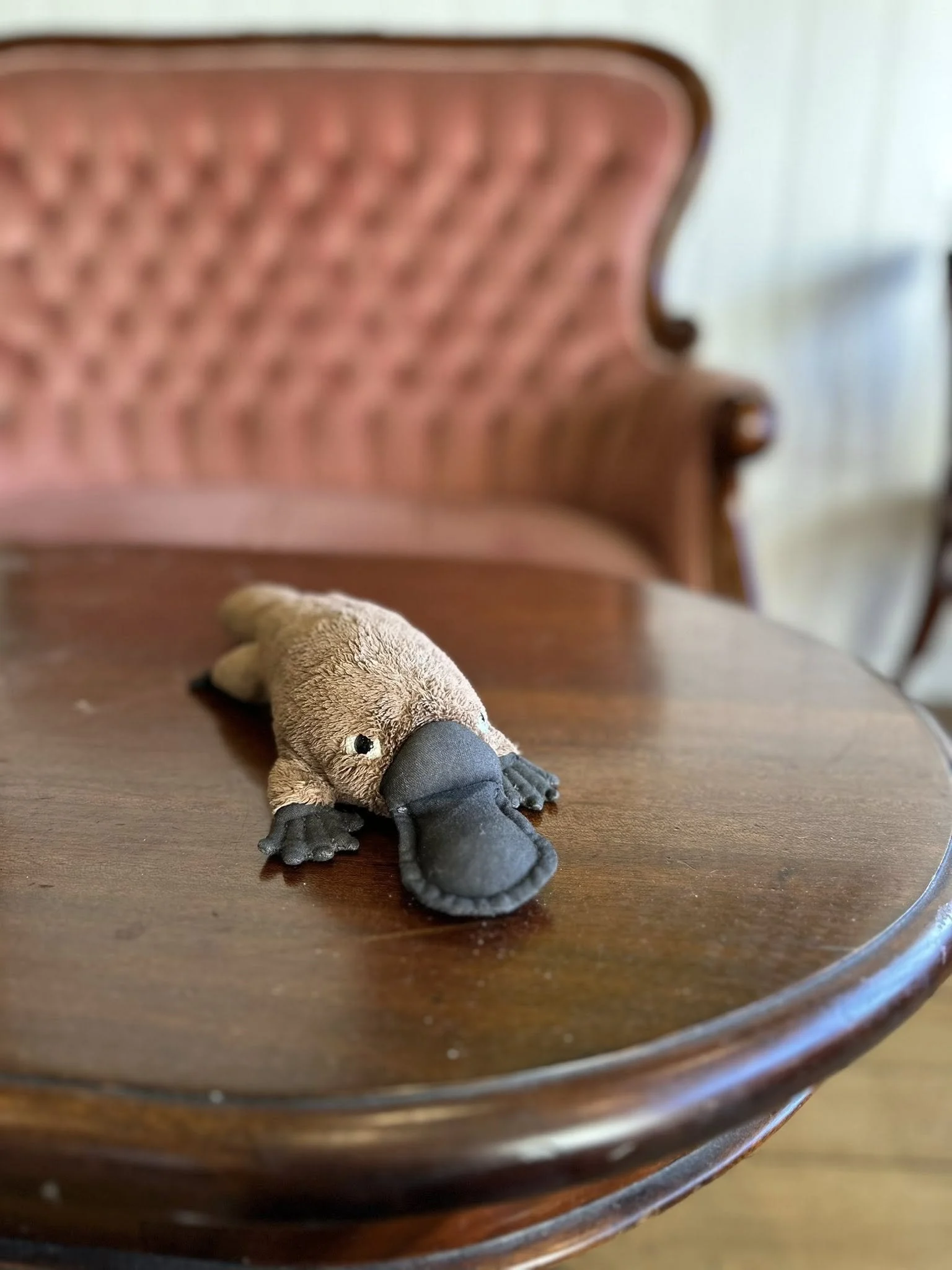
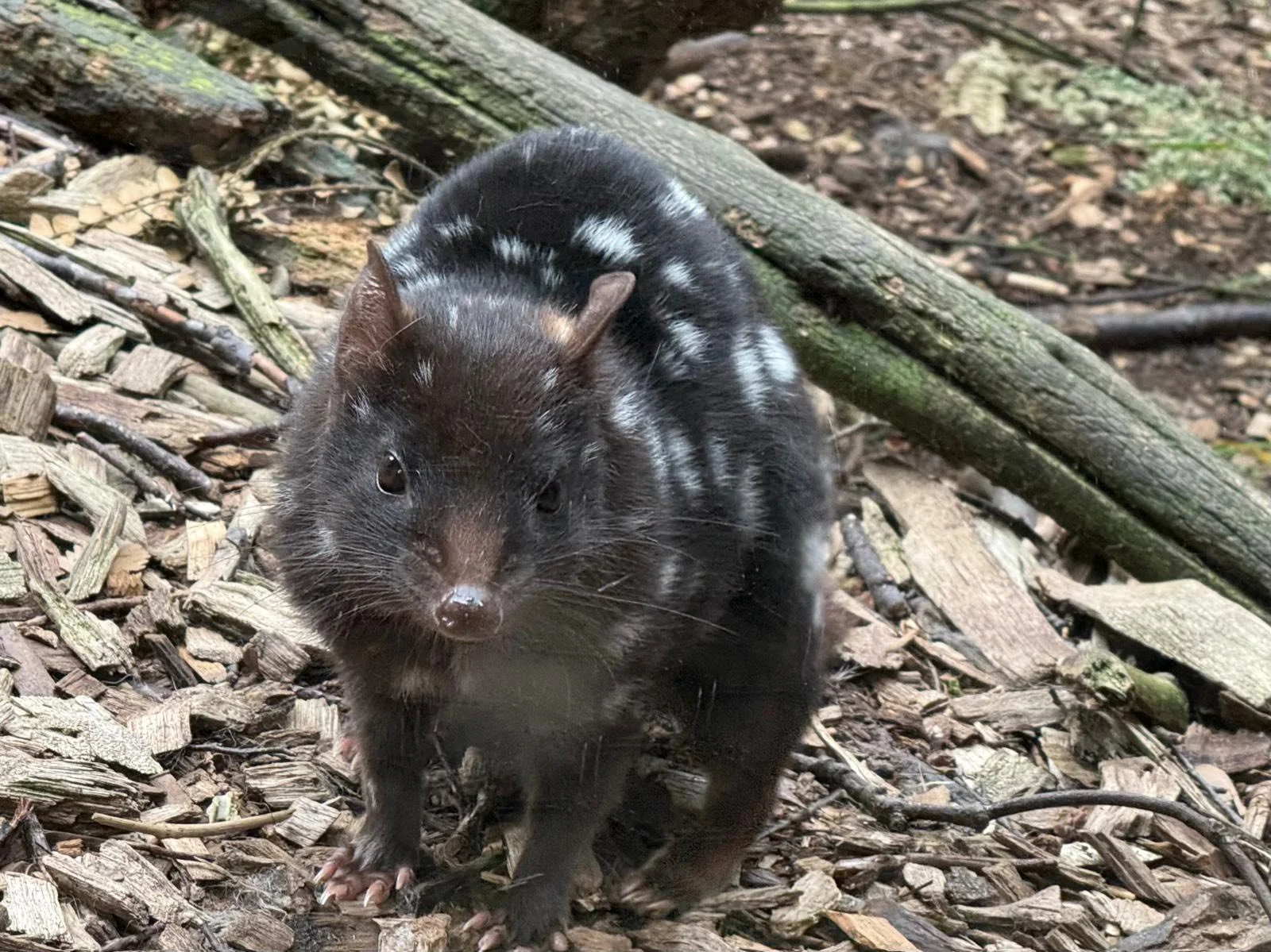
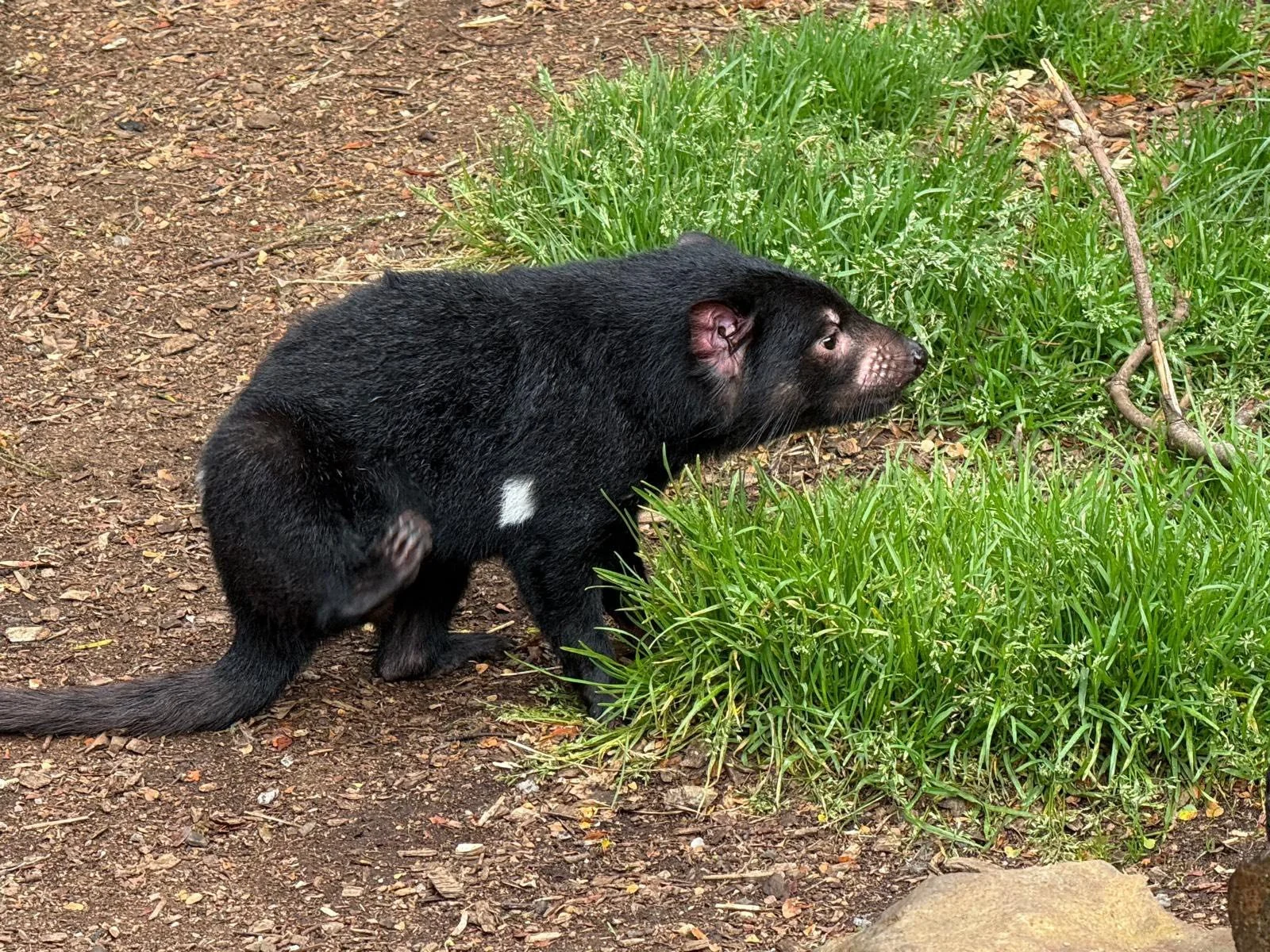
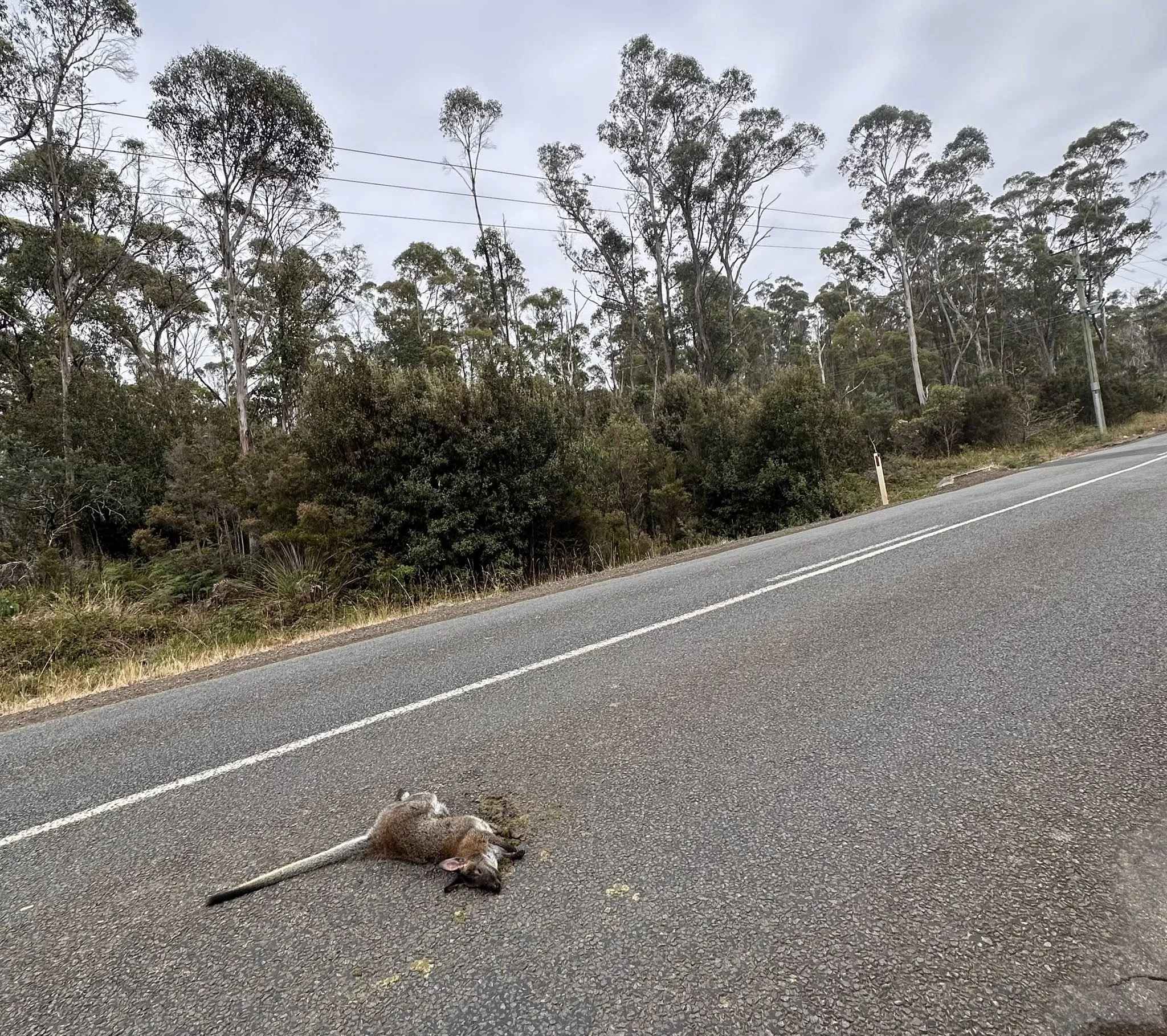
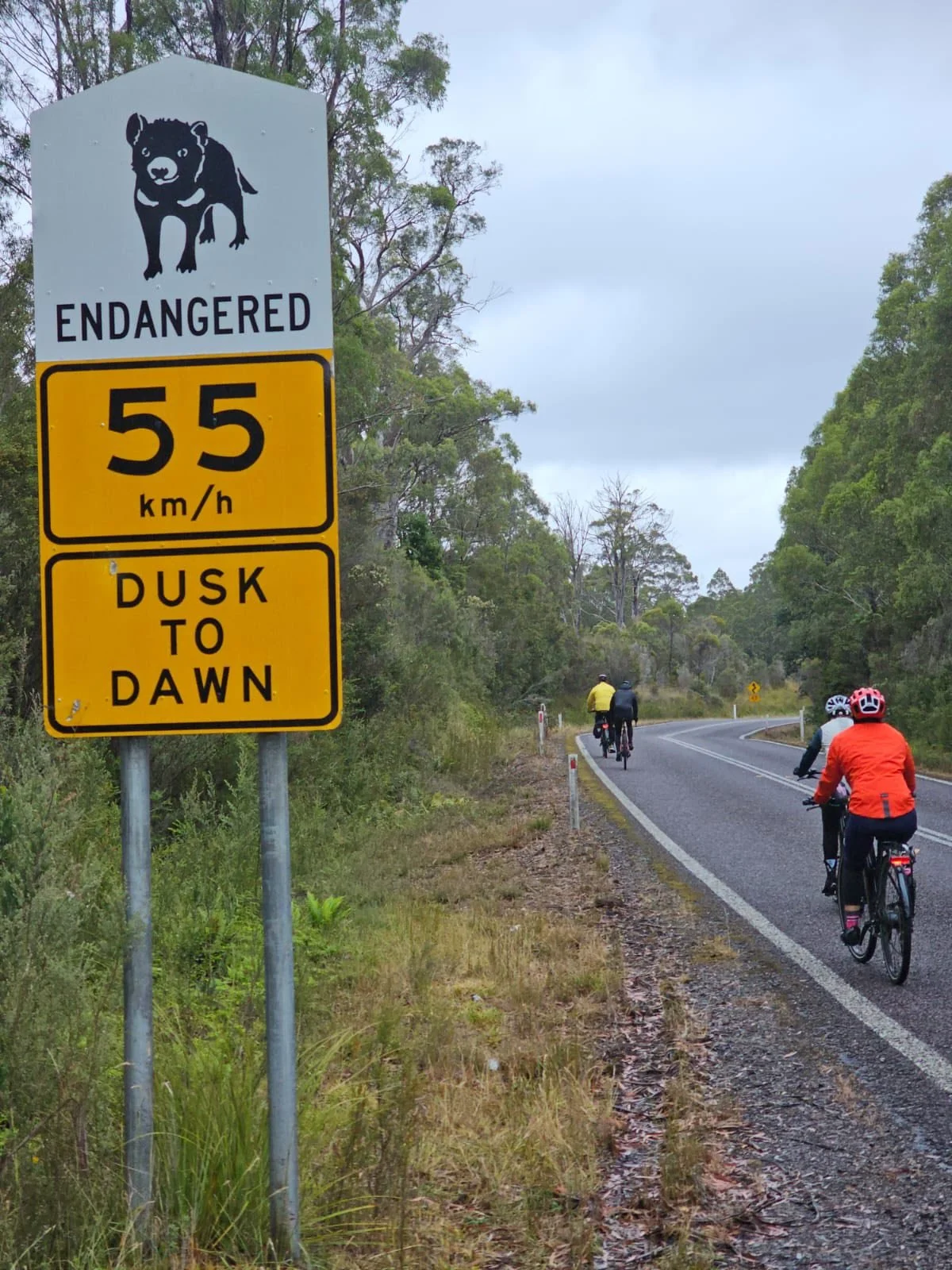
Wombats and wallabies and platypuses (platypi?), oh my: In many ways, Tasmania is a final refuge for unique Australian wildlife, following extinctions and drastic declines on mainland Australia. The island features a high concentration of endemic marsupials like the endangered Tasmanian devil, the pademelon, bettong, quoll, and wombat, as well as a platypus, a most unusual swimming mammal that lays eggs and secretes milk through its skin for its young to lick.
We cyclists have seen heaps of wildlife but, sadly, mostly as roadkill. At dusk, wildlife are also spotted by the road or hopping or scurrying across it. A visit to a sanctuary or a night tour are the best ways to spot and learn about the animals.
Visitors to Tasmania, or anywhere, really, please maintain a respectful distance to wildlife, never feed them, and drive carefully, especially at dawn, at dusk, and at night.
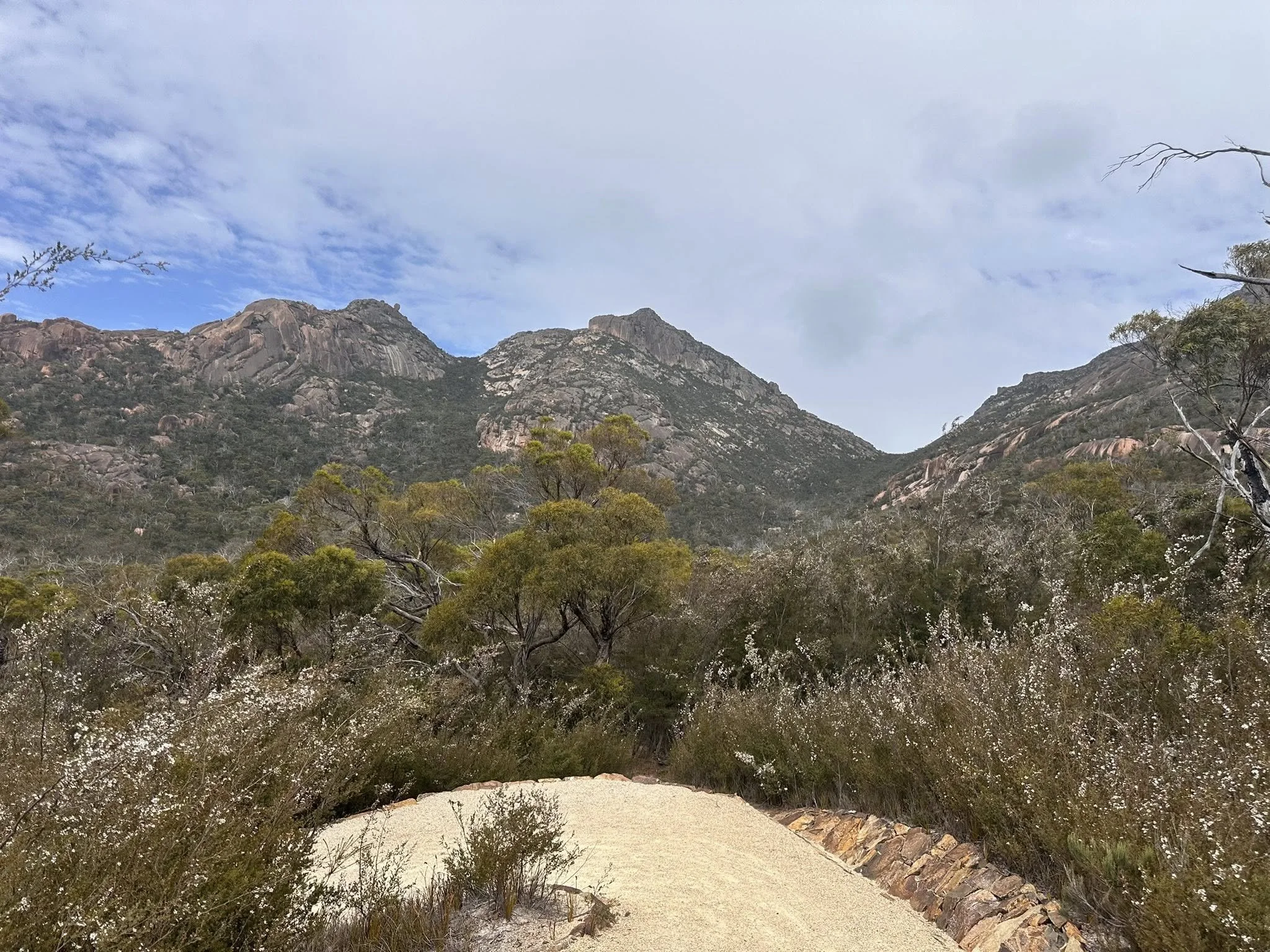
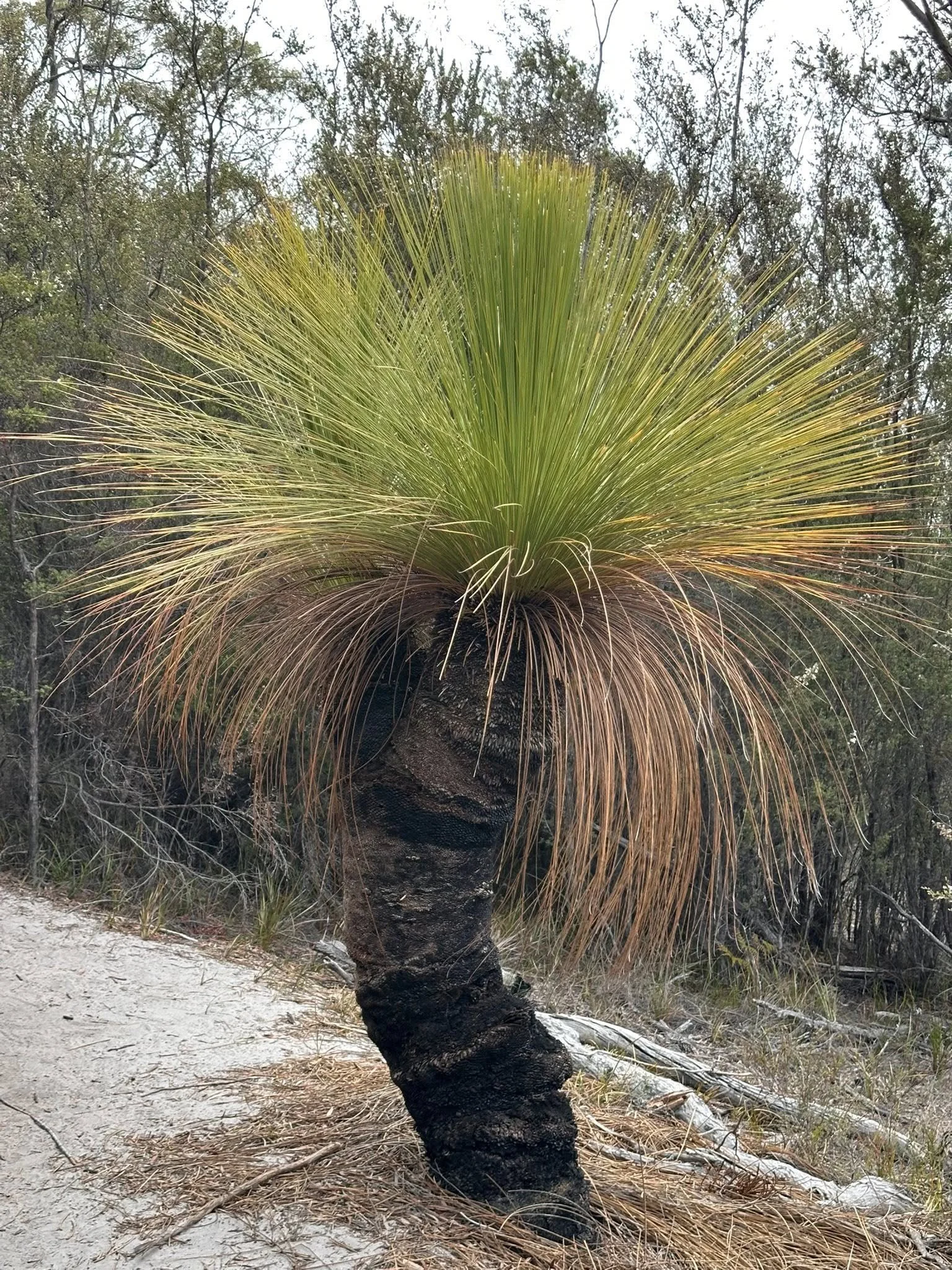
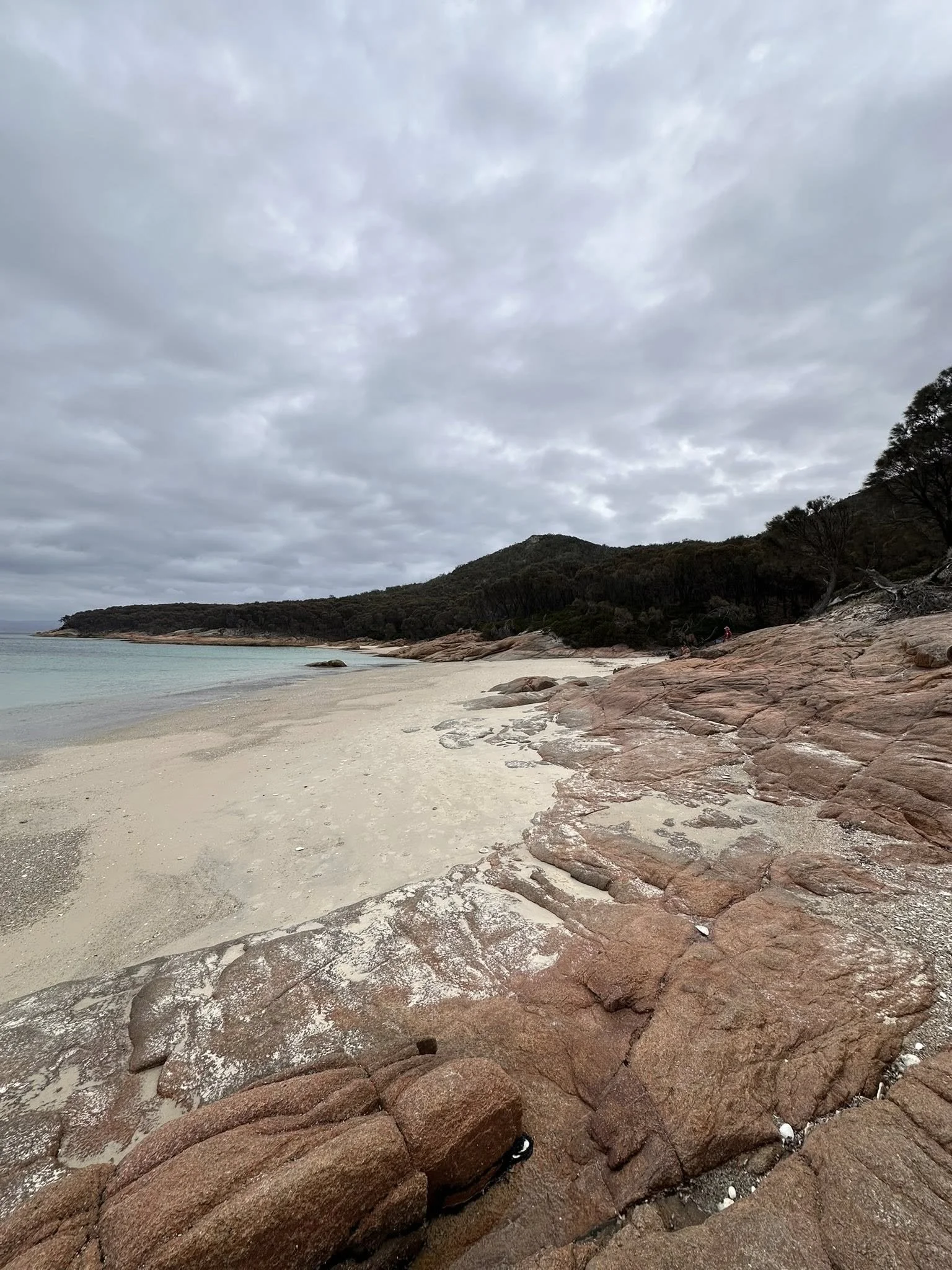
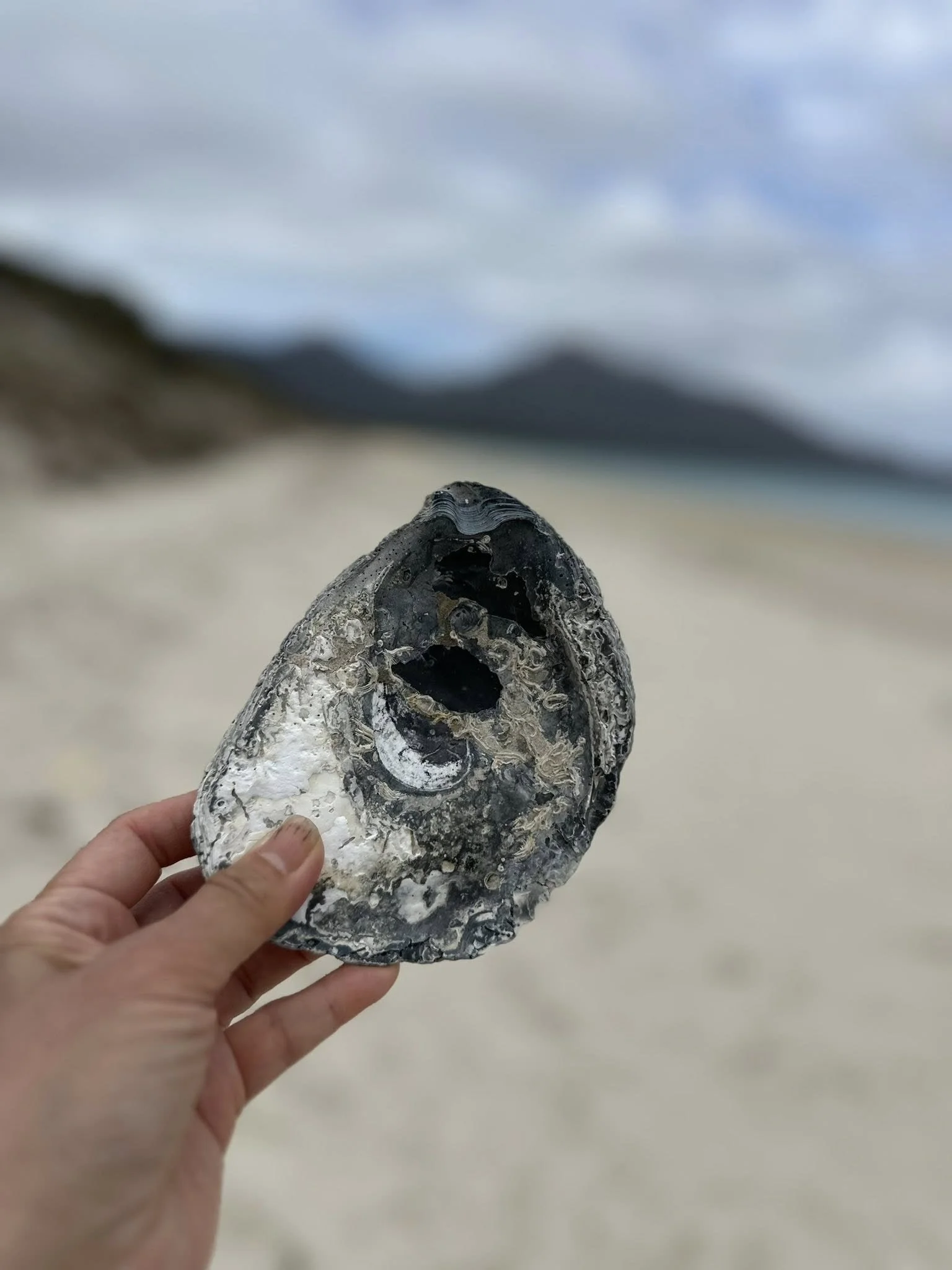
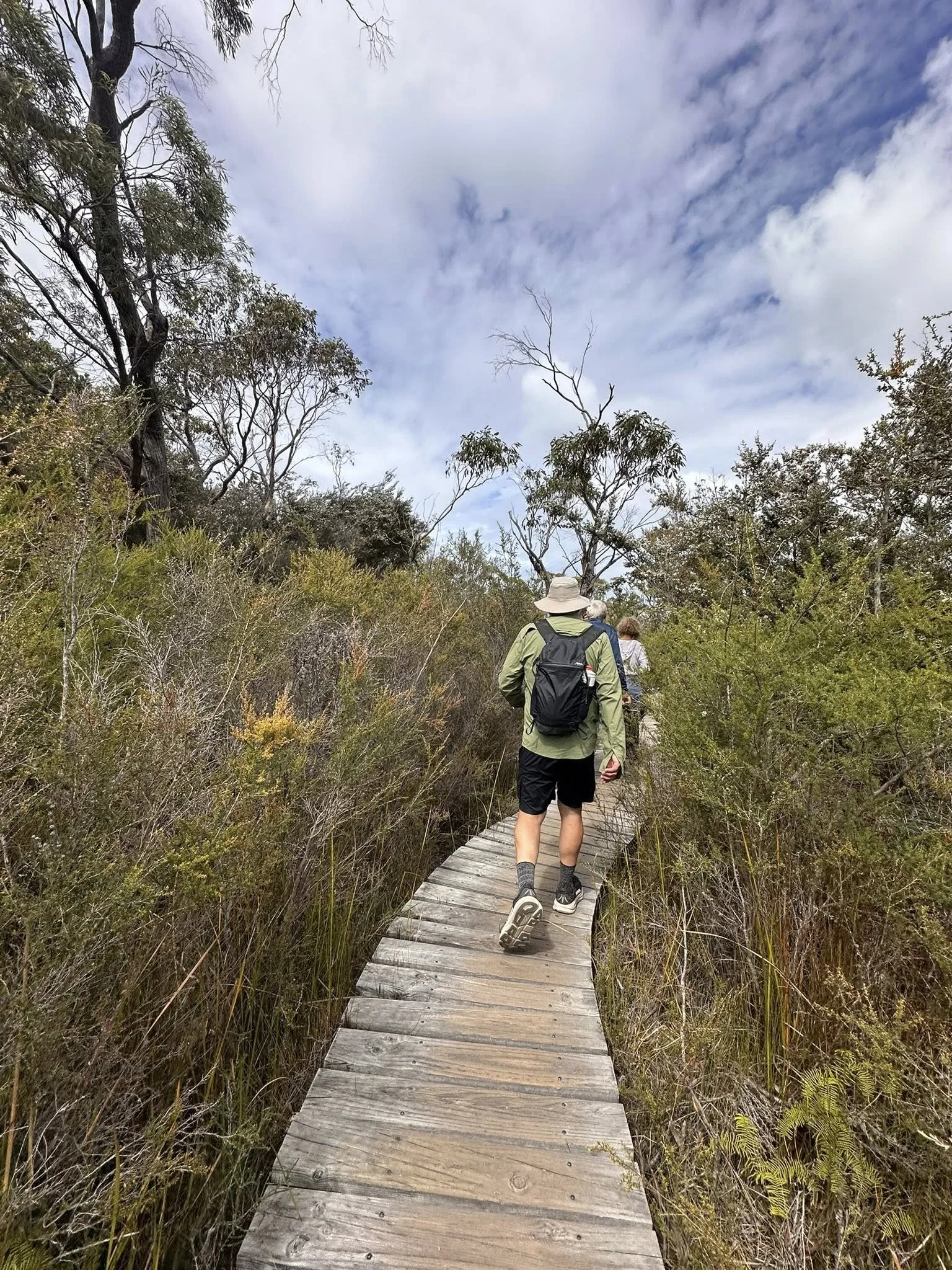
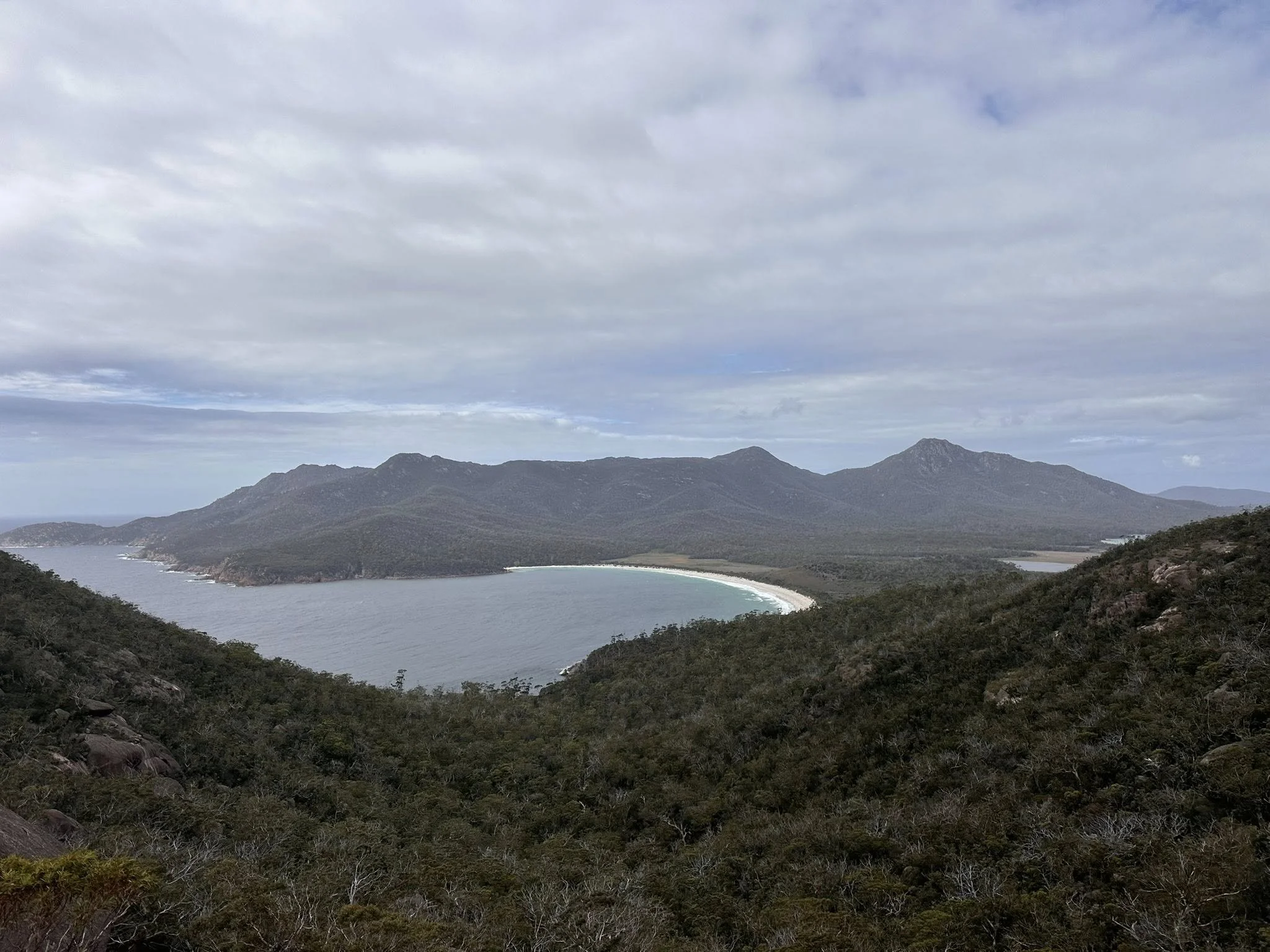
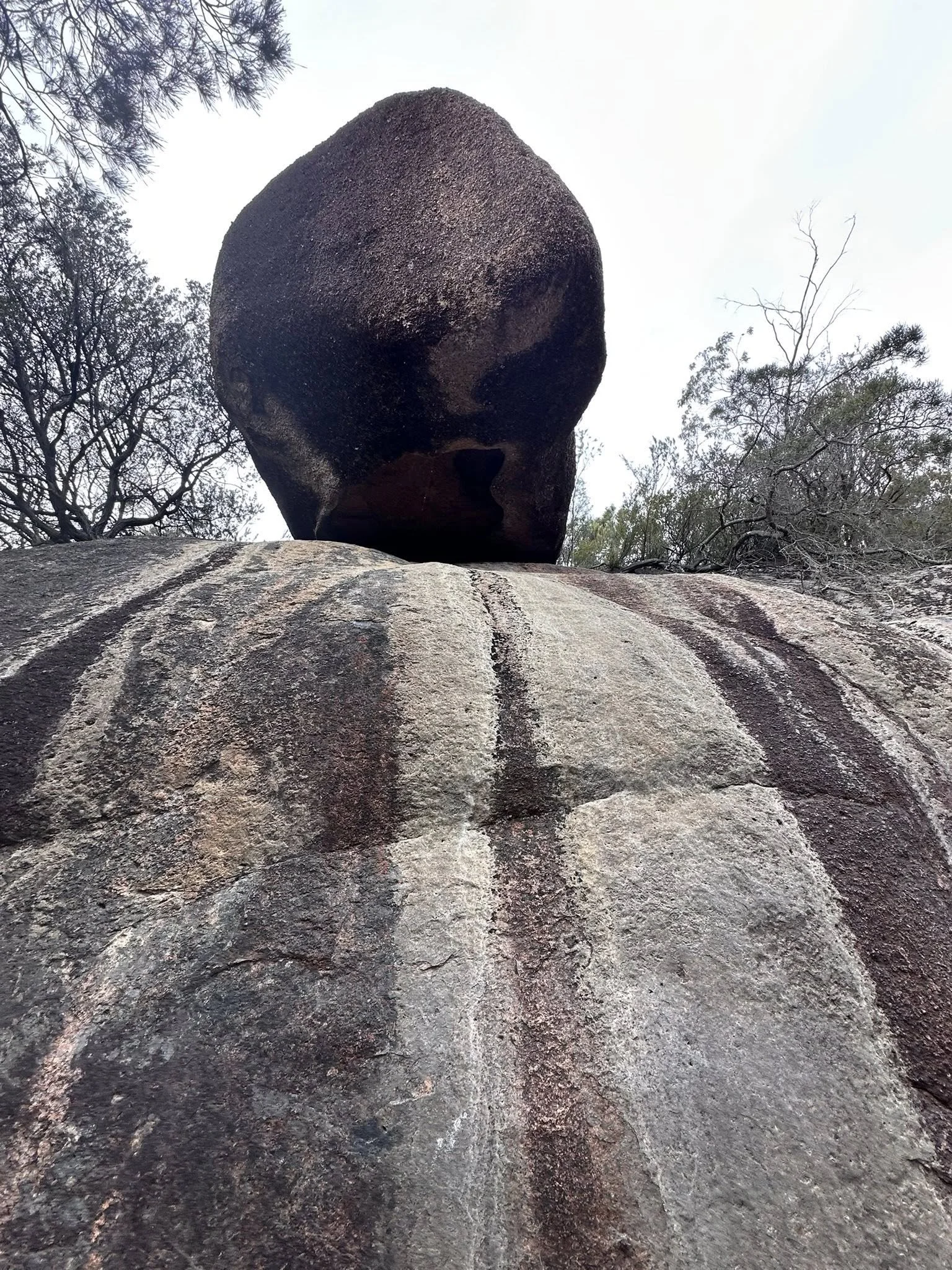
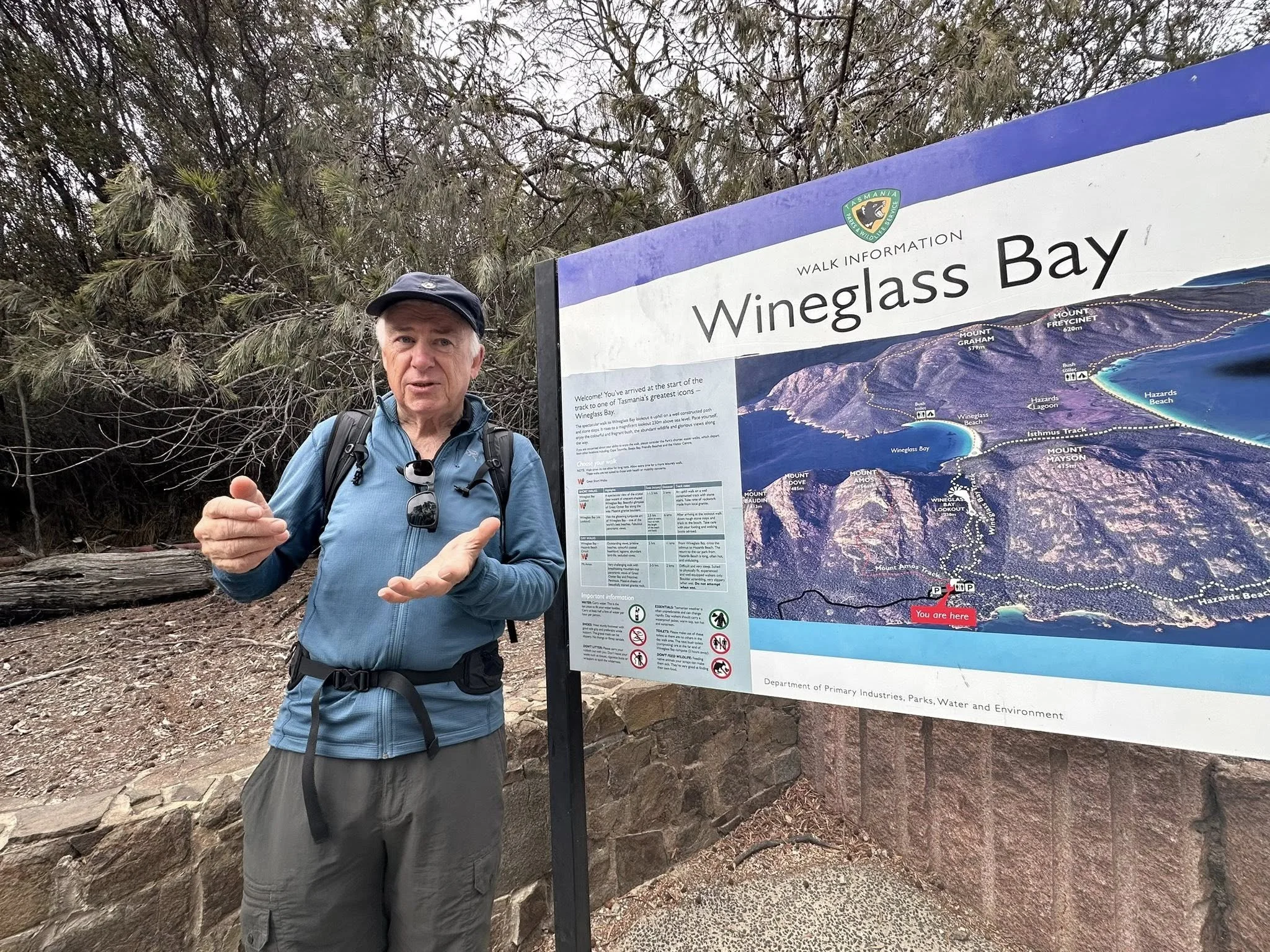
On another of our “rest days” a few of us tagged along for a day hike in Freycinet National Park with Richard Cosgrove, a professor of archaeology at La Trobe University and the resident historian on our cycling tour. The seven-mile circuit passes by iconic spots such as Wineglass Bay (frequently mentioned as one of the best beaches in the world), crosses a narrow isthmus of land to another lovely beach and through fragrant eucalyptus forests, all under the gaze of the craggy Hazard Mountains.
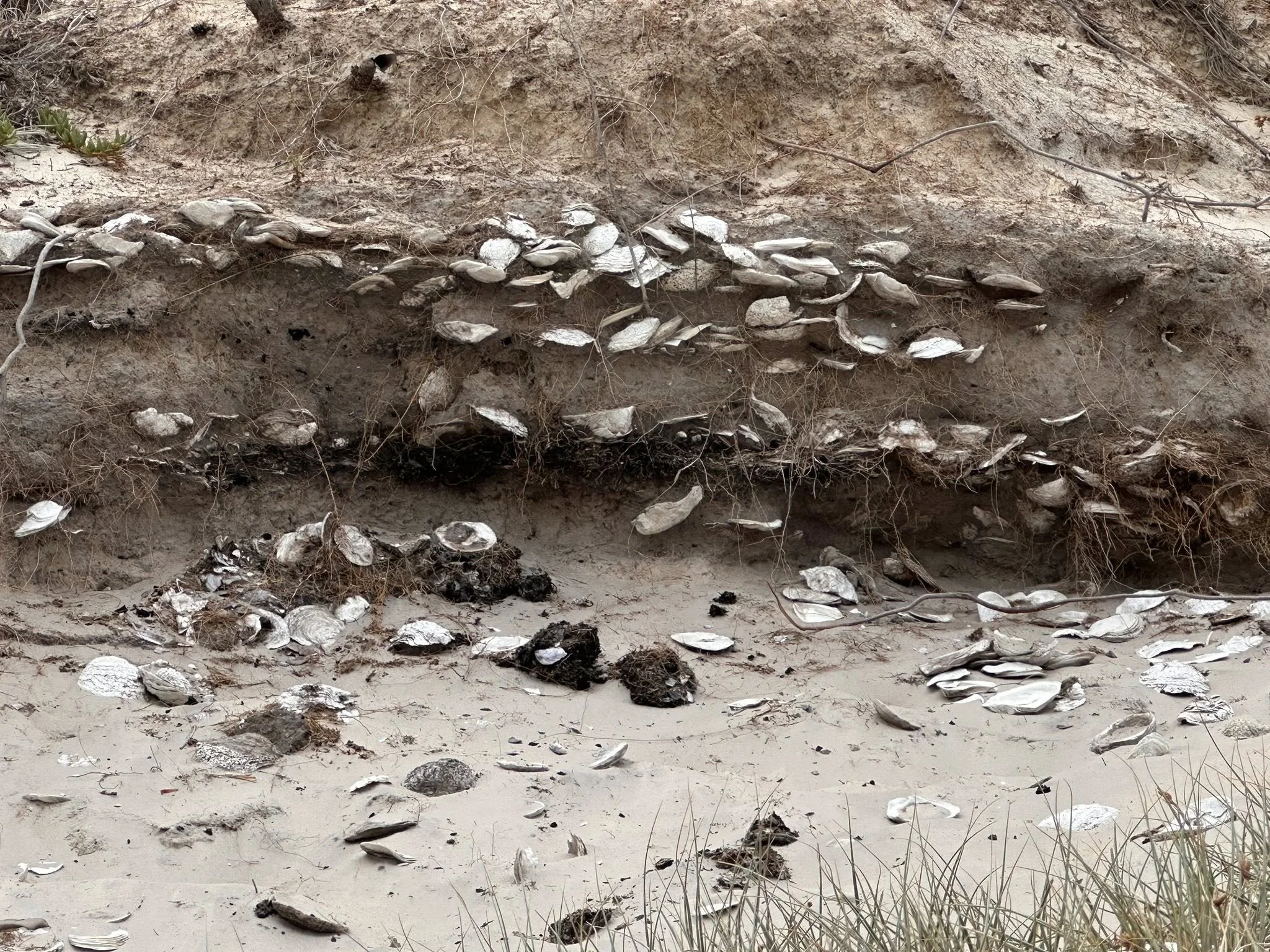
At one point, Cosgrove pointed out layers of shells in the dune, slowly being exposed by erosion. It went unnoticed by most passersby. “Kitchen middens,” he explained, mounds of discarded oyster shells left by Aboriginal inhabitants hundreds, possibly thousands of years ago, before convicts and colonists swept through the island and killed the majority of the indigenous inhabitants or banished them to unwanted tracts and out islands. “While these native oysters sustained the population for generations, they are no longer found here in such quantities, due to iver-fishing and likely climate change.” The bay’s name, however, Great Oyster Bay, recalls its former glory.
Tasmania’s history runs through Cosgrove’s own family tree, with both convict and Aboriginal branches. His genealogy has fueled his work as an archaeologist; he conducted research on human occupation in Tasmania during the late Pleistocene, demonstrating evidence of human response to changing climatic conditions.
I asked Cosgrove whether he’d ever sensed the presence of the indigenous ancestors when doing fieldwork. The objective scientist replied, “Once or twice, before entering a cave, I somehow felt compelled to shout out that we were about to enter, although I knew there was no one there.”
As travelers we owe it to the places we visit, and to their ancestral and present stewards, to tread lightly and suss out the stories they can tell. Tasmania, Australia.
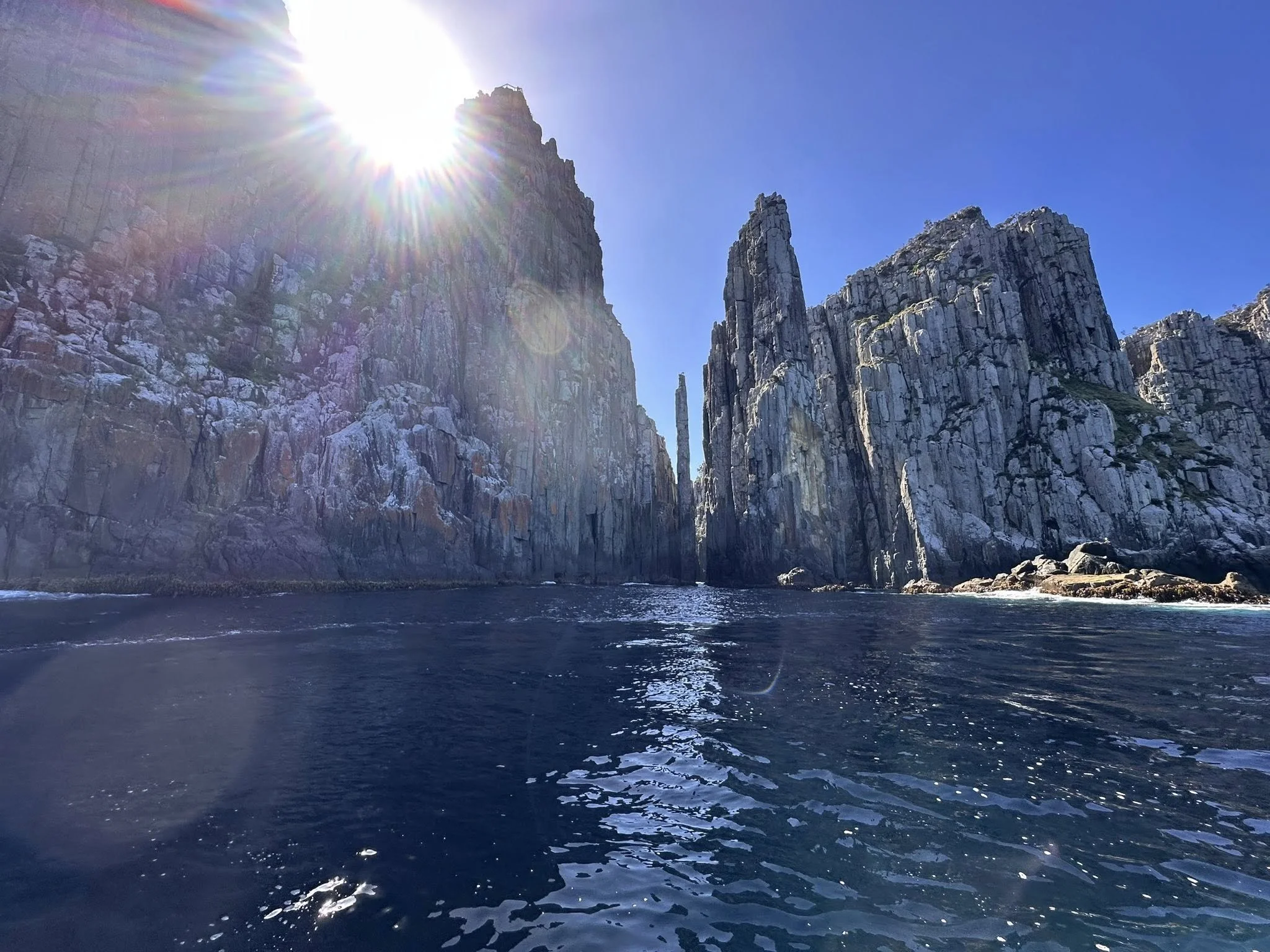
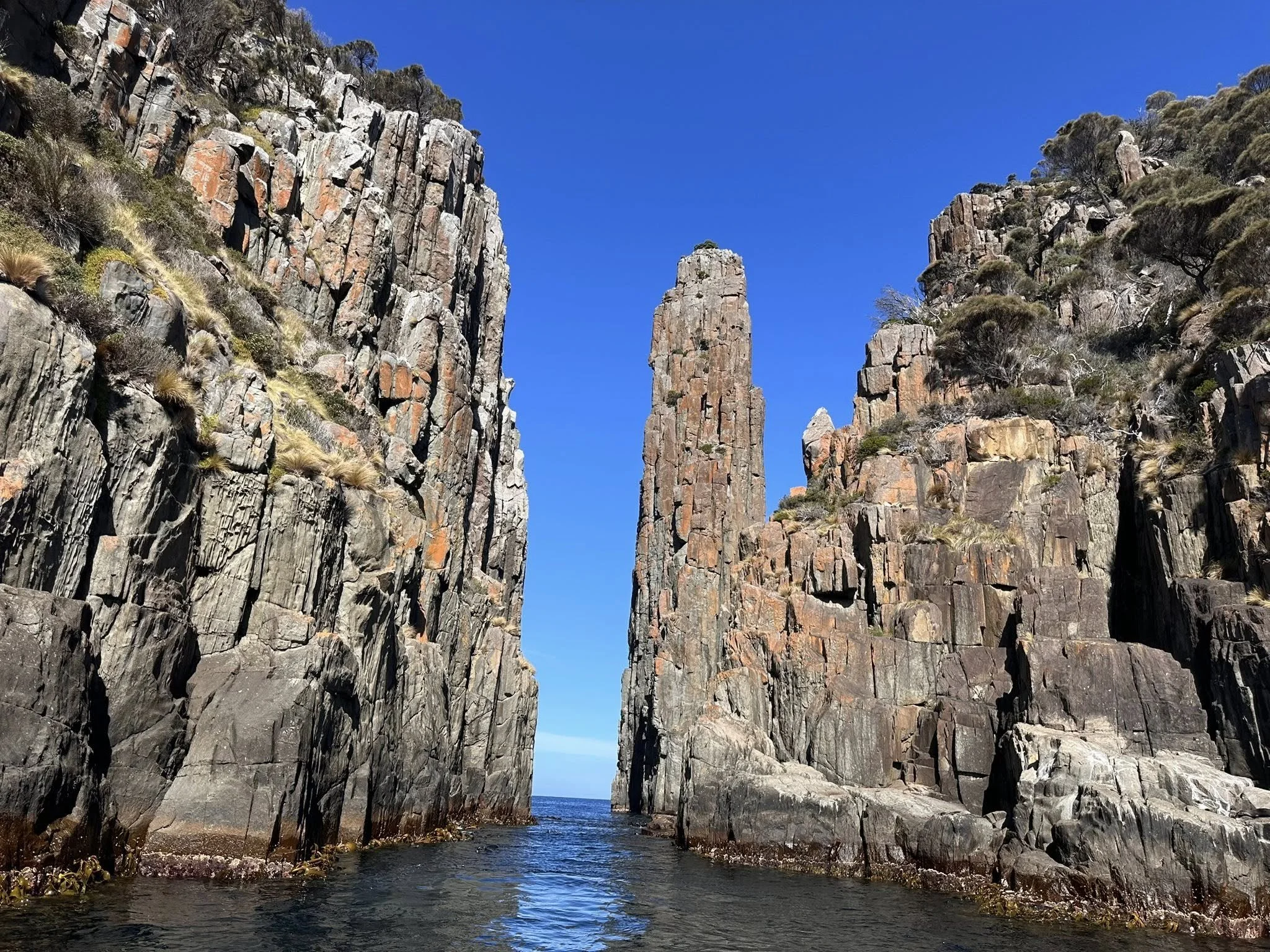
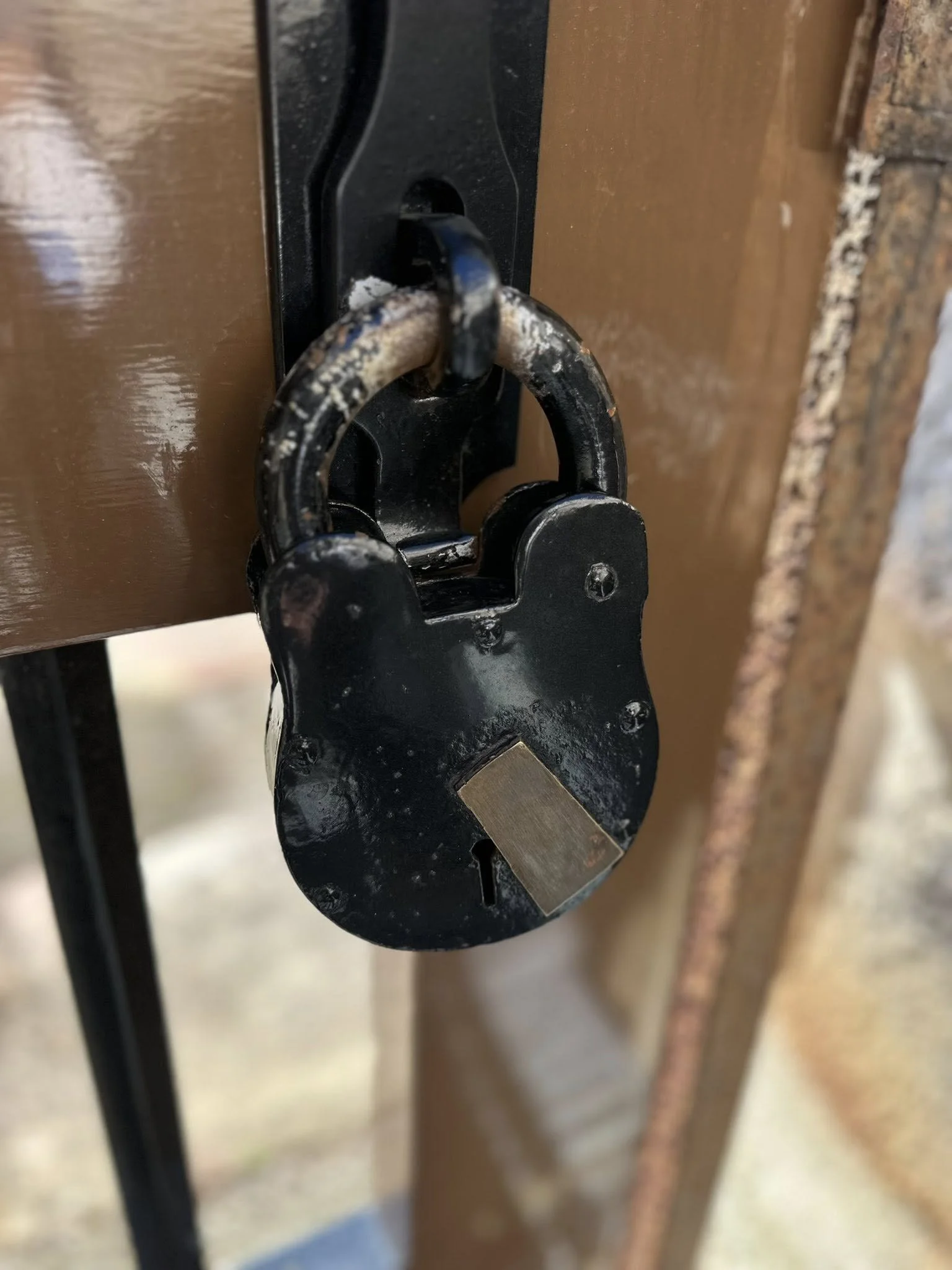
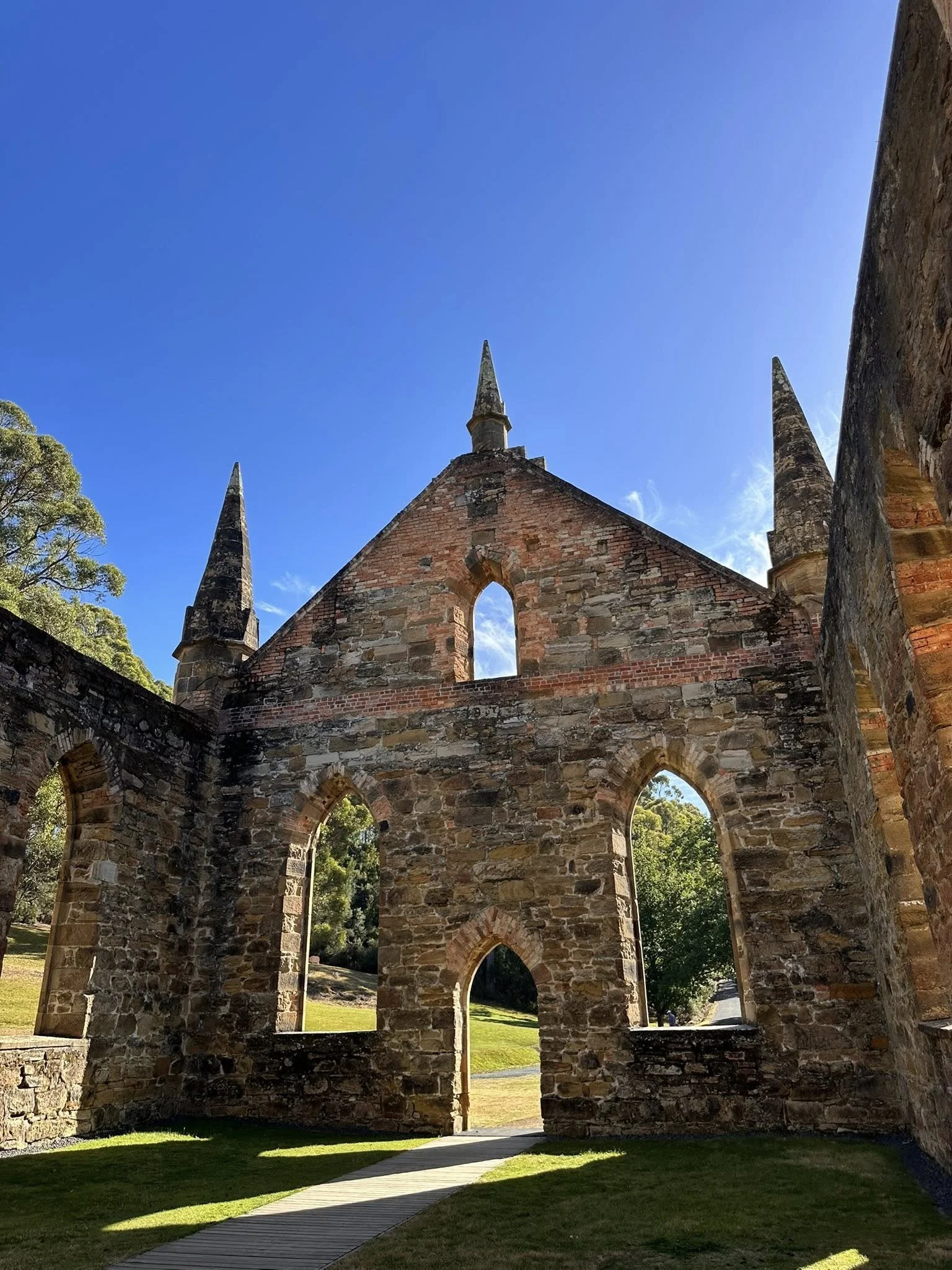
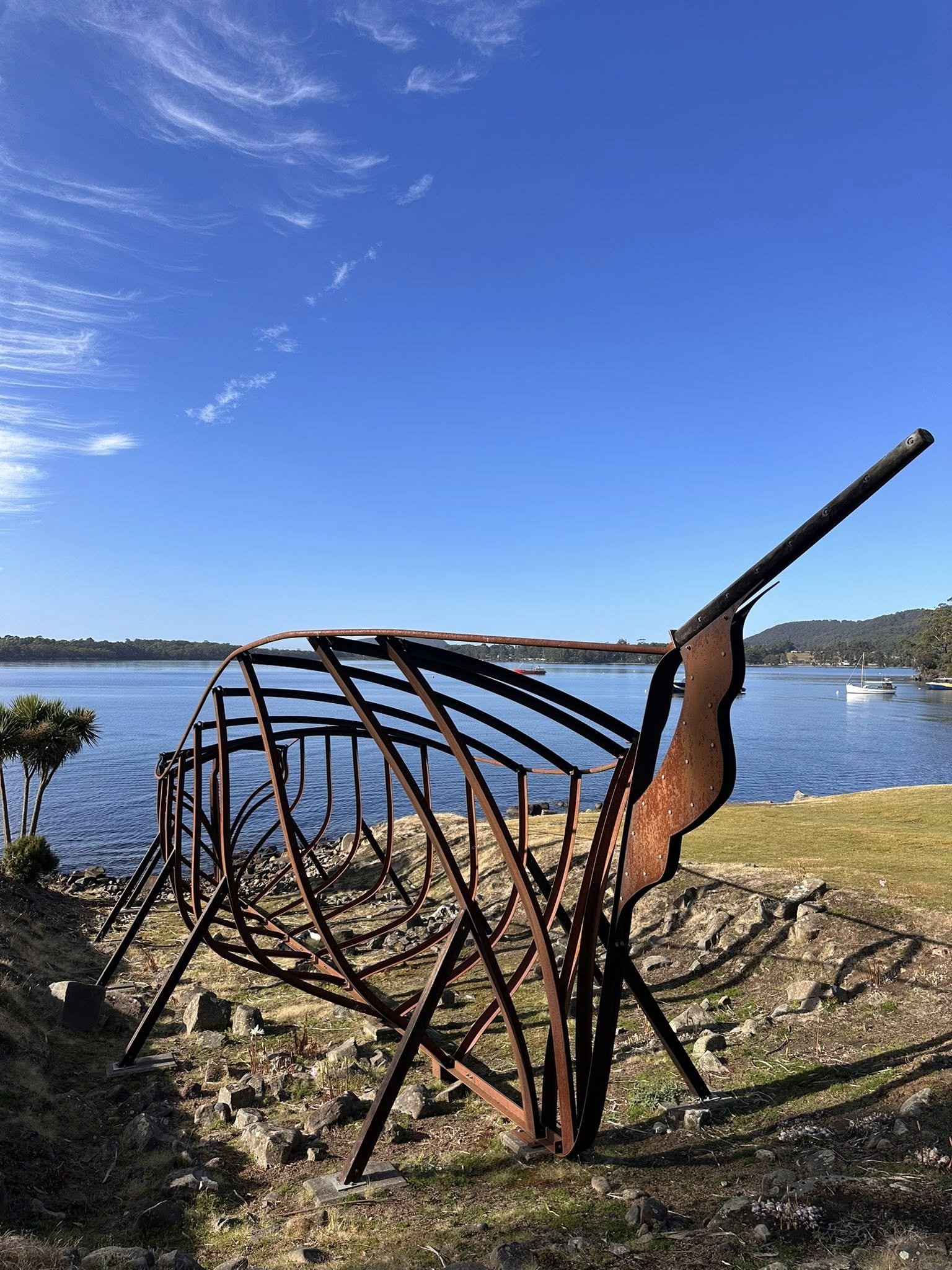
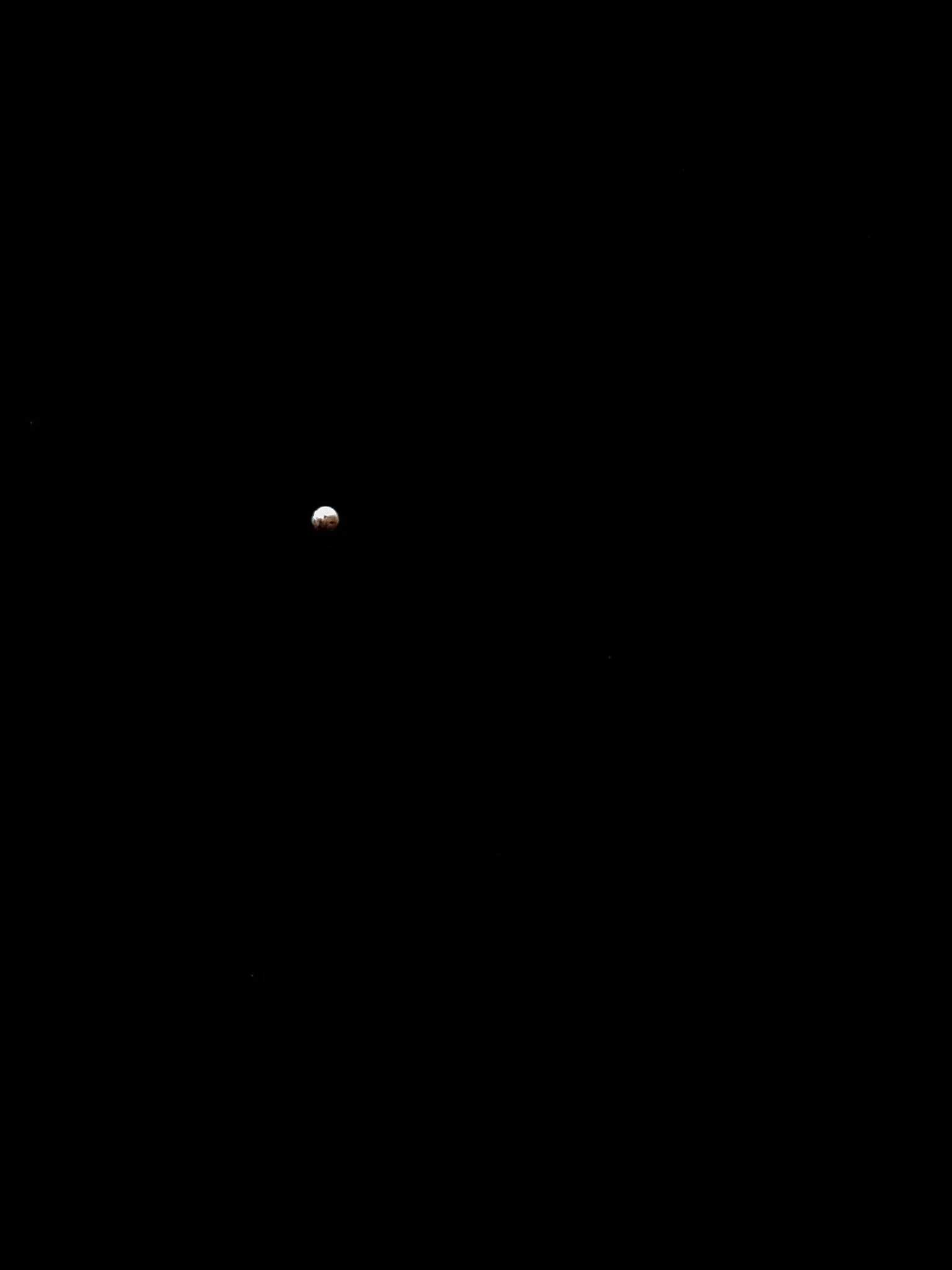
A visit to Australia’s best-preserved convict settlement and a World Heritage site; a wildlife cruise by speedboat along the dolerite cliffs of the Tasman Peninsula; and a total lunar eclipse. Doses of history, nature, and planetary alignment don’t make the bad happenings in the world go away, but they do add perspective and offer a respite and a reset. Tasmania, Australia
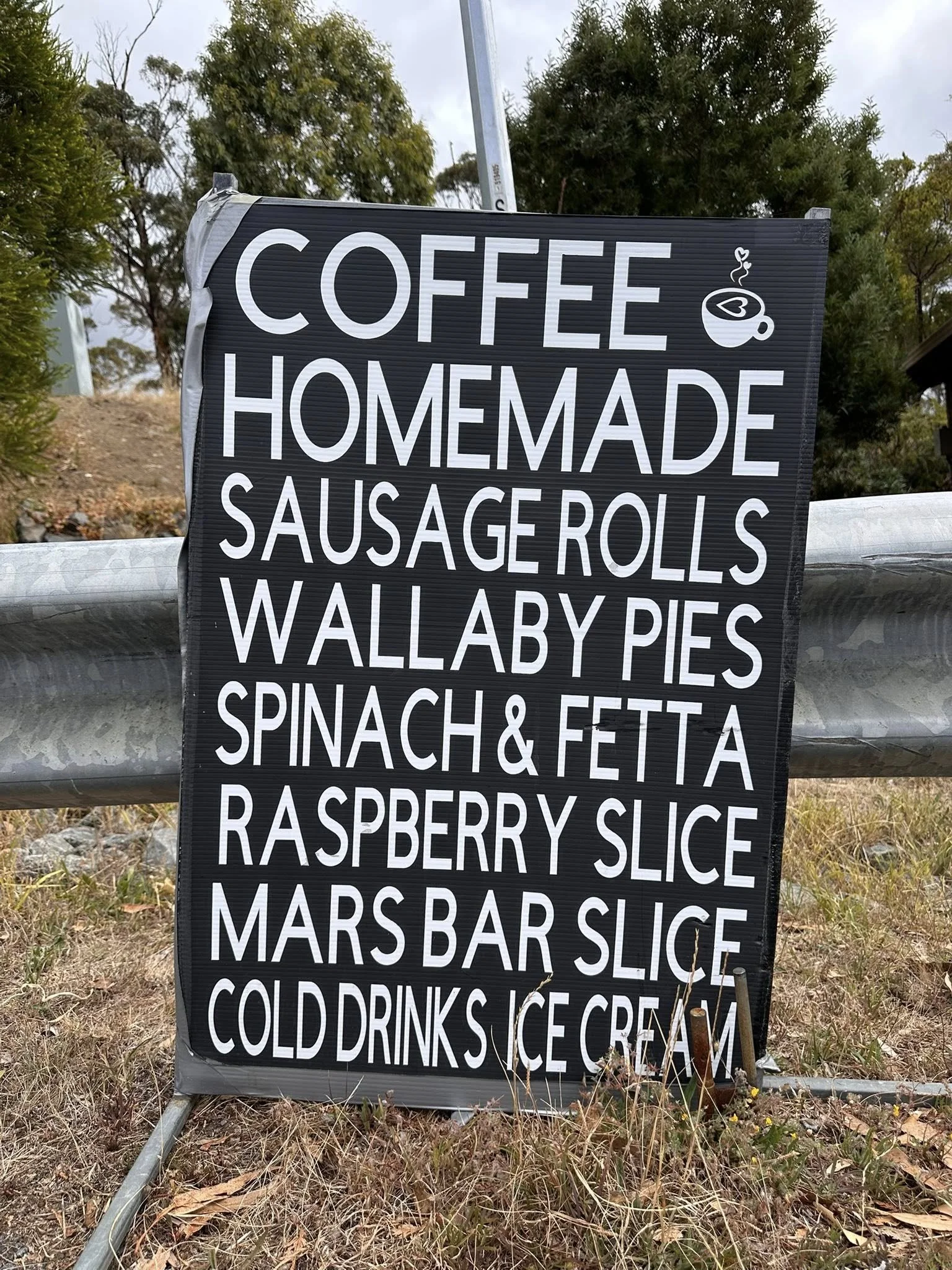
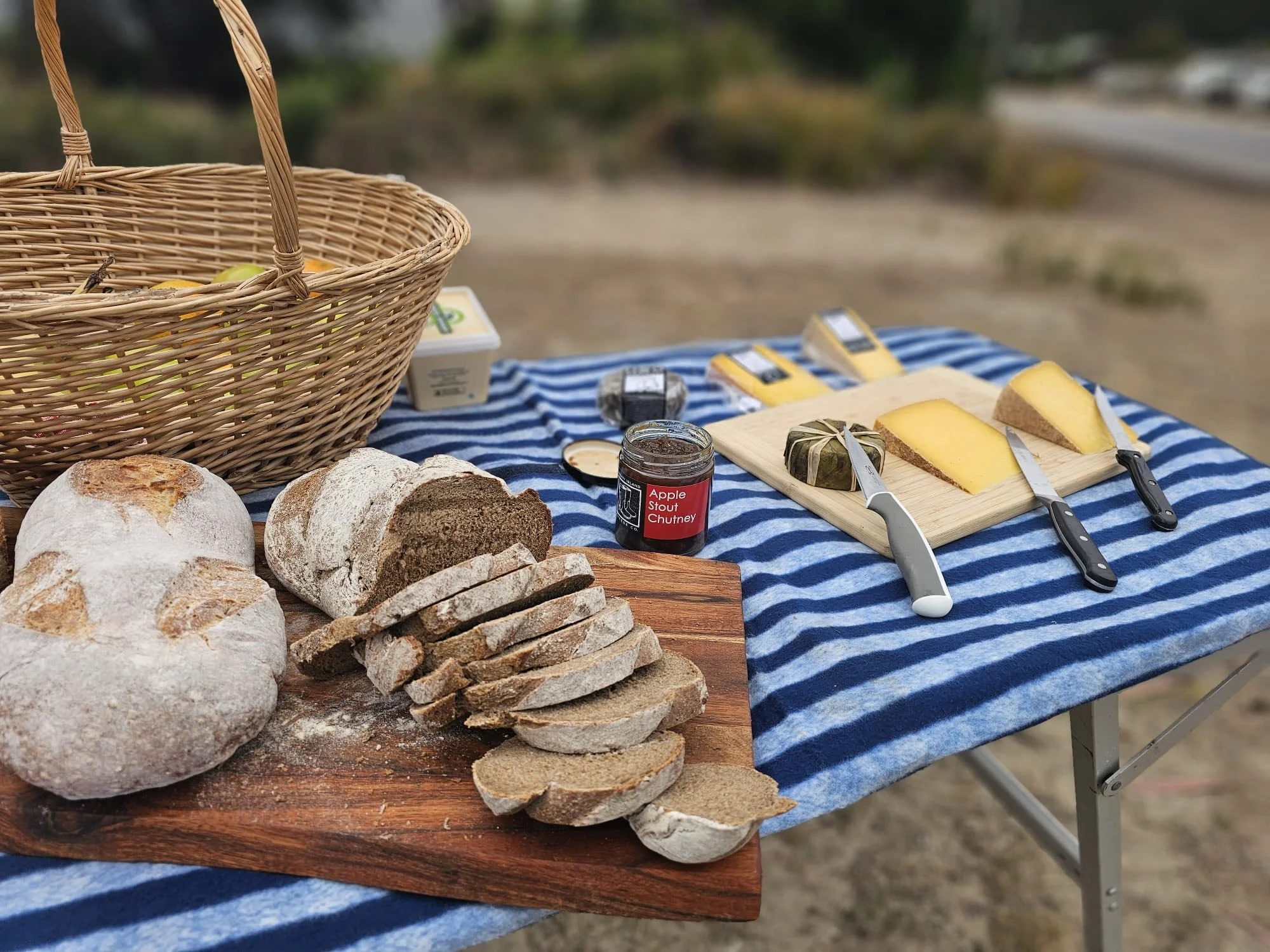
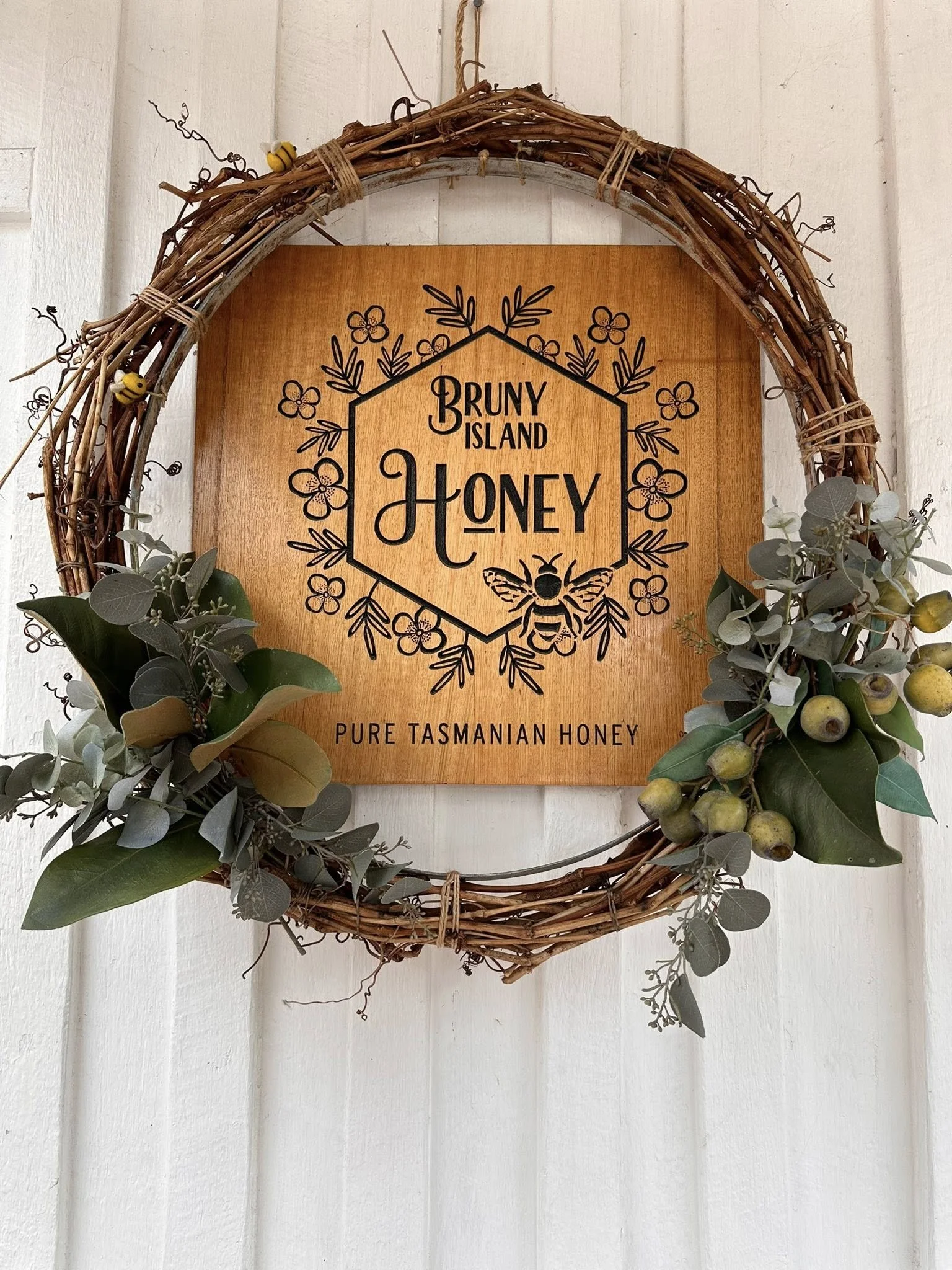
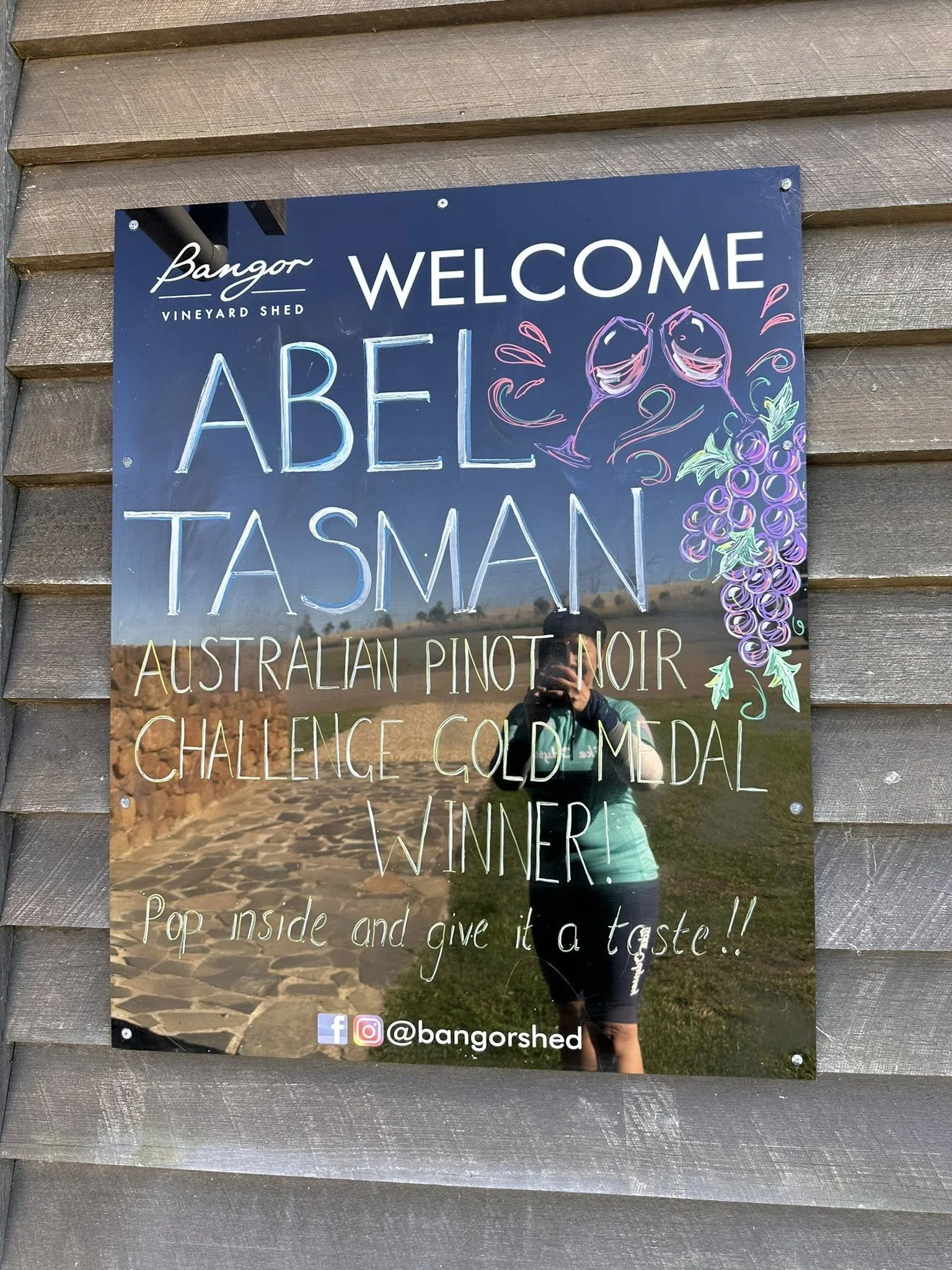
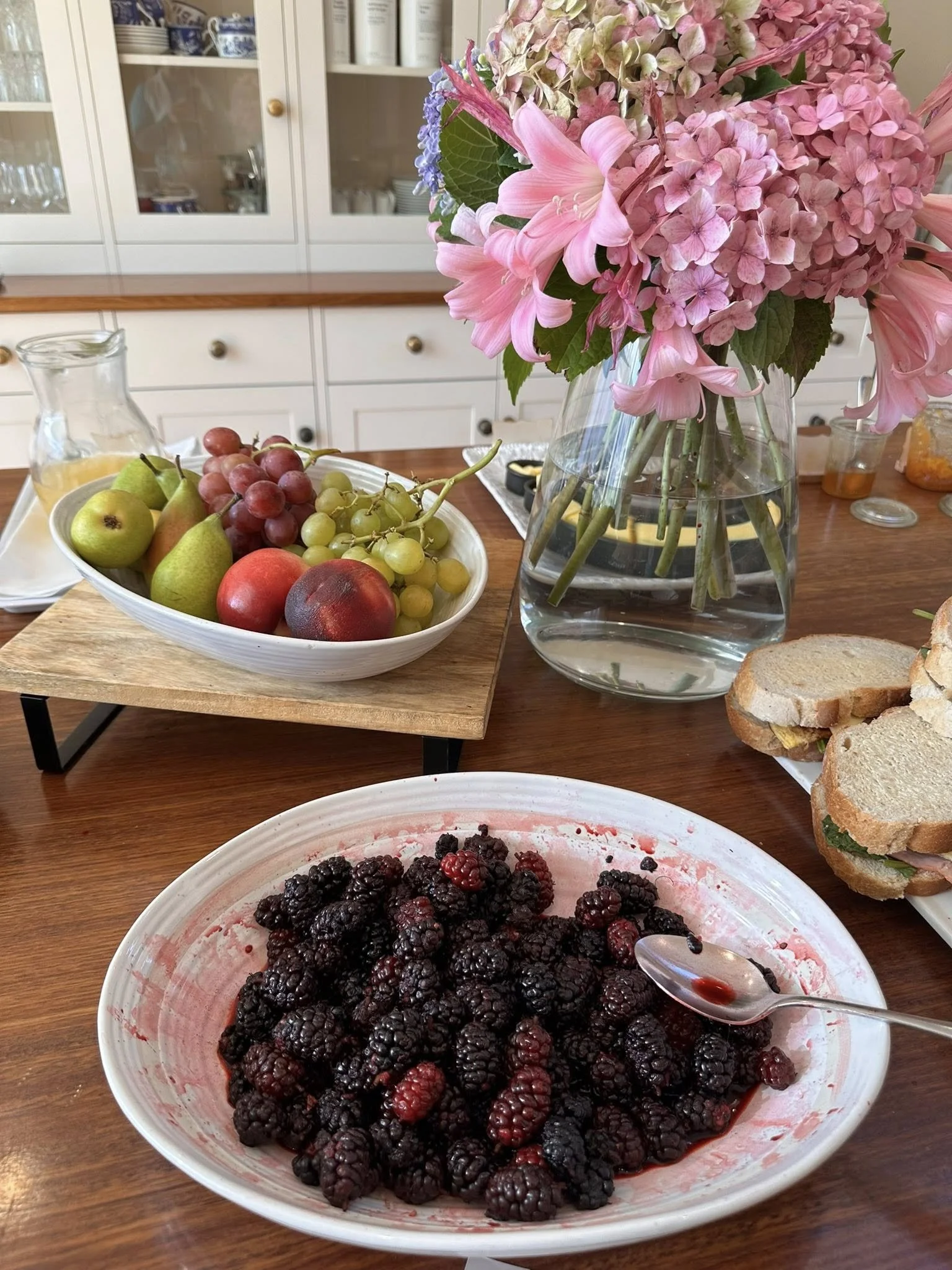
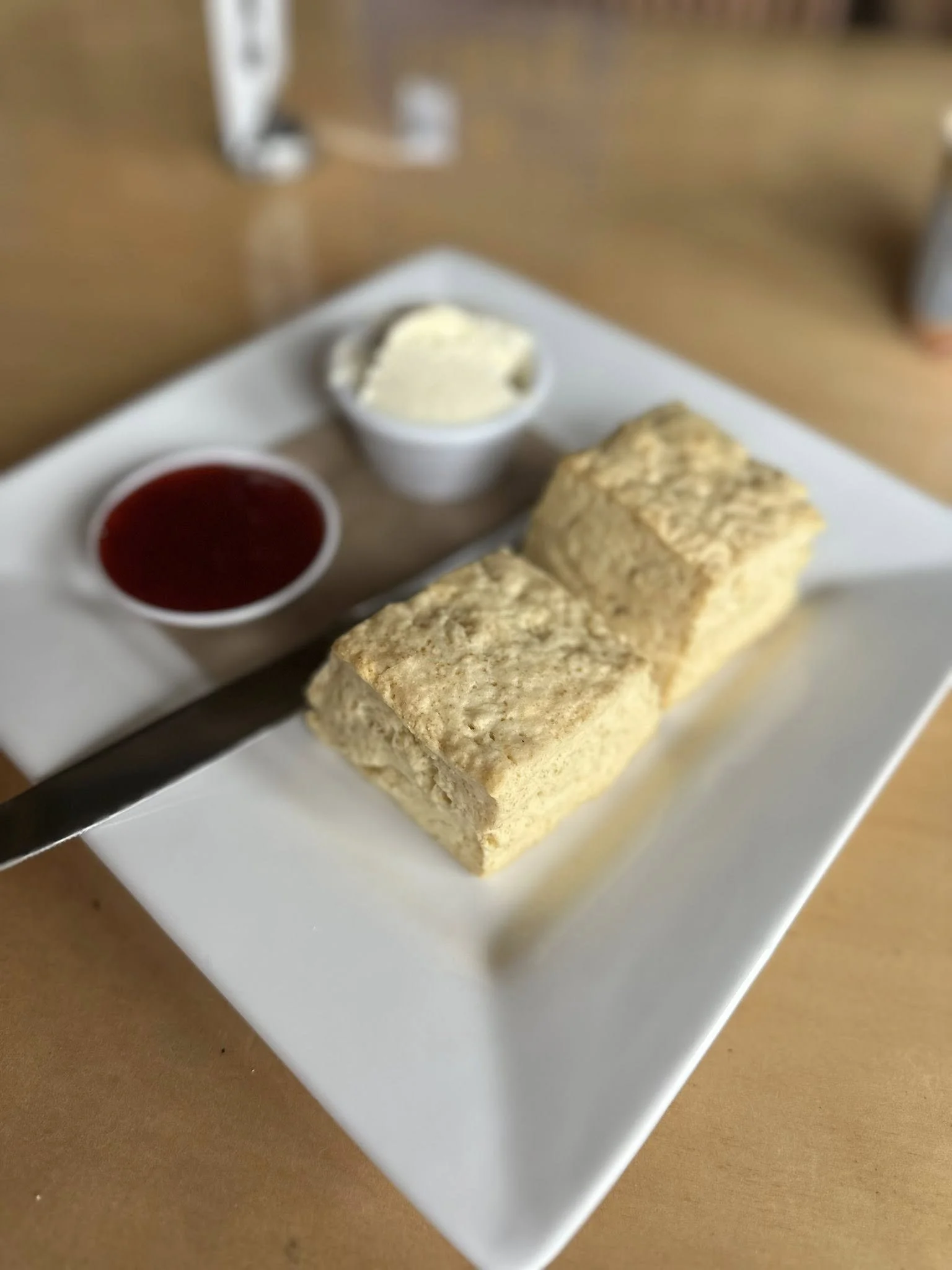
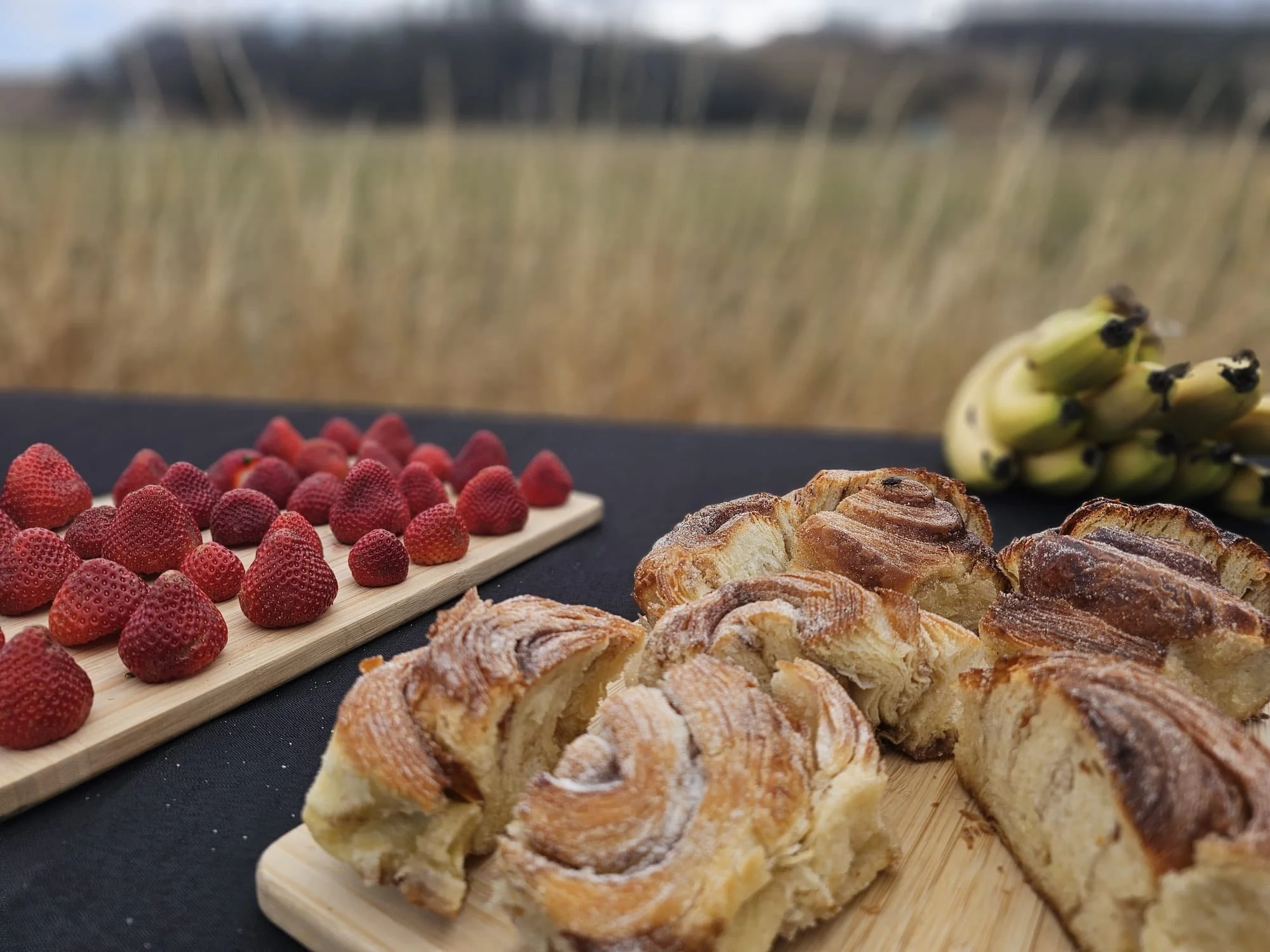
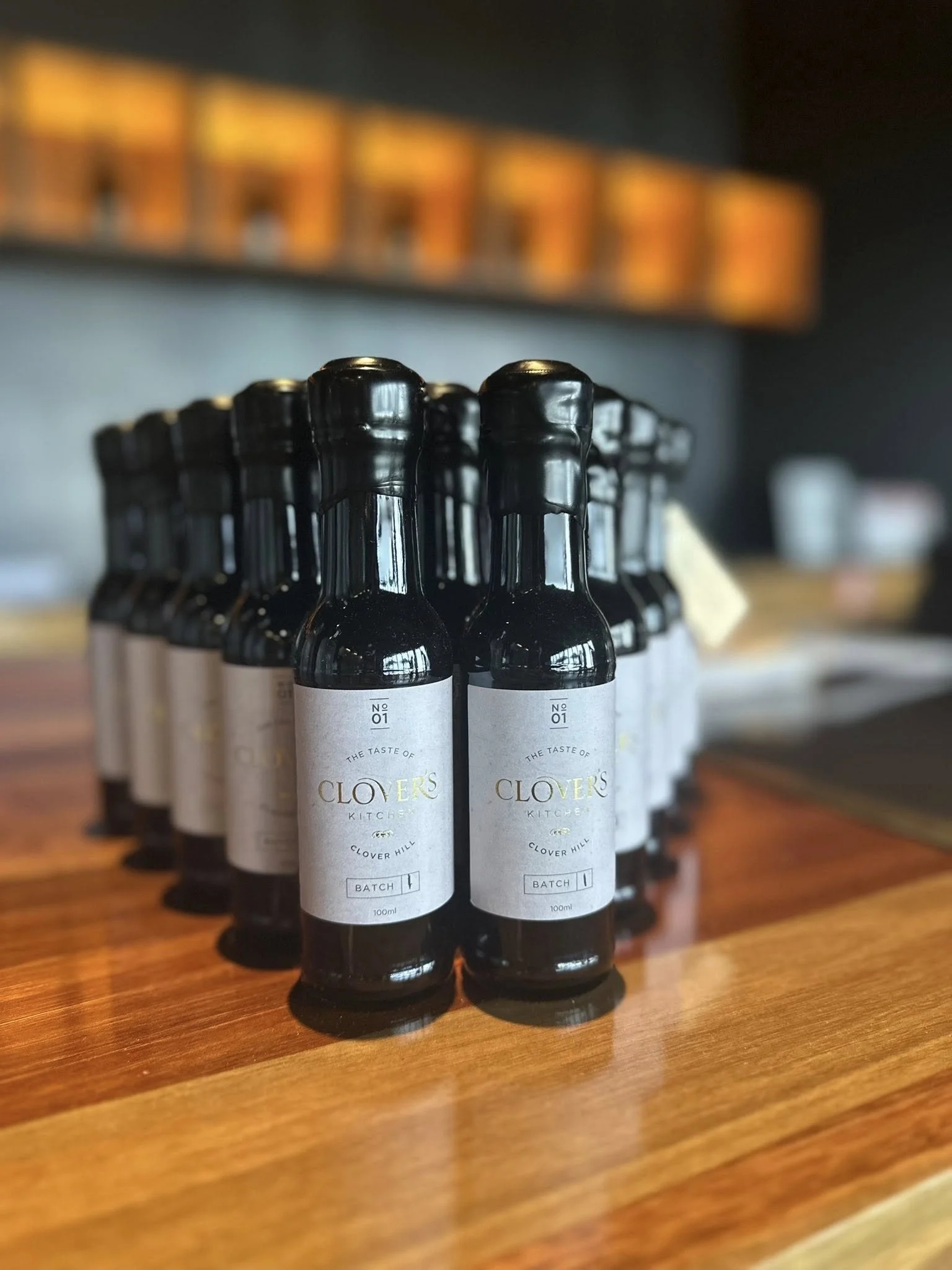
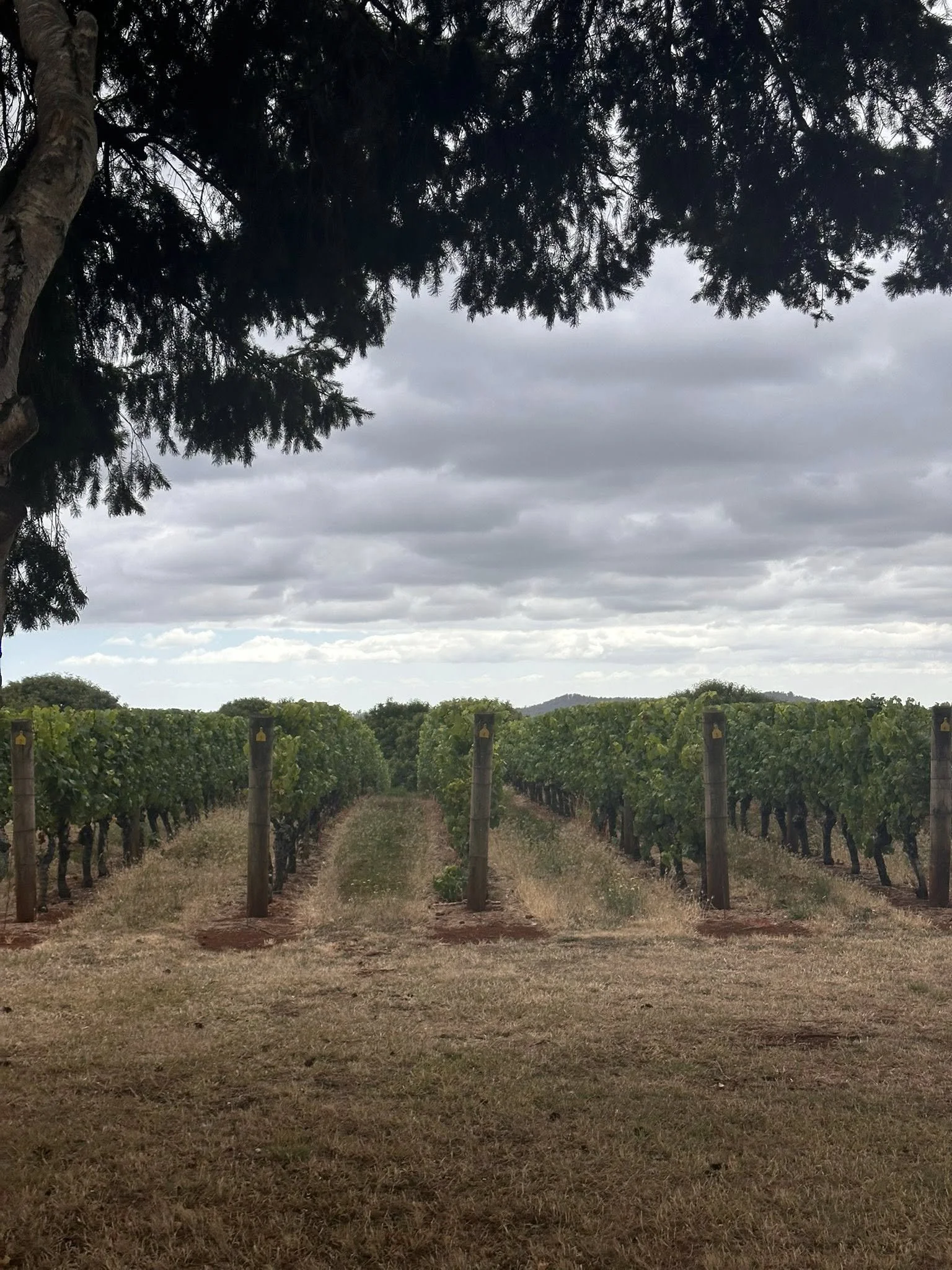
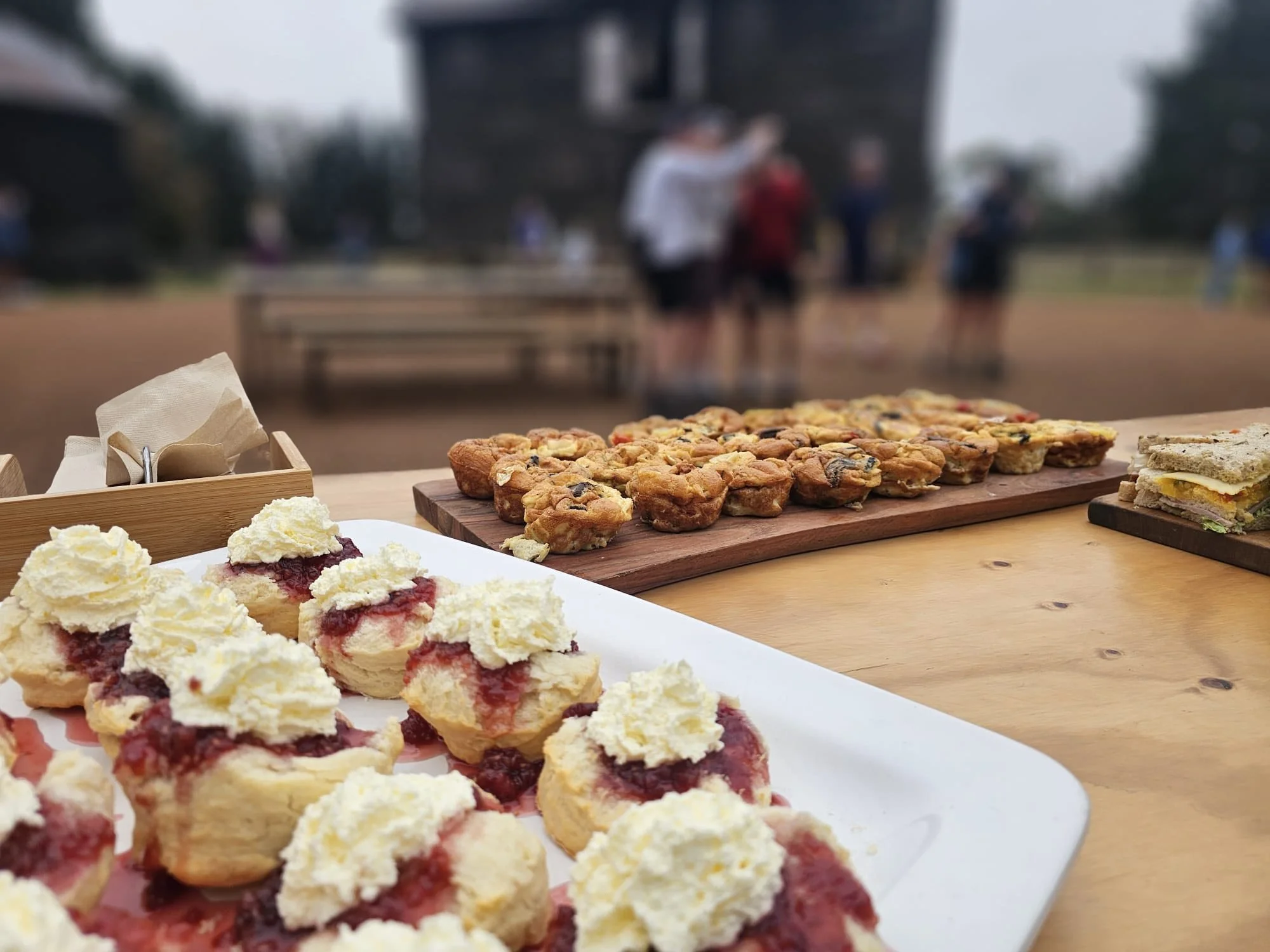
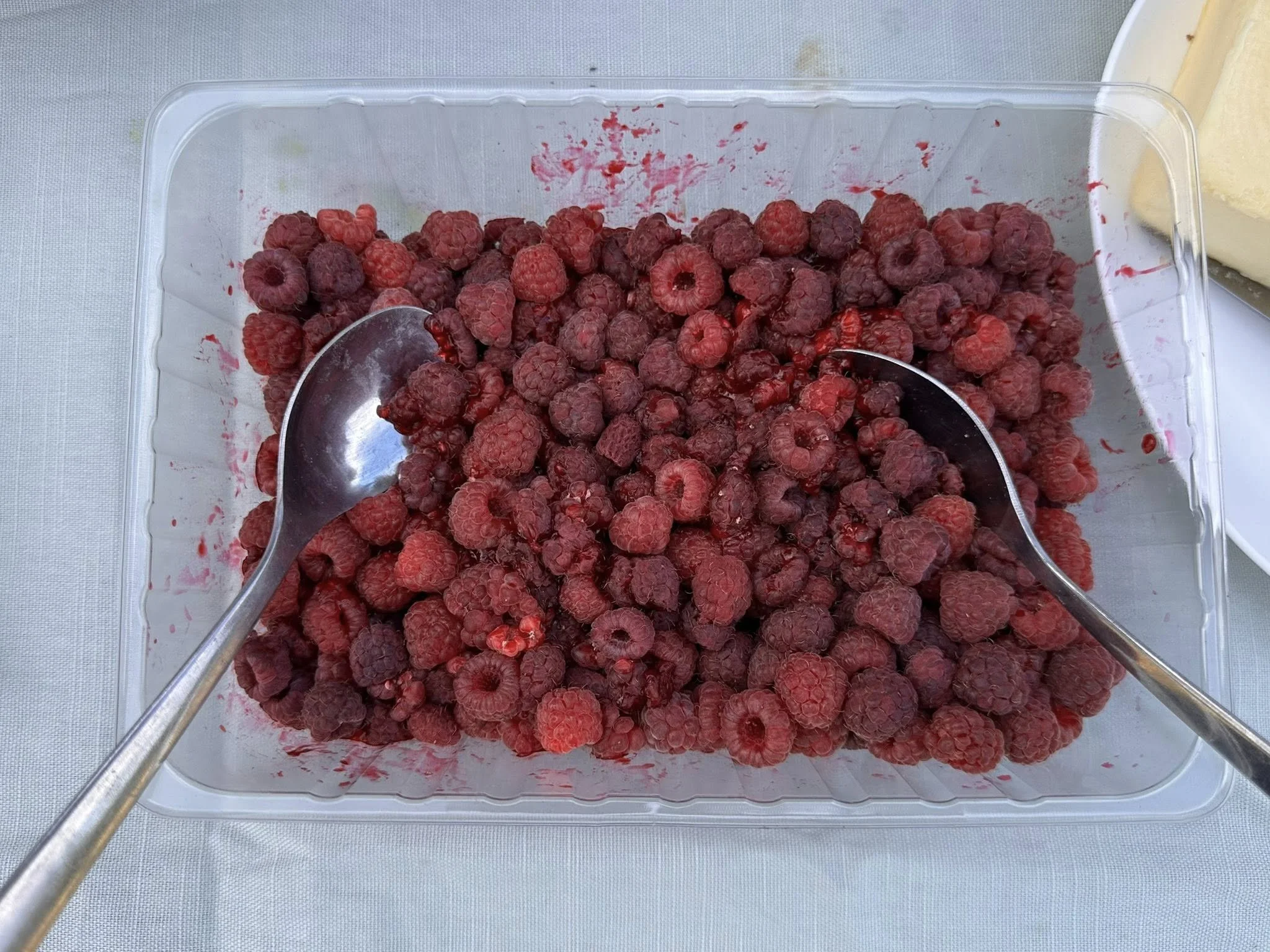
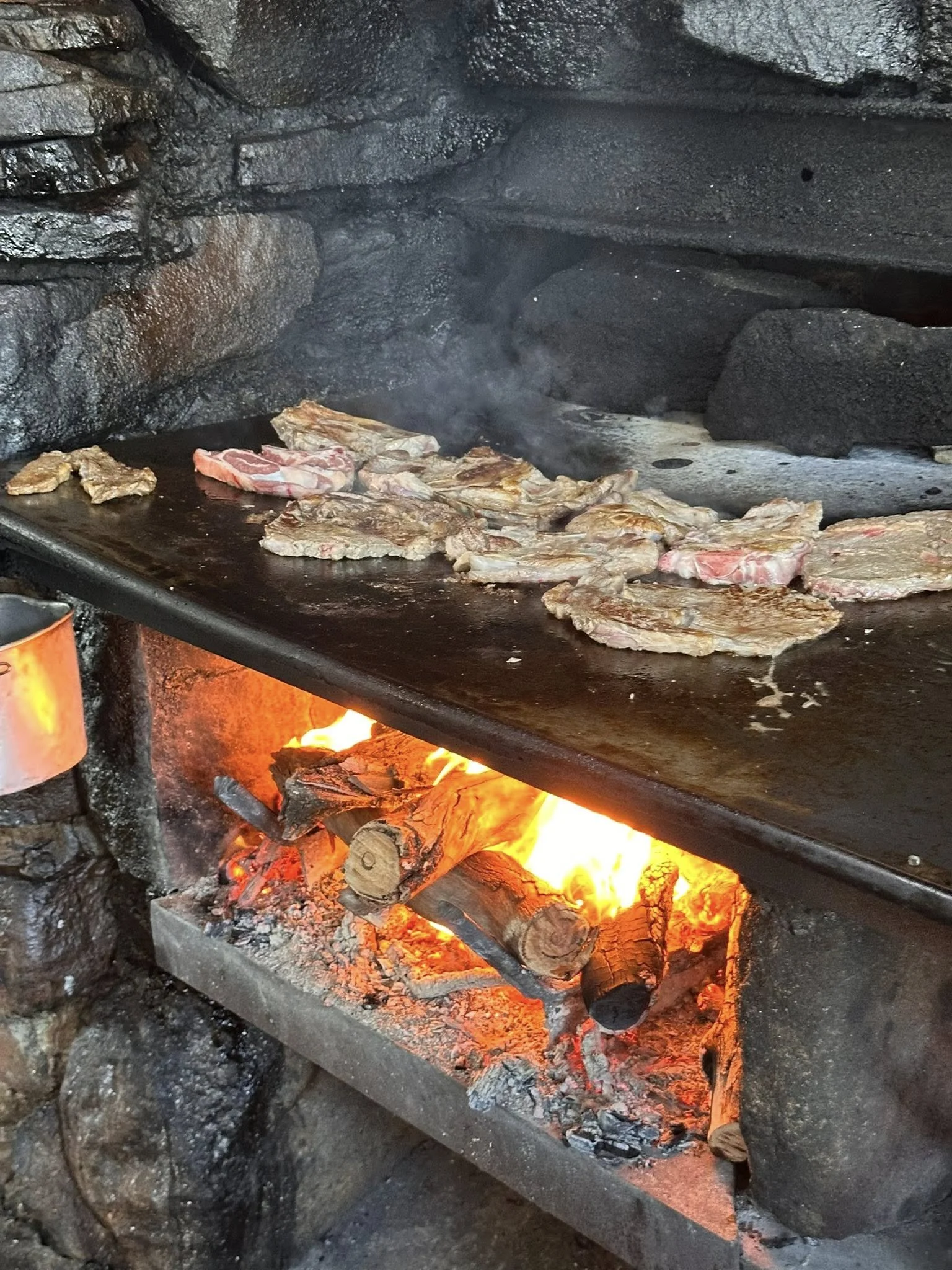
Food island: Leatherwood honey, buttery oysters, raw-milk cheeses, tender lamb, fresh stone fruits, cool-climate wines. Tasmania’s food culture emphasizes sustainable practices and farm-to-table dining.
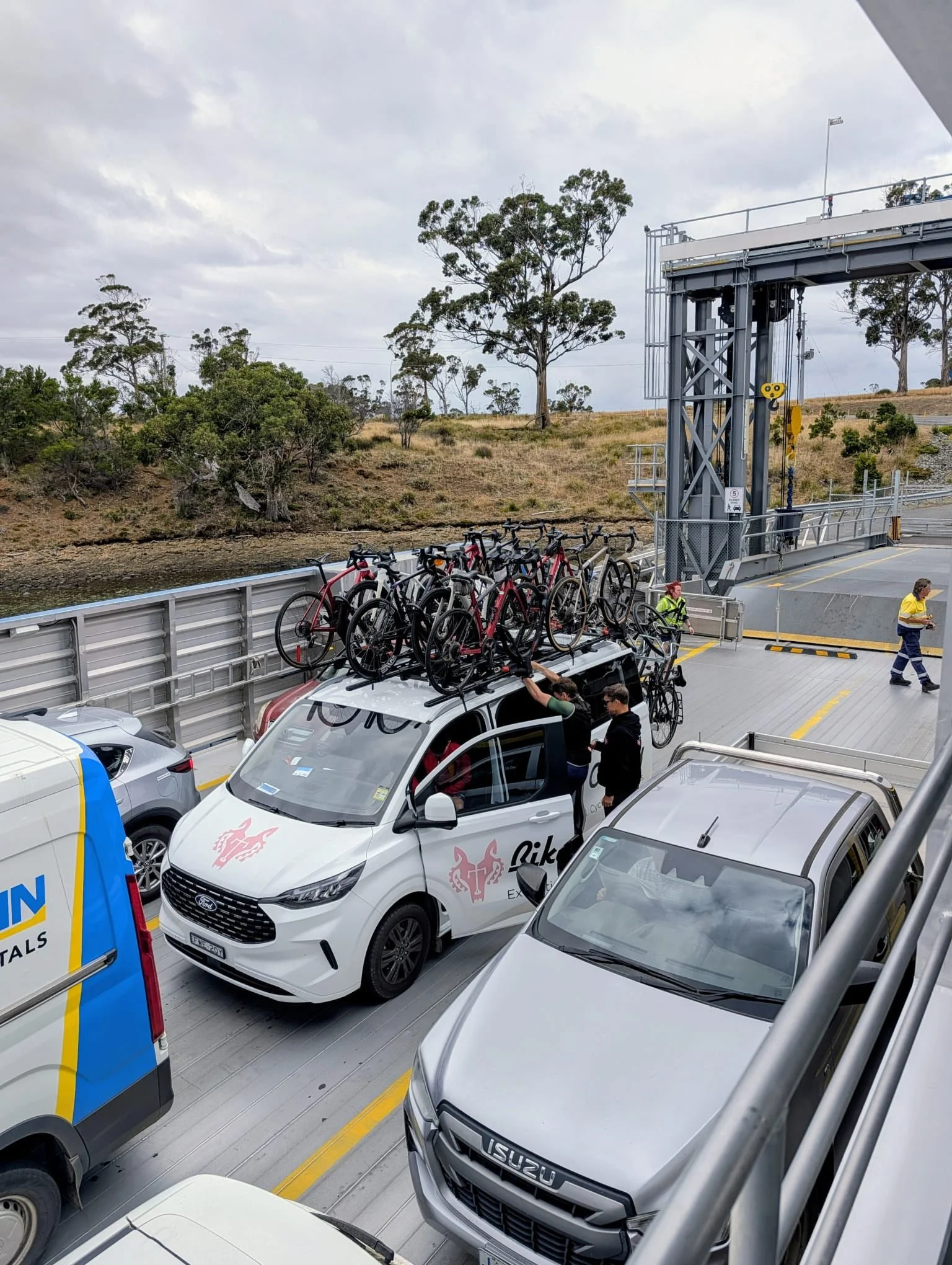
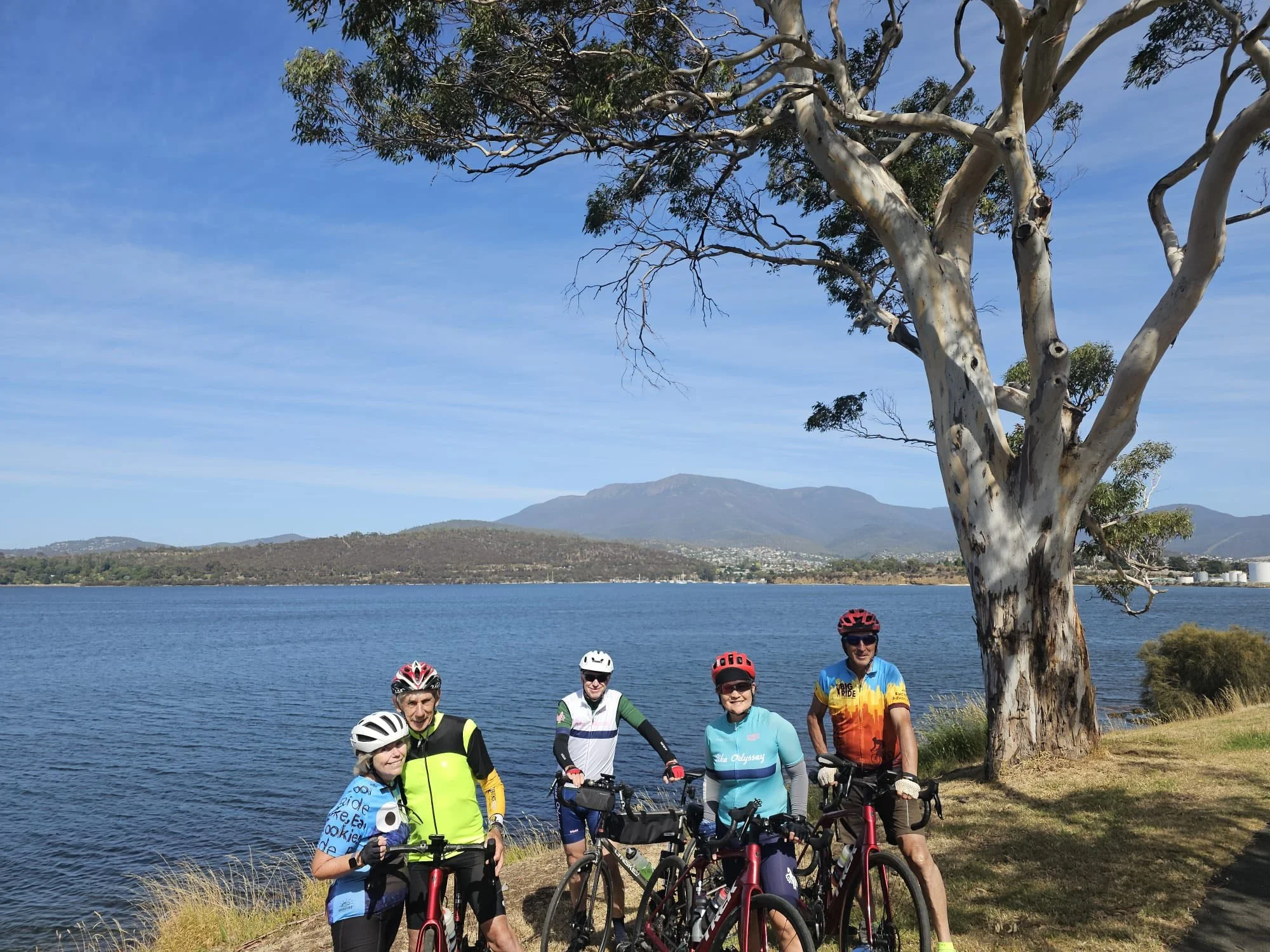
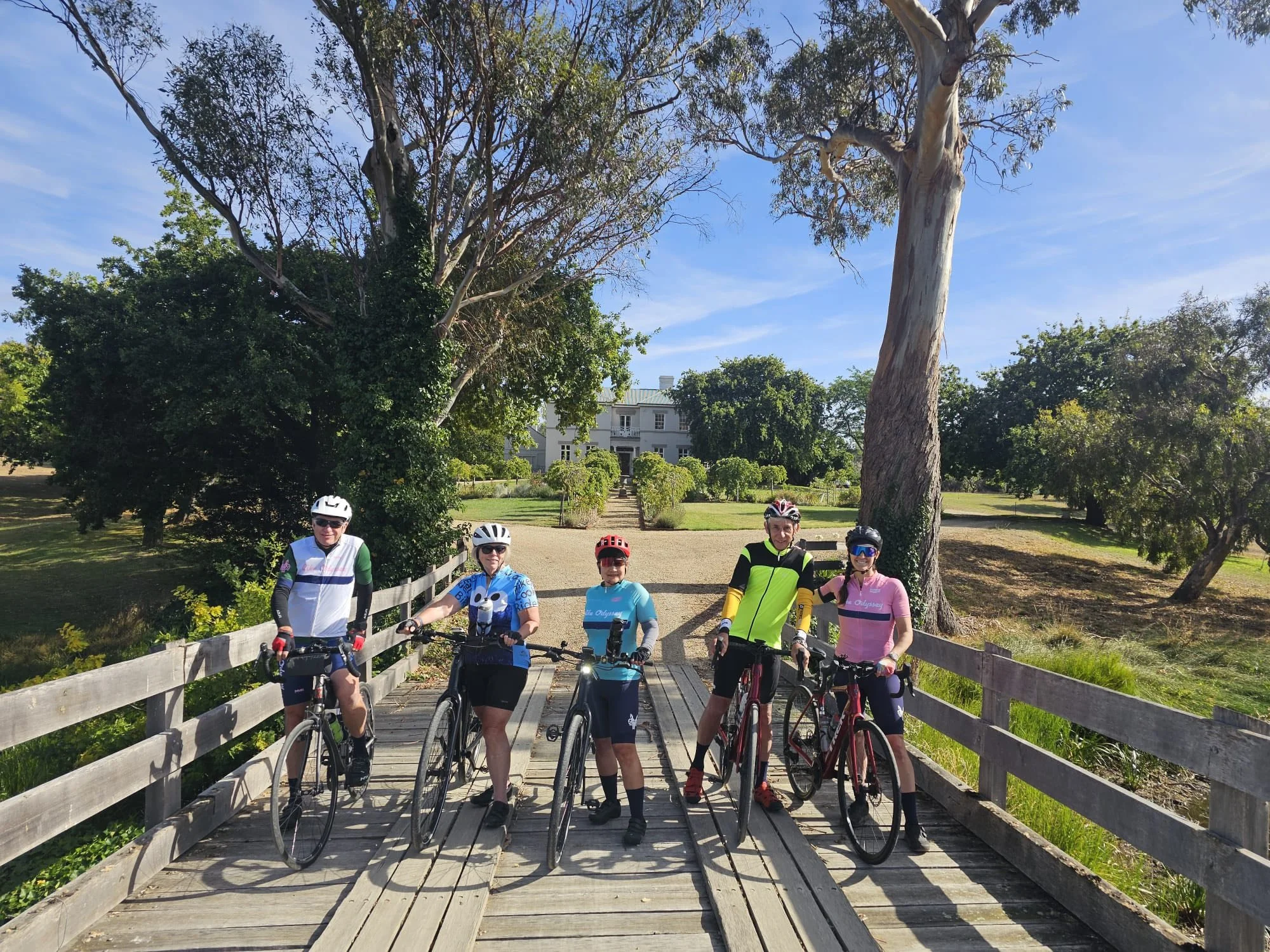
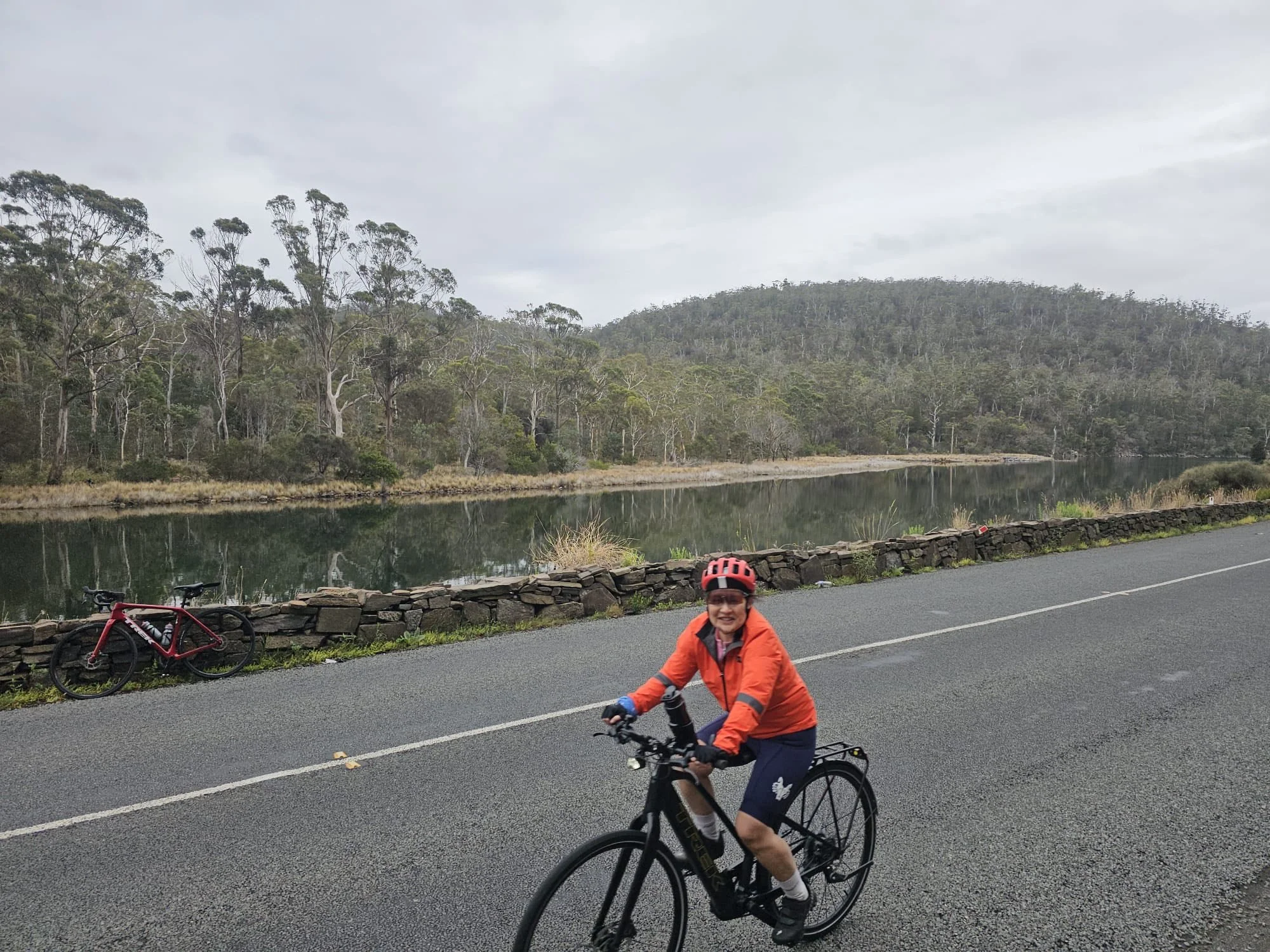
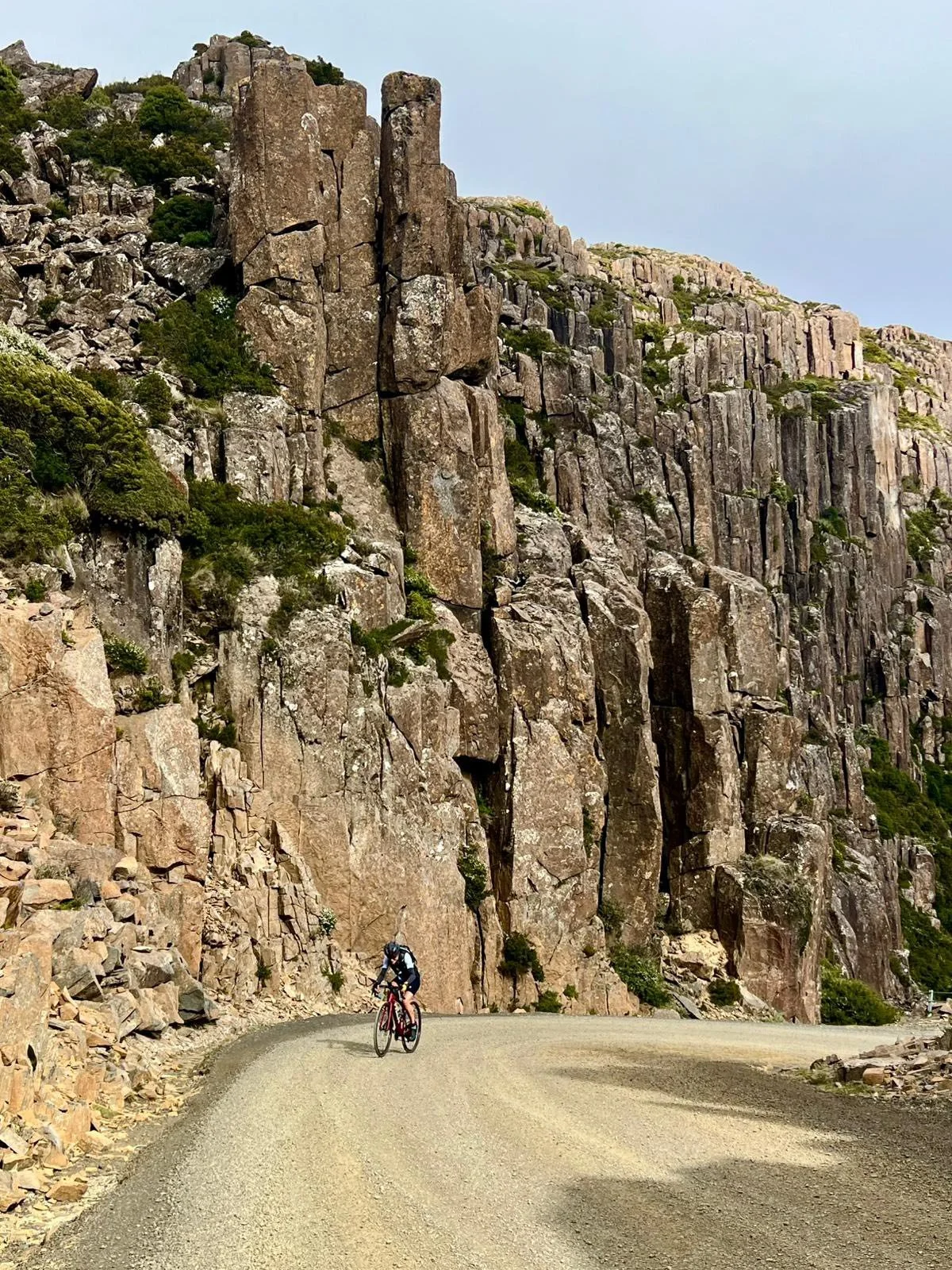
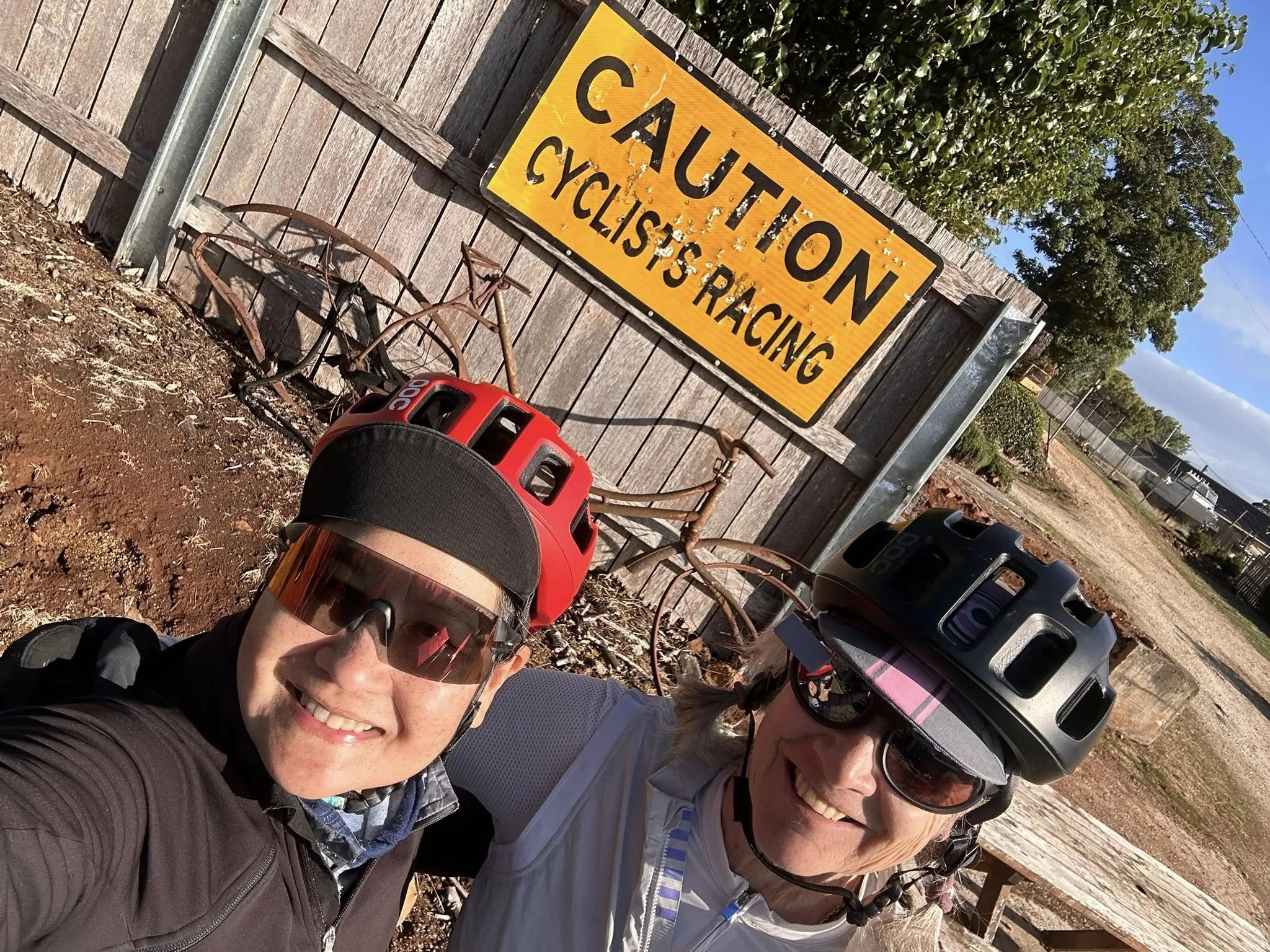
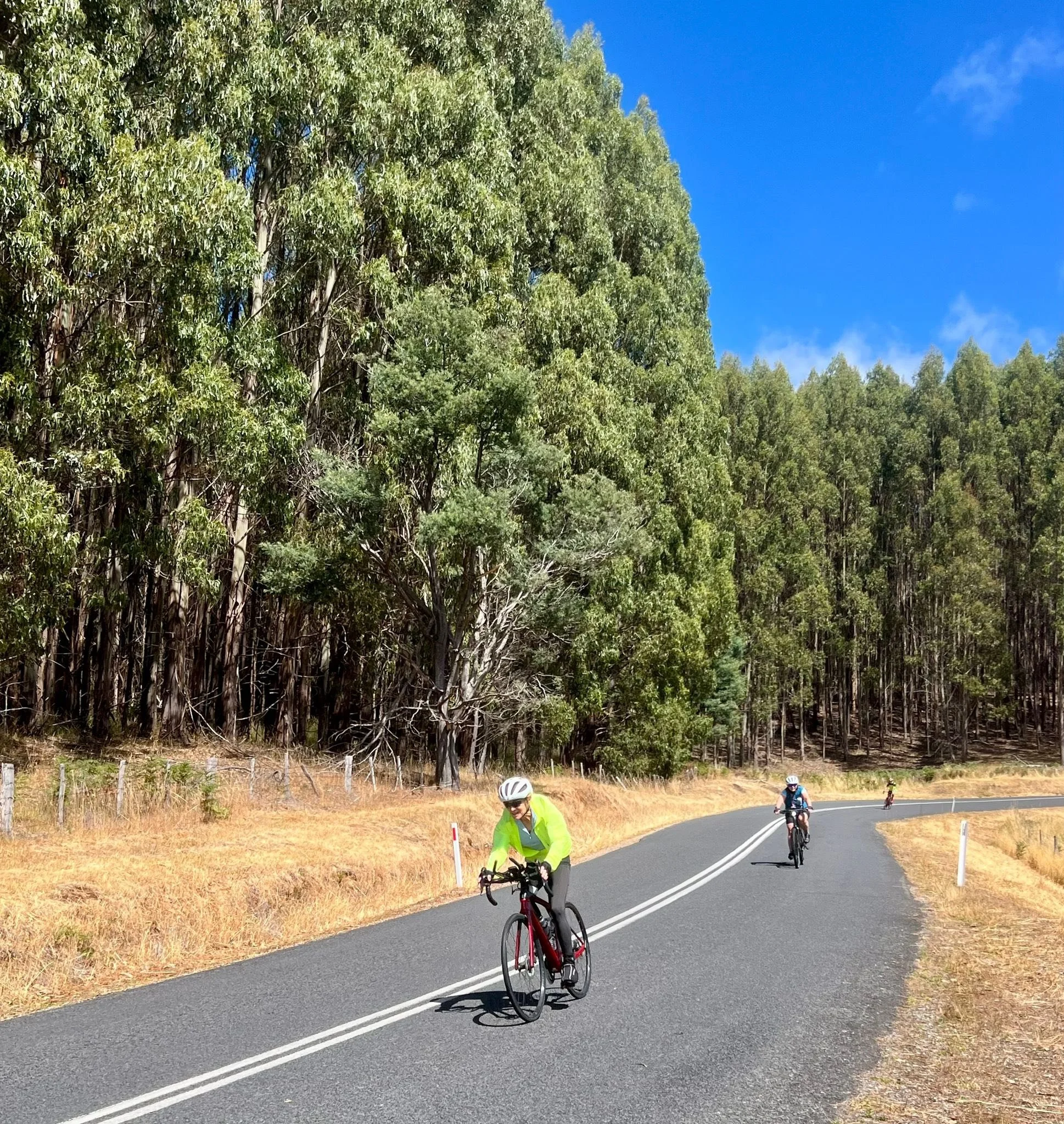
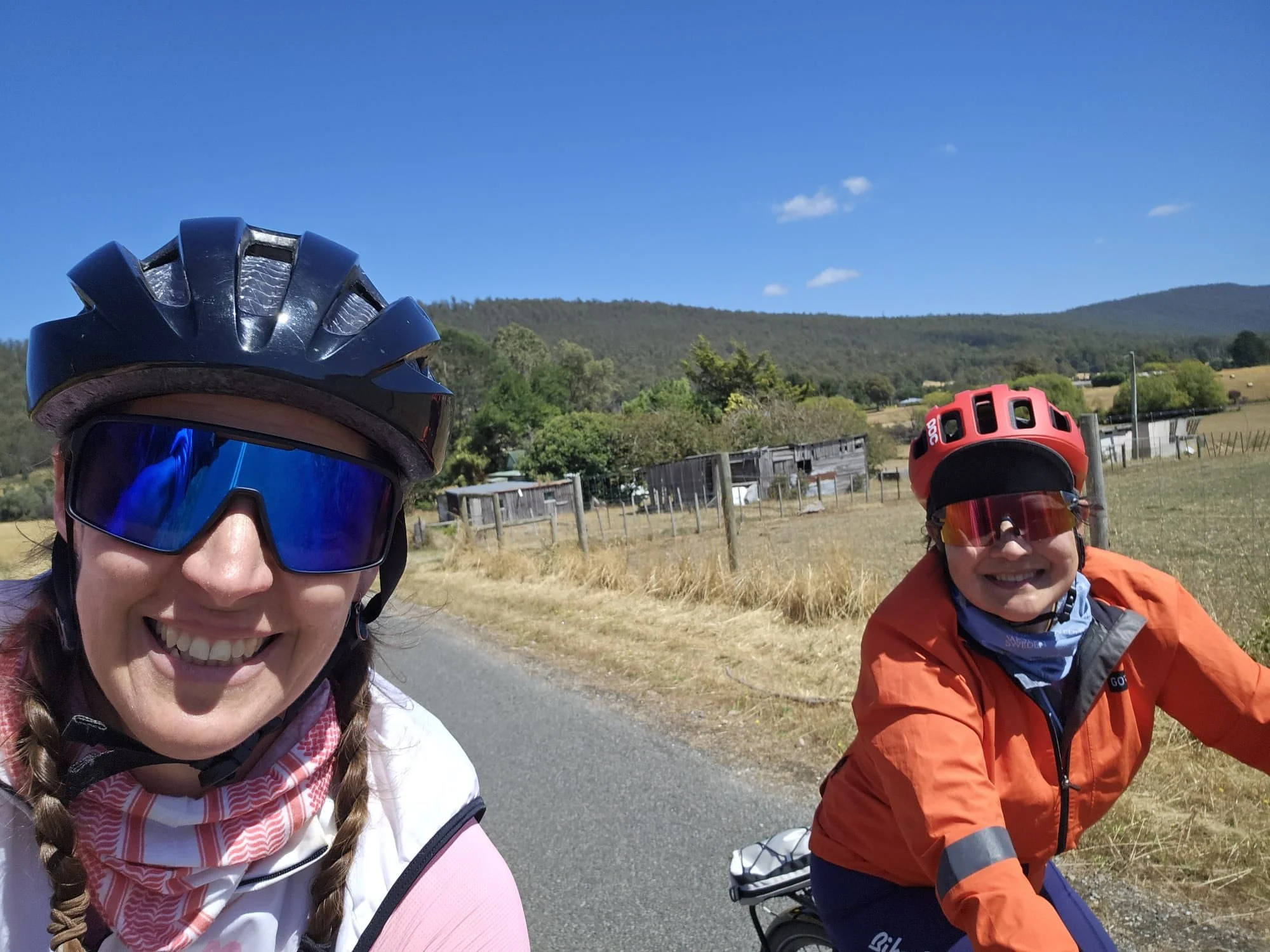
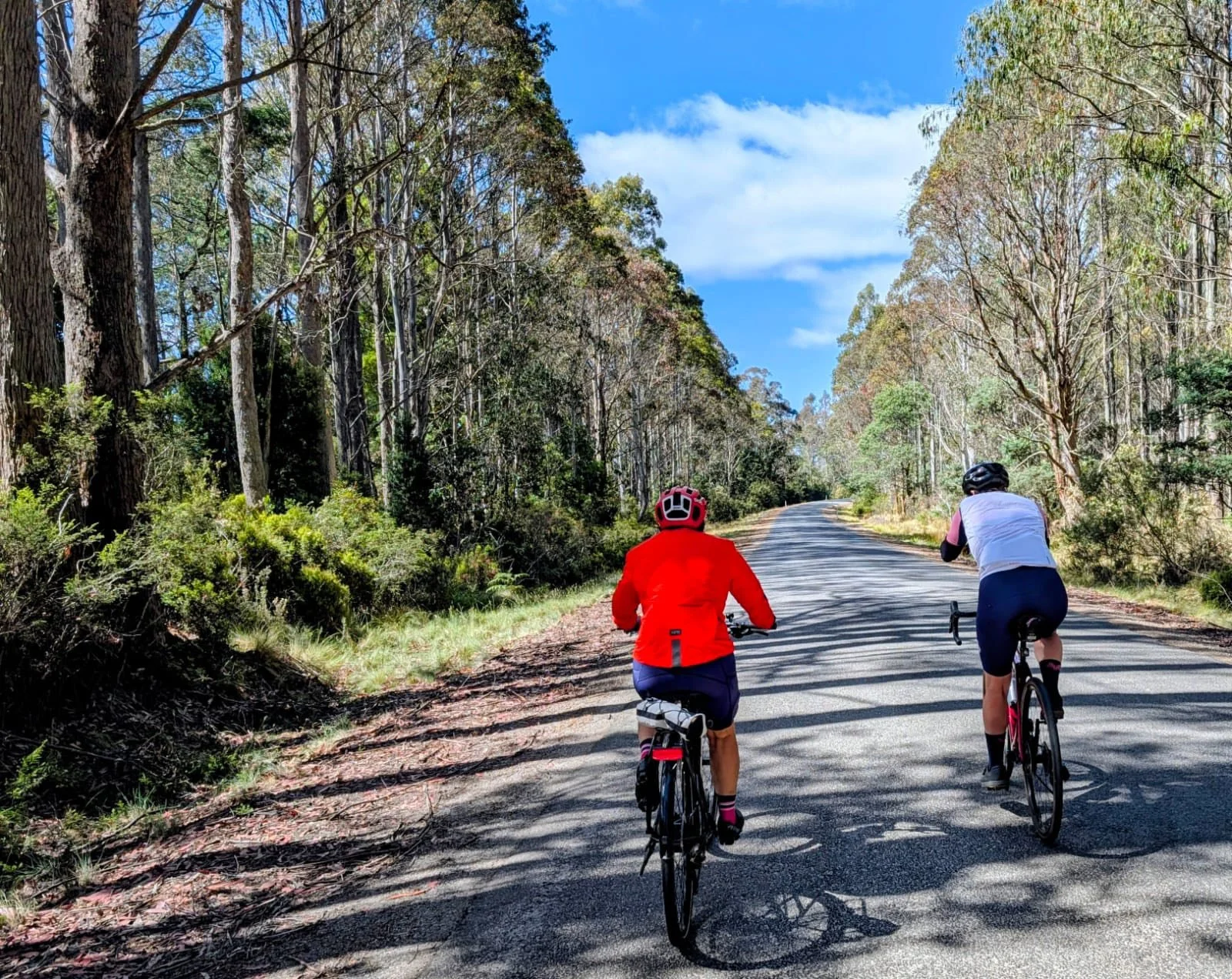
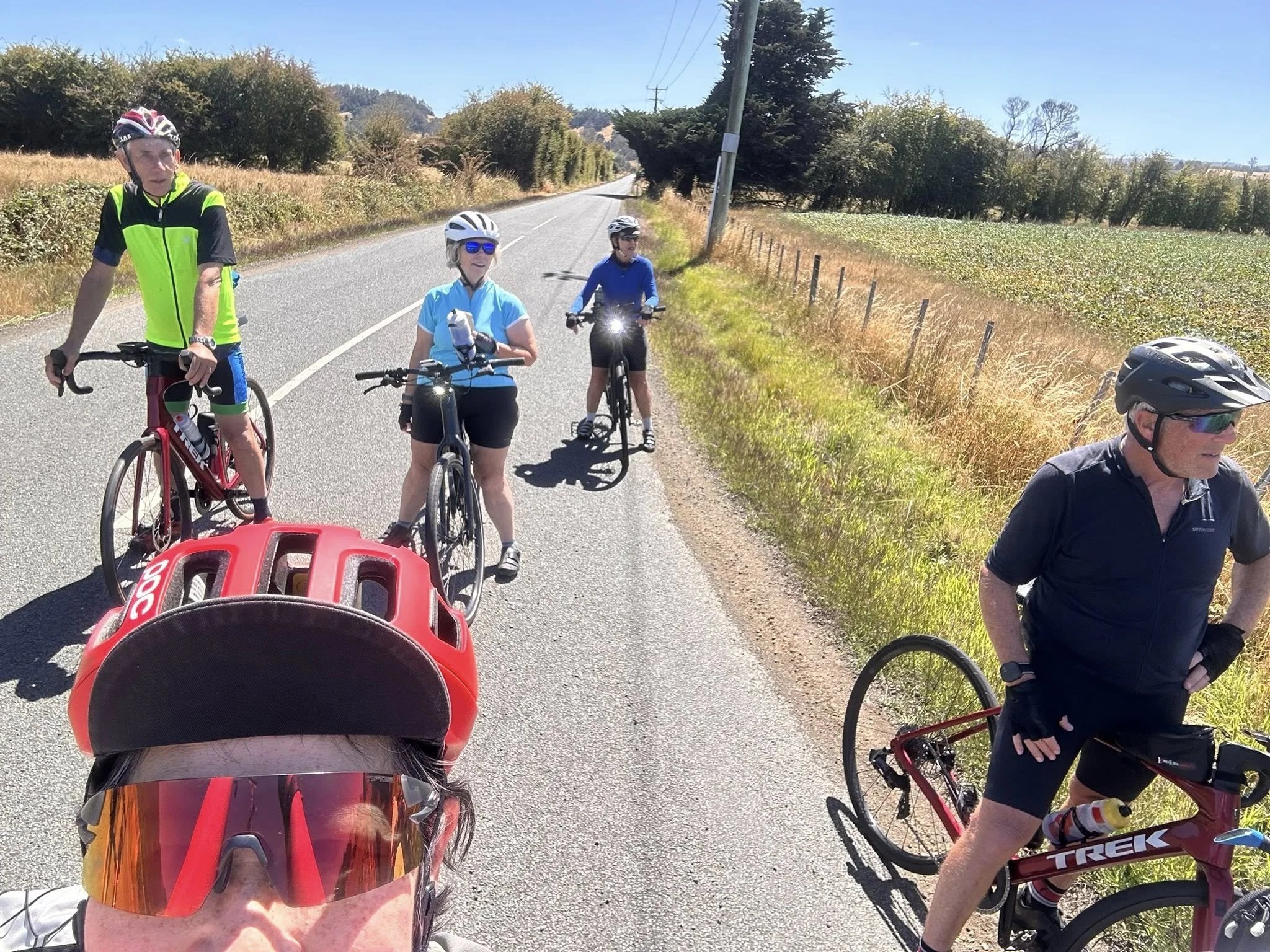
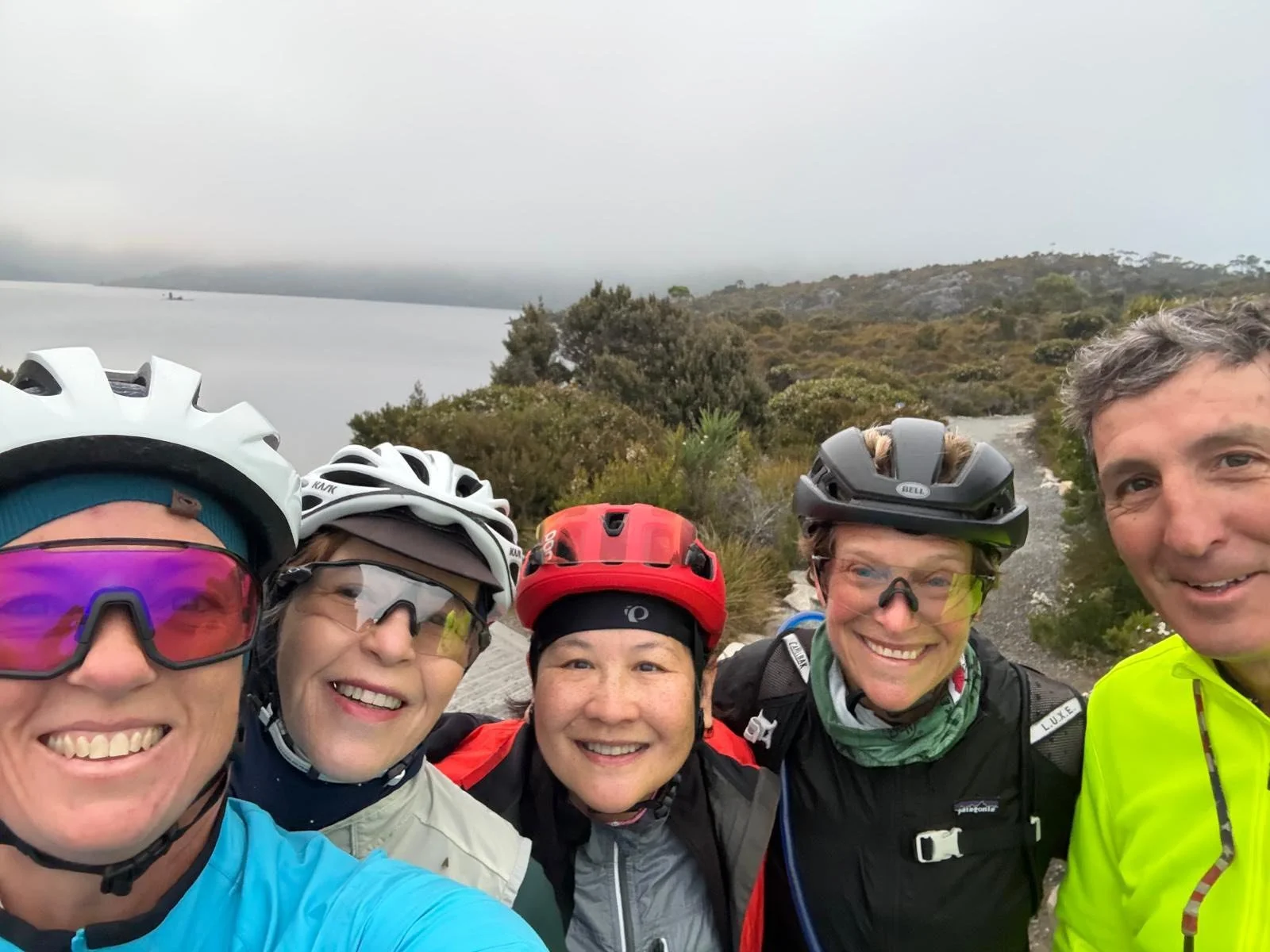
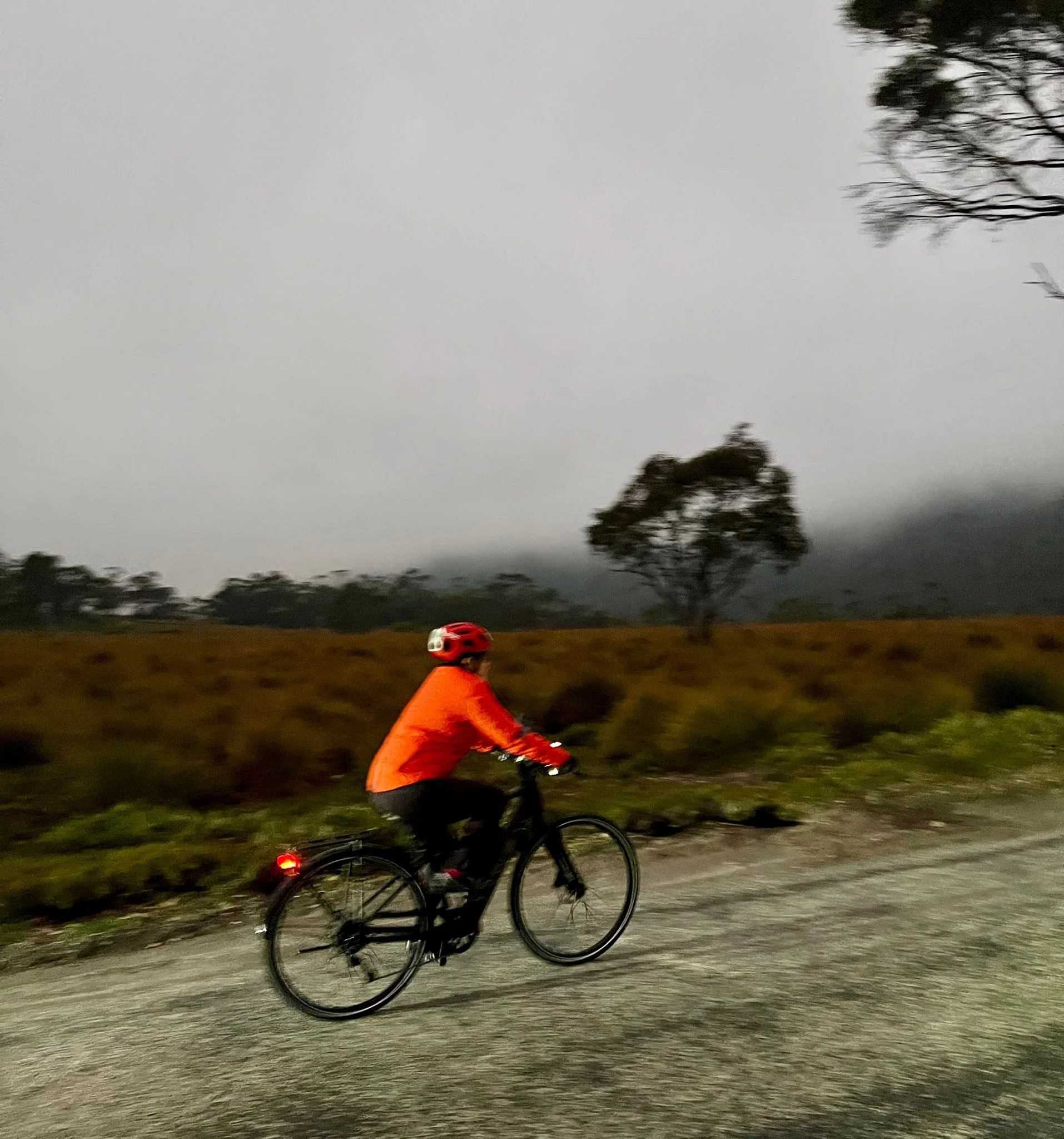
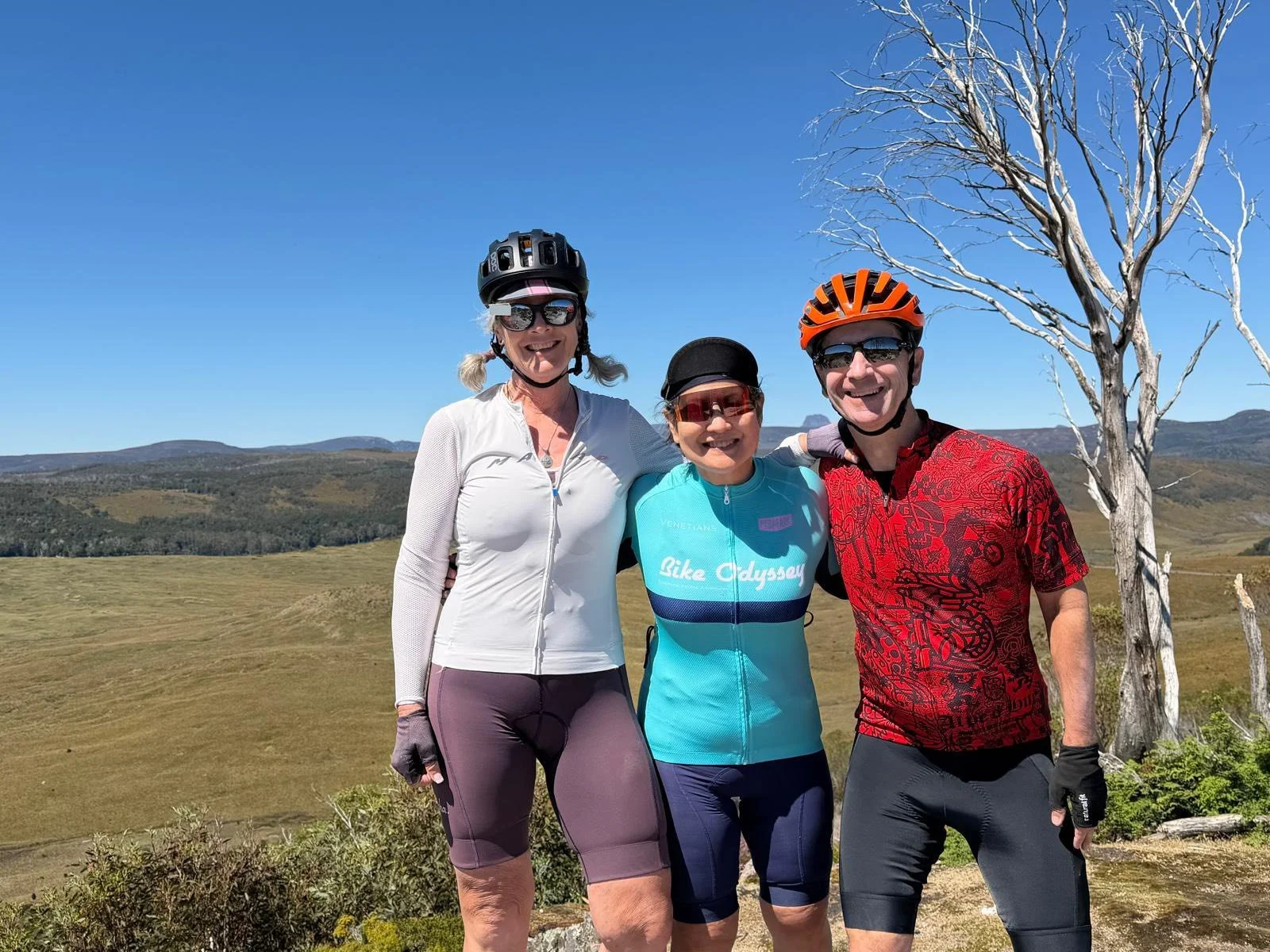
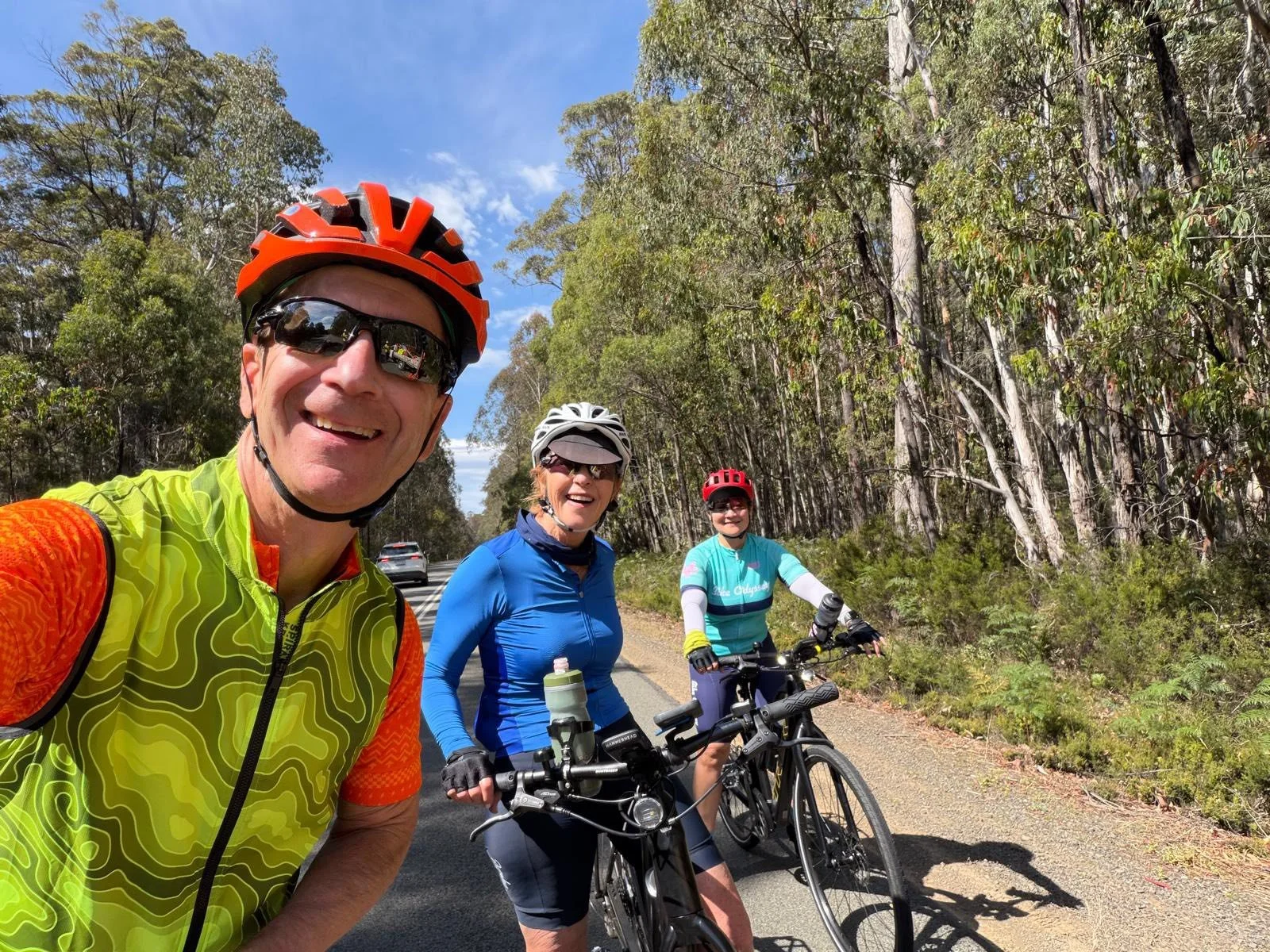
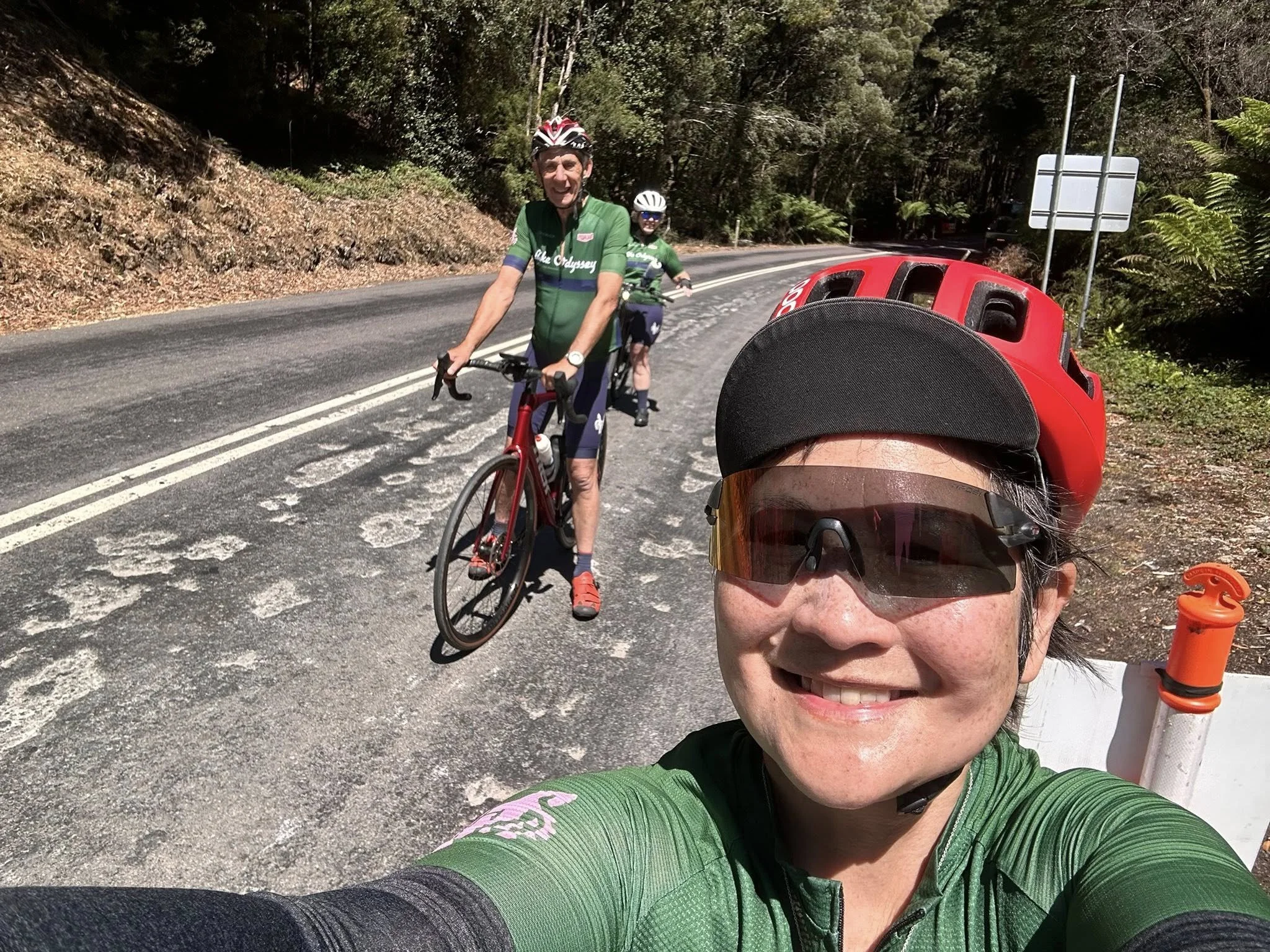
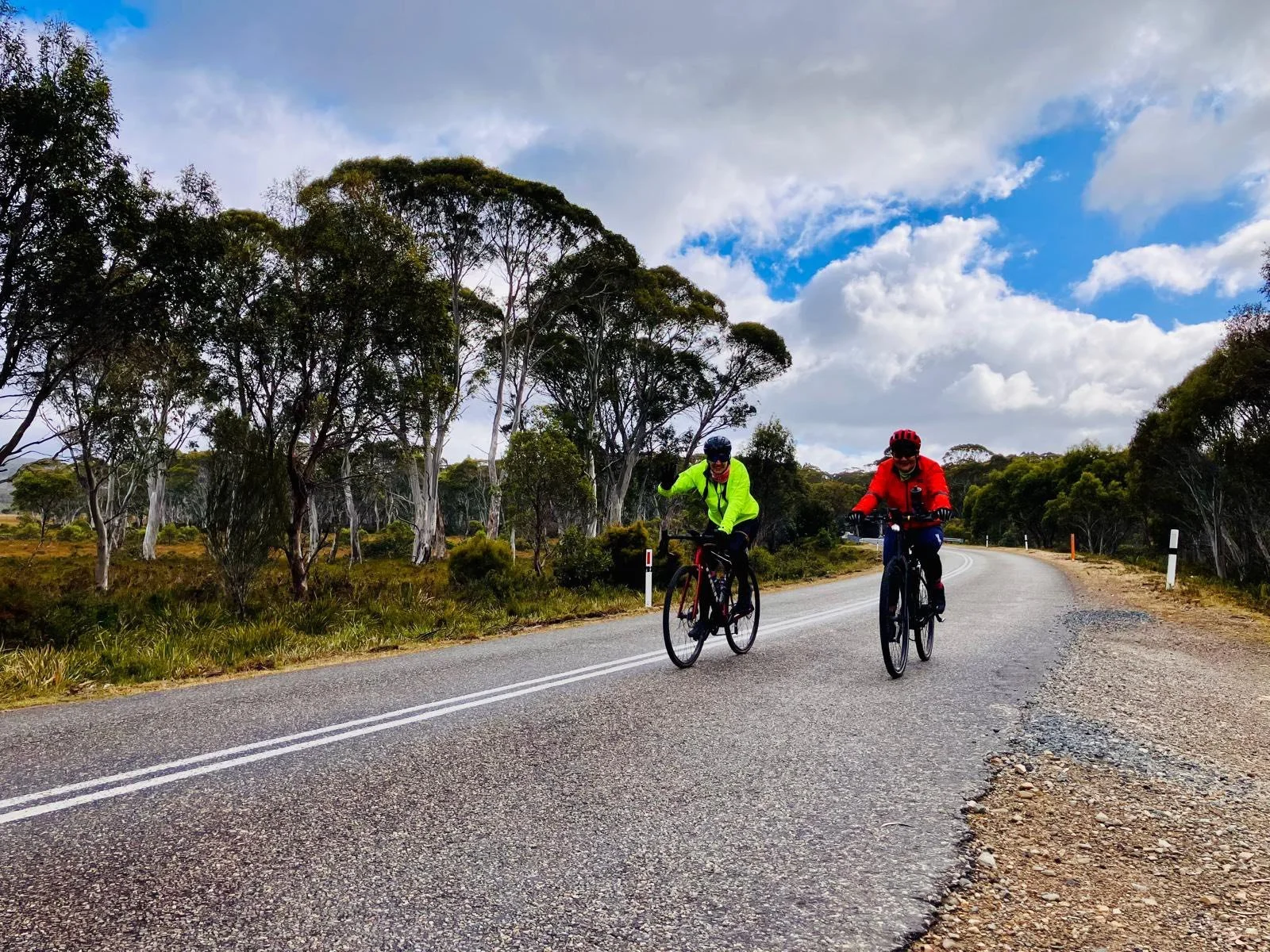
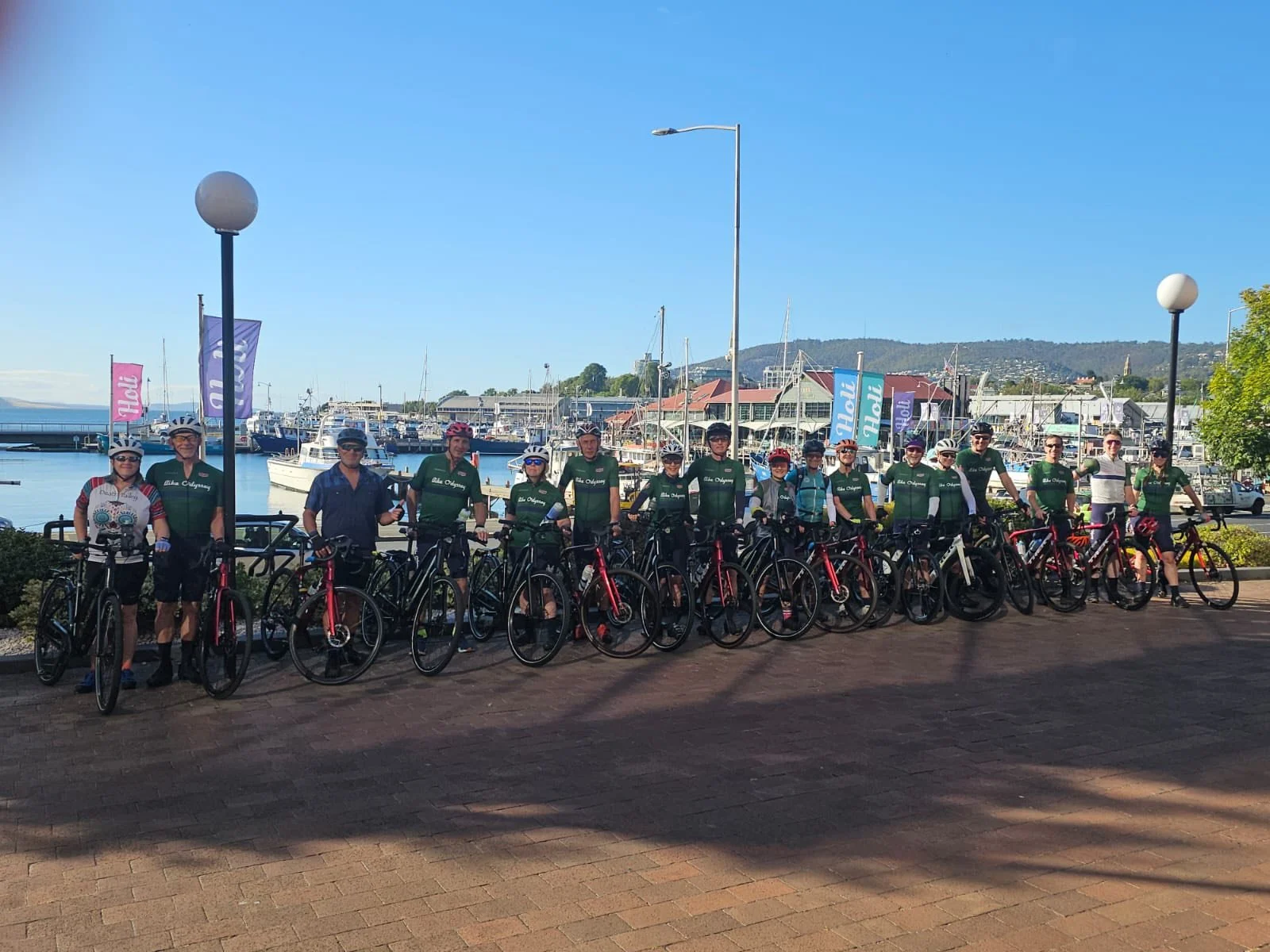
We are nearing the end of an epic 21-day cycling trip clockwise around Ireland-sized Tasmania, starting in Hobart in the south, up the remote and wild western side, to charming Launceston in the north, and down the more populated, farmy east. Some of us had e-bikes and opted to get in the support van on high-traffic or steeper stretches, but others toughed out every kilometer.
One fellow cyclist called the experience “sublime and brutal,” and I would agree. Everyone basked in the beauty of the surroundings even as each tested their limits.
I acknowledge the privilege many of us currently have to take a break from the world’s problems. Joy and nature and beauty and movement and tranquility are things everyone deserves.
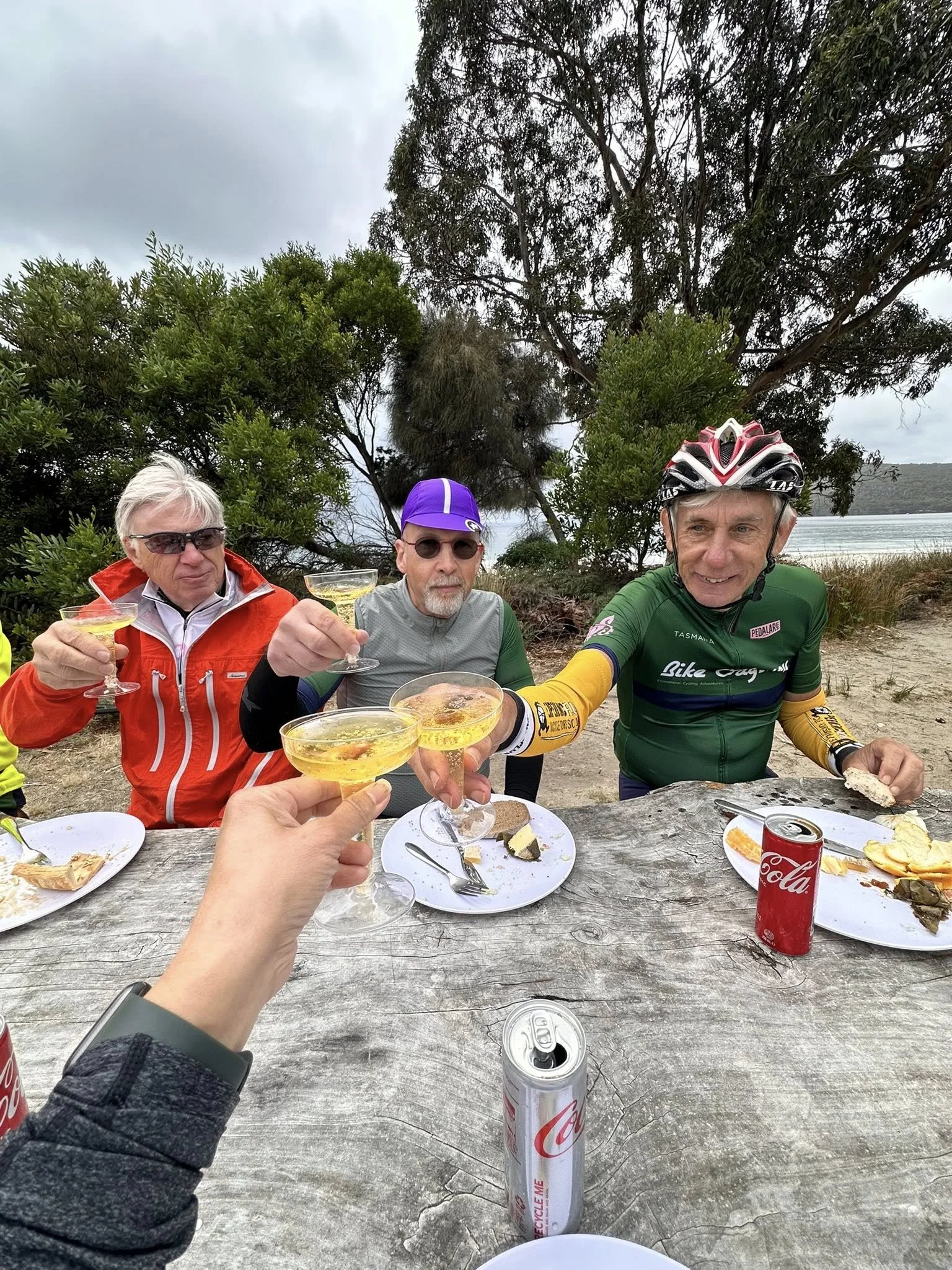

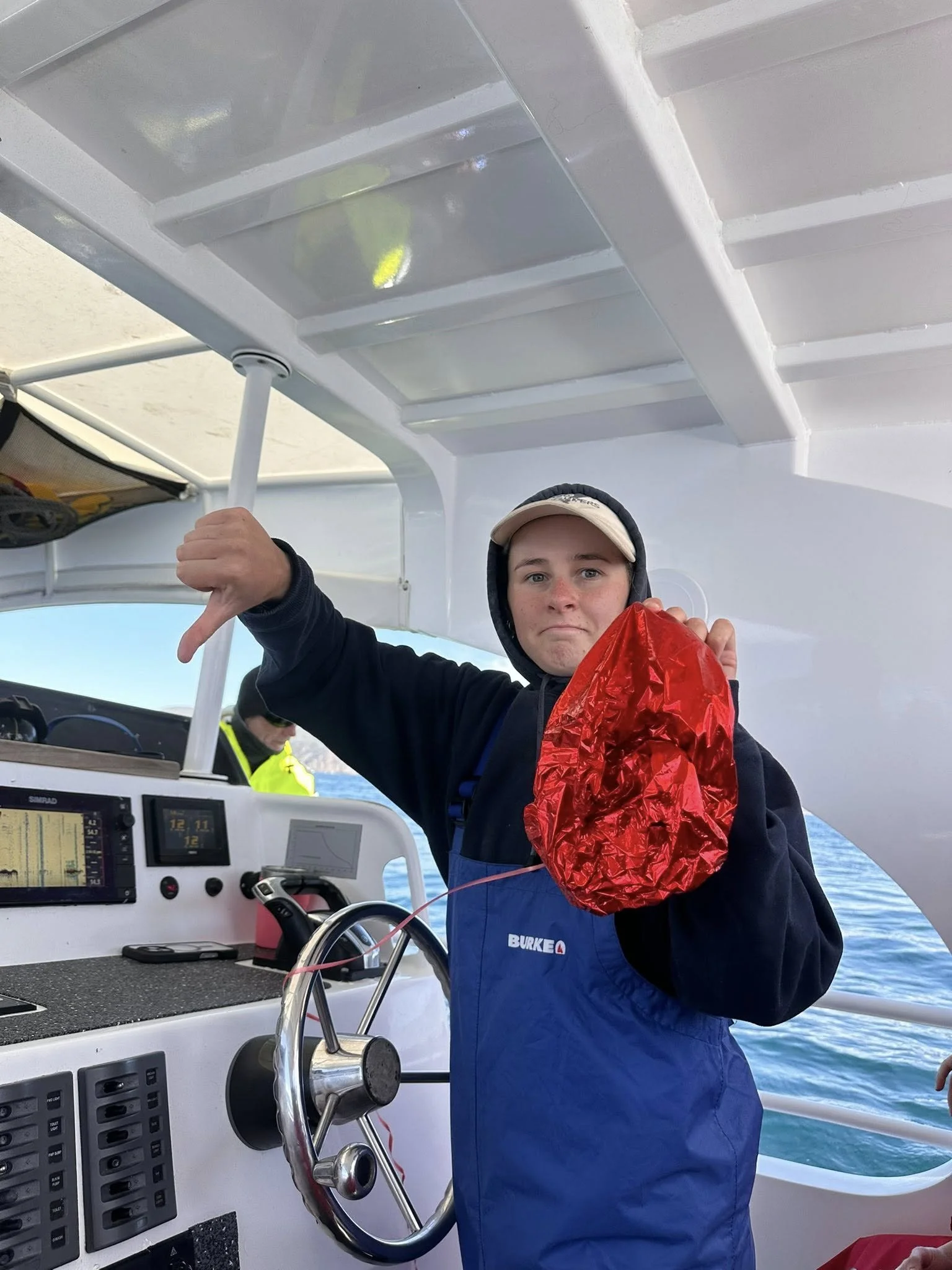
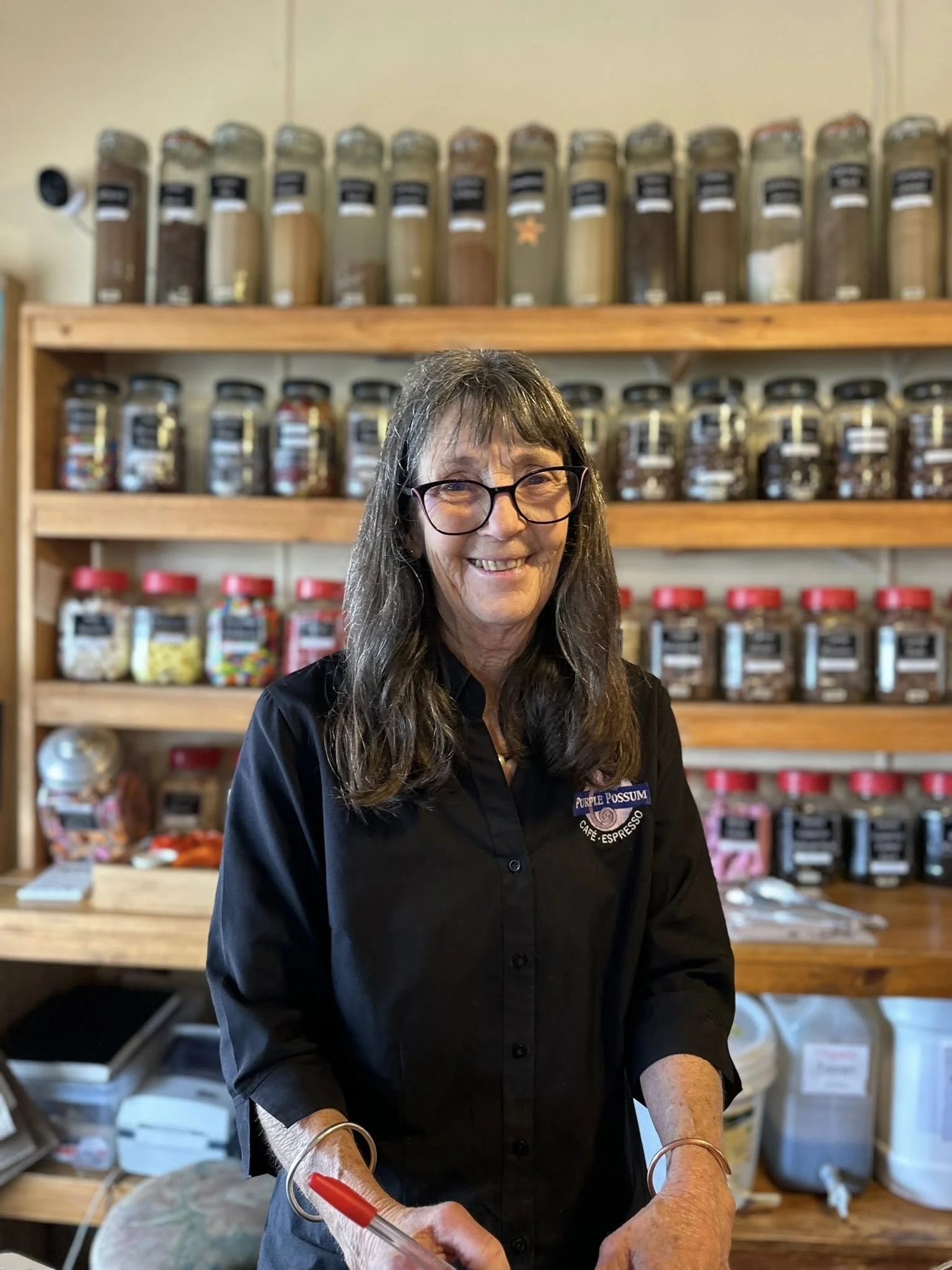
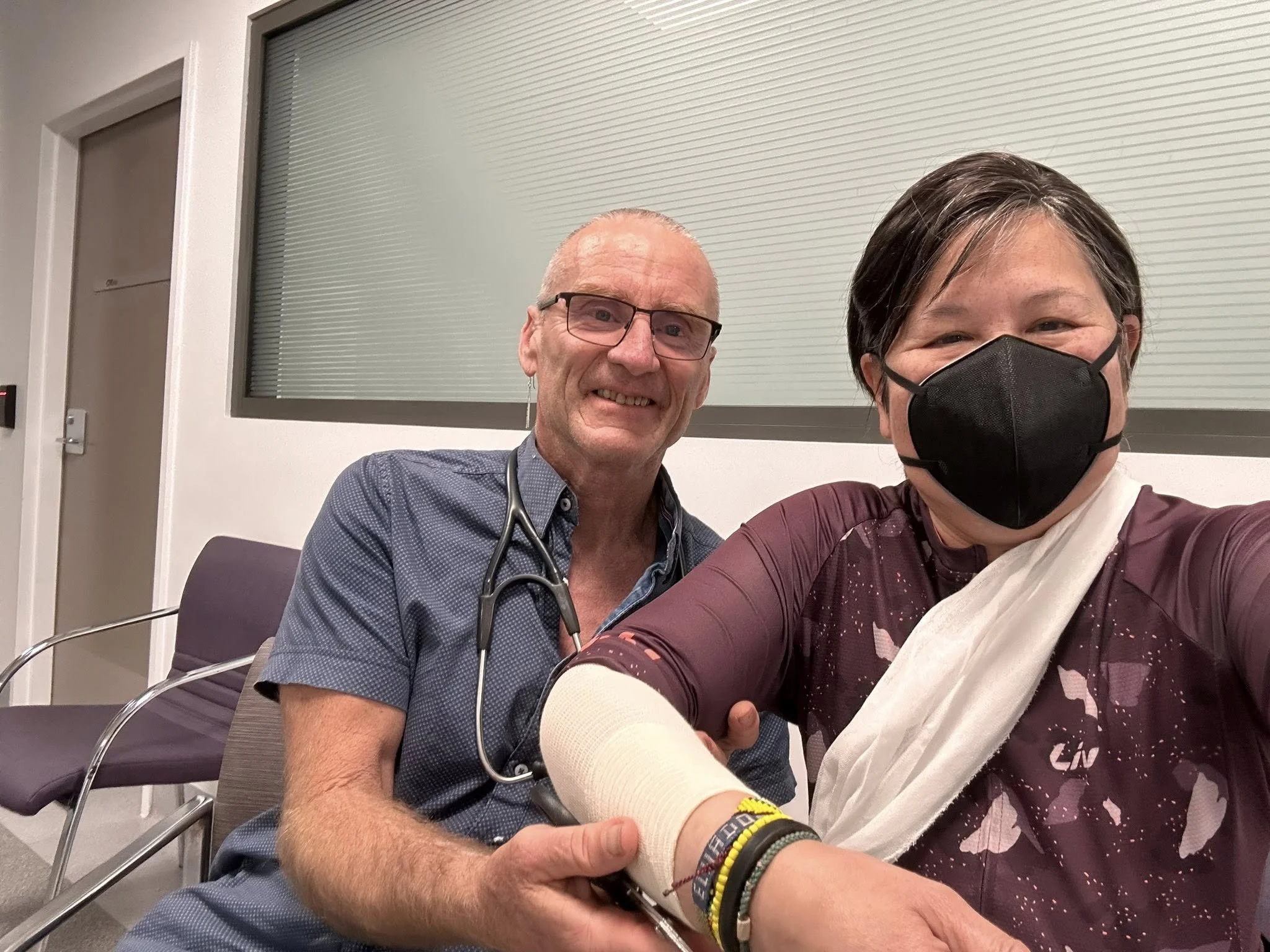
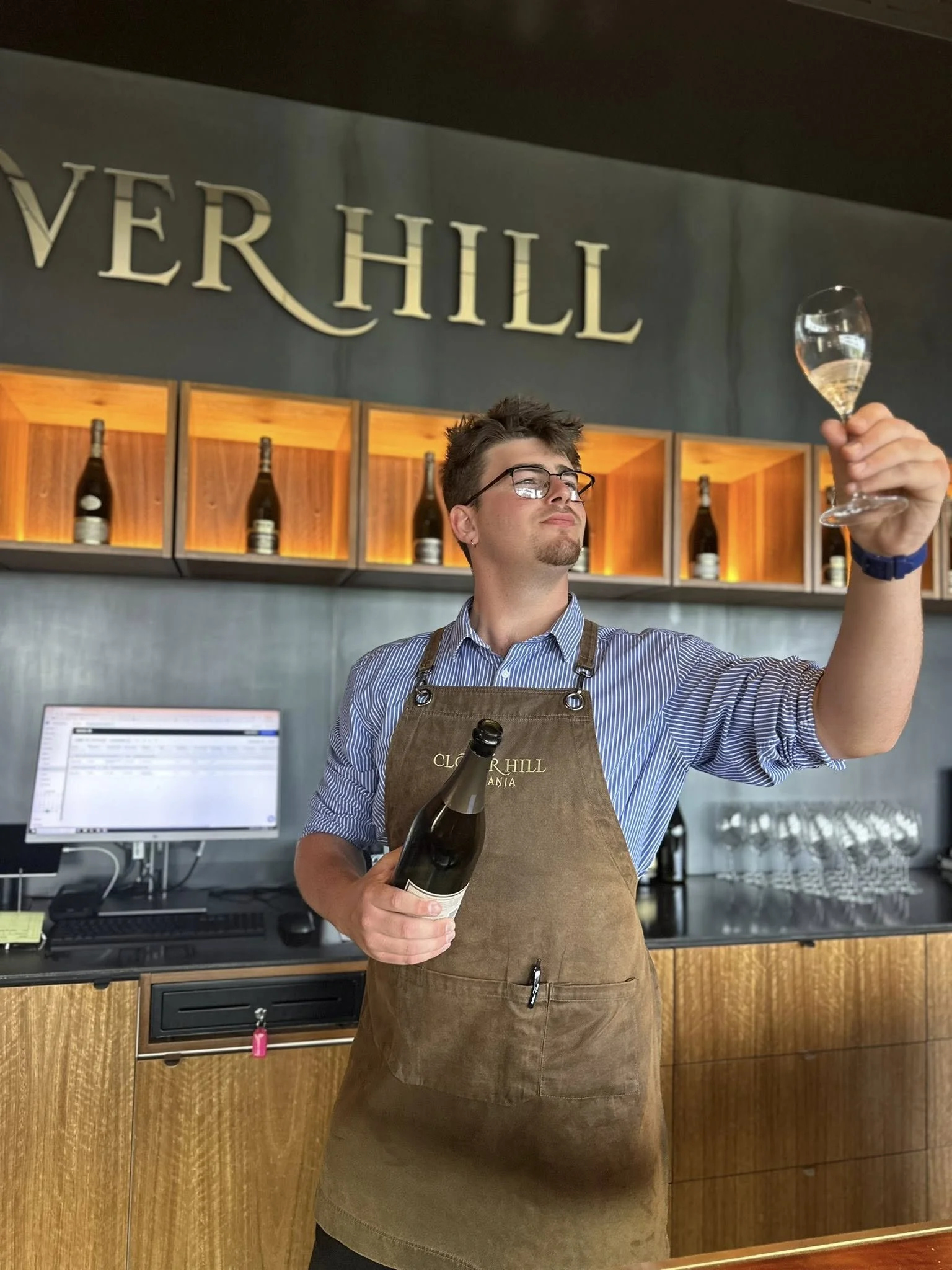
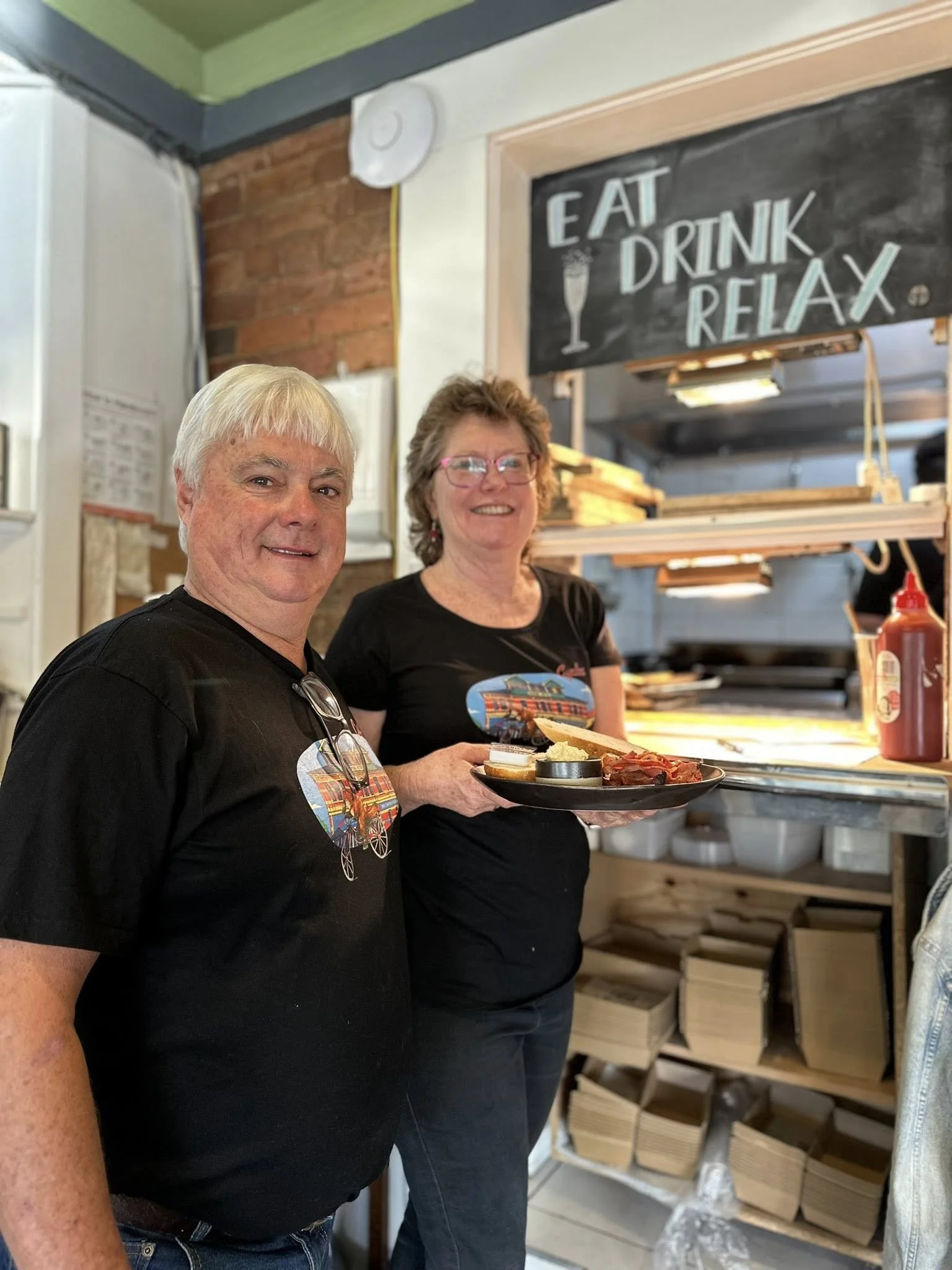
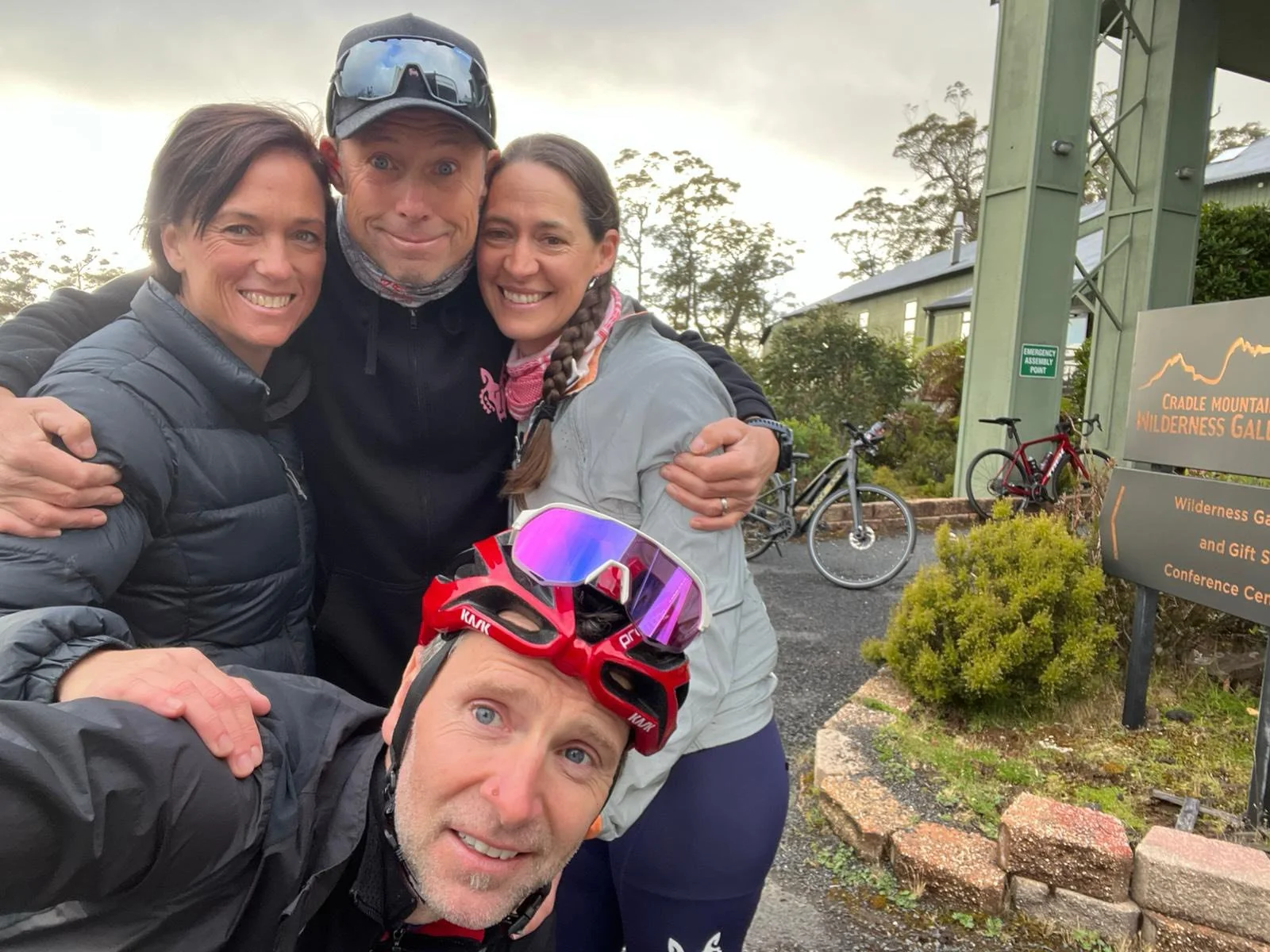
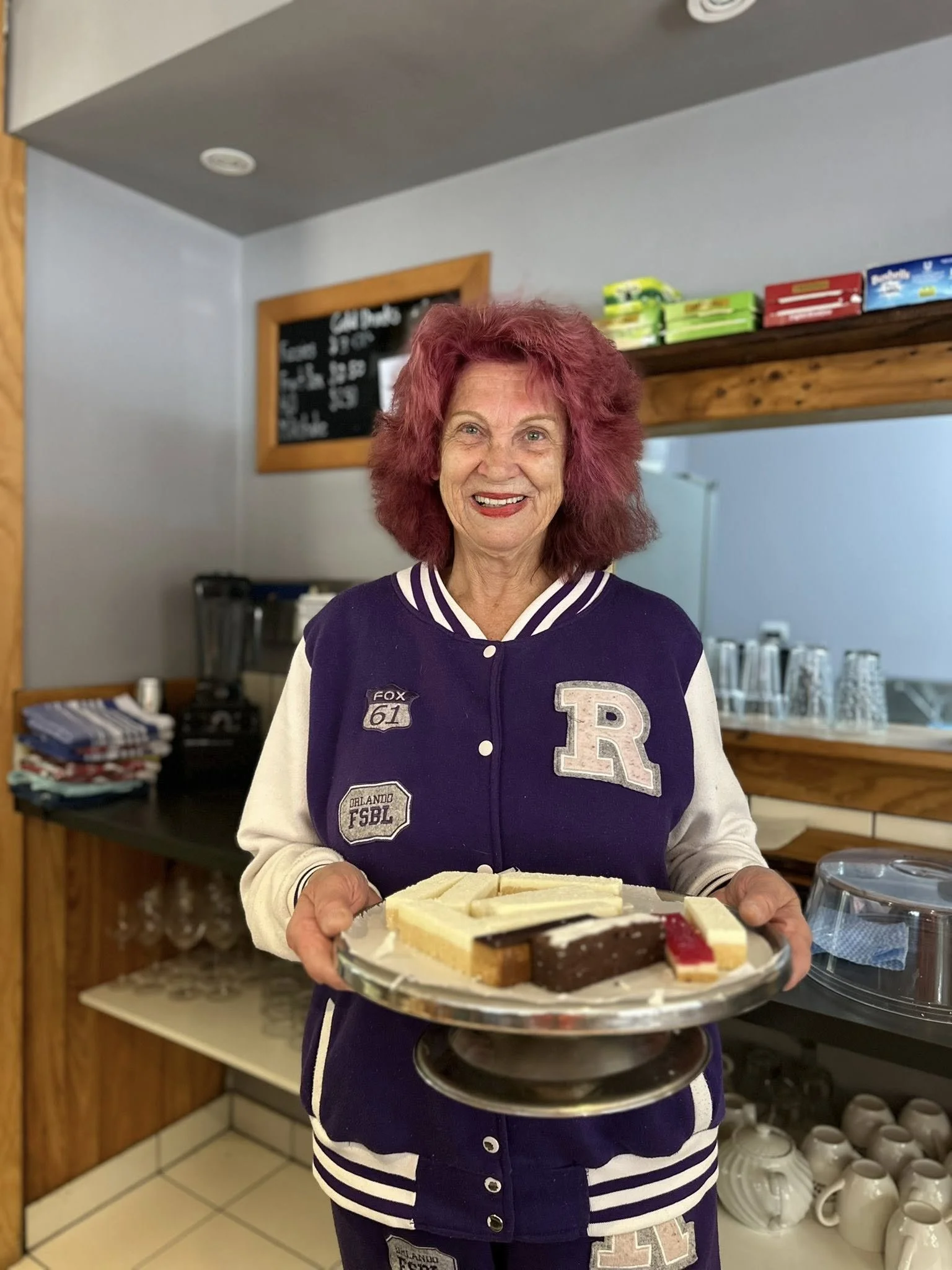
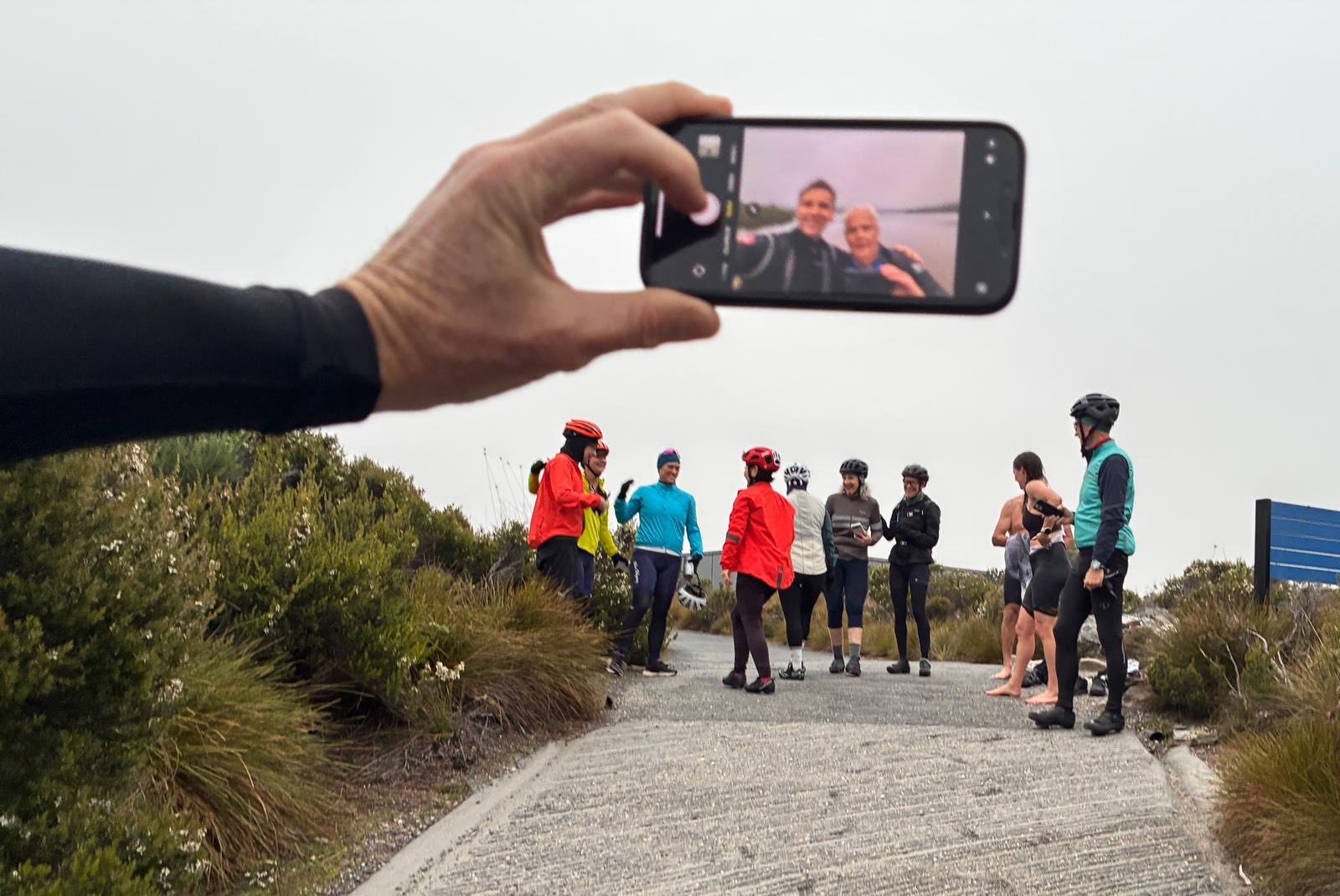
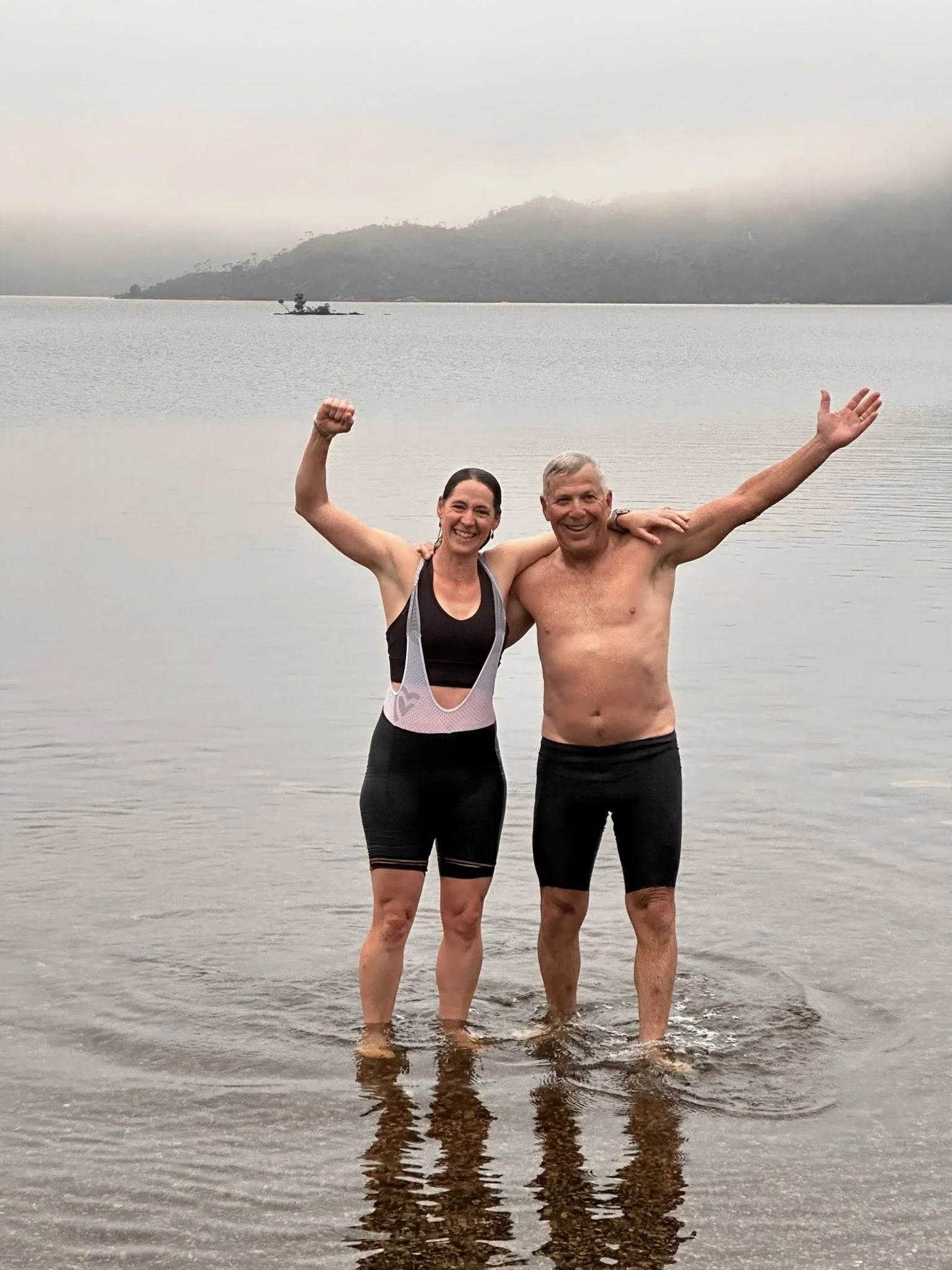
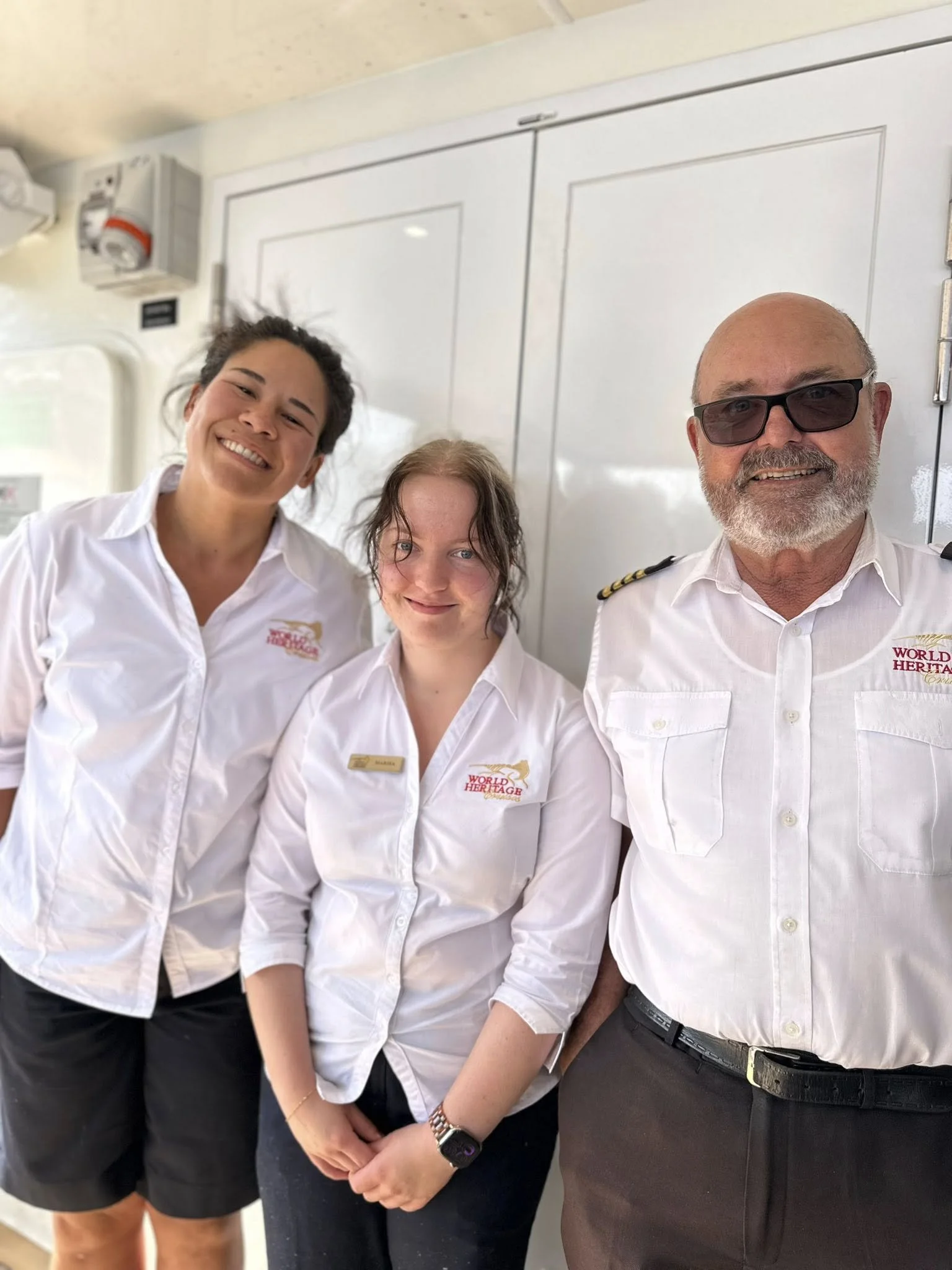
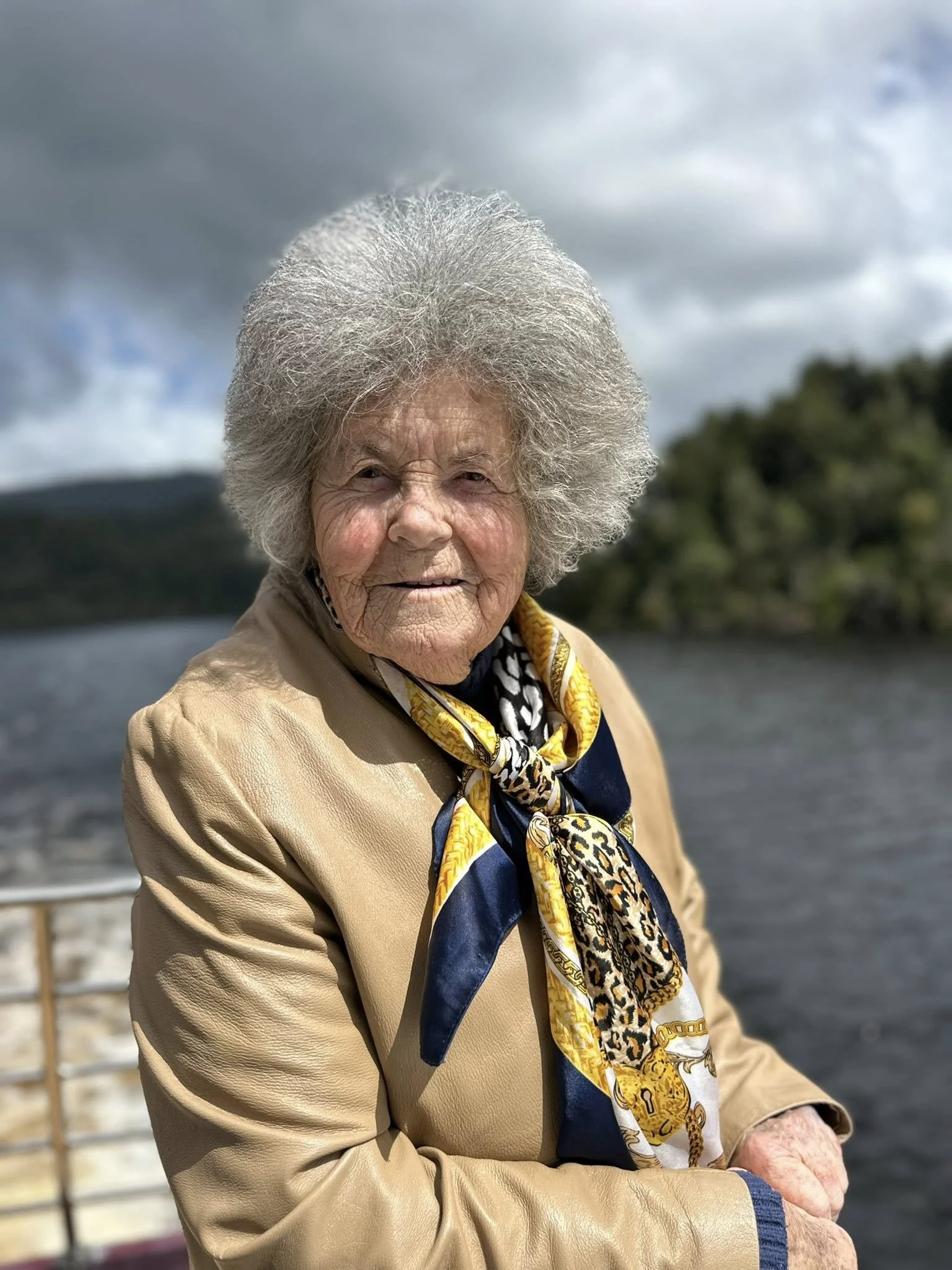
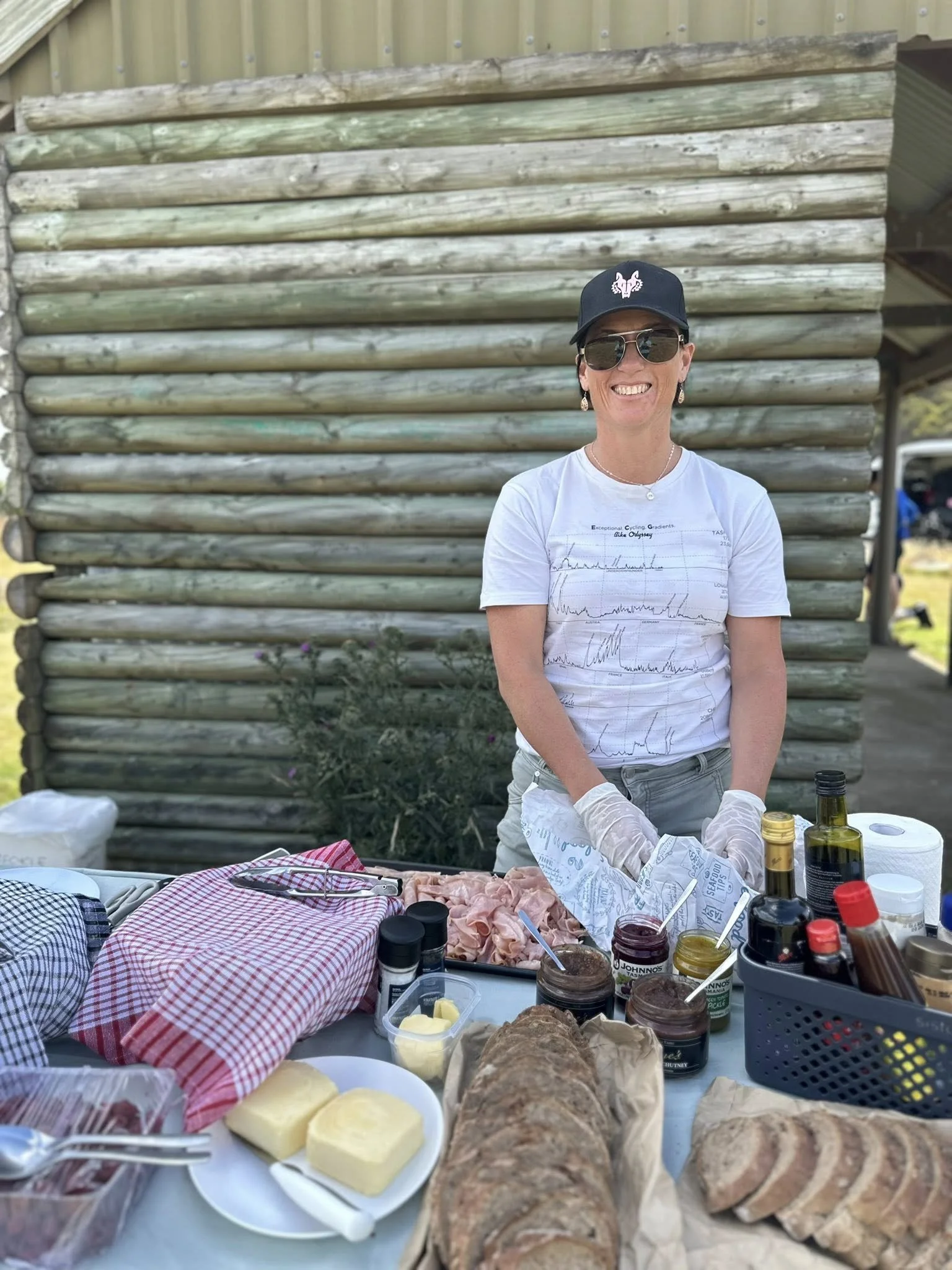
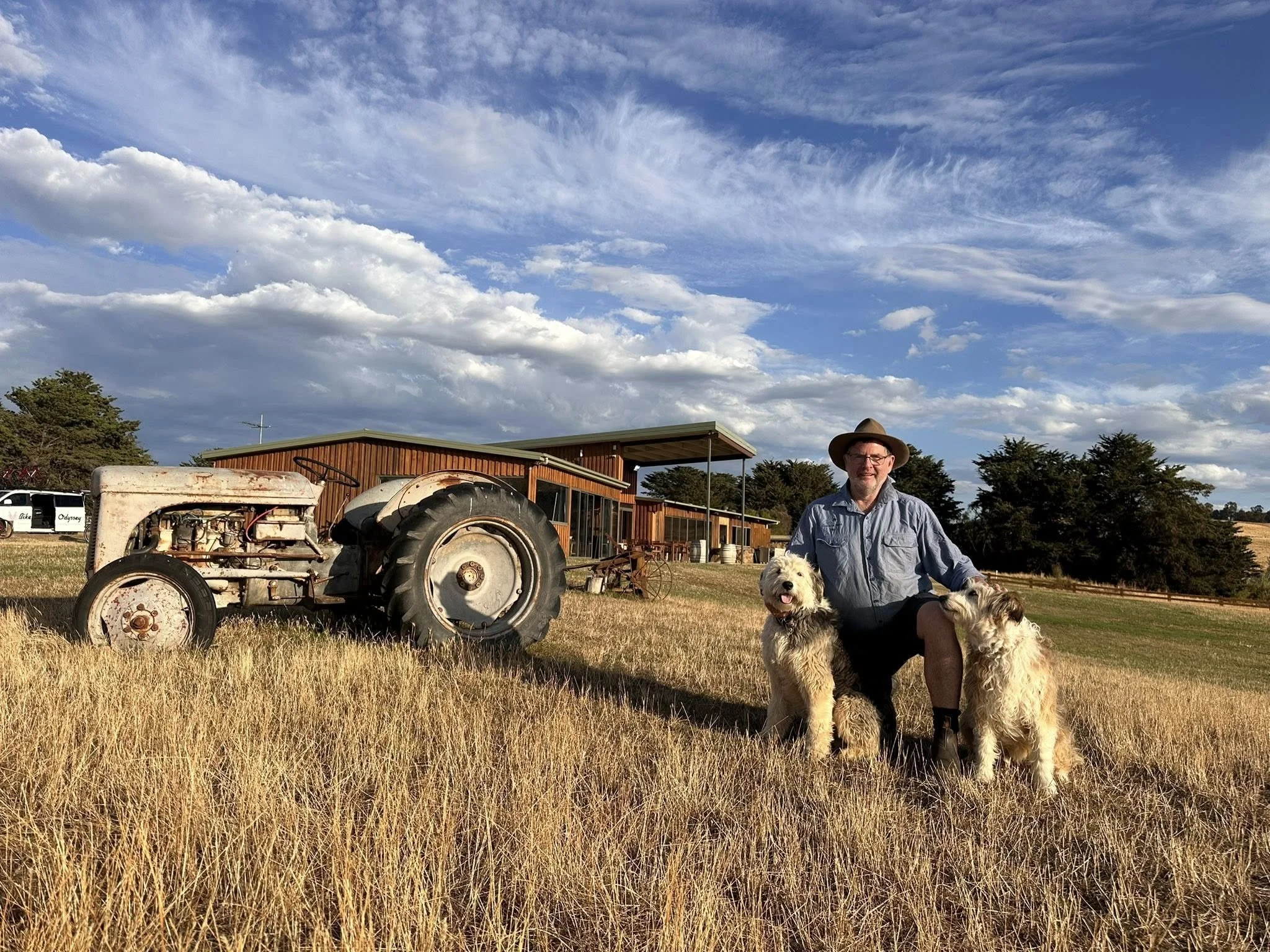
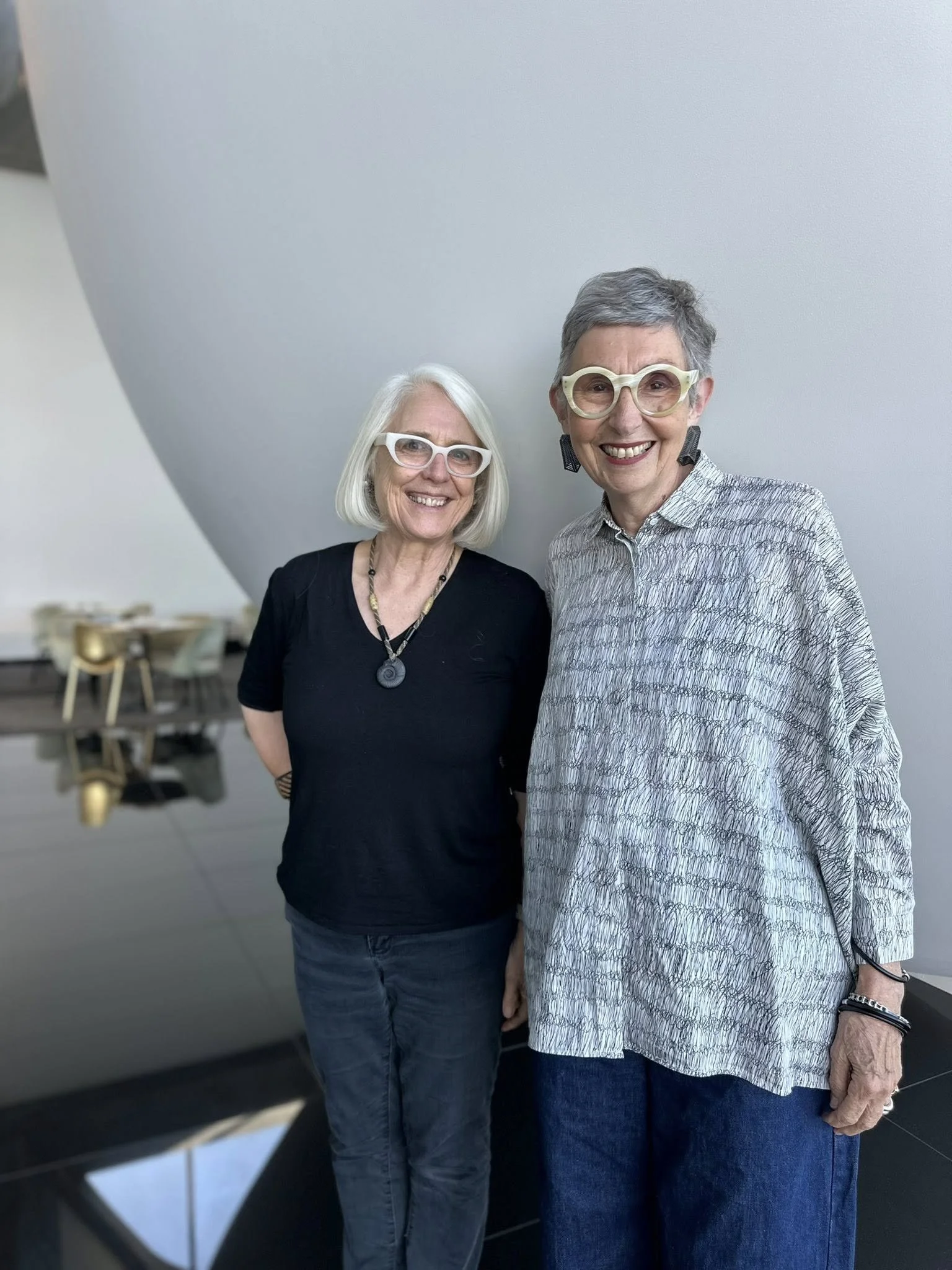
People power: As powerful men make war and poison the Earth, may I offer as alternatives some of the people I have come across in Tasmania.
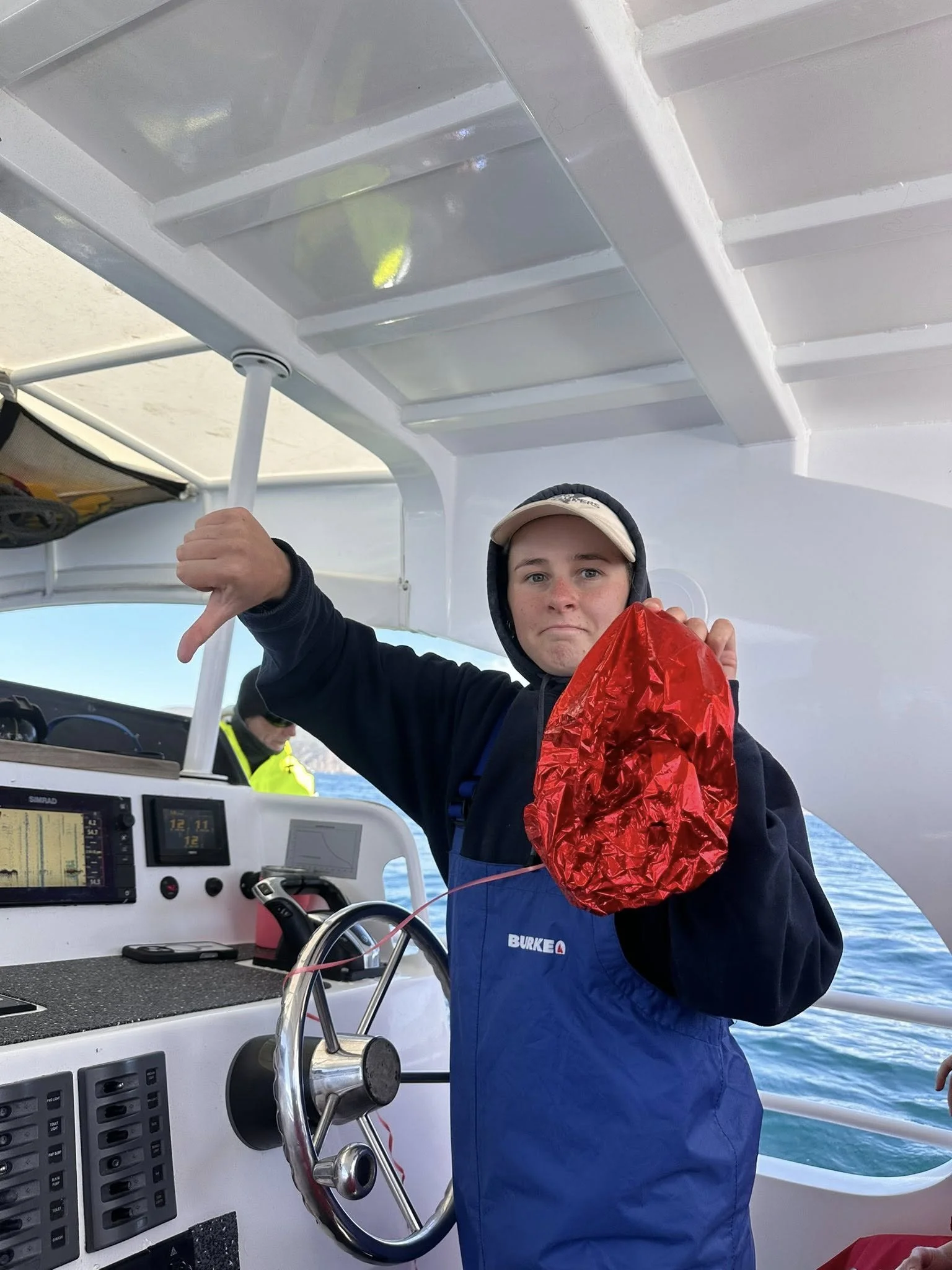
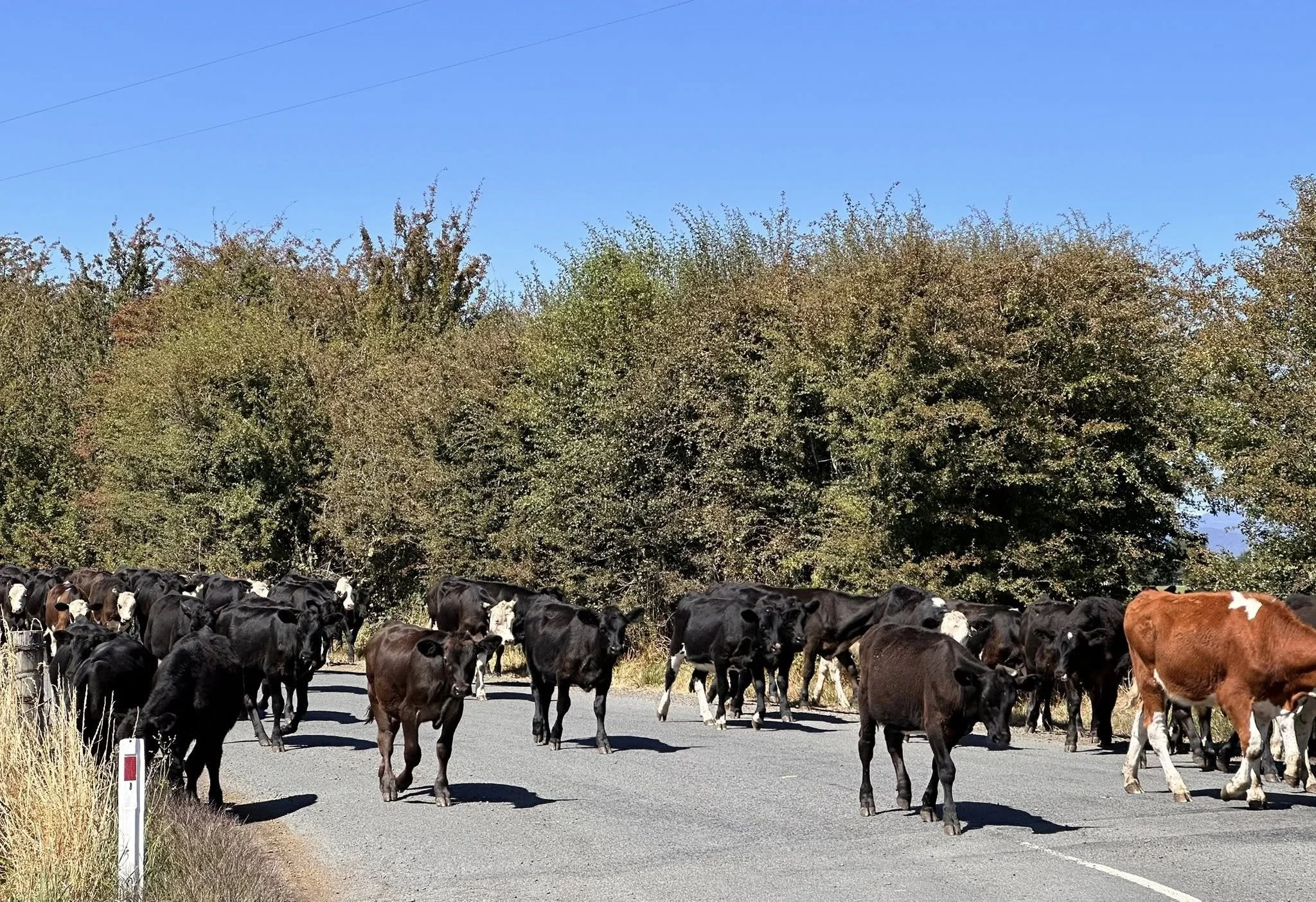
The boat driver who cut the engine to scoop up a red heart-shaped mylar balloon from the waters to dispose responsibly. The small-town emergency room doc who tended to my arm after a wee tumble. The poppyseed farmer tilling the same land his great grandparents did. The tractor-riding cow wrangler coaxing the herd off the road . The purple-haired coffee shop owner making small talk with every customer, even as the line grew ever longer. The longtime friend and former museum curator. The cycling archaeologist/historian. The cheesemonger and the scone-baker and the beekeeper and the vintner.
And, especially, the delightful and professional cycling guides hailing from Australia and New Zealand and Ireland who shepherded our group around this fascinating island. And fellow cyclists, now friends, who welcomed me and anyone who loves to bike to their midst, whatever their level.
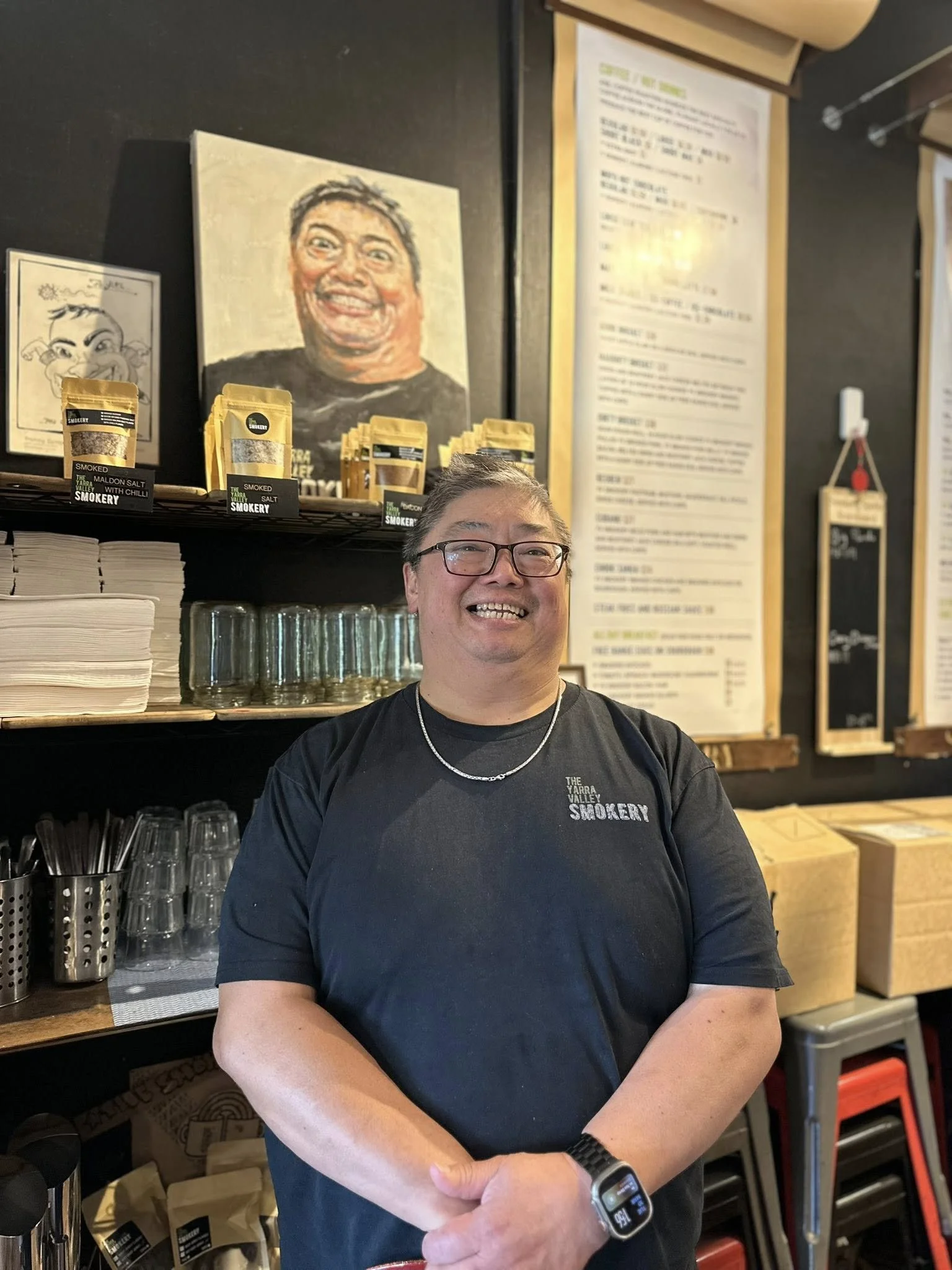
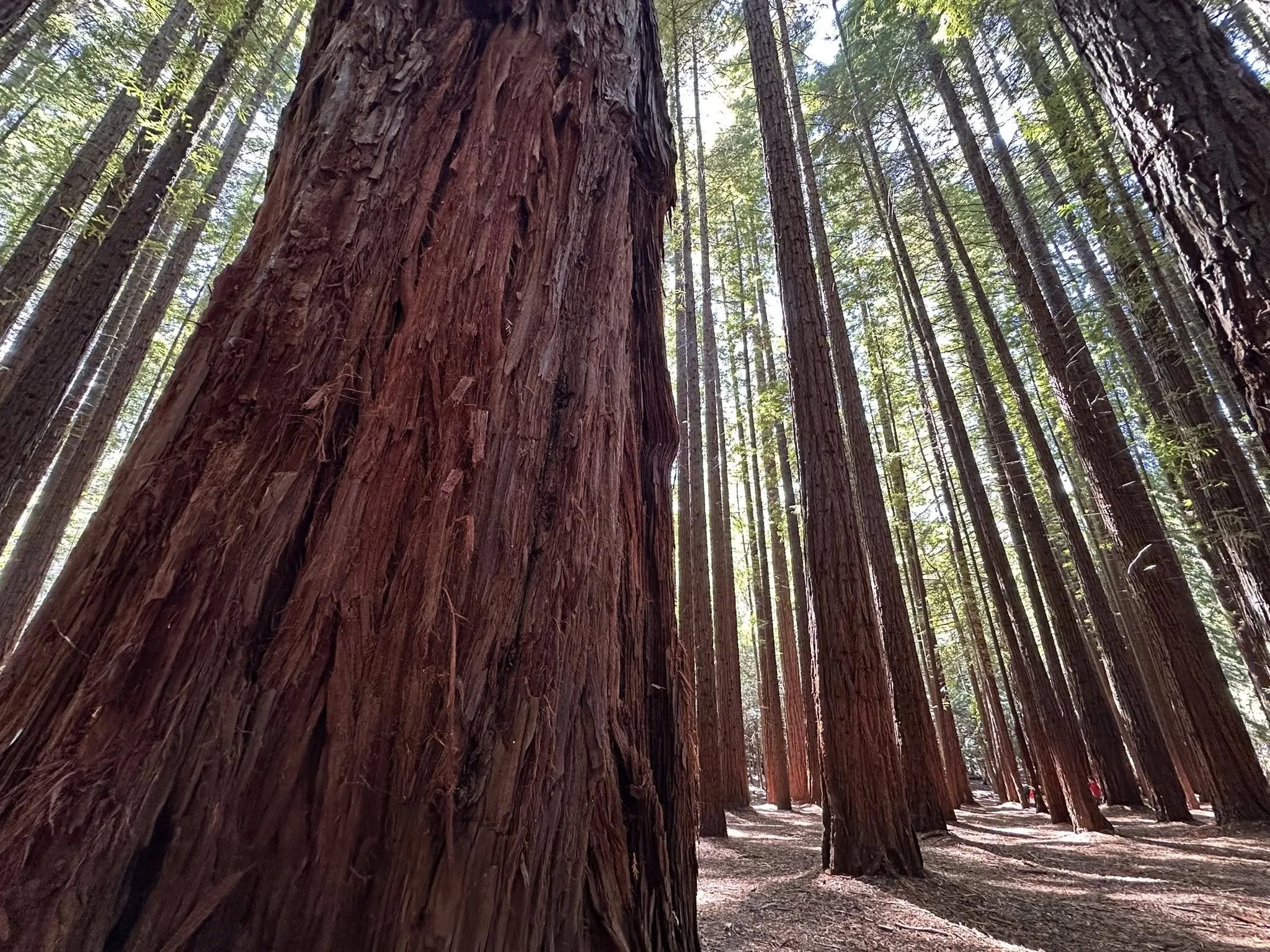
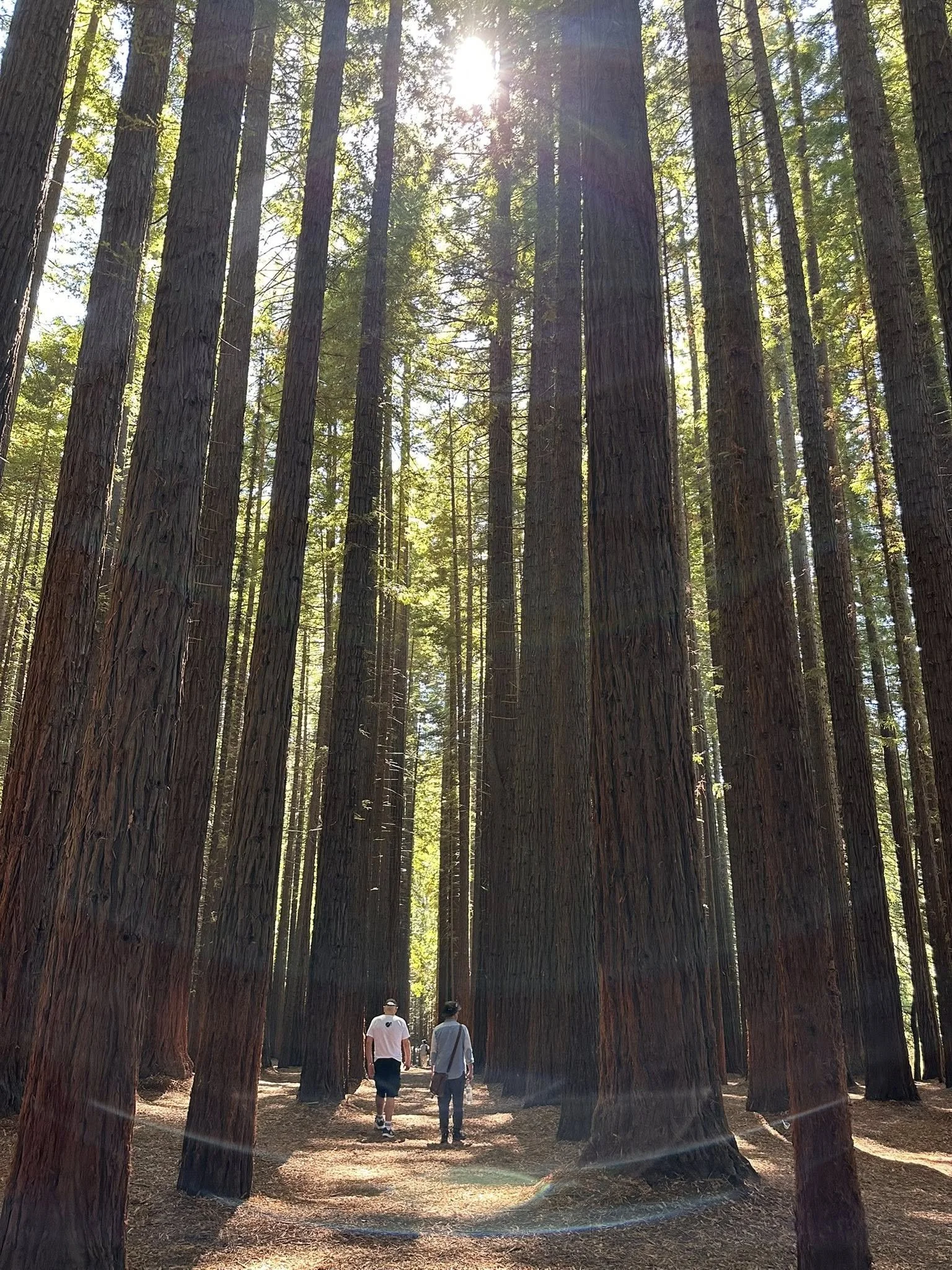
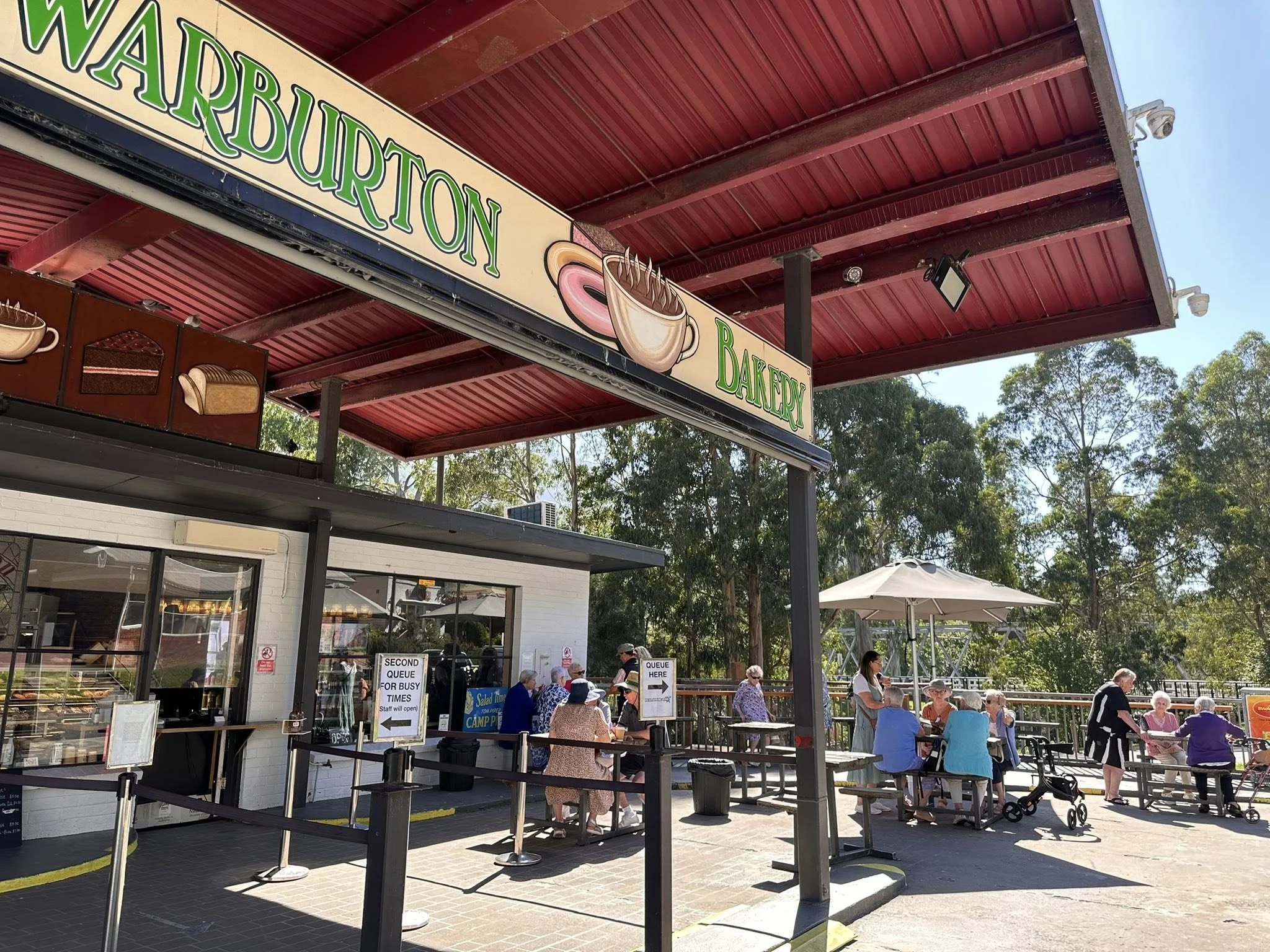
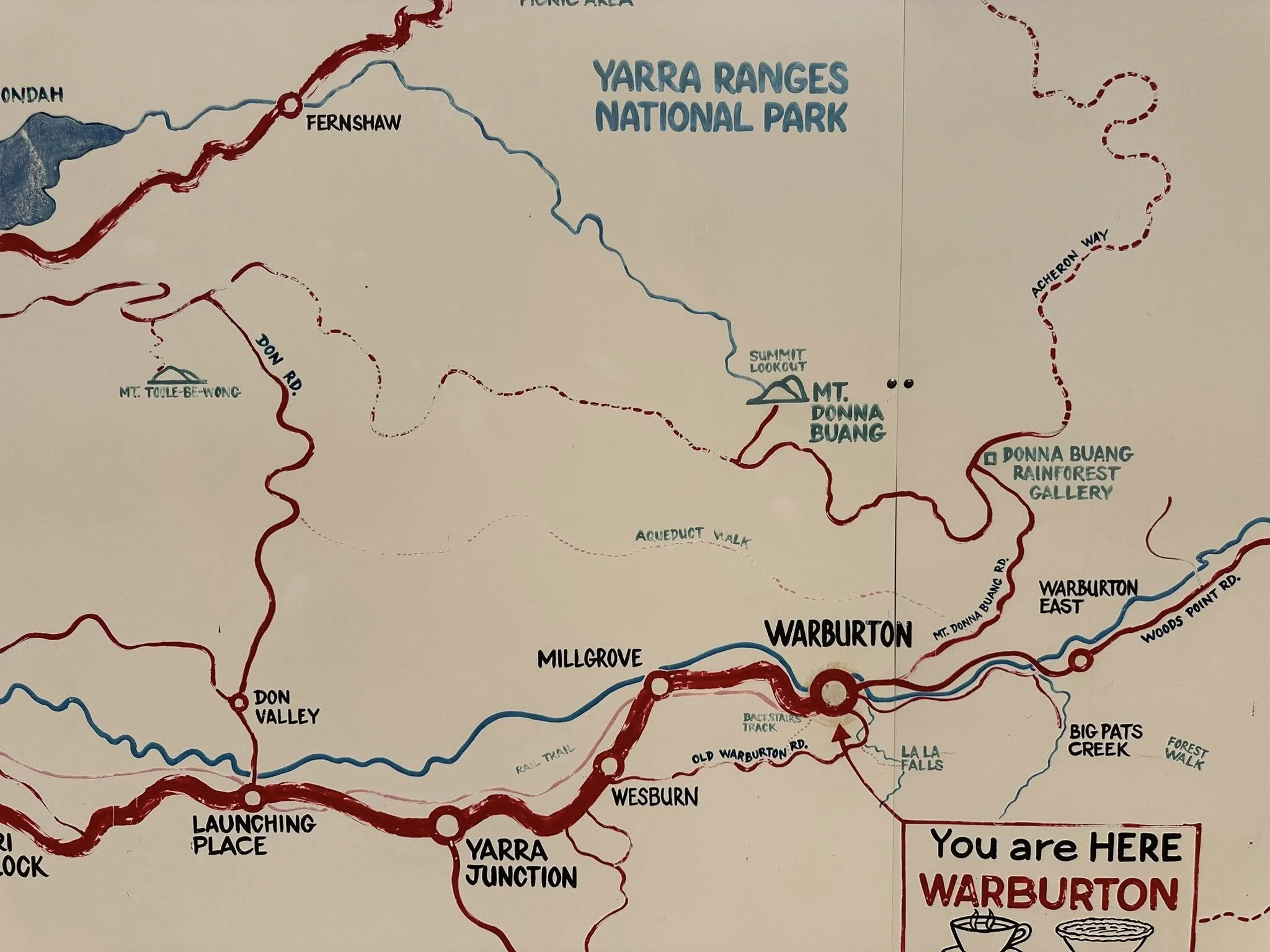
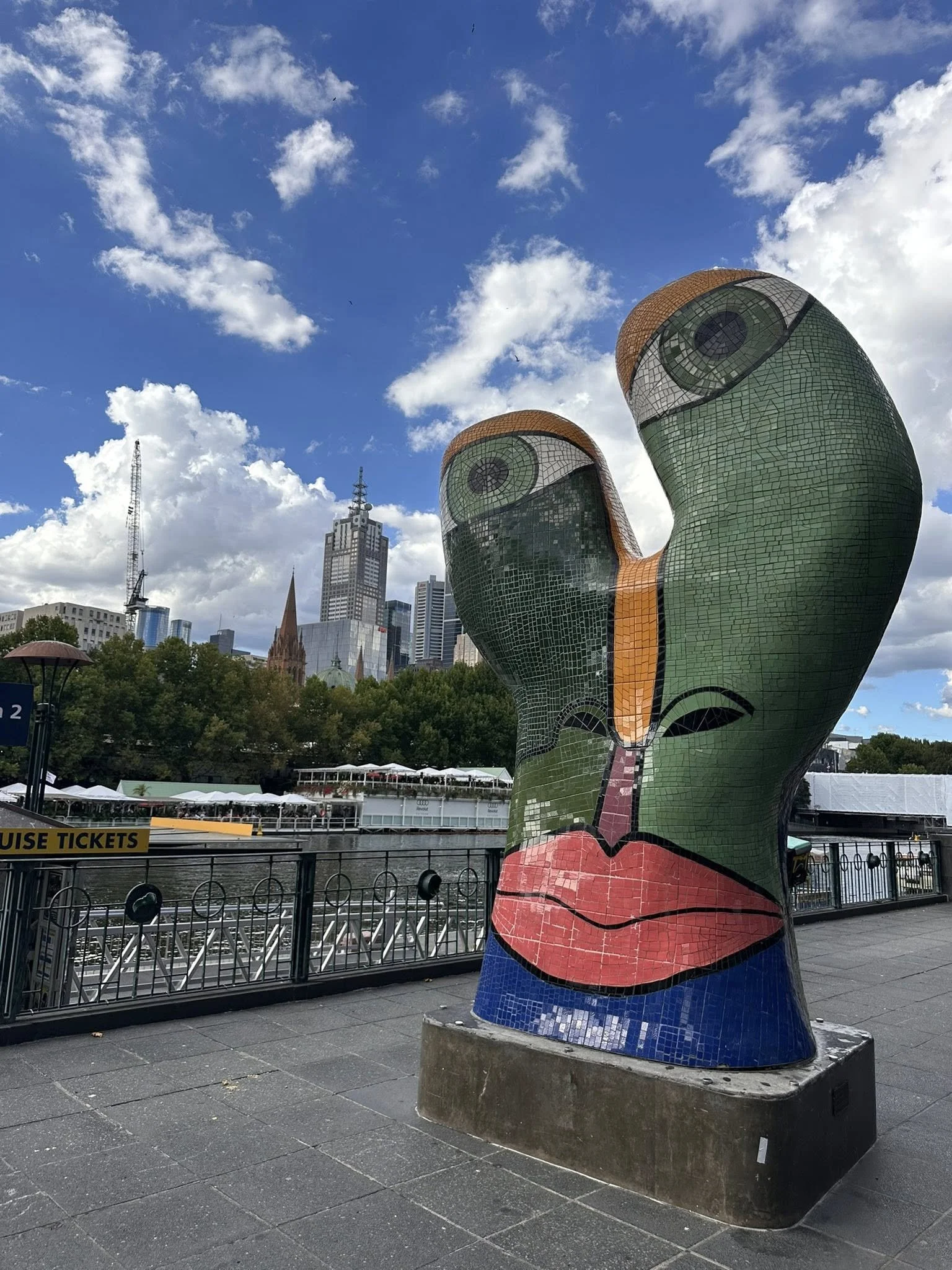
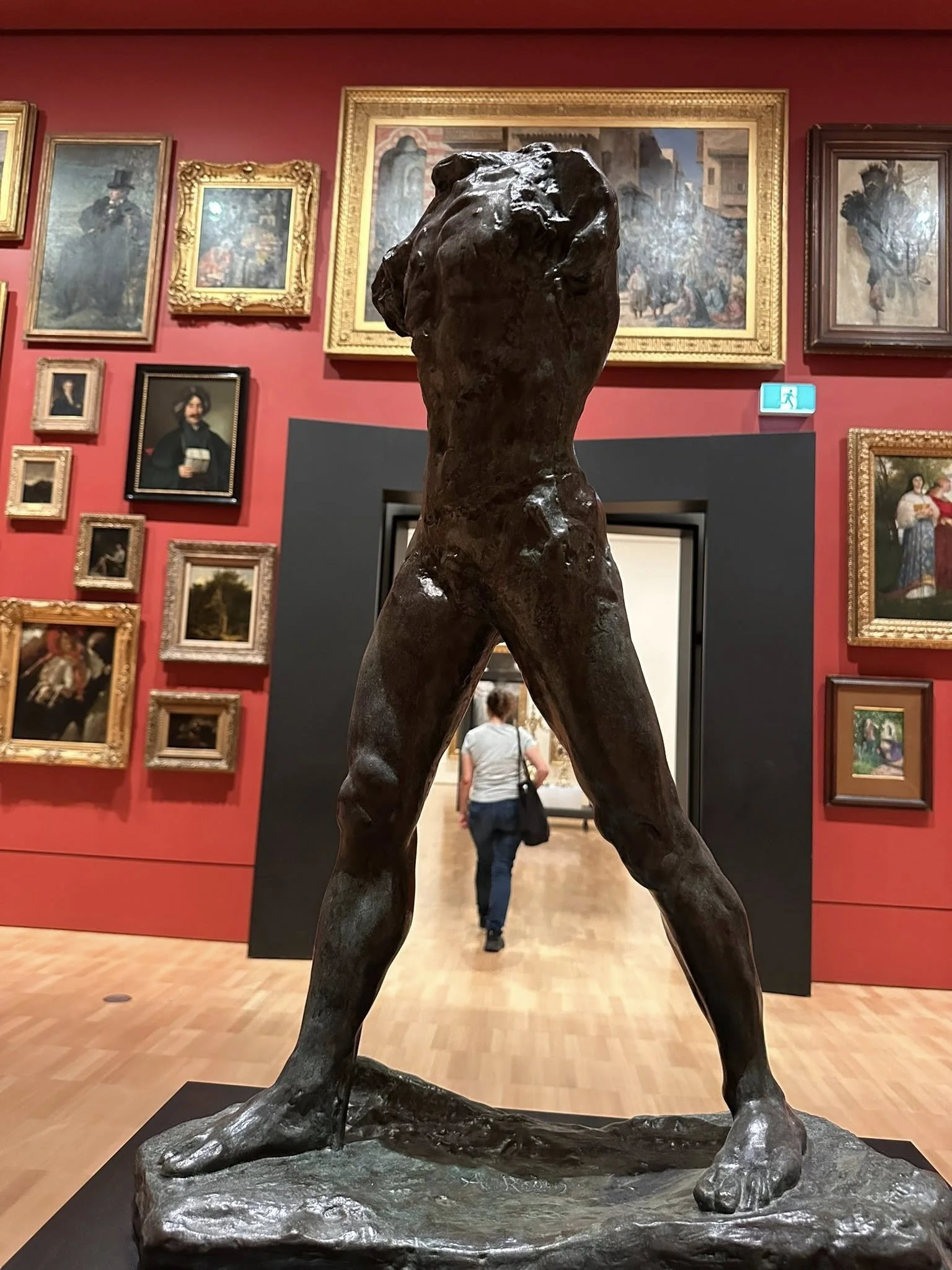
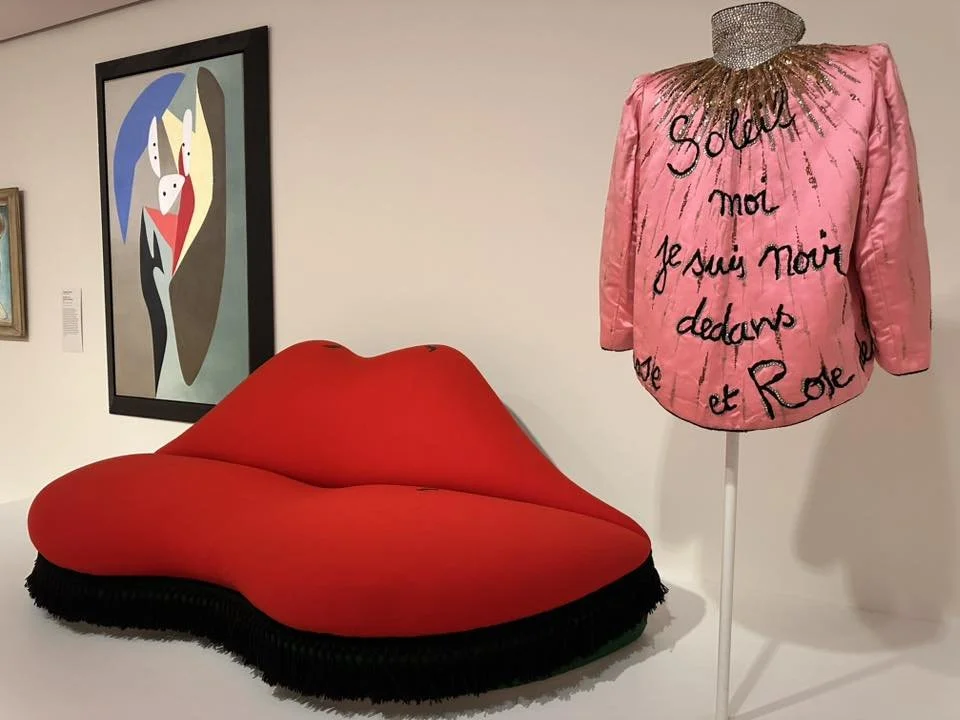
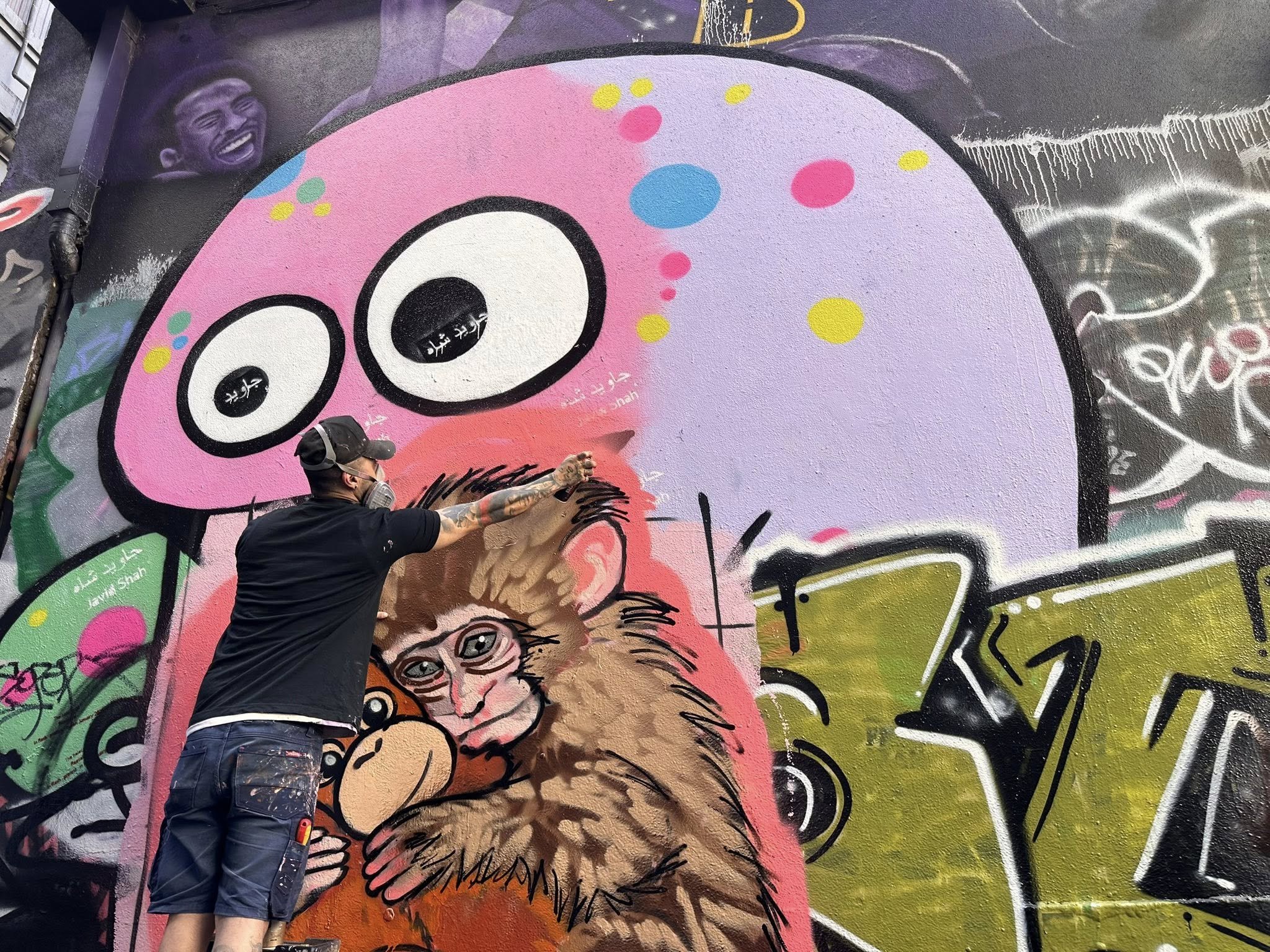
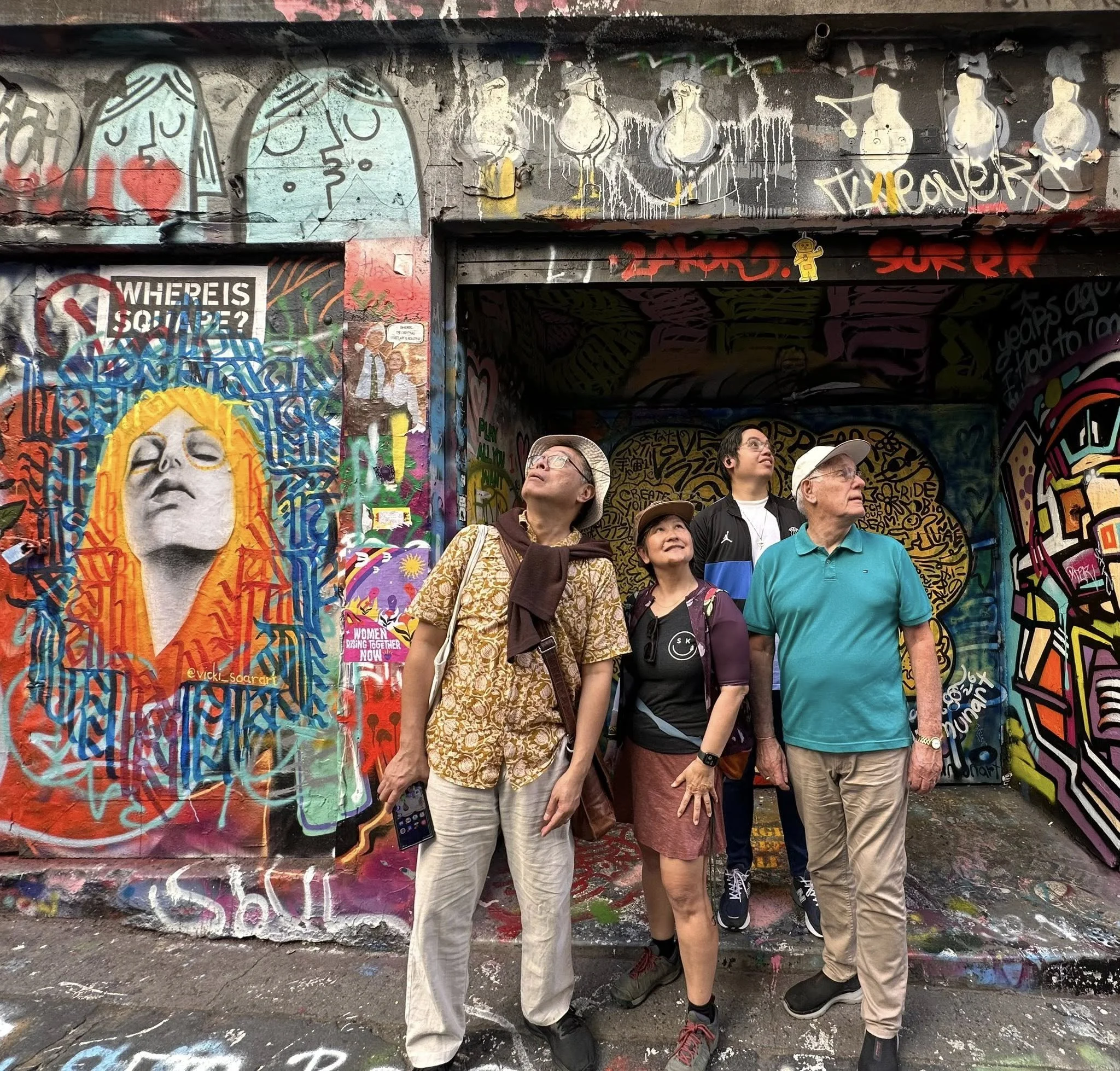
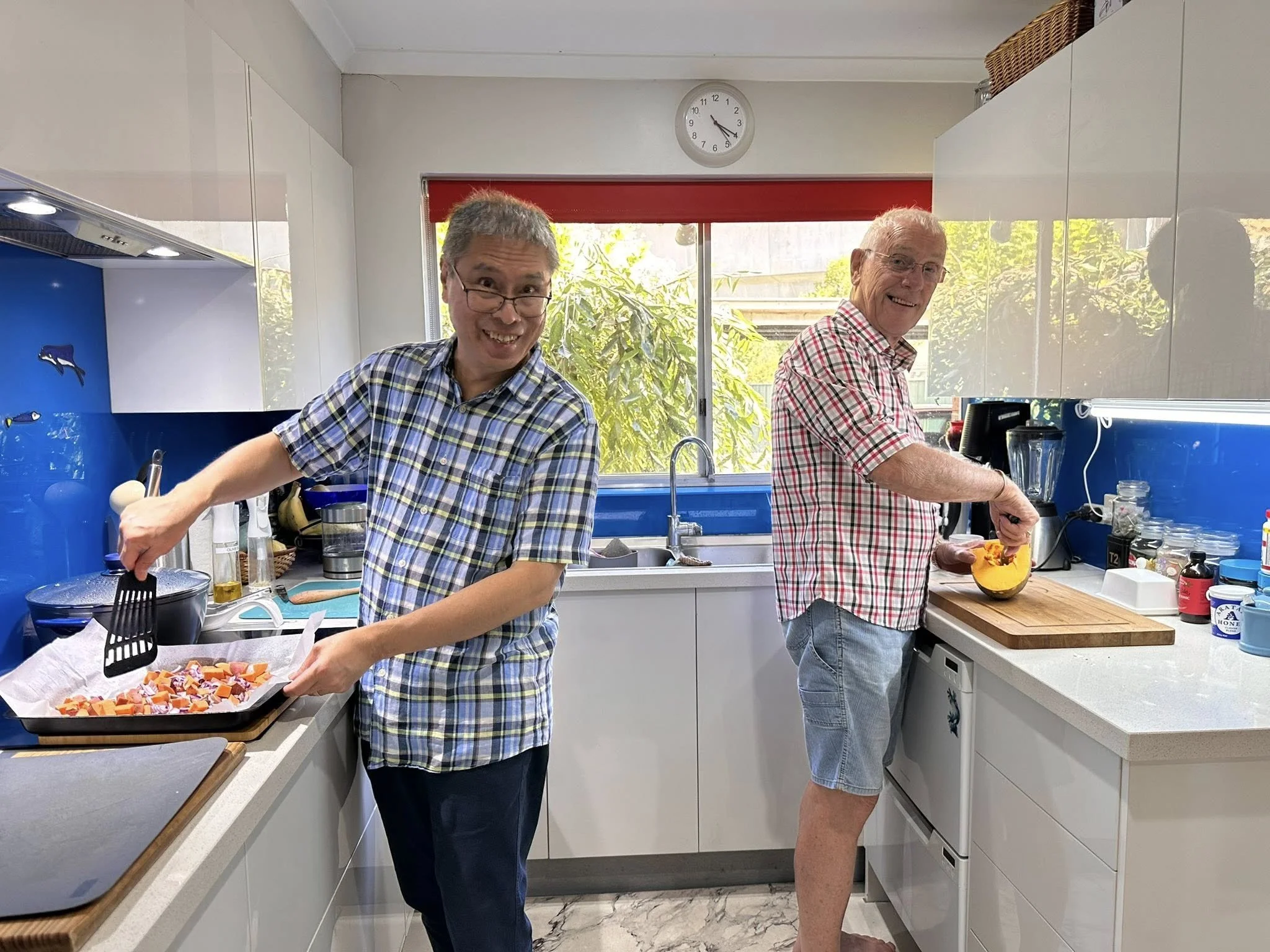
Those who know me won’t be surprised to learn that I’m still in Australia. Longer stays=fewer flights overall=reduced carbon footprint.
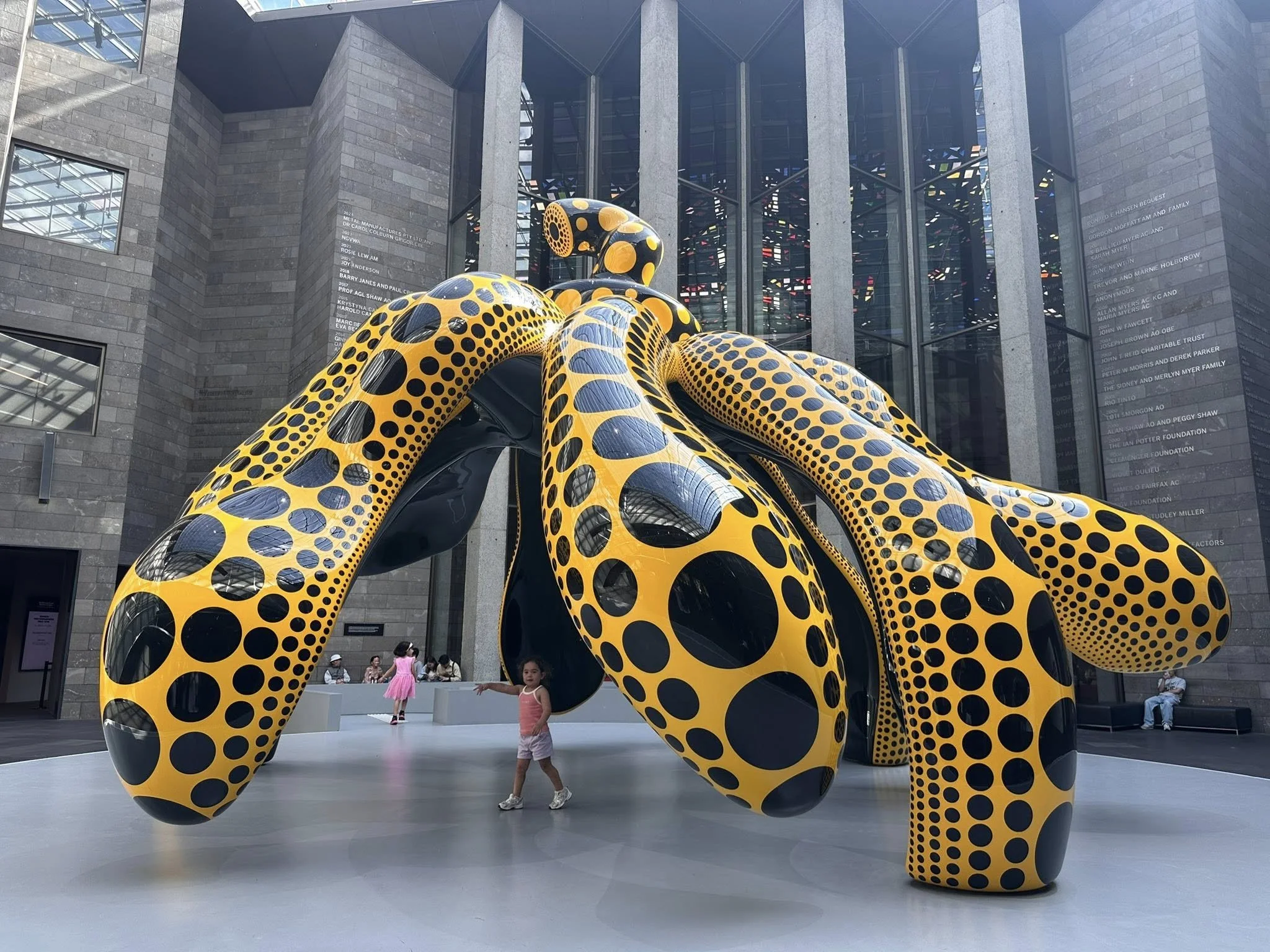
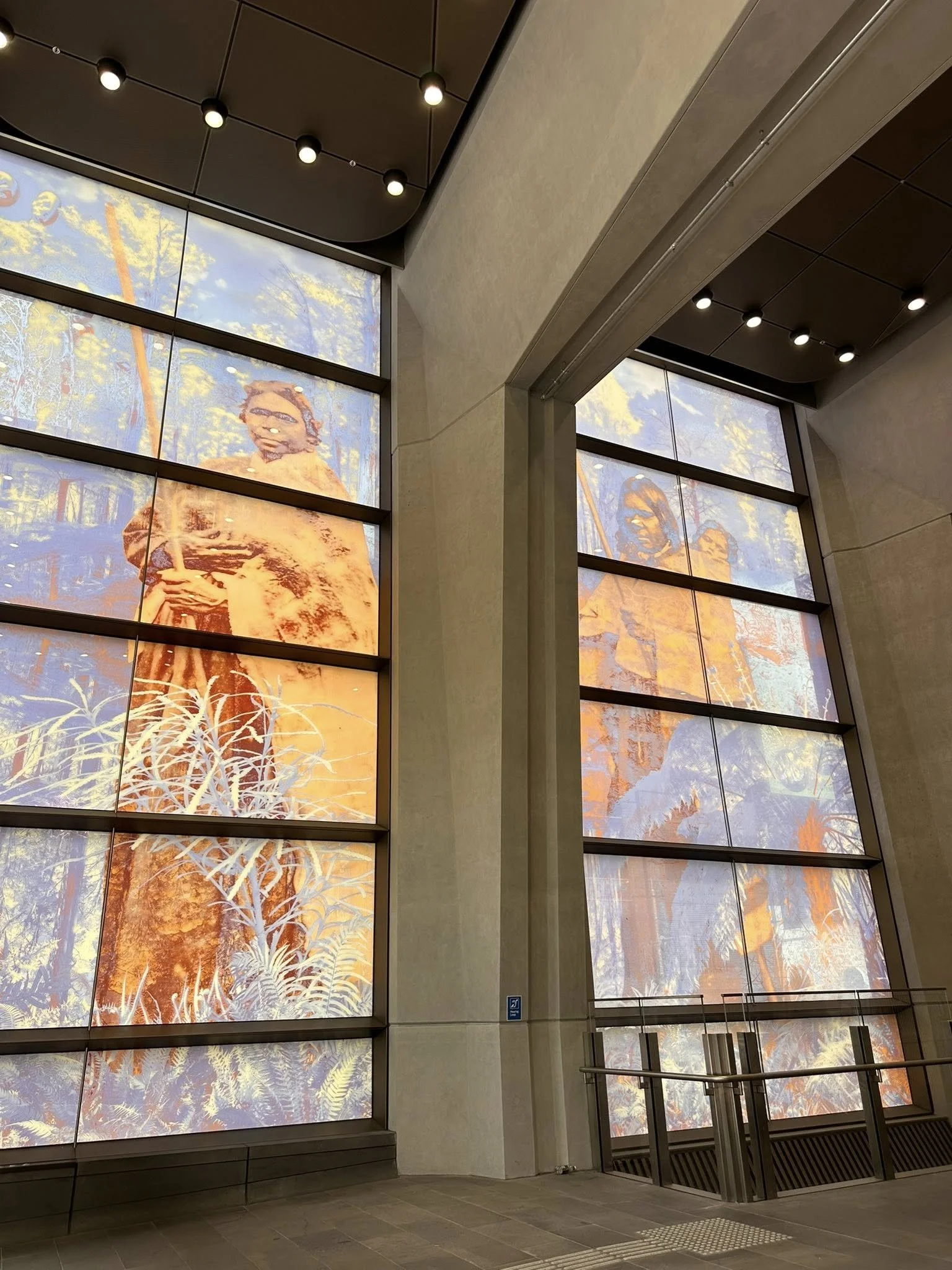
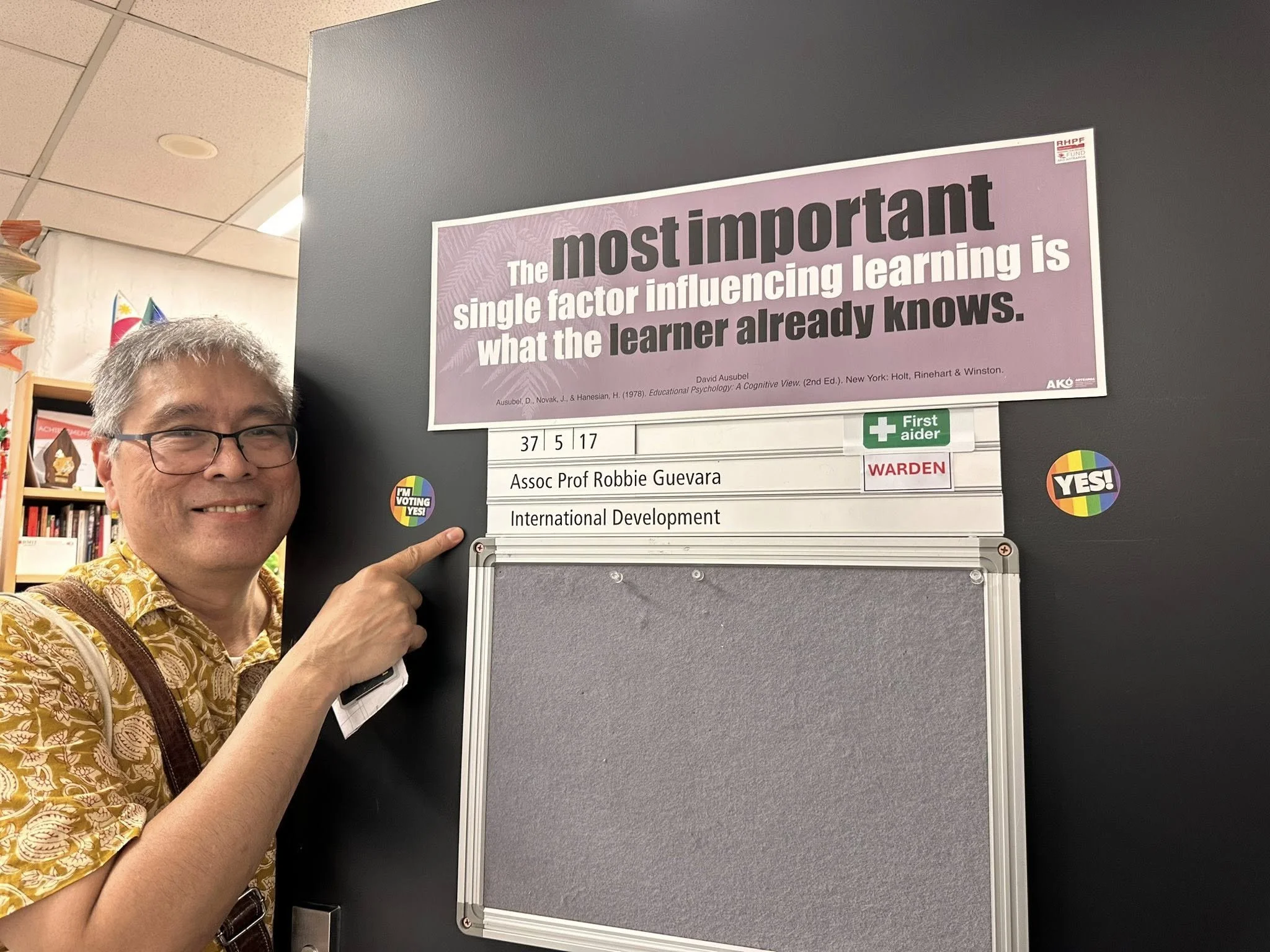
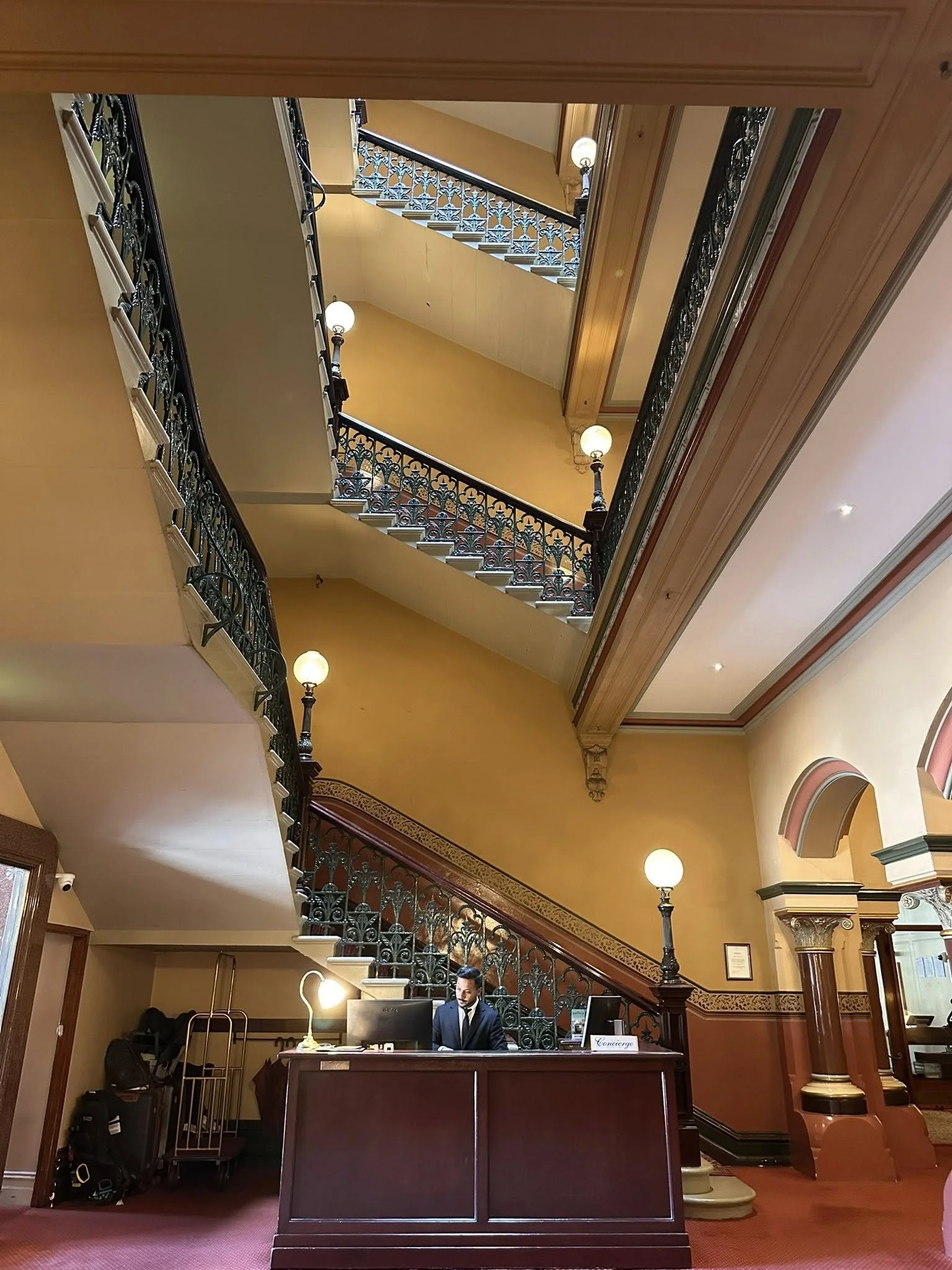
I’m now in Melbourne visiting family, staying with my cousin Robbie and his husband Ian in their cozy home in the southern suburbs of the city. So fun to reconnect after many years, meet the newest members of the family, and see the area through their eyes. We took a free walking tour of the city (museums, monuments, arty alleyways); a day trip to the Yarra Valley with a stop at a stand of redwood (a nonnative species used in a hydrology experiment); sampled Melbourne’s coffee culture and a variety cuisines offered by the city’s diverse population; and utilized the excellent public transportation network.
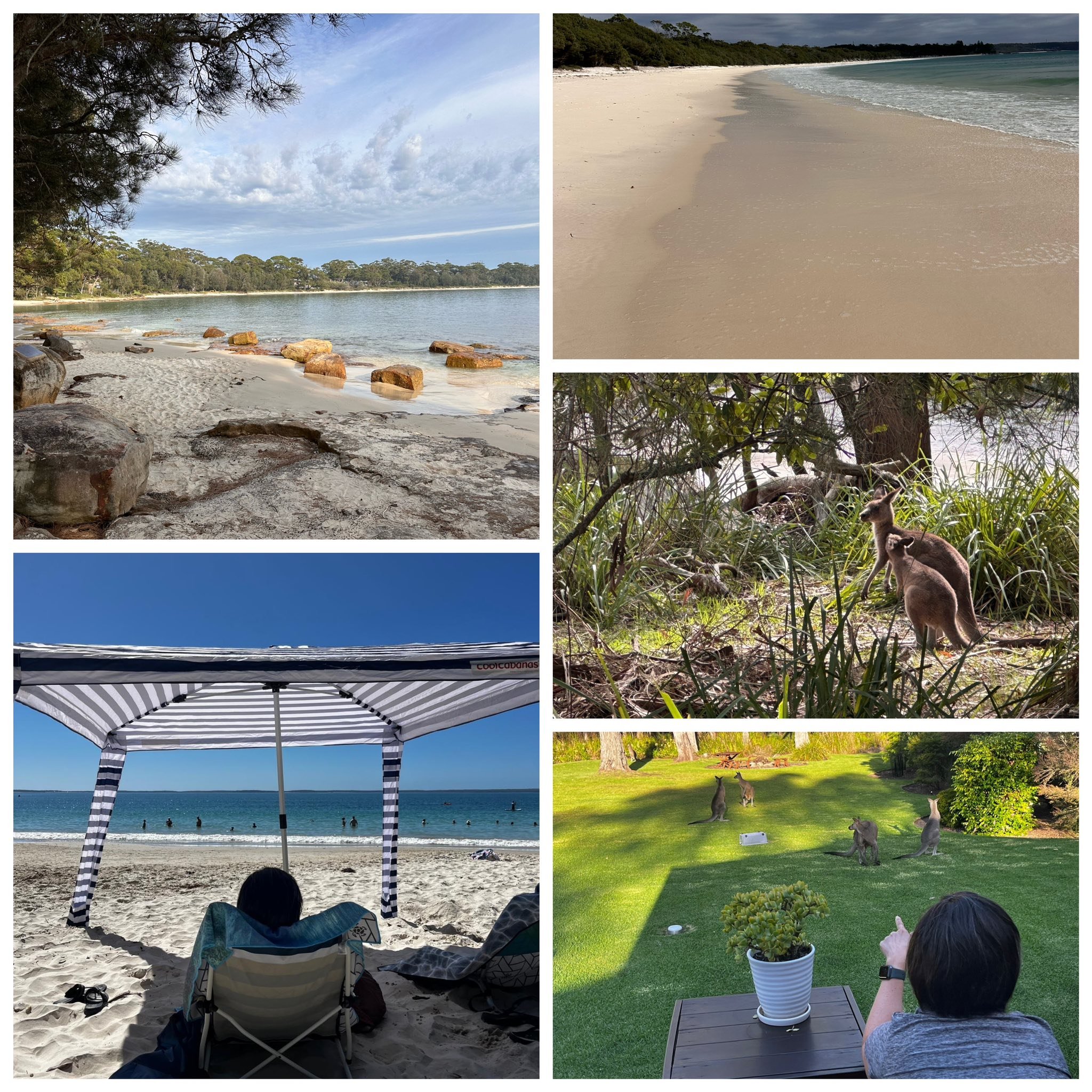
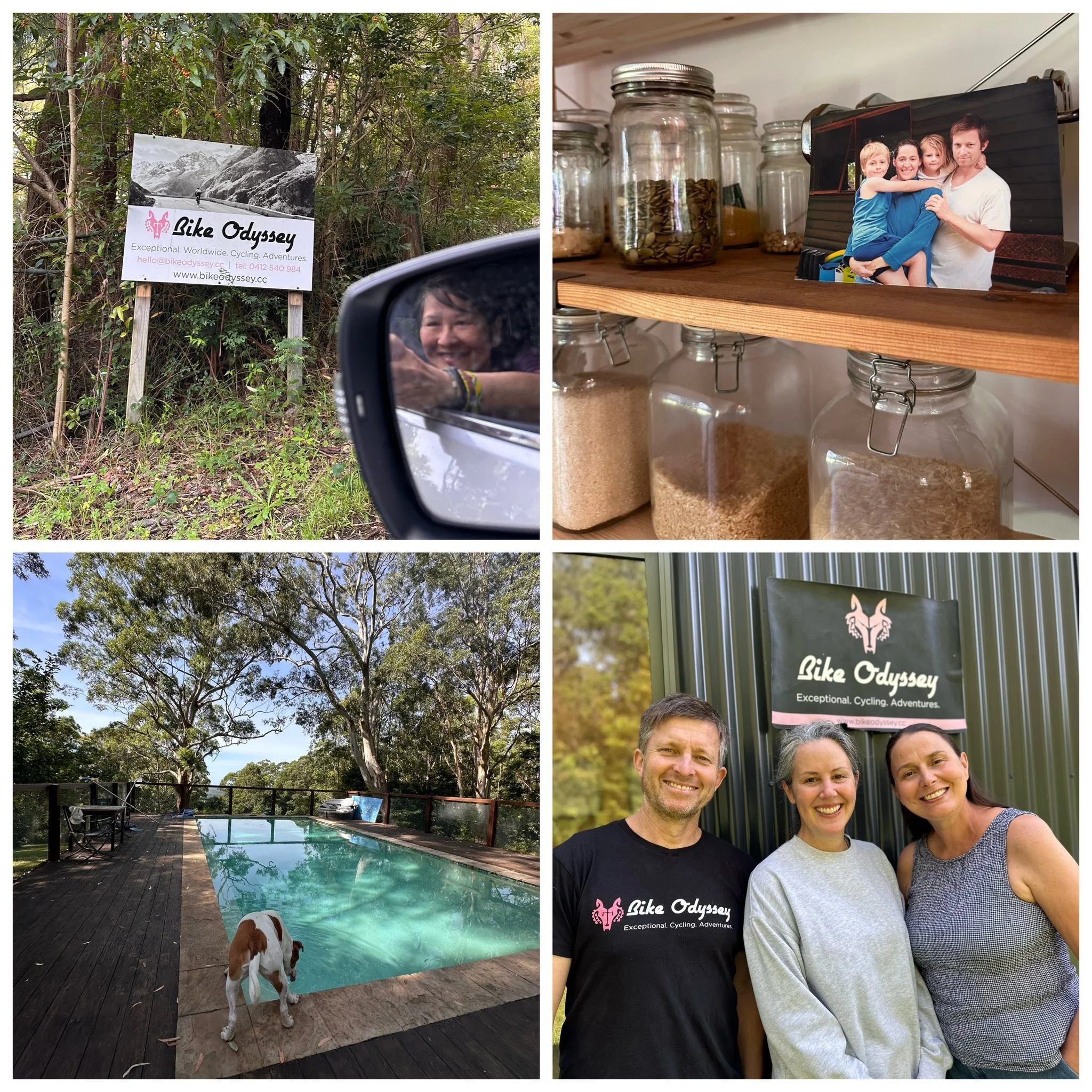
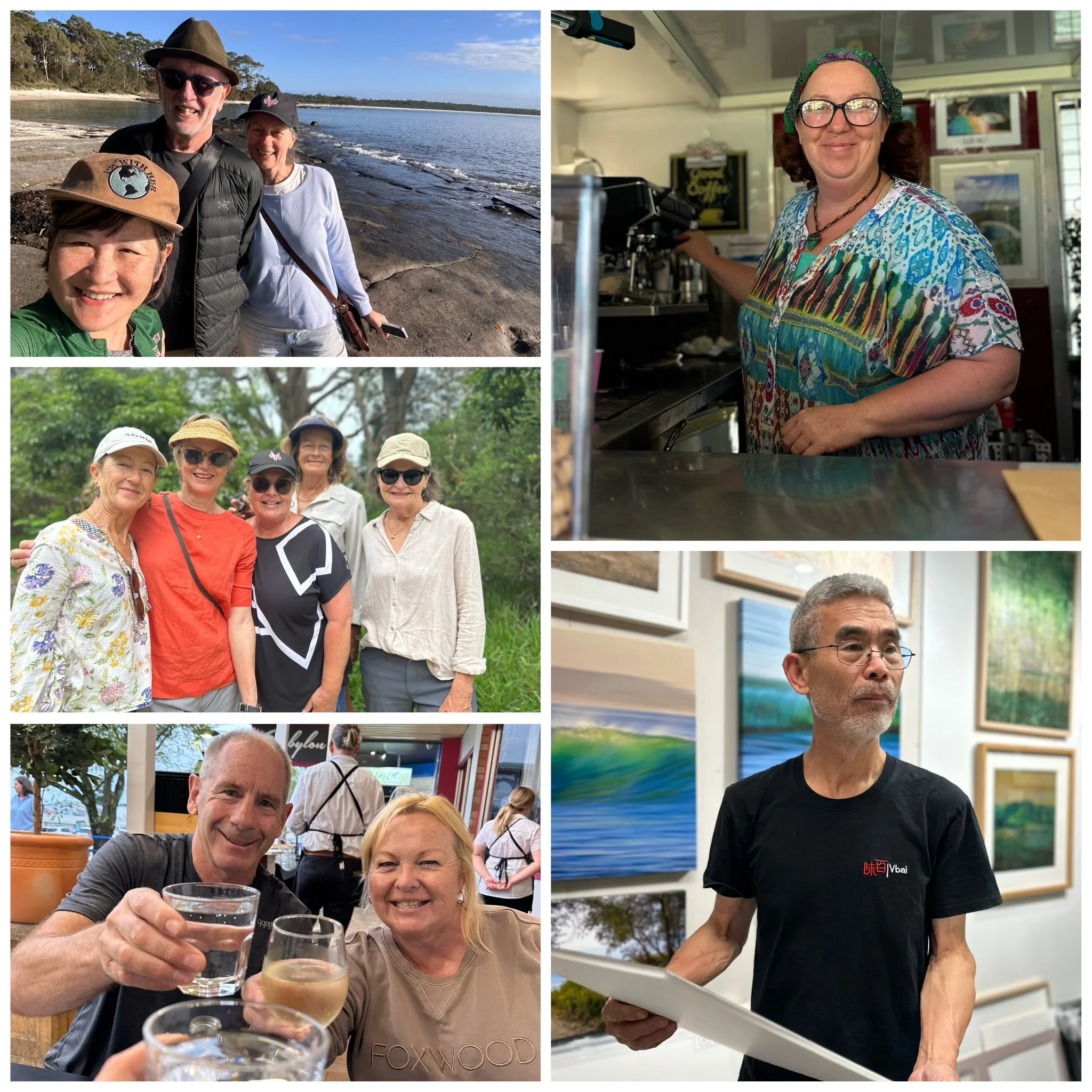
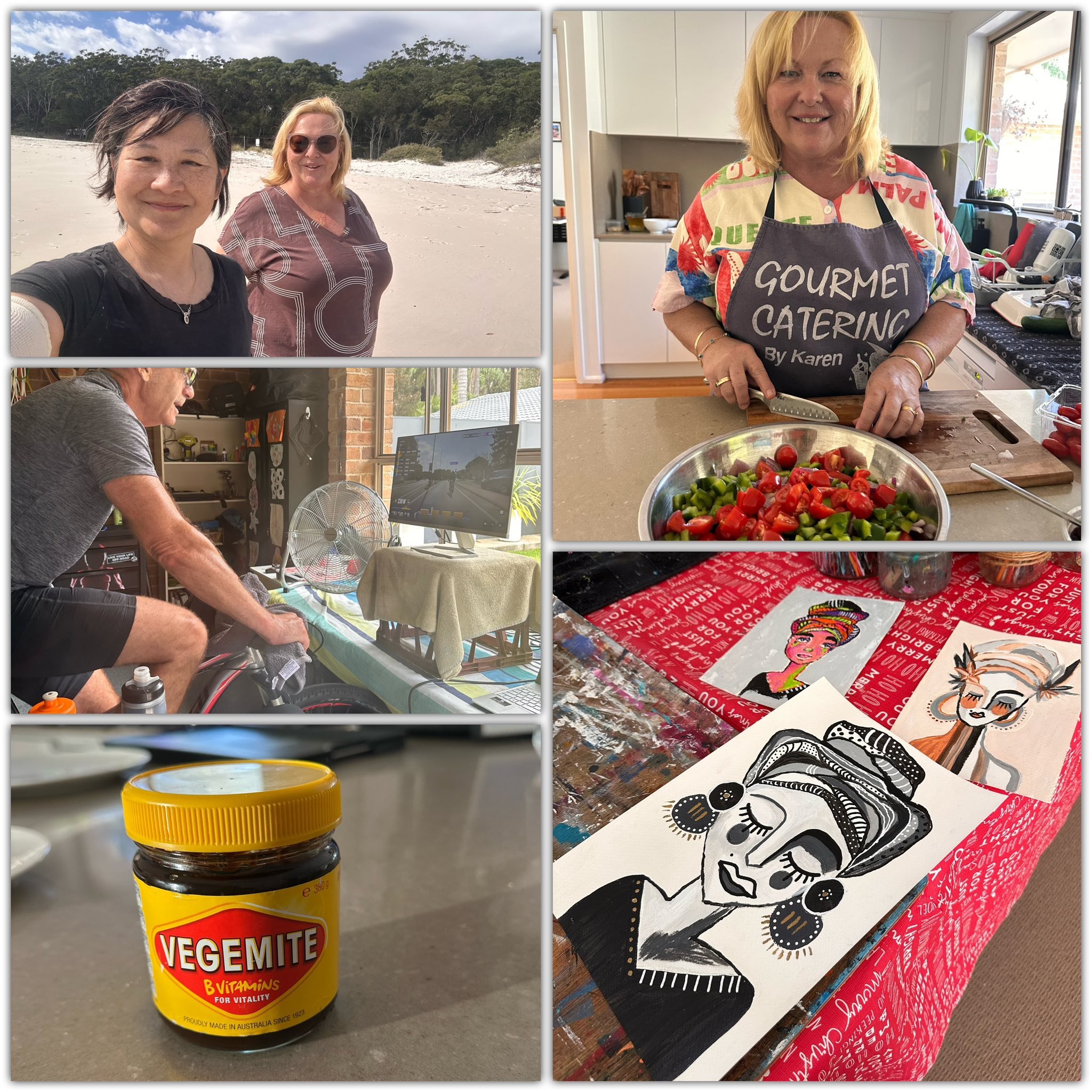
My good friends Karen and David Cunningham told me to make myself at home with them in Jervis Bay—a sunny, beachy area a few hours south of Sydney—and so I have.
I’ve hung the washing on the “Hills Hoist”—a type of outdoor clothes line every Australian household seems to have. I’ve picked a favorite deck chair and watched king parrots and lorikeets swoop and squawk amongst the gum trees while kangaroos foraged in their yard. I’ve joined the Tuesday power walks along the beach with Karen’s gal pals.
I’ve beached, I’ve Vegemited, I’ve flat-whited.
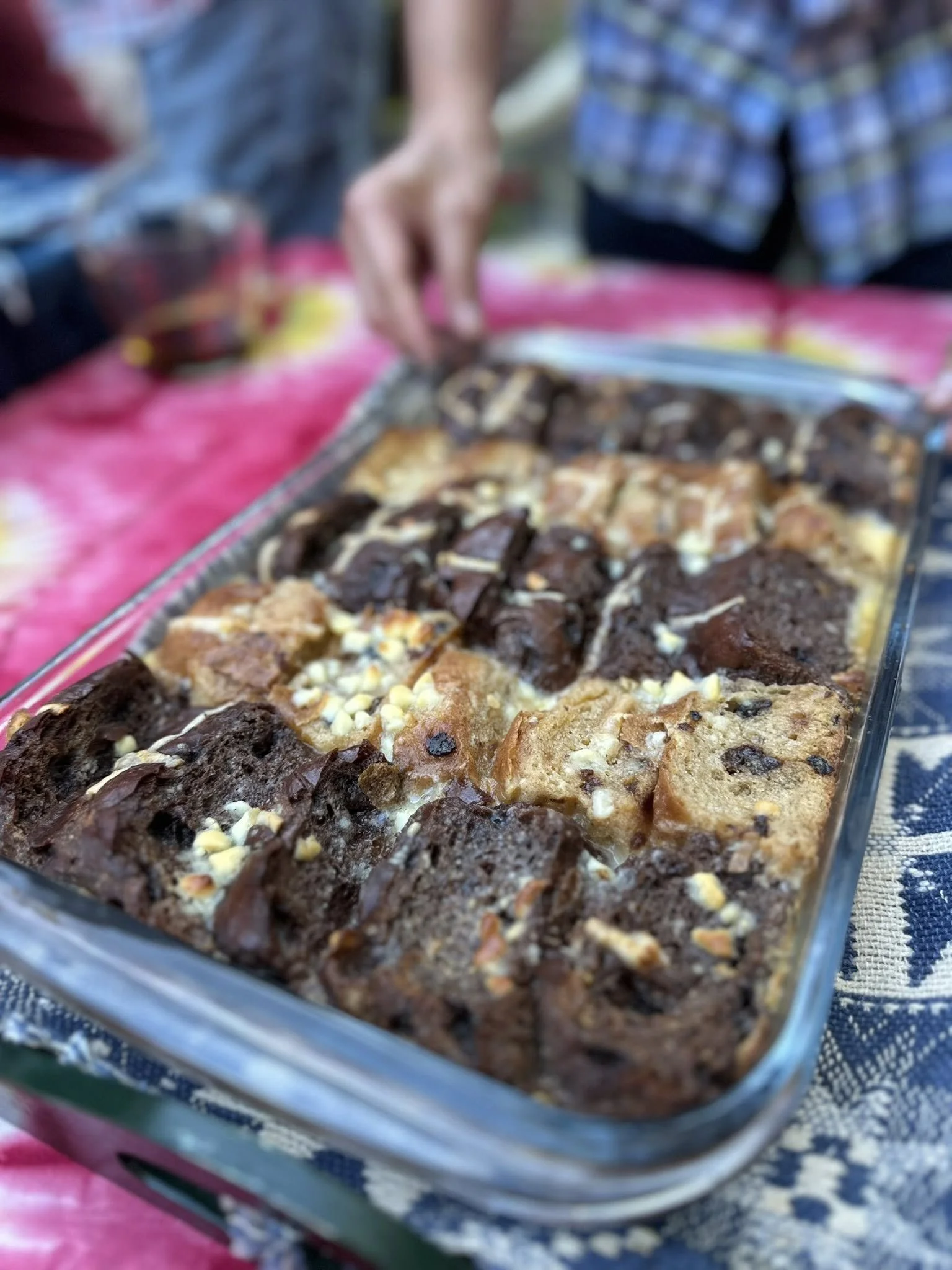
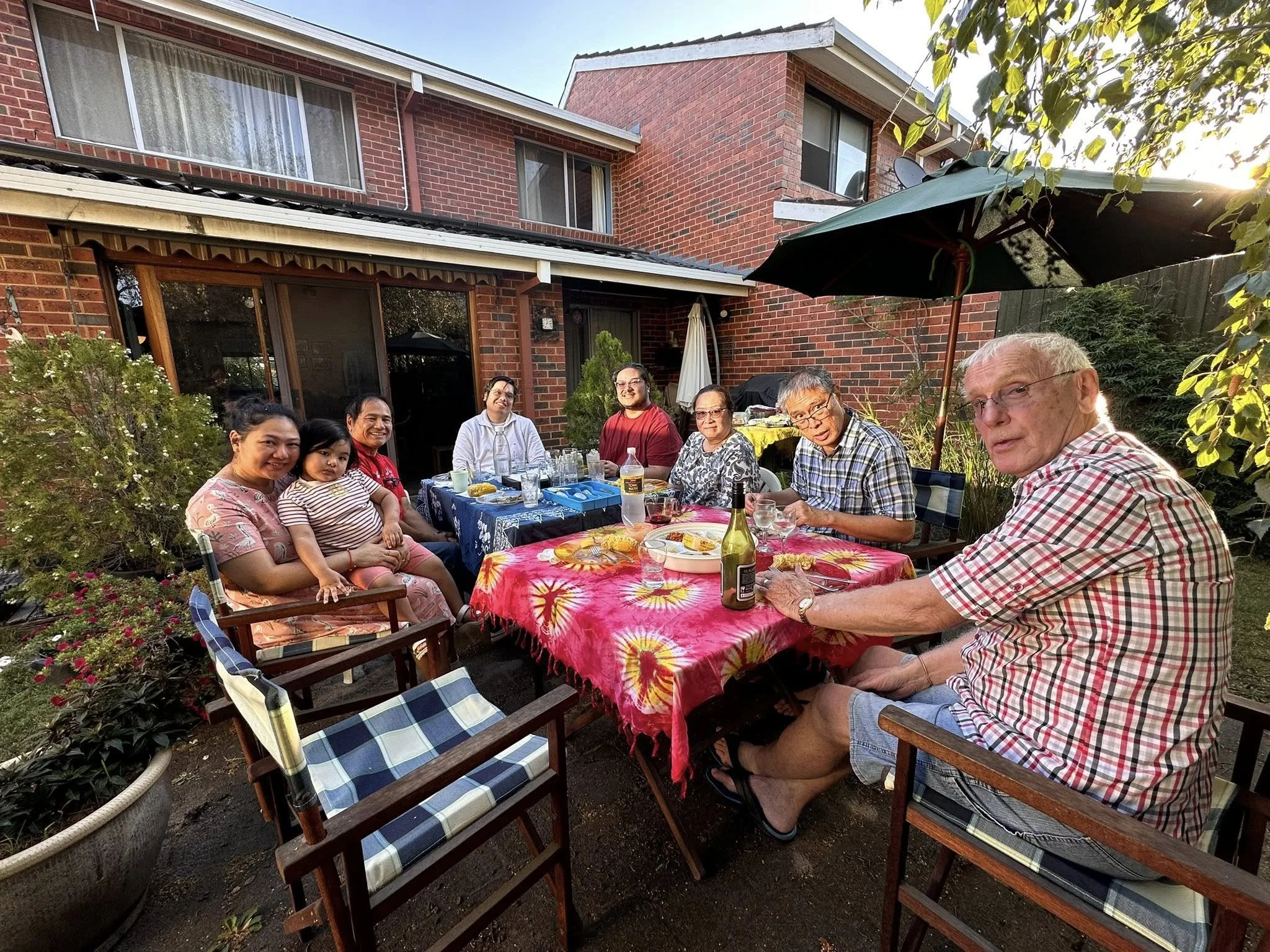
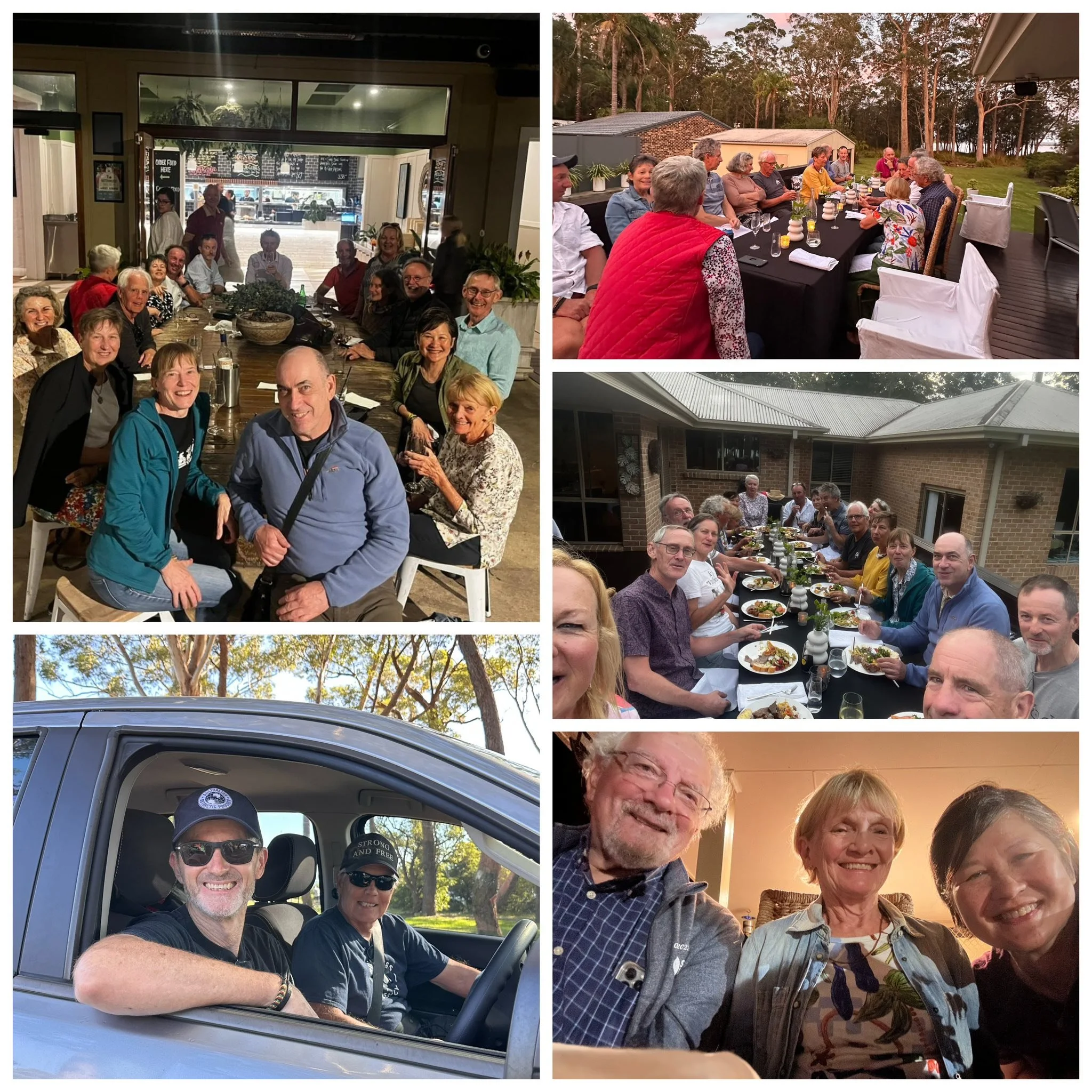
Over the weekend, Karen and Dave gathered cycling friends for a homemade meal turned sumptuous when prepared with fresh ingredients and shared laughter, and served alfresco.
I’m so thankful to have been in community with such lovely friends who nourish and inspire and make the world a happier place.
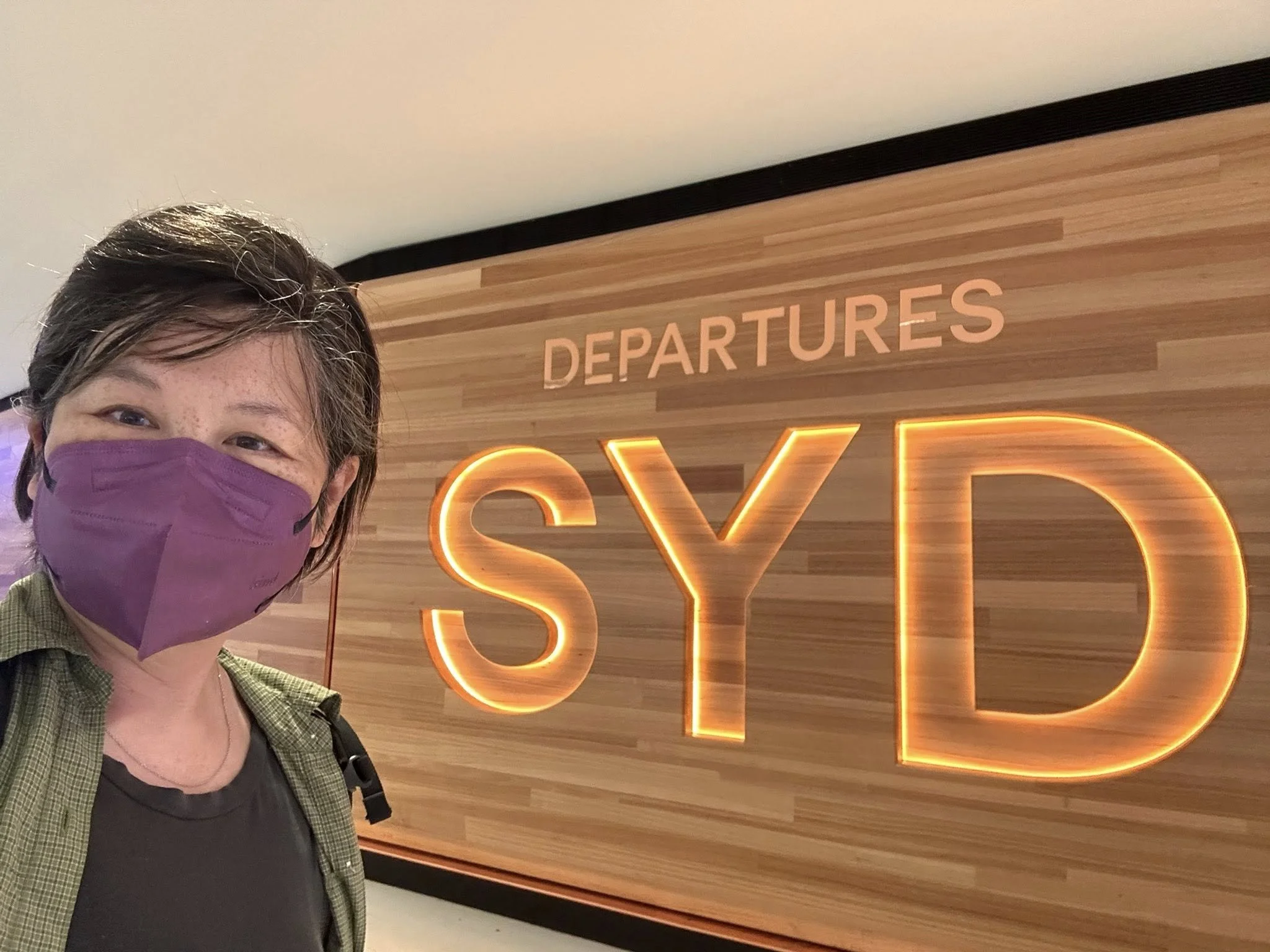

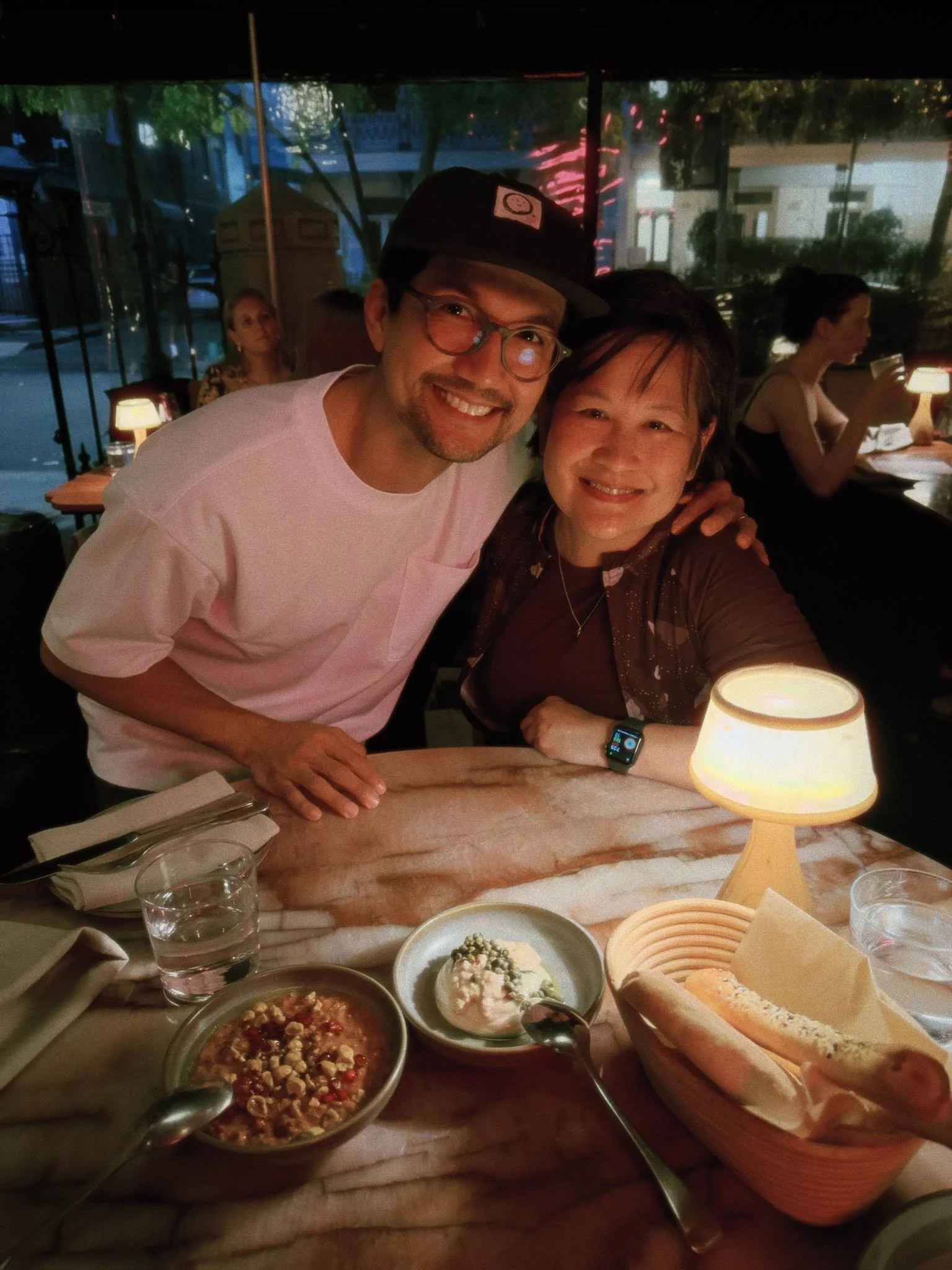
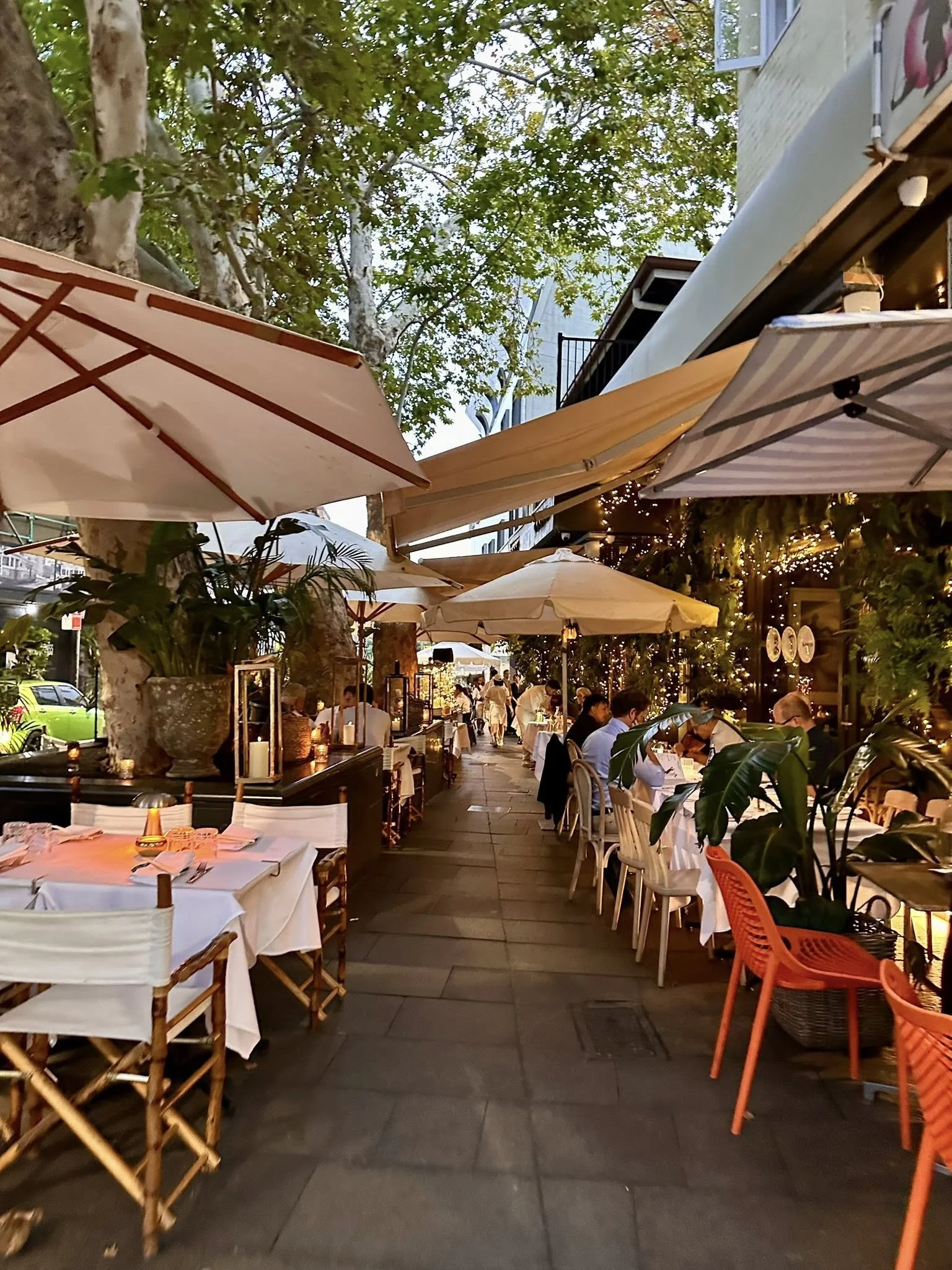
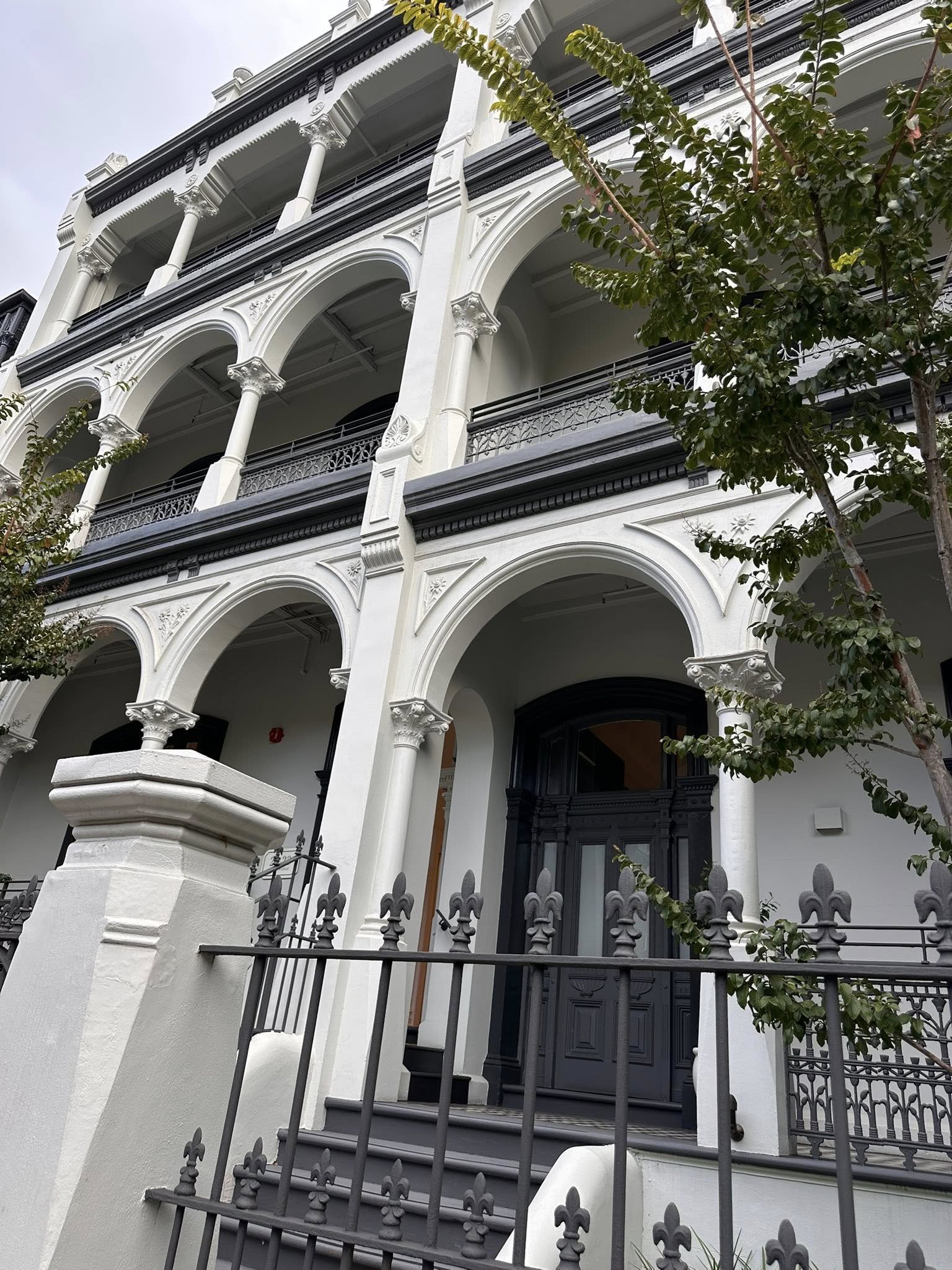
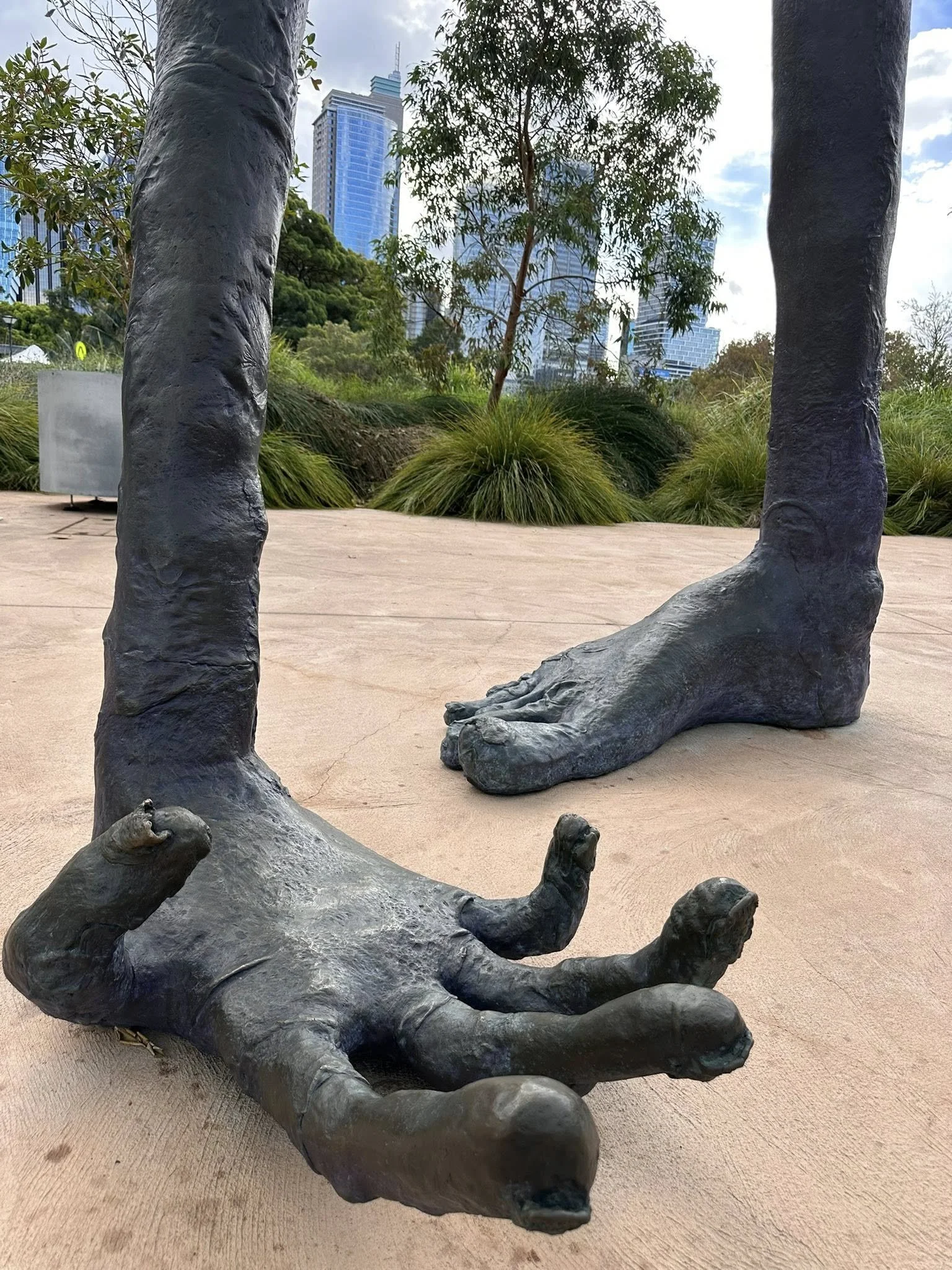
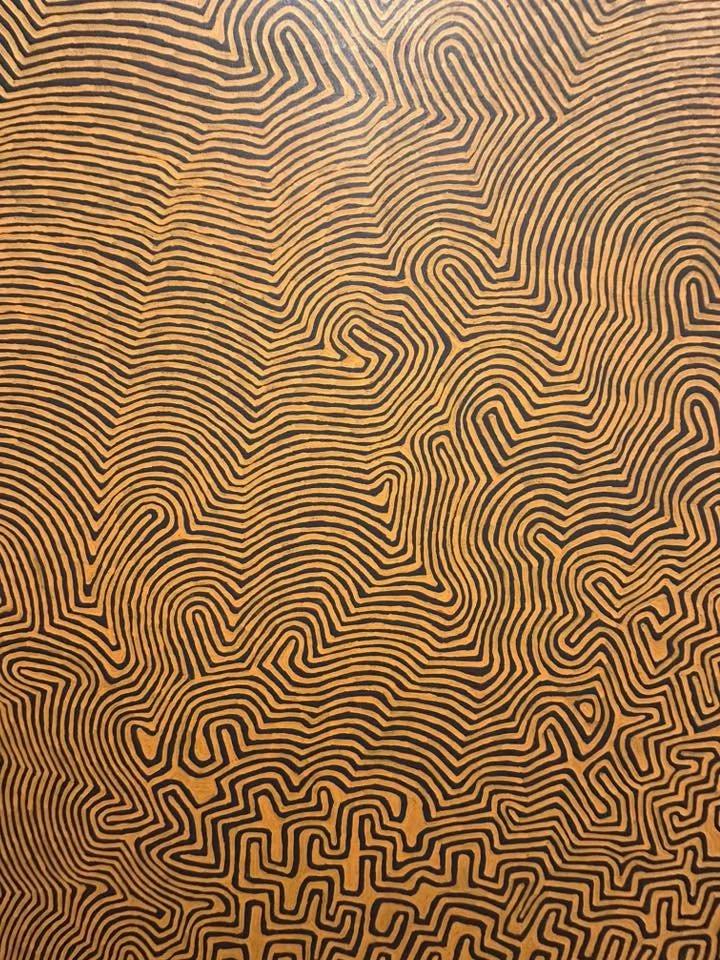
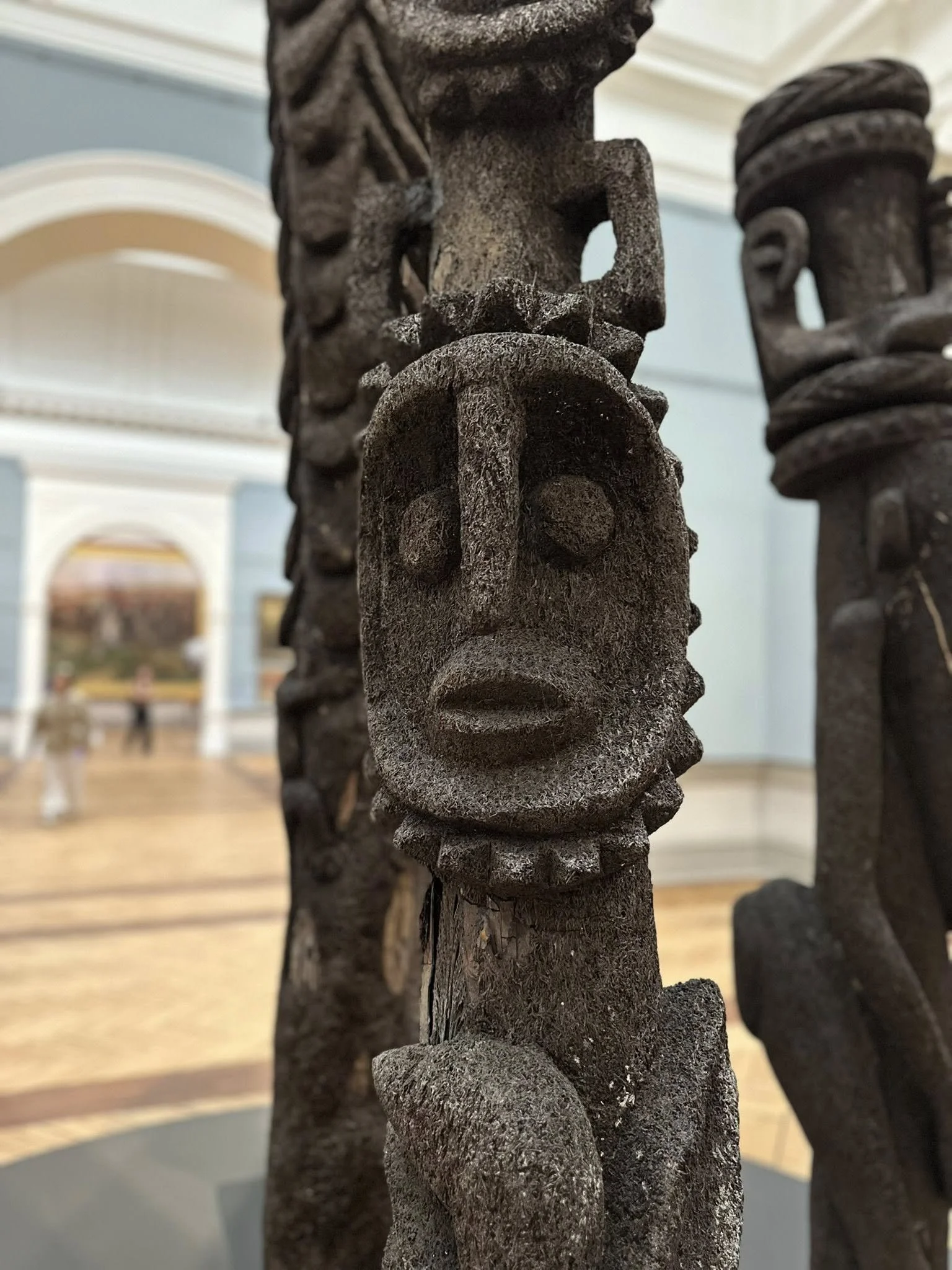
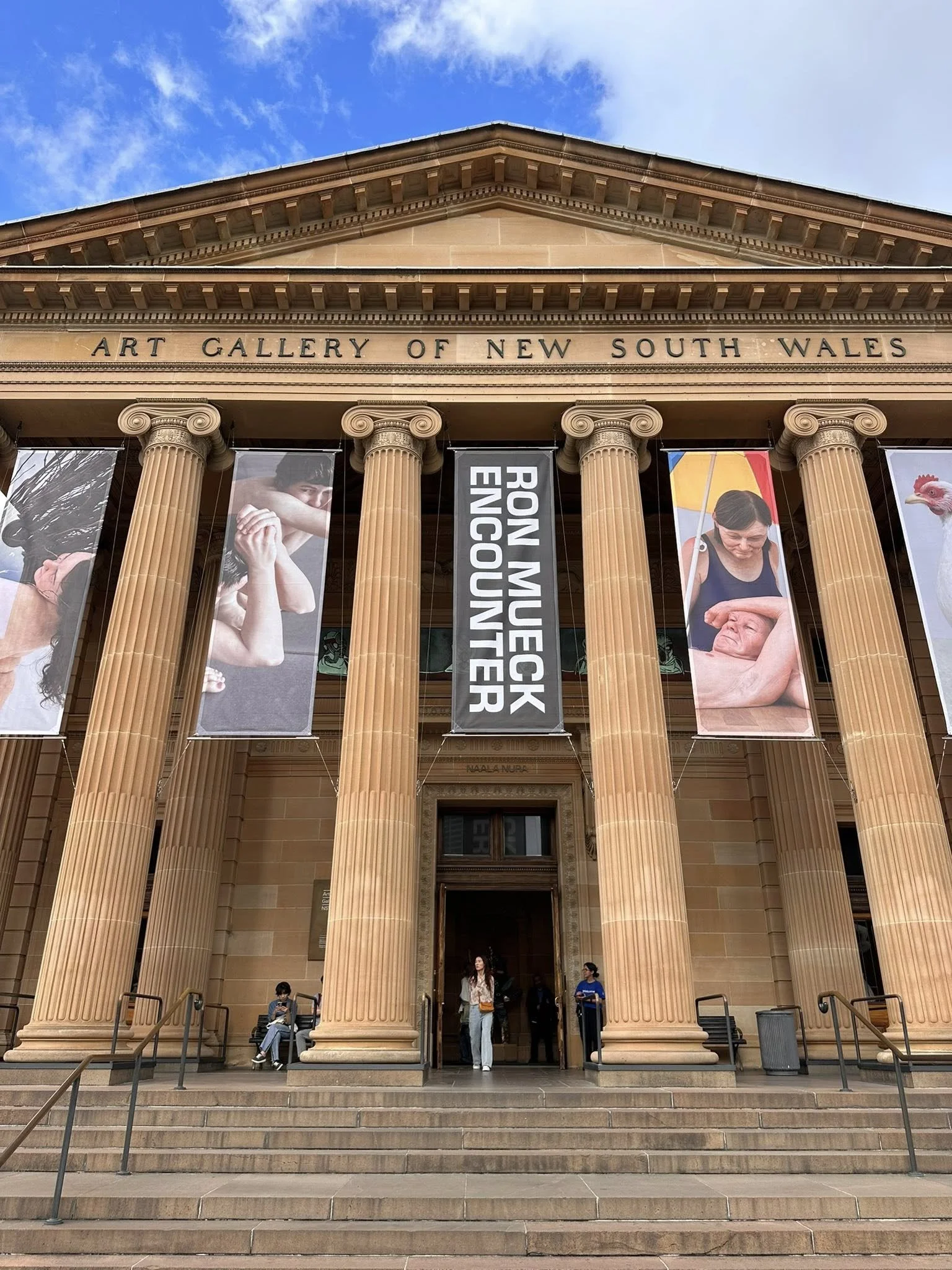
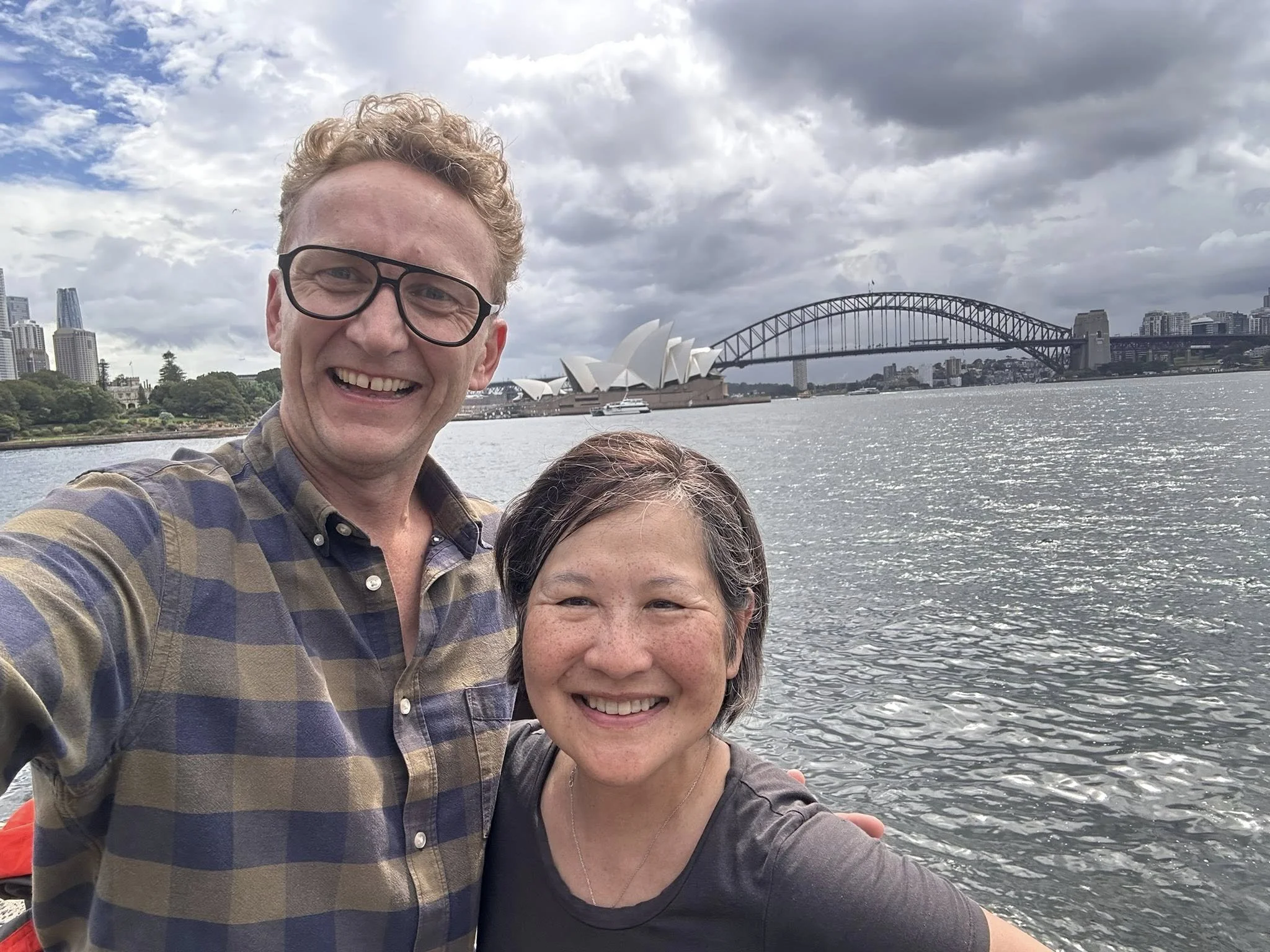
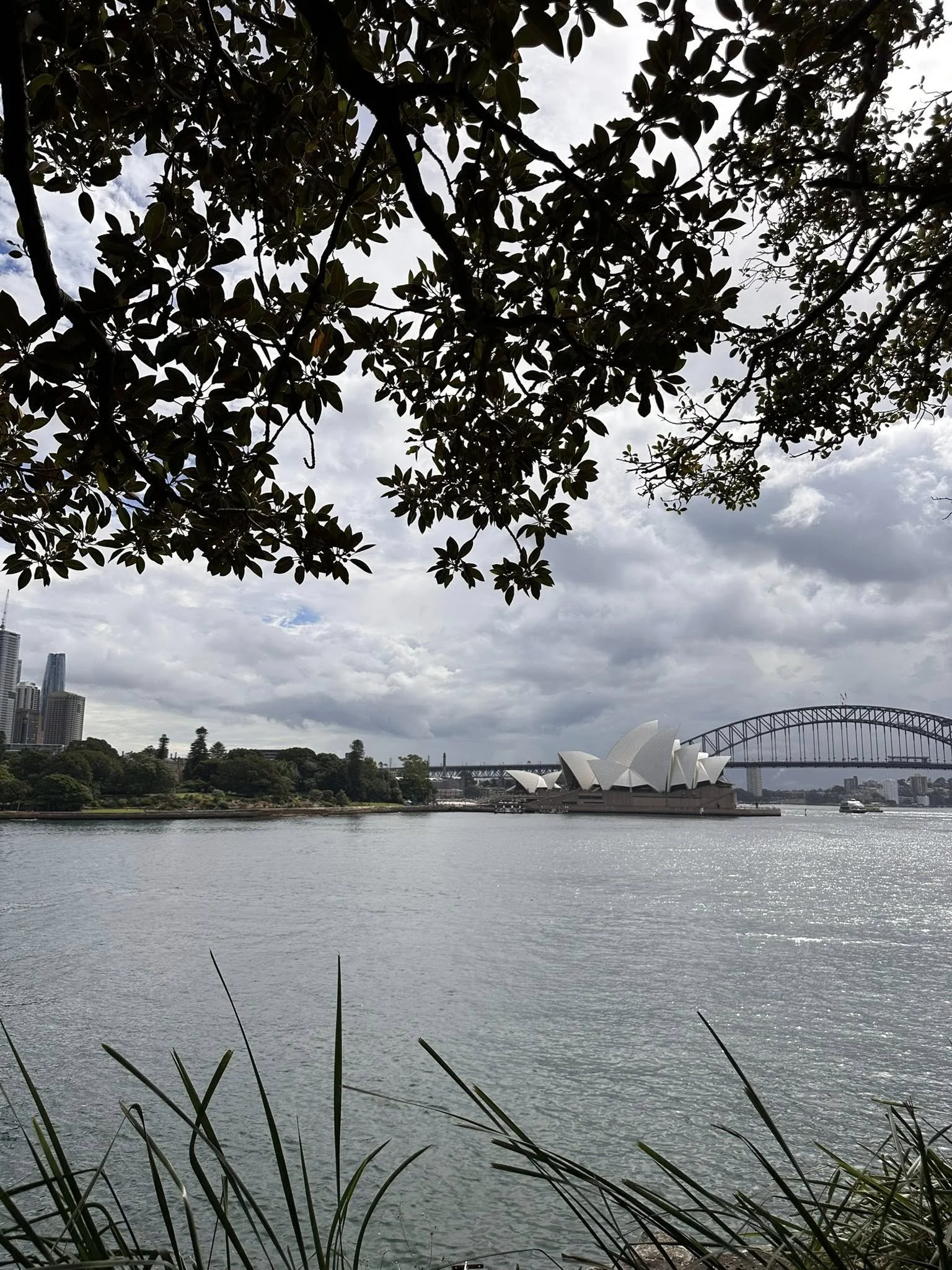
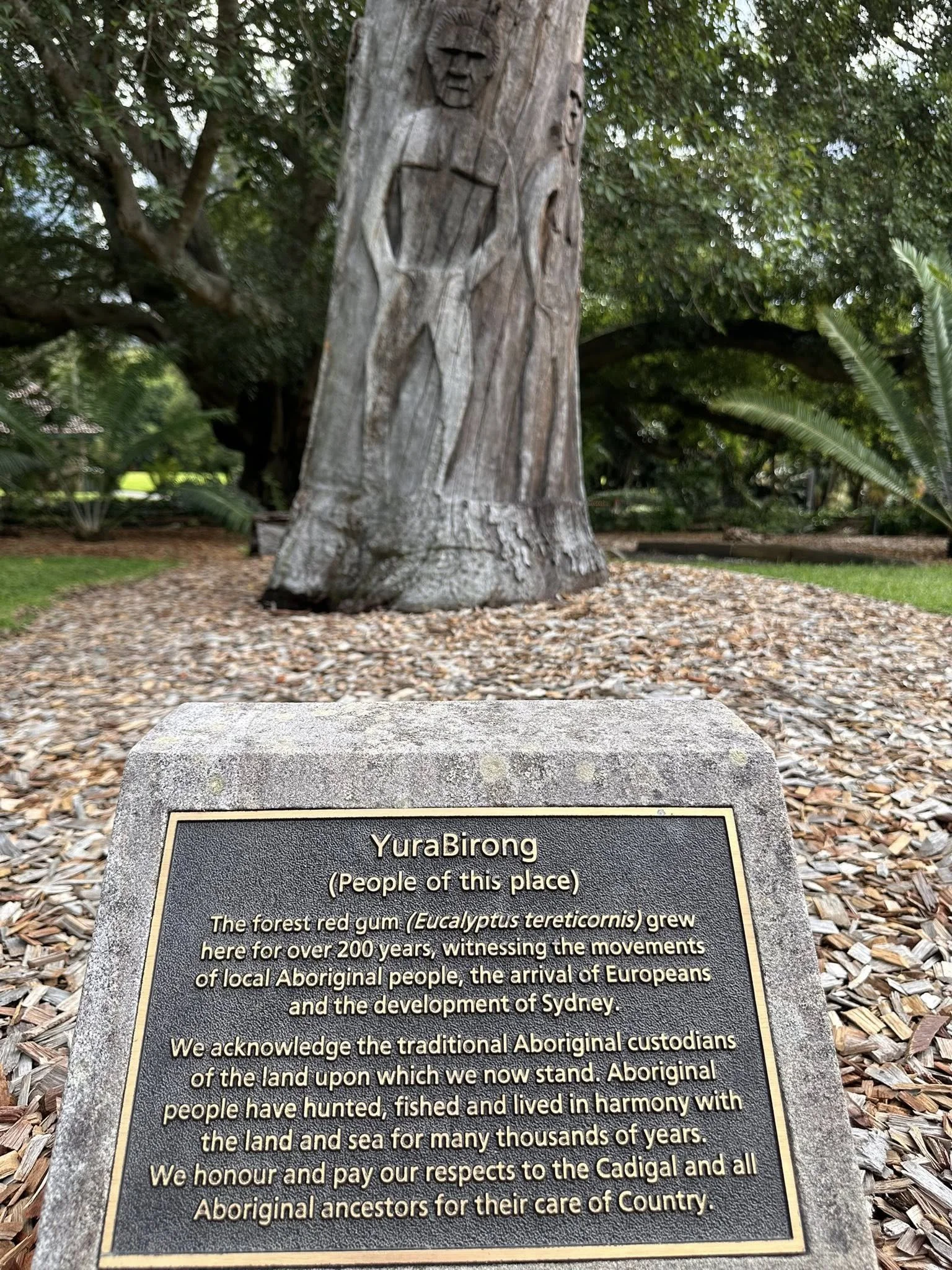
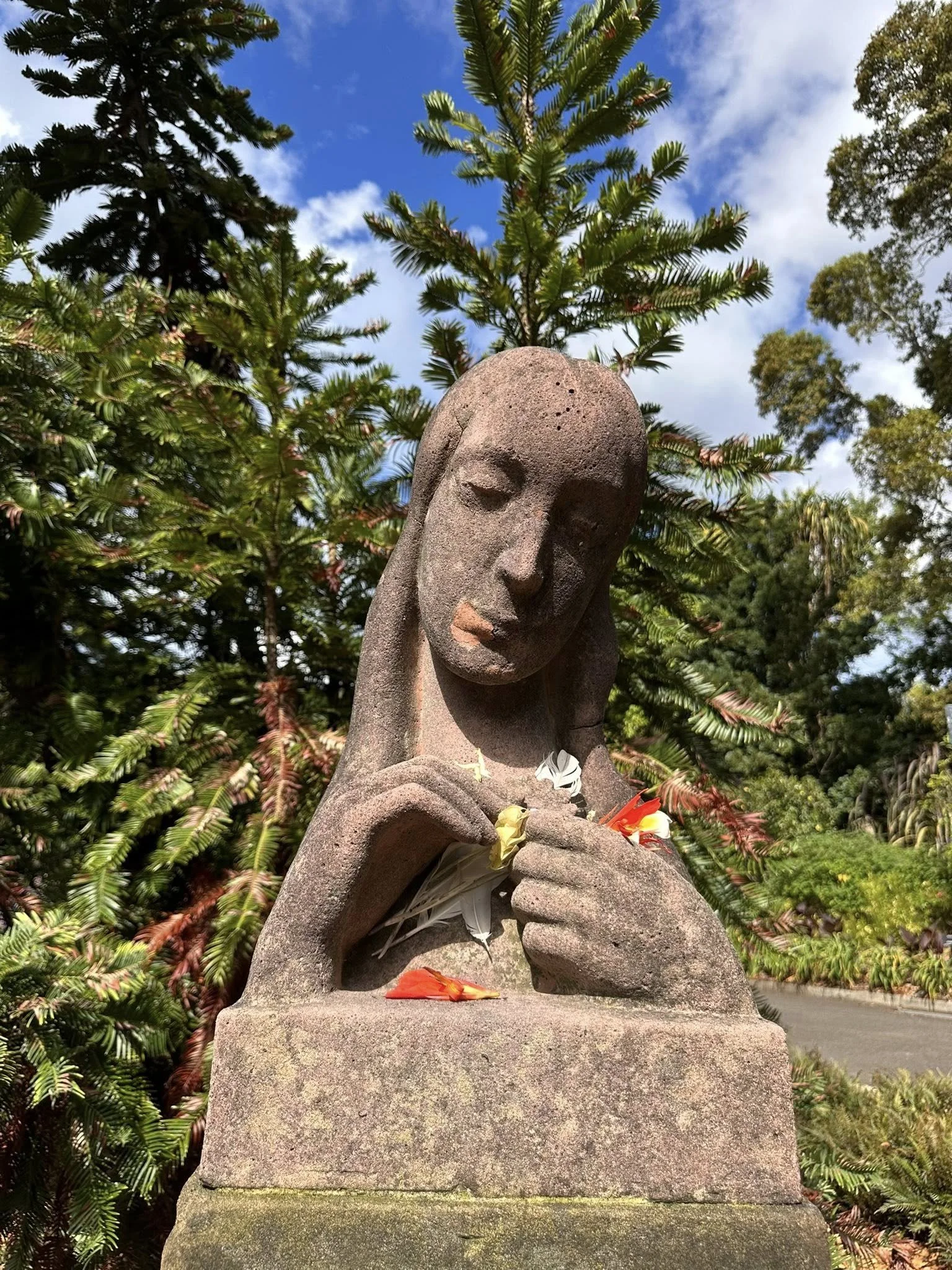
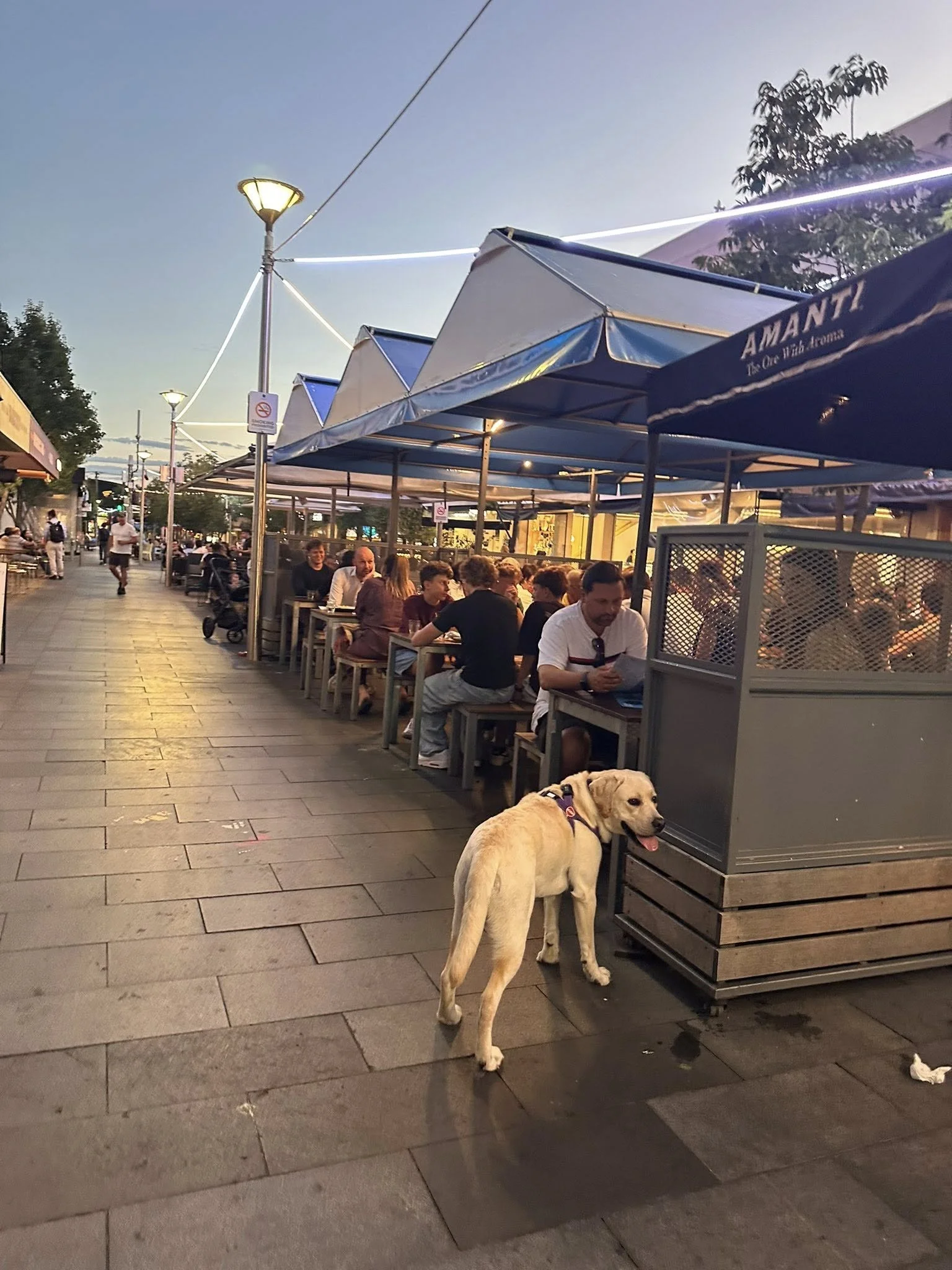
A day in Sydney to cap five wonderful weeks in Australia. A strolling catchup with a friend. A museum visit. And dinner alfresco with a cousin I haven’t seen in 15 years and his lovely wife.
Australia is magical. And the longer the stay and slower the pace, the better.
Everywhere I went, the subject of politics came up. Australians know far more about American politics than the reverse. With its isolated location, it is hugely affected by the rise in gas prices. The leaders Americans choose have an impact on the rest of the interconnected world. We need to choose wisely.
Thanks to friends old and new, and everyone I met along the way who define and protect the world’s great places.
Most photos © Norie Quintos.