
From Troy to Ithaca, By Bike and Boat
/Over two millennia ago, the Greek hero Odysseus helps to end the Trojan War with his idea of a “gift” horse. All he wants to do now is to return to his kingdom of Ithaca and his loving wife Penelope. But the gods have other ideas and it takes him 10 long years to make it home. Or so the story we know as Homer’s Odyssey goes. Come with me on a trip that loosely follows in his track, hopscotching the coast of Türkiye, the Dedocanese islands, the Peloponese, the Greek mainland, and the islands of the Ionian Sea. We’ll be mostly on bikes, sometimes on boats, and the odd mini-bus. Oh, and did I mention? We’ll be gone a month. (And this post is Homerically long.)


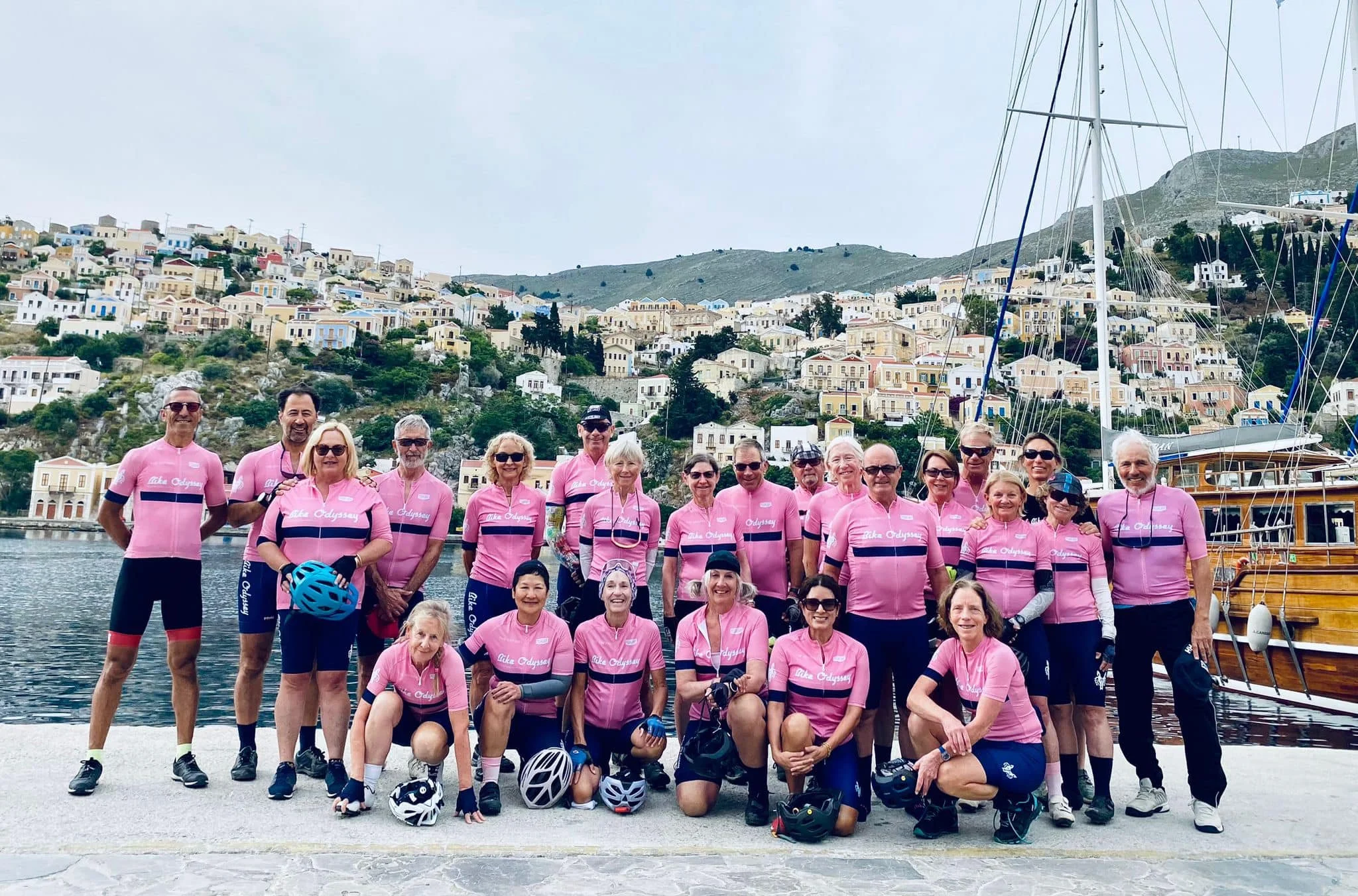
I’ve signed on with the Australian cycling company Bike Odyssey, known for its epic, history-focused, cyclist-centered itineraries and logistically complex routes no other company would attempt. What an experience to (e-)cycle through Turkey’s Gallipoli Peninsula in the company of Australians and a Turkish historian/guide shortly after Anzac Day (when Australia and New Zealand honor those who fought and died in war). With brilliant blue skies above overlooking equally blue waters, it’s hard to imagine the blood spilled in a nine-month campaign during World War I. Until, that is, you see the trenches and visit several of the 37 cemeteries and monuments commemorating the fallen—mostly young men—from both the British Empire and France as well as the Ottoman defenders. Today a large part of the peninsula is a peace park.
The bloody campaign was a strategic debacle for the Allies and a costly victory for the Ottoman Empire, allied with Germany. Nevertheless, it led to the emergence of a national hero for the Turks (in Ataturk) and led to a national awakening for Australians and New Zealanders.
Two quotes stood out from the many informative plaques I read:
“A good army of 50,000 men and sea power—that is the end of the Turkish menace.” —Winston Churchill (then a British minister who helped orchestrate the disastrous Dardanelles naval campaign and was involved in the planning of the military landings on Gallipoli which incurred heavy losses)
“Those heroes that shed their blood and lost their lives ... You are now lying in the soil of a friendly country. Therefore rest in peace. There is no difference between the Johnnies and the Mehmets to us where they lie side by side here in this country of ours ... You, the mothers who sent their sons from faraway countries, wipe away your tears; your sons are now lying in our bosom and are in peace. After having lost their lives on this land they have become our sons as well.” —attributed to Ataturk, though there is some doubt among historians that he wrote it. Nevertheless it is engraved on several monuments and read aloud at Anzac Day ceremonies


Since antiquity, travelers, including Alexander the Great and Julius Caesar, traveled to this northwestern corner of modern-day Turkey, near the mouth of the Dardanelles, believing it to be the legendary city of Homer’s Iliad.
But was it? It was. In the late 19th century a self-taught German archaeologist unearthed the lost late Bronze Age city of the epic poems, hidden under layers of subsequent civilizations.
Visitors today can explore the UNESCO-designated archaeological site and its museum, located 19 miles from Çanakkale, to glimpse 10 distinct cultural layers representing some 4,000 years of continuous habitation. But perhaps the site’s most significant value is the profound influence it has had on such foundational literary works as Homer’s Illiad and Virgil’s Aeneid, and on the arts and culture in general, over more than two millennia. Think of how less interesting life would be without the Trojan horse, Achilles’s heel, Helen—“the face that launched a thousand ships,” and the Cassandra curse.
The visit has re-awakened a youthful fascination I had with Greek and Roman mythology, nurtured by my grade school social studies teacher, the late Ann Glennon and my high school Latin teacher Elizabeth Heimbach.


Two temples today in the area known in ancient times as the Troad, today’s Biga Peninsula.
Around ancient Troy and the Ionian islands, Apollo was worshipped as the Lord of the Mice, or Apollo Smintheus. He helped farmers destroy pesty mice and transmitted the plague to those who fell out of his favor. The ruins of Apollon Smintheion, near are the only example of this mouse cult in the country. The Ionic-style temple dating to 150 B.C. has relief friezes depicting the Trojan War. Only 24 meters of the 120-meter-long reliefs have so far been unearthed.
At Assos stands the remains of the only Doric temple in Asia Minor, dedicated to Athena and dating to 530 BC. Six of the original 38 columns remain. In the early 1900s sculptures of the Temple of Athena were moved to museums like the Louvre.
One famous resident of Assos was Aristotle, who helped found a philosophic school here.
Just a couple of the cool things we’ve cycled to or through today.


It’s unclear exactly how the residents of the Greek island of Lesbos (Lesbians) became associated with same-sex attraction between women. The most common explanation is that it is the island where the 7th century B.C. poet Sappho was born. Though little of her poetry remains, some of it deals with homoerotic themes.
The island features in many myths. Here’s one: Philomeleides, king of Lesbos was said to challenge guests to a wrestling match to the death. Odysseus, on his way to the Trojan War with the Greek fleet, however, bests the overconfident king. Homer mentions the island in both the Iliad and the Odyssey.
A ferry ride with our bikes from Turkey crossed international borders into Greece for the day, where we pedaled north along the coast and inland through groves of Mediterranean pines, chestnut trees, oaks, and olives.


It’s a complicated story but here’s the simplified version: Pergamon was founded by the eunuch king Philetaerus, who came from humble beginnings to become a lieutenant to Lysimachus, one of Alexander the Great’s generals. After Alexander died and the generals began to fight among each other, Philetaerus rebelled and kept the treasure and made himself king in the third century BC, during the Hellenistic age.
Pergamon had a library second only to Alexandria’s in Egypt. Parchment was produced here, replacing the need for papyrus; in fact the word parchment derives from Pergamon. Its monumental temple (its magnificent reliefs are at the Pergamon Museum in Berlin) to Zeus was mentioned as “Satan’s Throne” in the Bible’s Book of Revelations. Its outdoor theatre is said to be the world’s steepest, with an angle of about 70 degrees.
Our guide Aydin is a master storyteller, giving life to these old stones. He took us through the acropolis, and then walked us down to the modern town, as the winds whipped and the skies turned ominous.

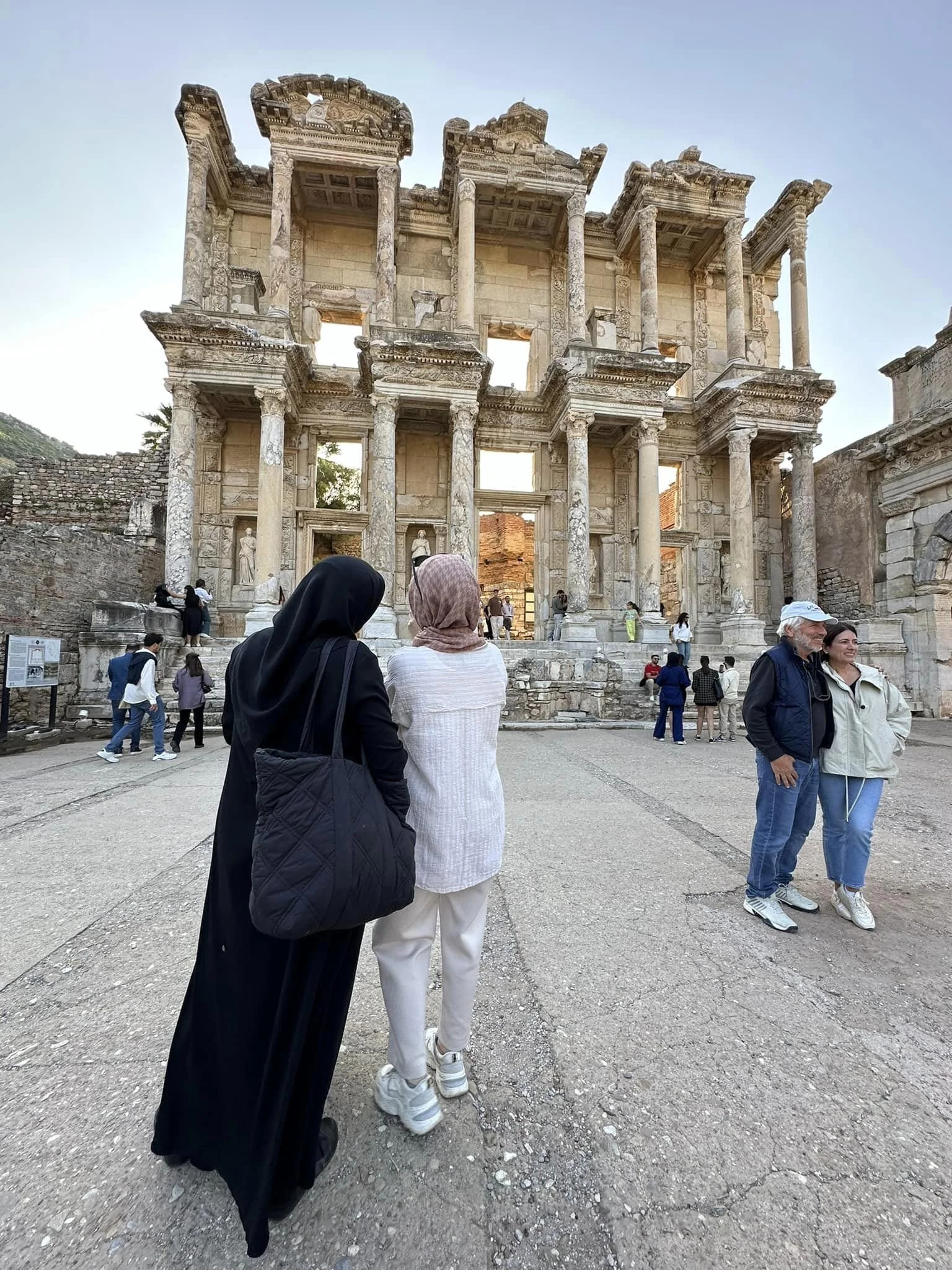


World wonder: If you were a first century traveler, the 7 wonders of the ancient world would have been on your bucket list. (Of the seven wonders, only the Pyramid of Giza, the oldest of the wonders, remains standing.) Two are in modern-day Turkey; and one of these is at Ephesus, legendarily founded by the Amazons (the race of warlike women, not the ubiquitous shopping behemoth.)
Only the foundation and fragments remain of the Temple of Artemis. One iteration of the structure was funded by wealthy Croesus of Lydia (the origin of the phrase “rich as Croesus”). The next and last form of the temple (4th century BC) was its greatest. One ancient travel writer said he had seen all the other wonders of the world, “… but when I saw the house of Artemis that mounted to the clouds, those other marvels lost their brilliancy….”
Unfortunately there’s little left of the temple; nevertheless, a visit to this UNESCO site is wondrous. The Library’s striking facade is iconic; it was the third-largest library during its time (after Alexandria and Pergamon), housing approximately 12,000 scrolls. The remains of seven houses where Ephesus’ richest residents lived have been unearthed: 2,000 years later and still so opulent.
The apostle Paul spent a few years here in the first century (AD, of course) and some of his many letters were written from this city.


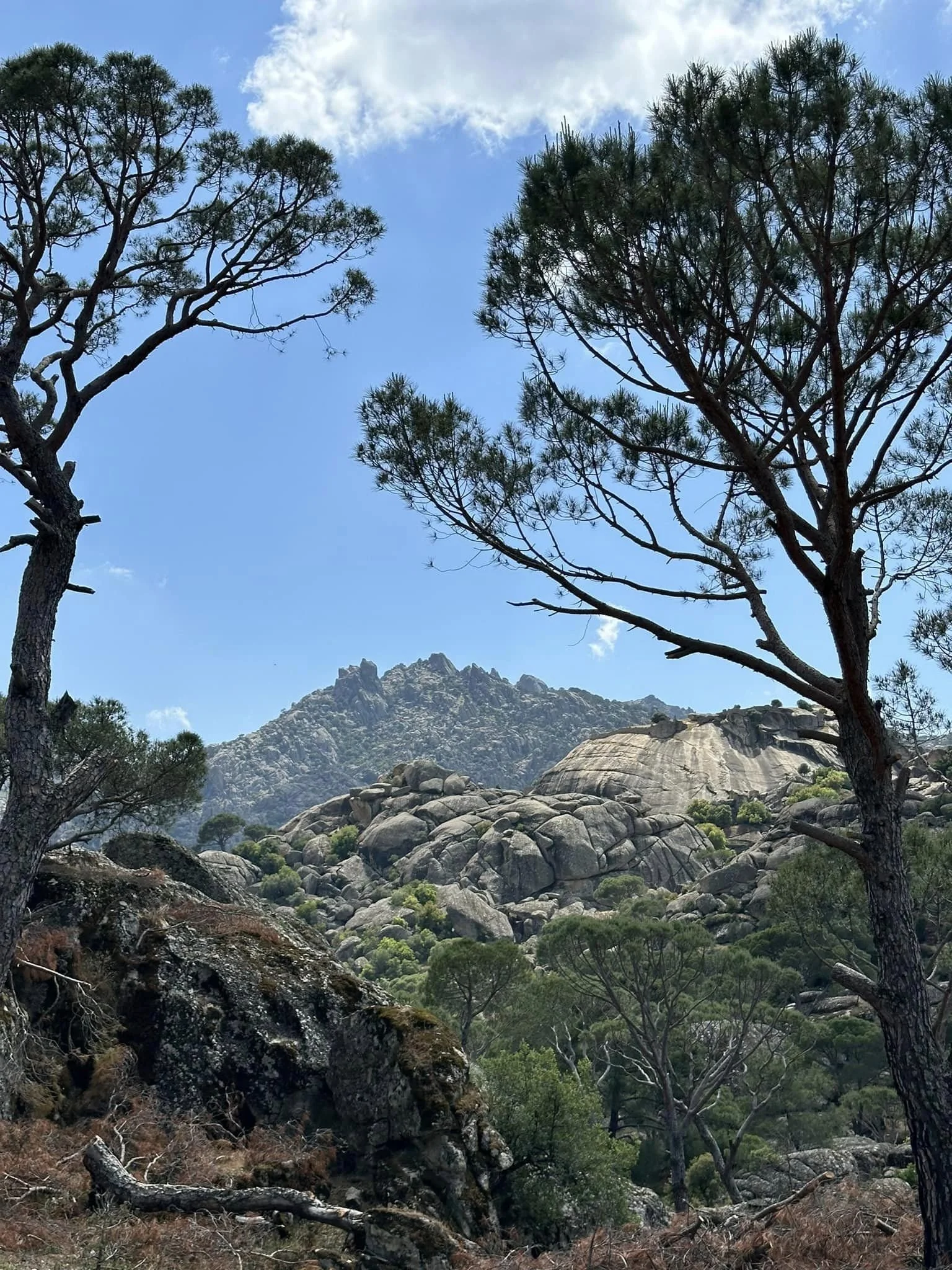


Long but glorious ride through the Latmos Mountains—an astonishing landscape of giant boulders, umbrella-shaped nut pines, fortified monasteries, and prehistoric rock art, alongside which the river Meander (now Menderes) snakes and winds. It is in fact the origin of the word “meander.”
Our 102km ride ended in Euromos at the site of one of the best preserved Roman temples in Asia Minor, the Temple of Zeus Lepsynos, from the second century (though the site goes back to the sixth century BCE). The area was fenced off, but if I could have come closer I would have looked for a panel with the names of magistrates the building is dedicated to, reportedly among them a “Leon Quintus,” a name so similar to mine. (Most of you know that “Norie” is a nickname for my given name, “Leonor.”) It would’ve been cool to see a 2,000-year-old version of my name etched in marble.
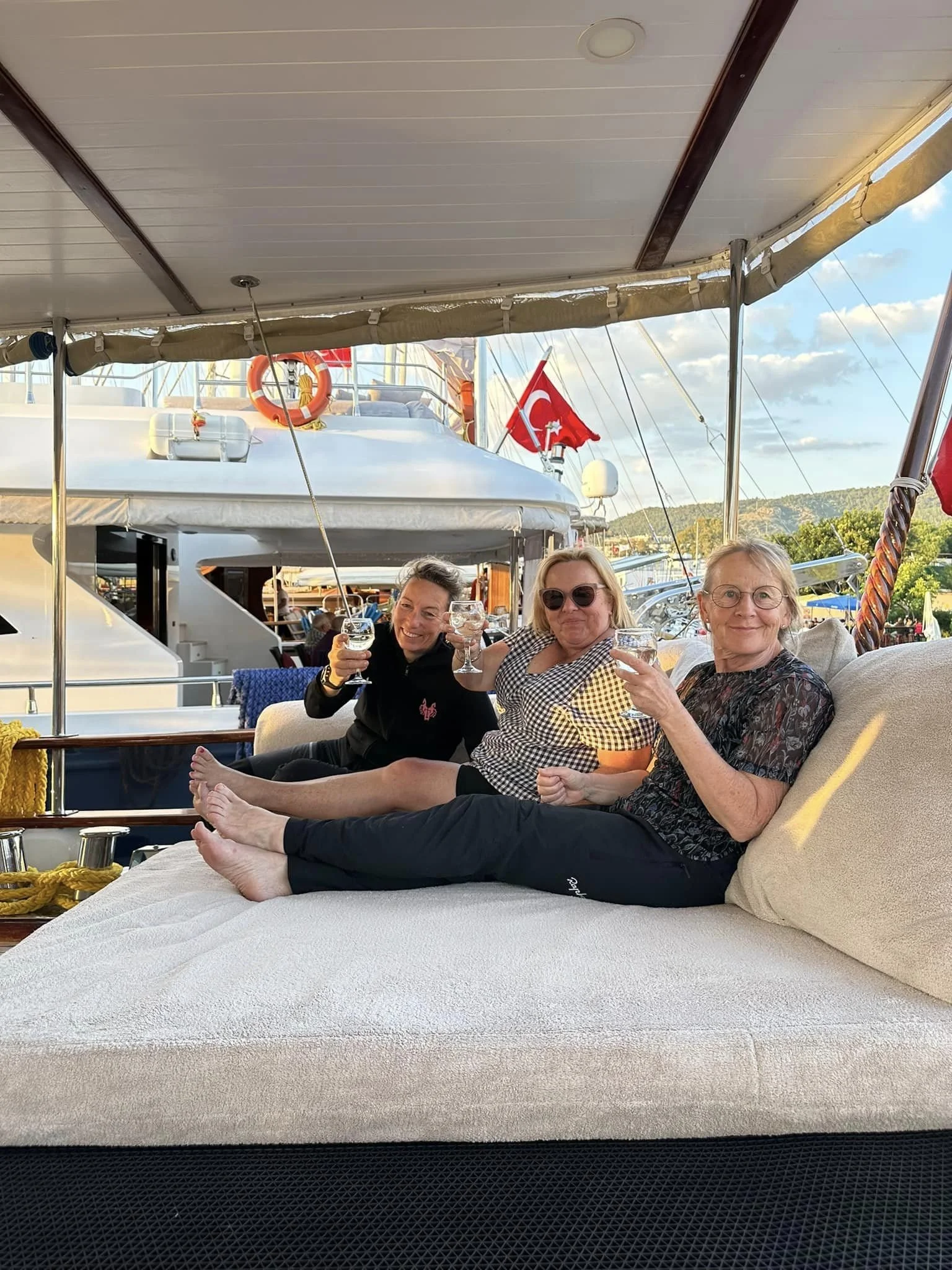
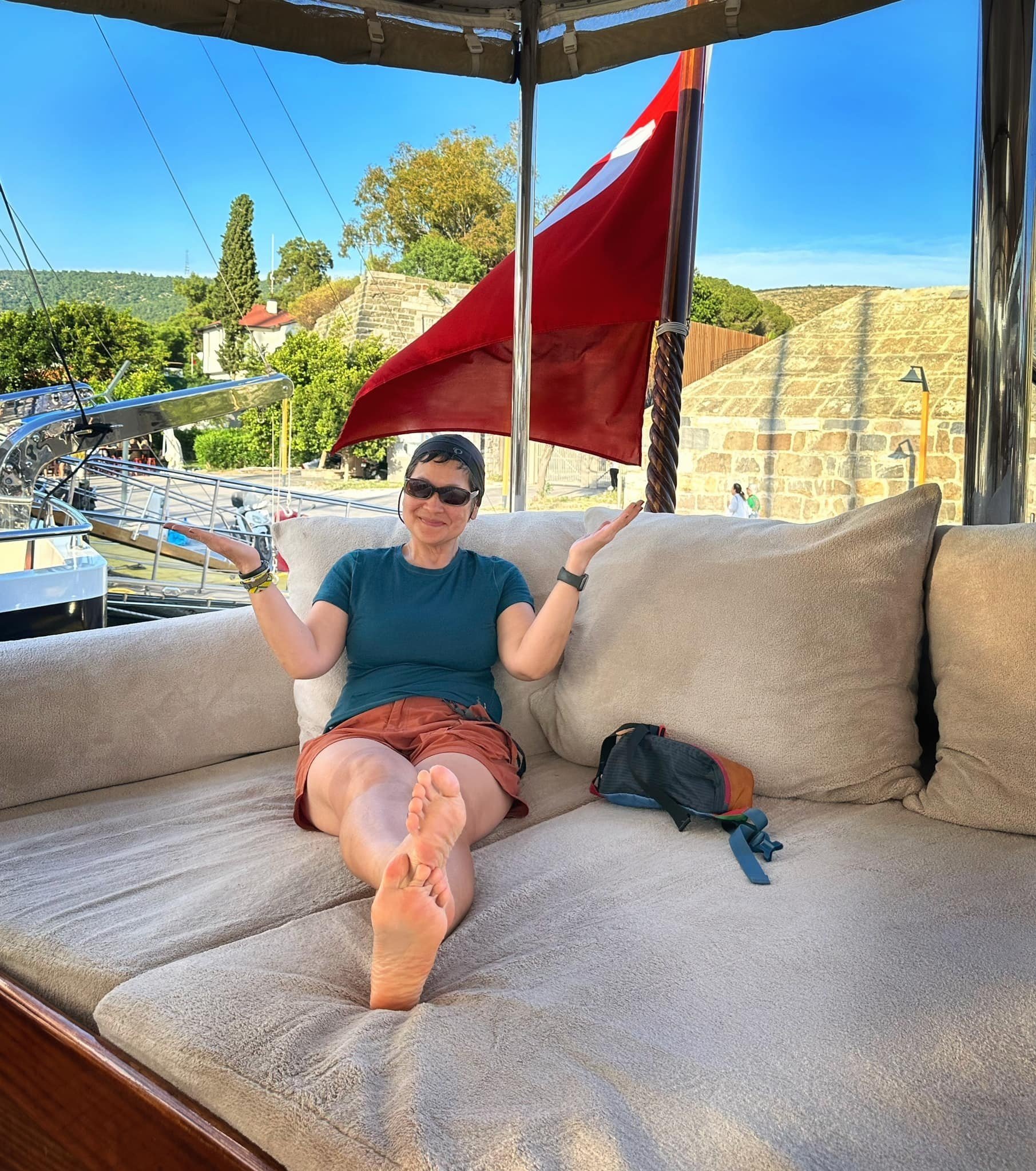
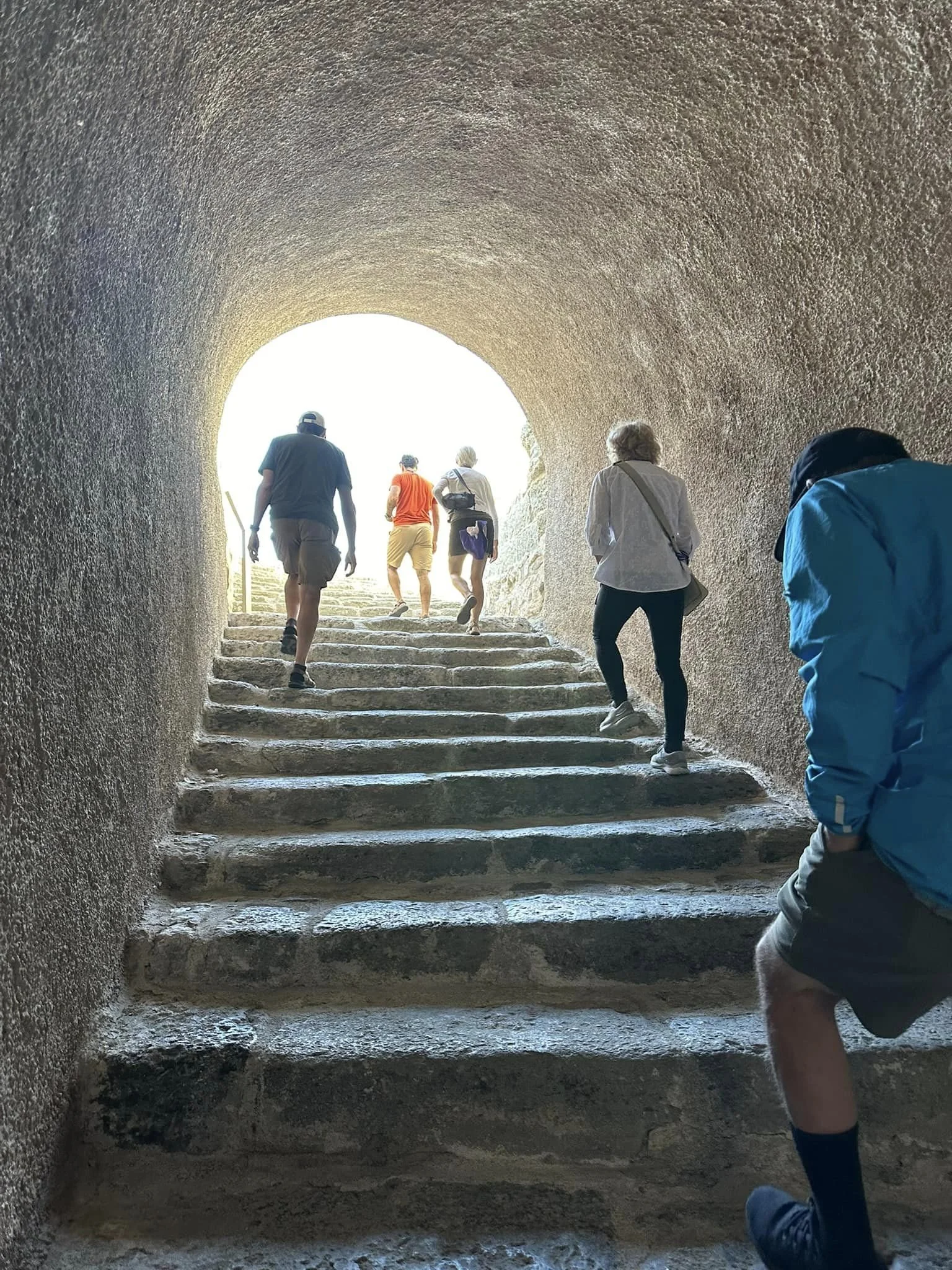
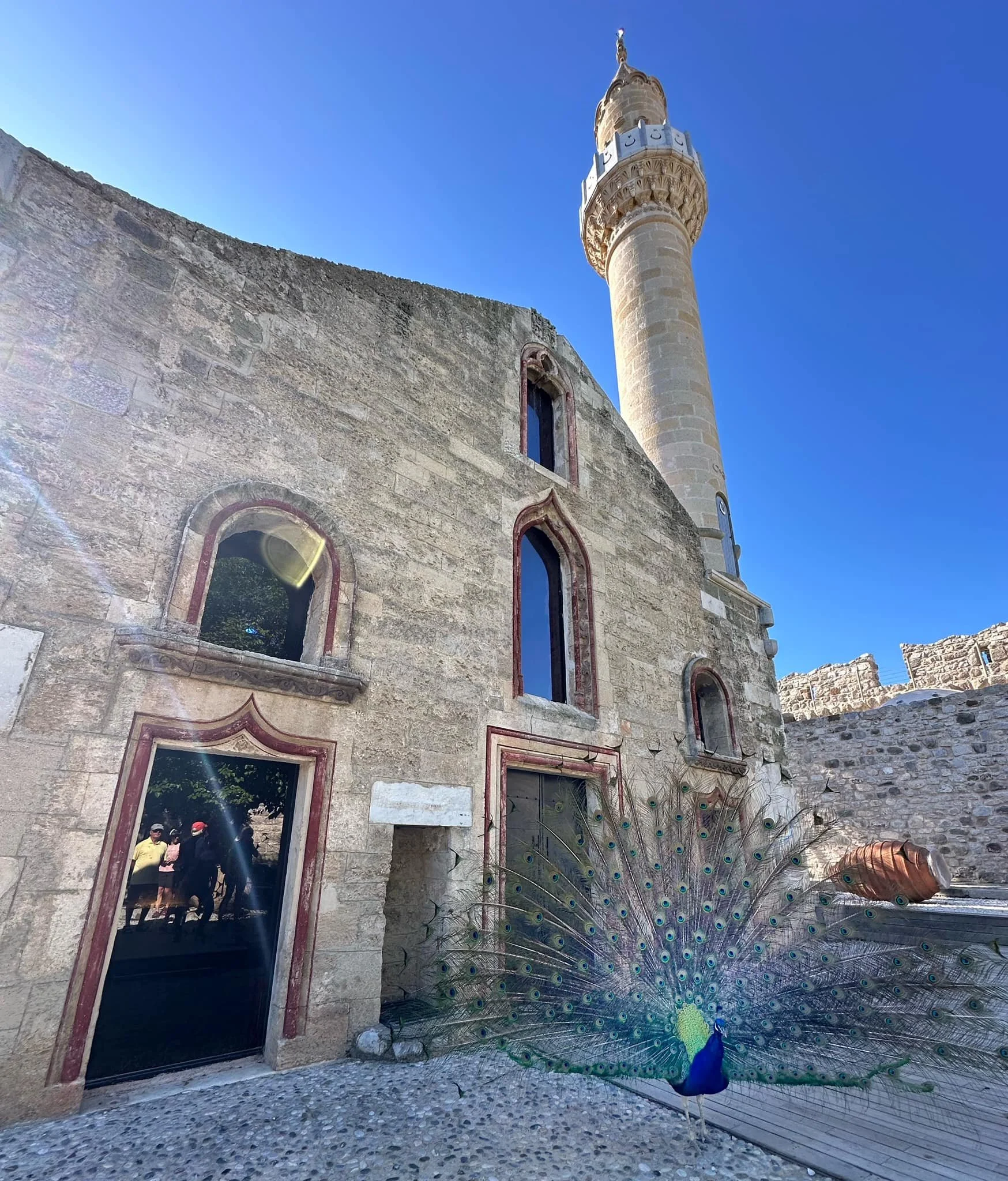
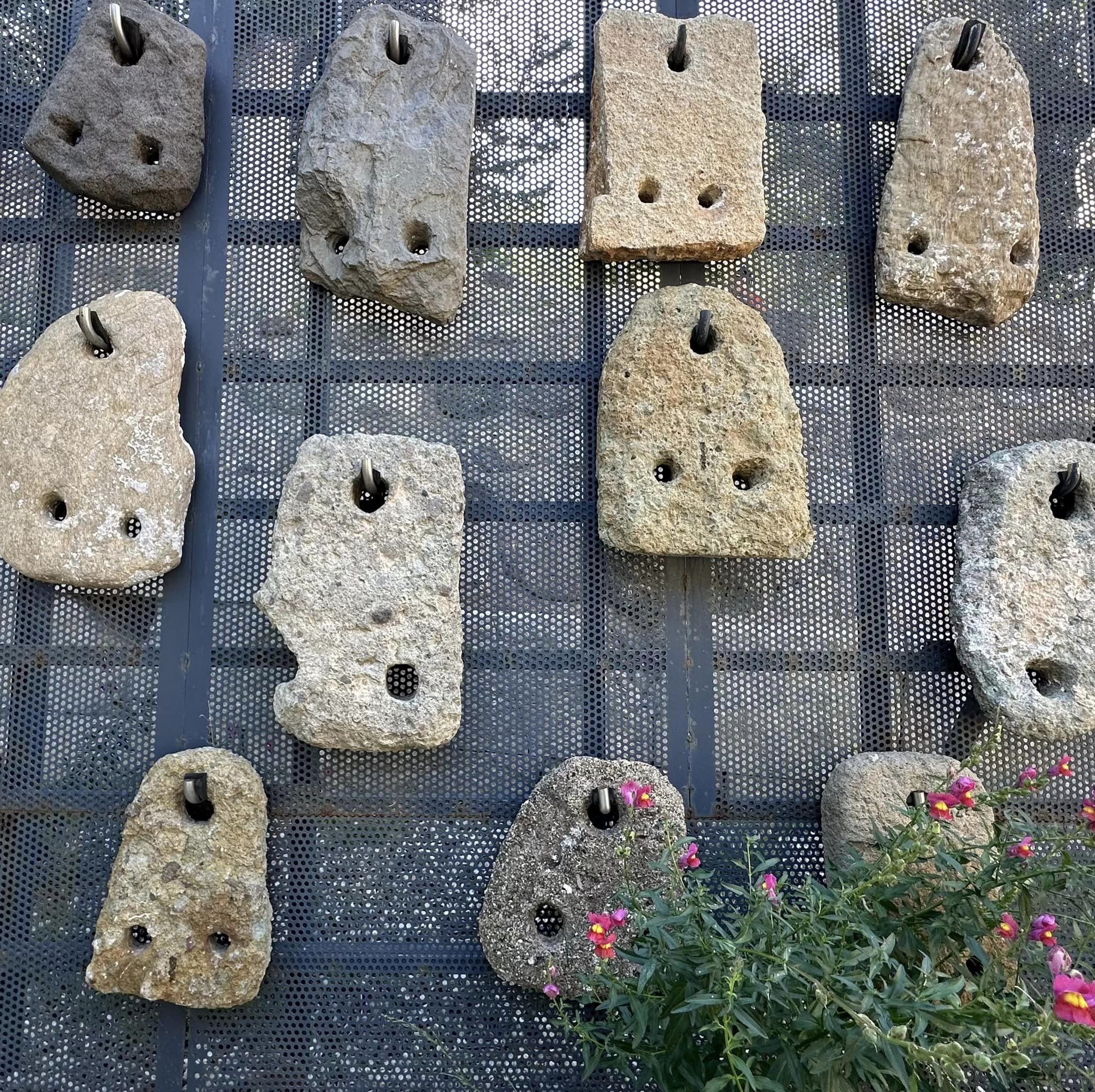
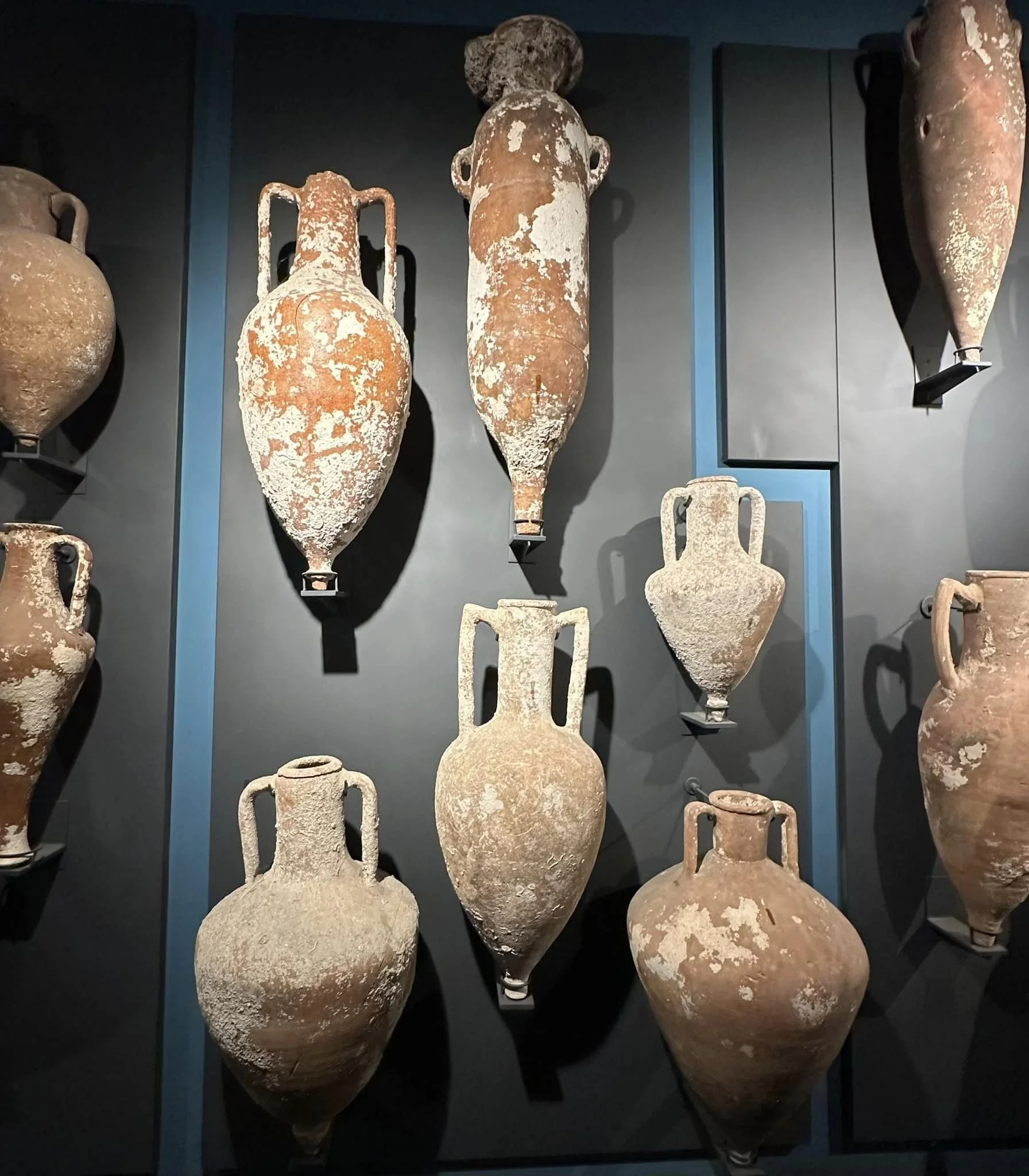
This was my Mother’s Day—aboard a Turkish gulet docked in the port city of Bodrum, with a medieval castle built in the 1400s by the Knights of St. John as a backdrop. As new friend Karen put it, “We’re spending down our kids’ inheritance.”
Thanks for the long-distance texts and FaceTime, Ned and Michael! Sending greetings to my own amazing Mom!
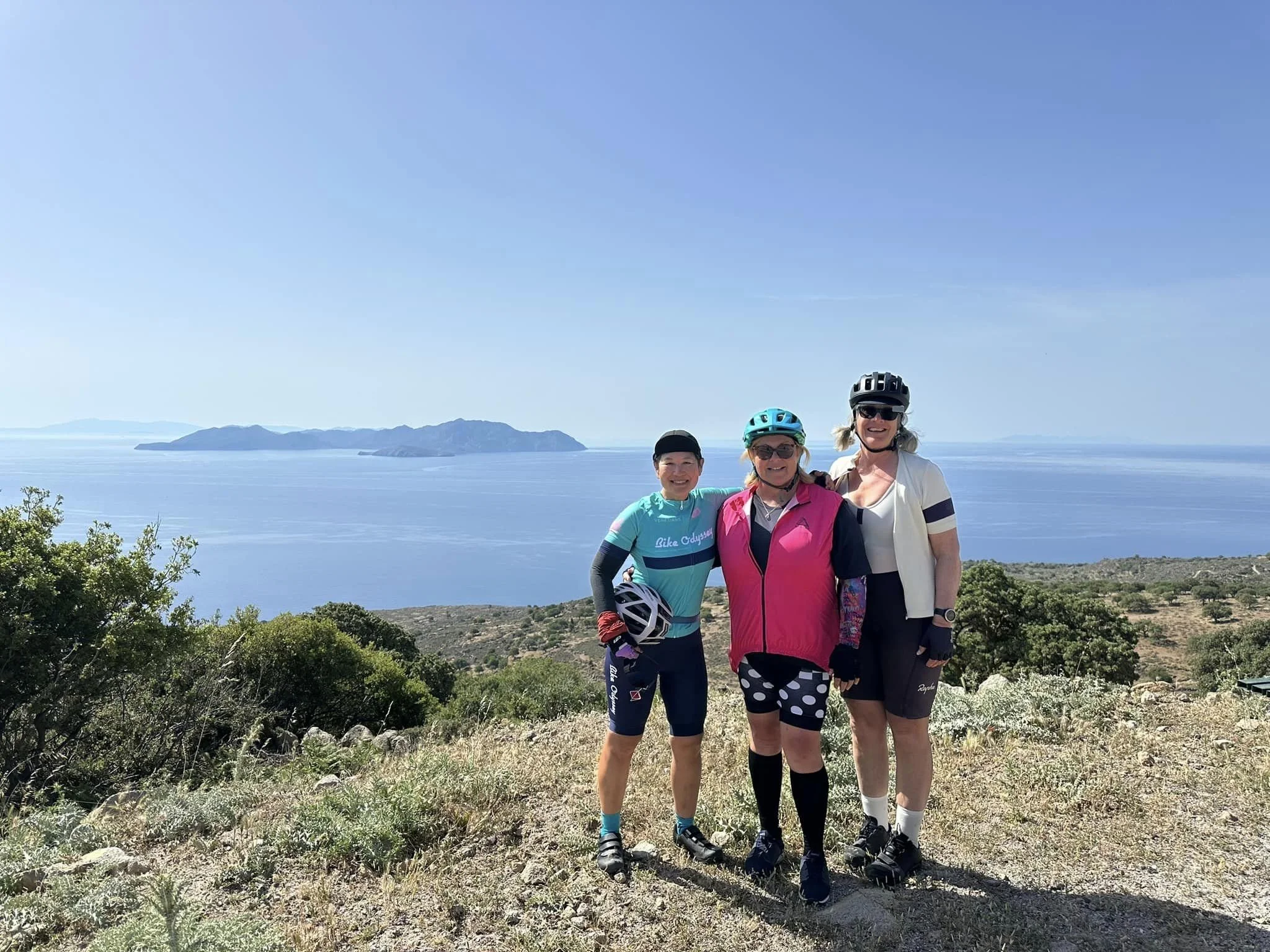
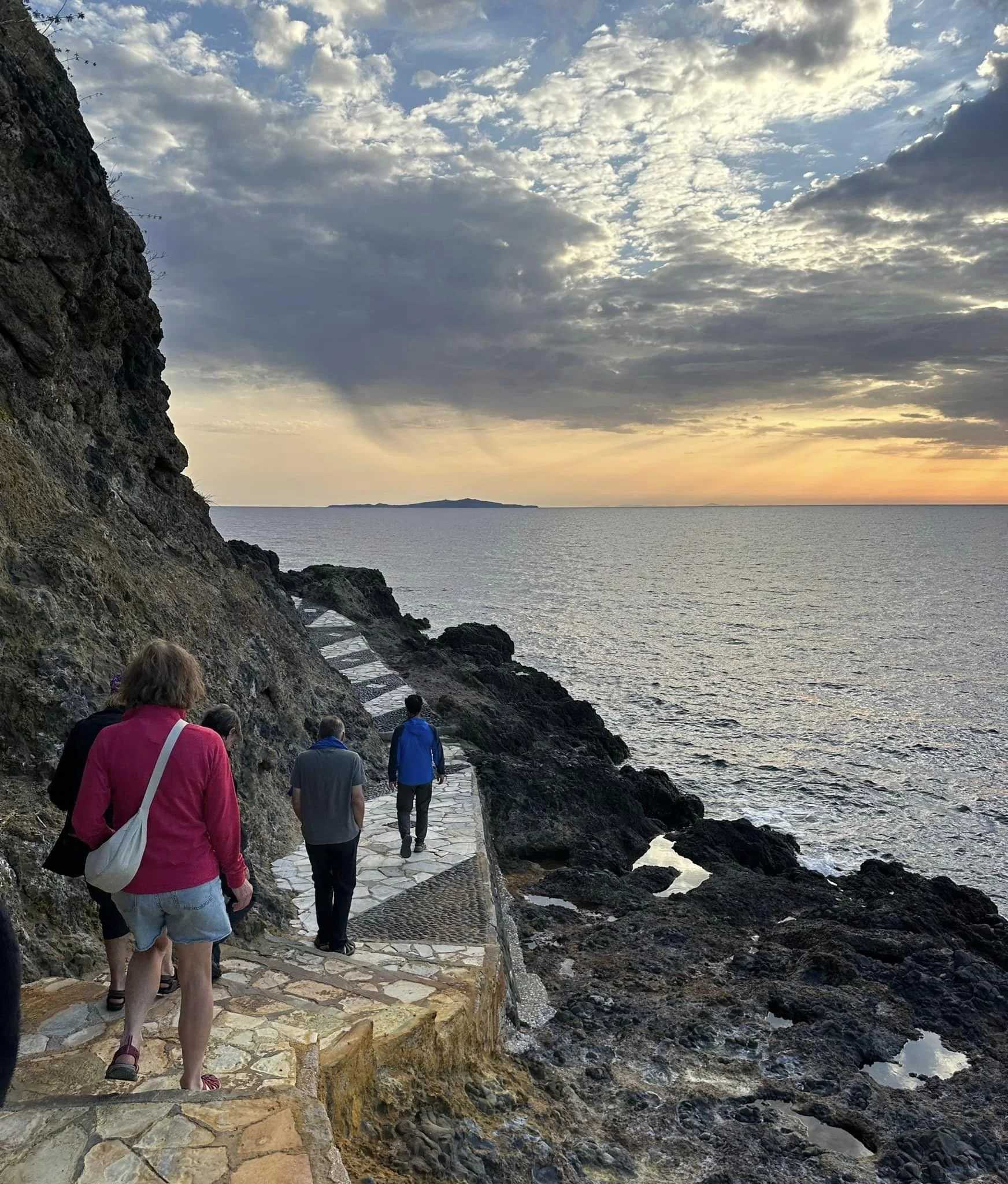
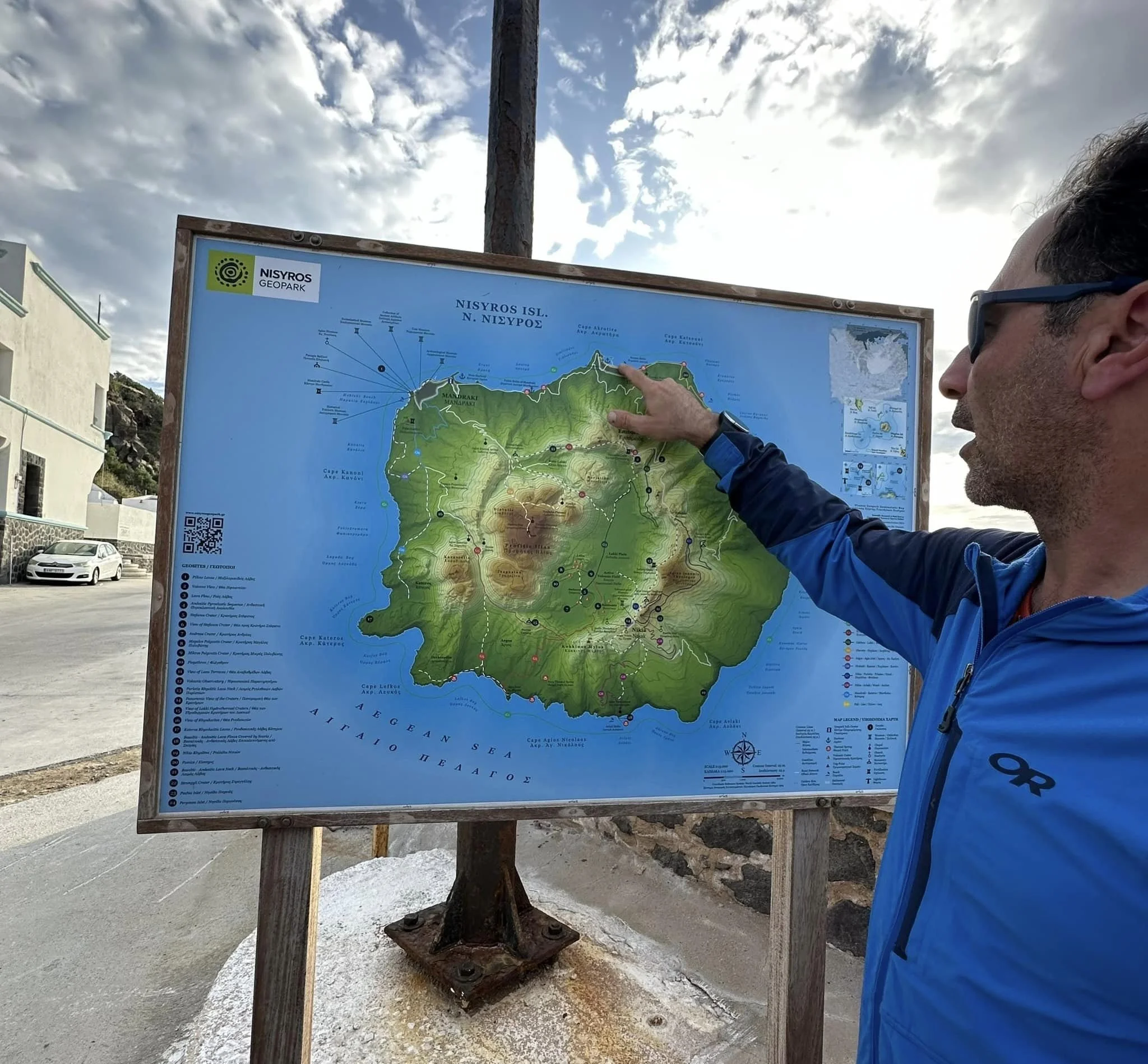
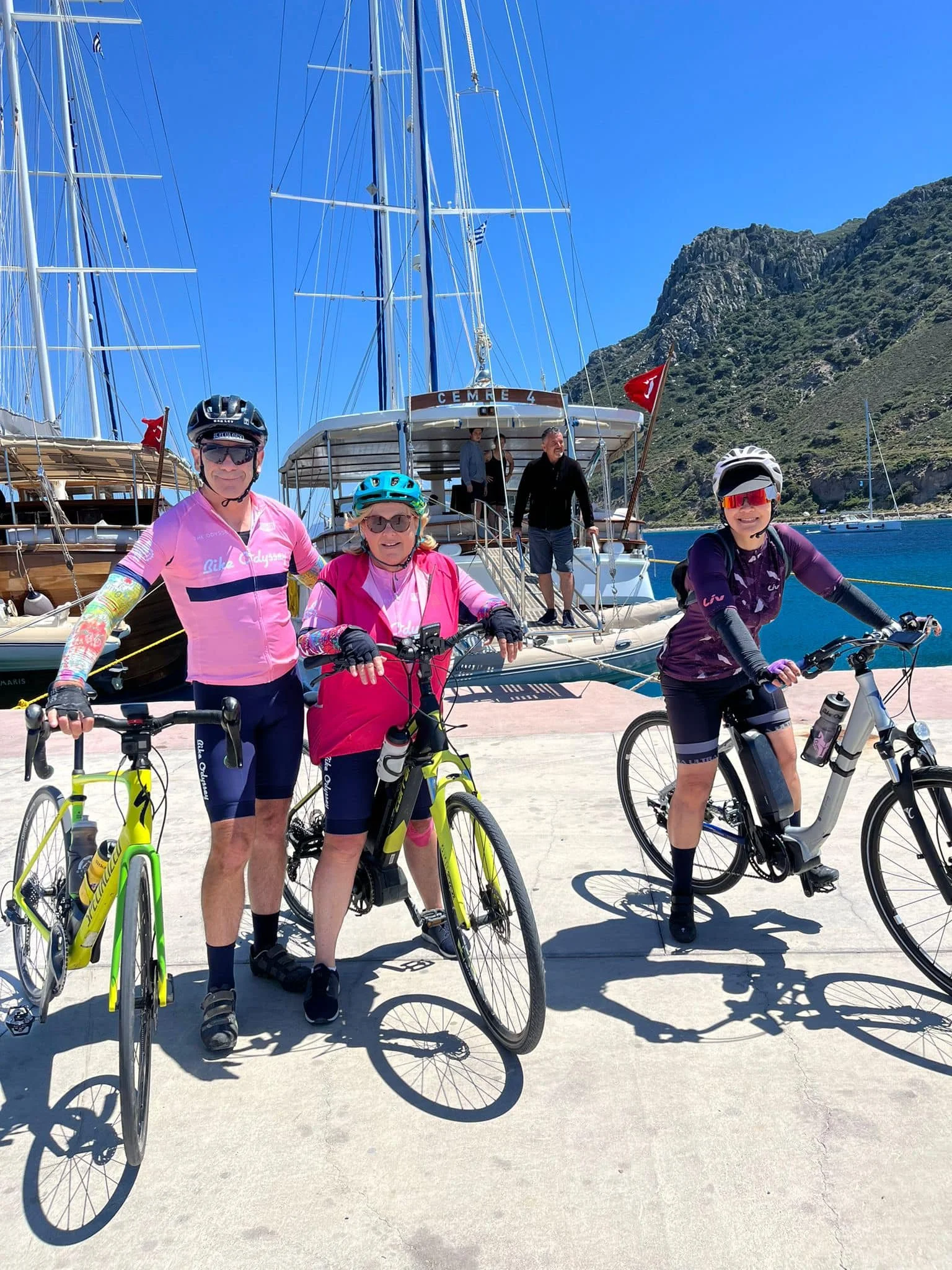
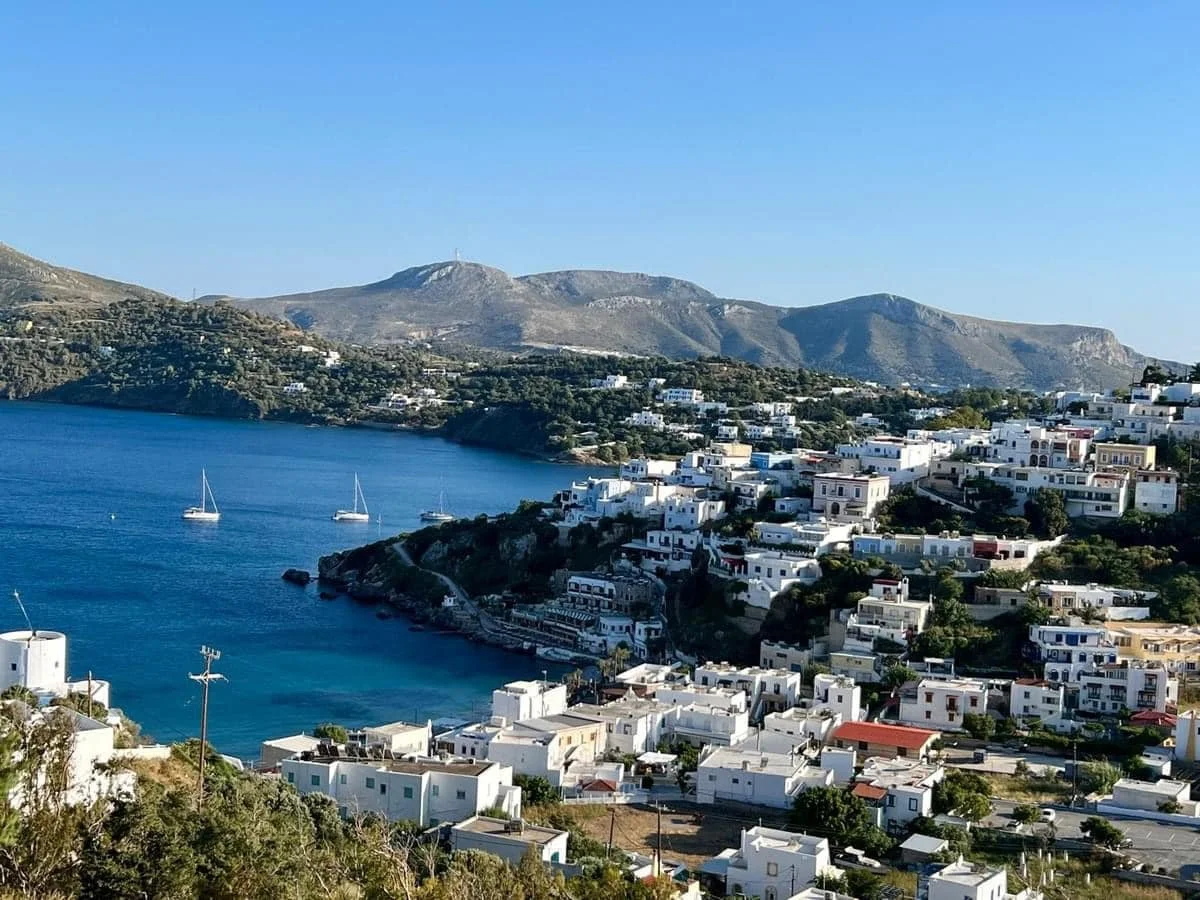
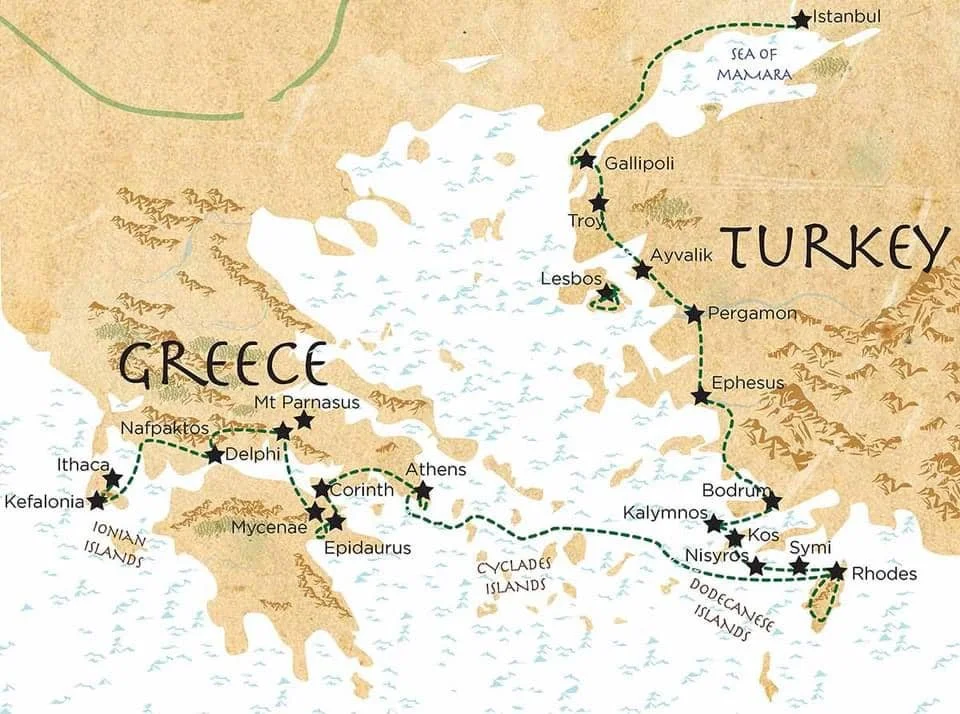
My trip loosely follows in the footsteps of the Greek hero Odysseus as he tries to get home to his kingdom of Ithaca and to his wife Penelope after 10 long years fighting in Troy. But what should be a straightforward voyage becomes, well, a 10-year odyssey, as he falls out of favor with certain deities, even as others try to help him. He hops around the Aegean and beyond, waylaid by a Cyclops, imprisoned by Calypso, bewitched by Circe. He has to navigate between the whirlpool Charybdis and the sea monster Scylla. He has to escape the call of the Sirens. He’s a wily hero, a warrior whose greatest weapon is his cunning—you would expect nothing less from the guy who came up with the idea of the Trojan horse.
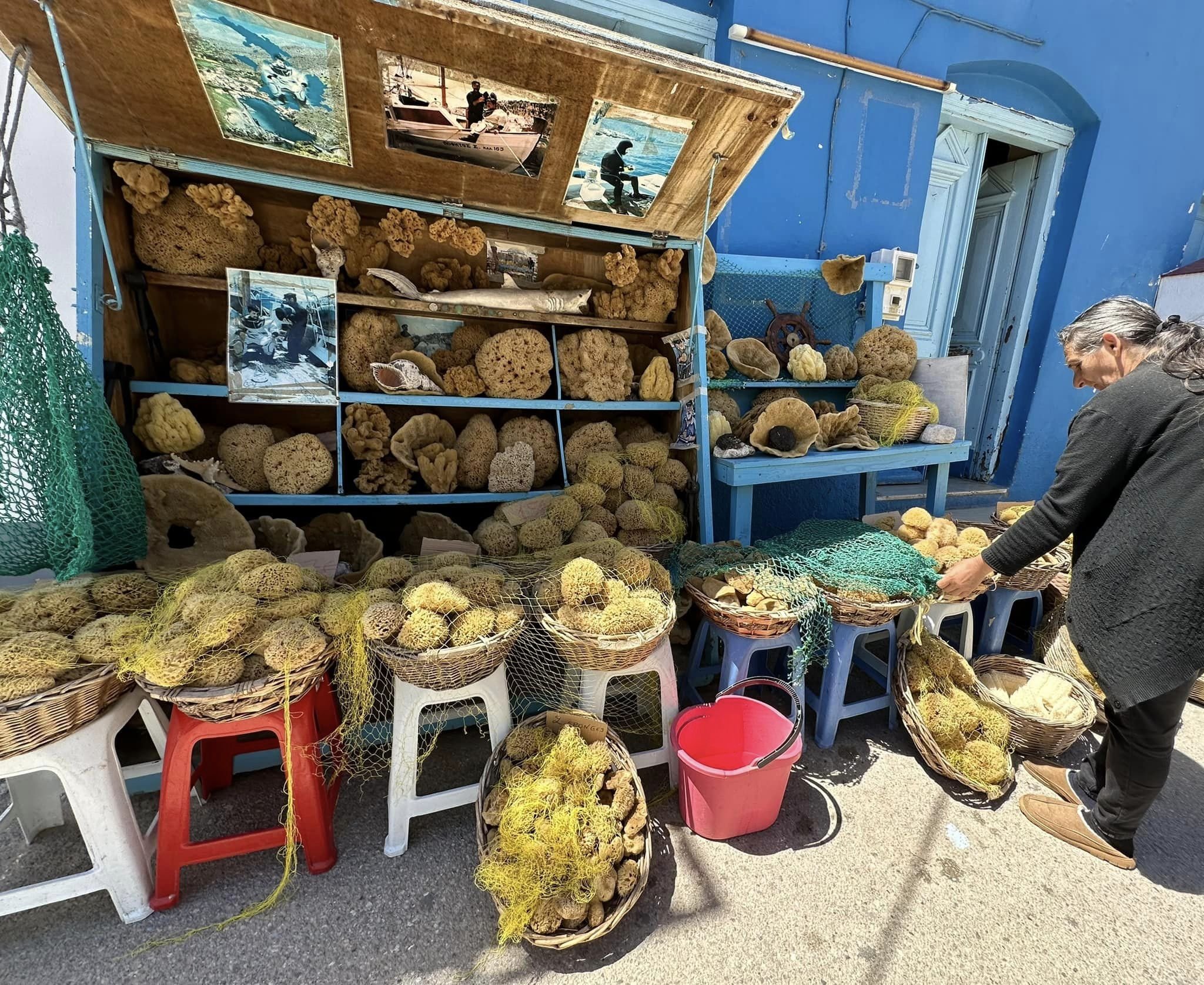
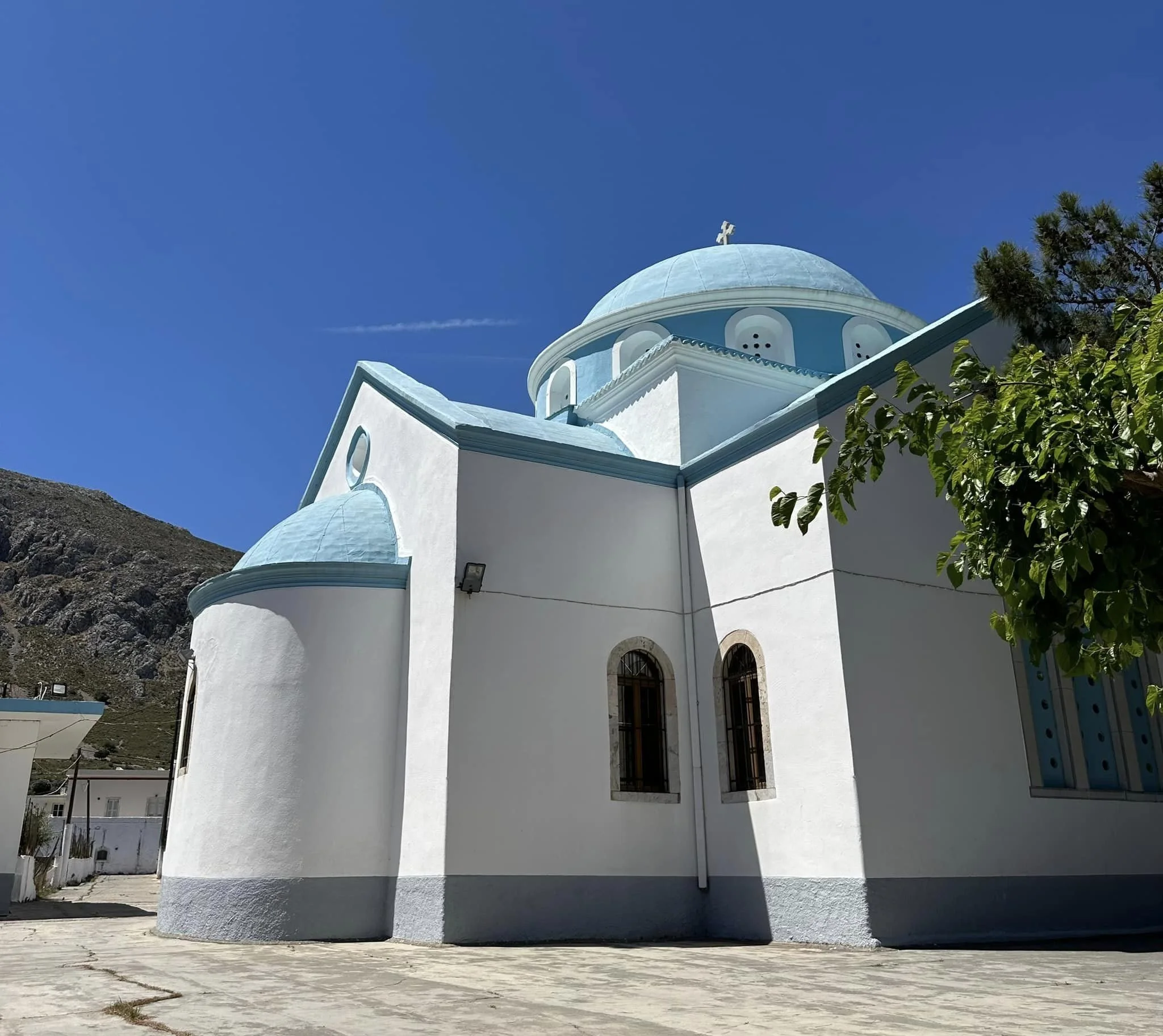
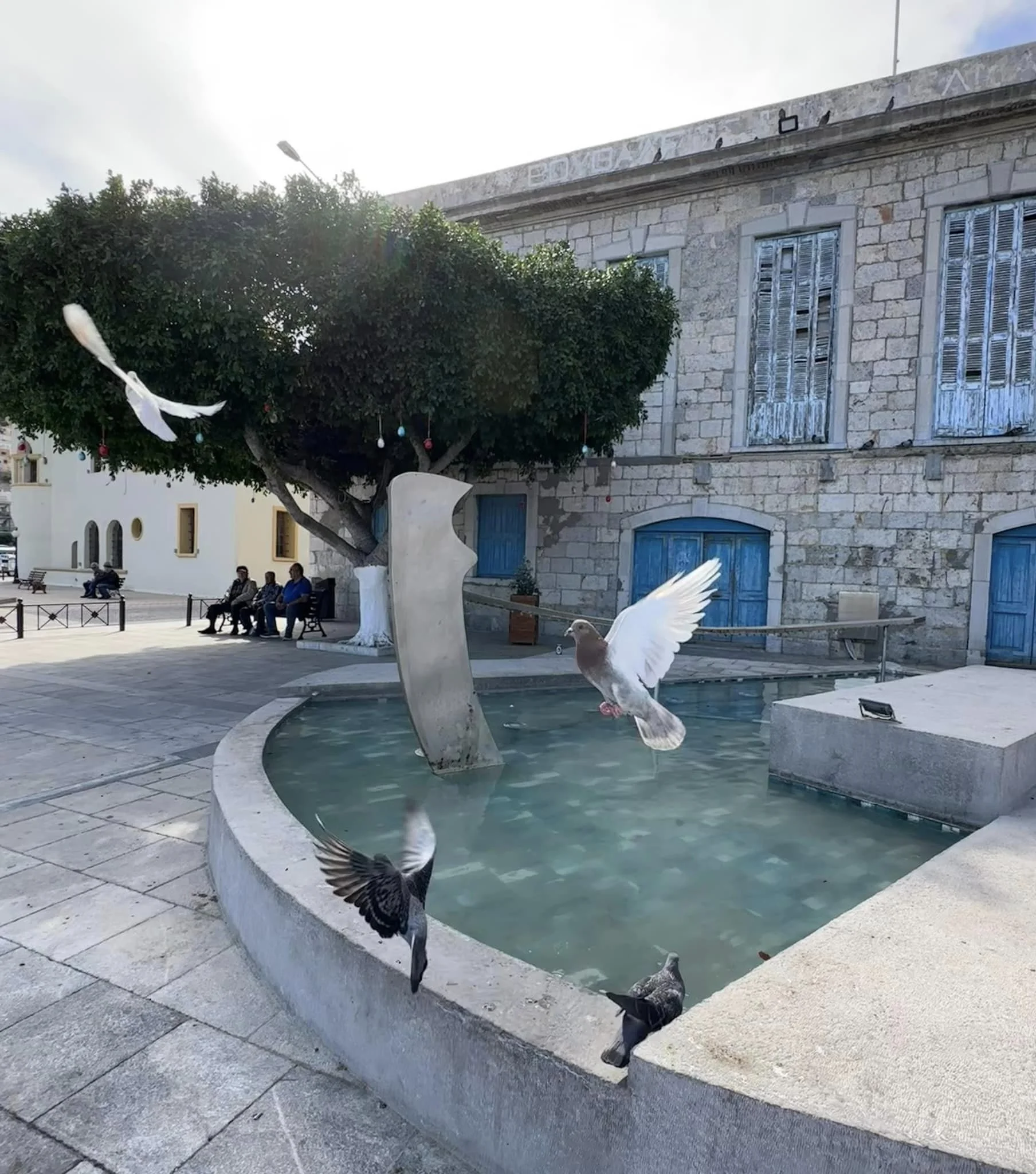
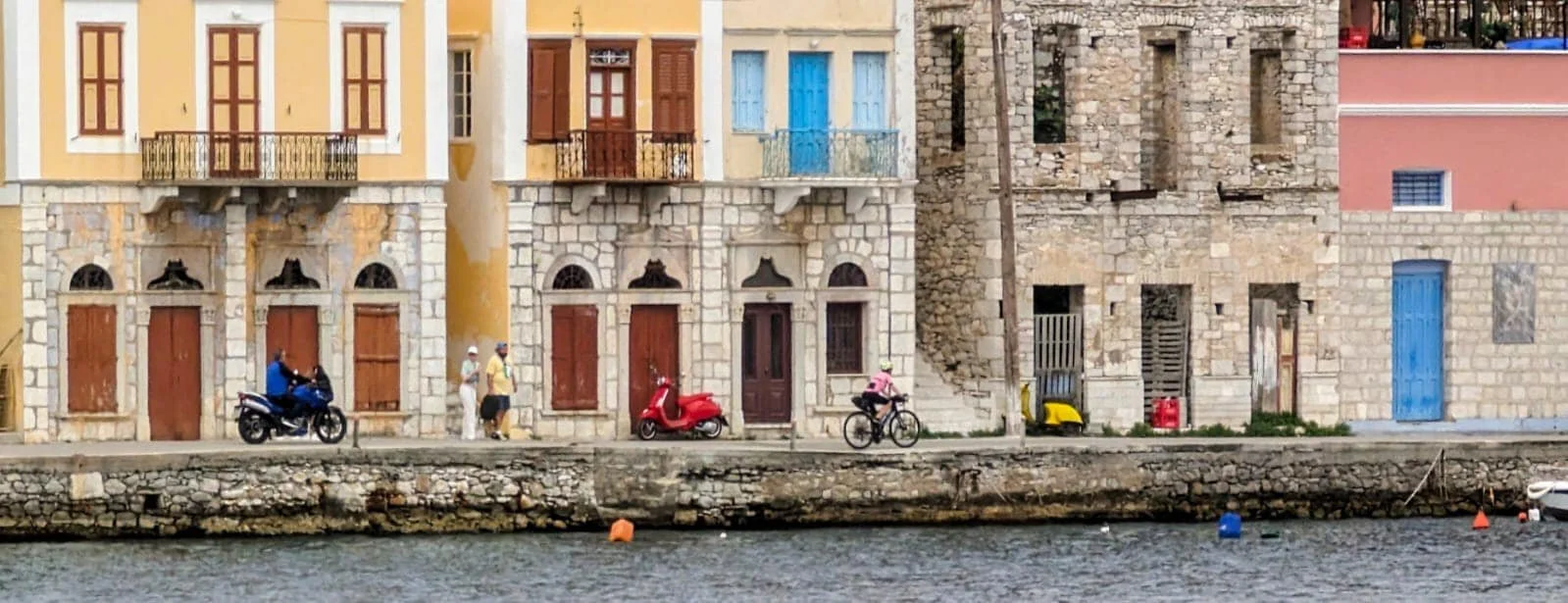
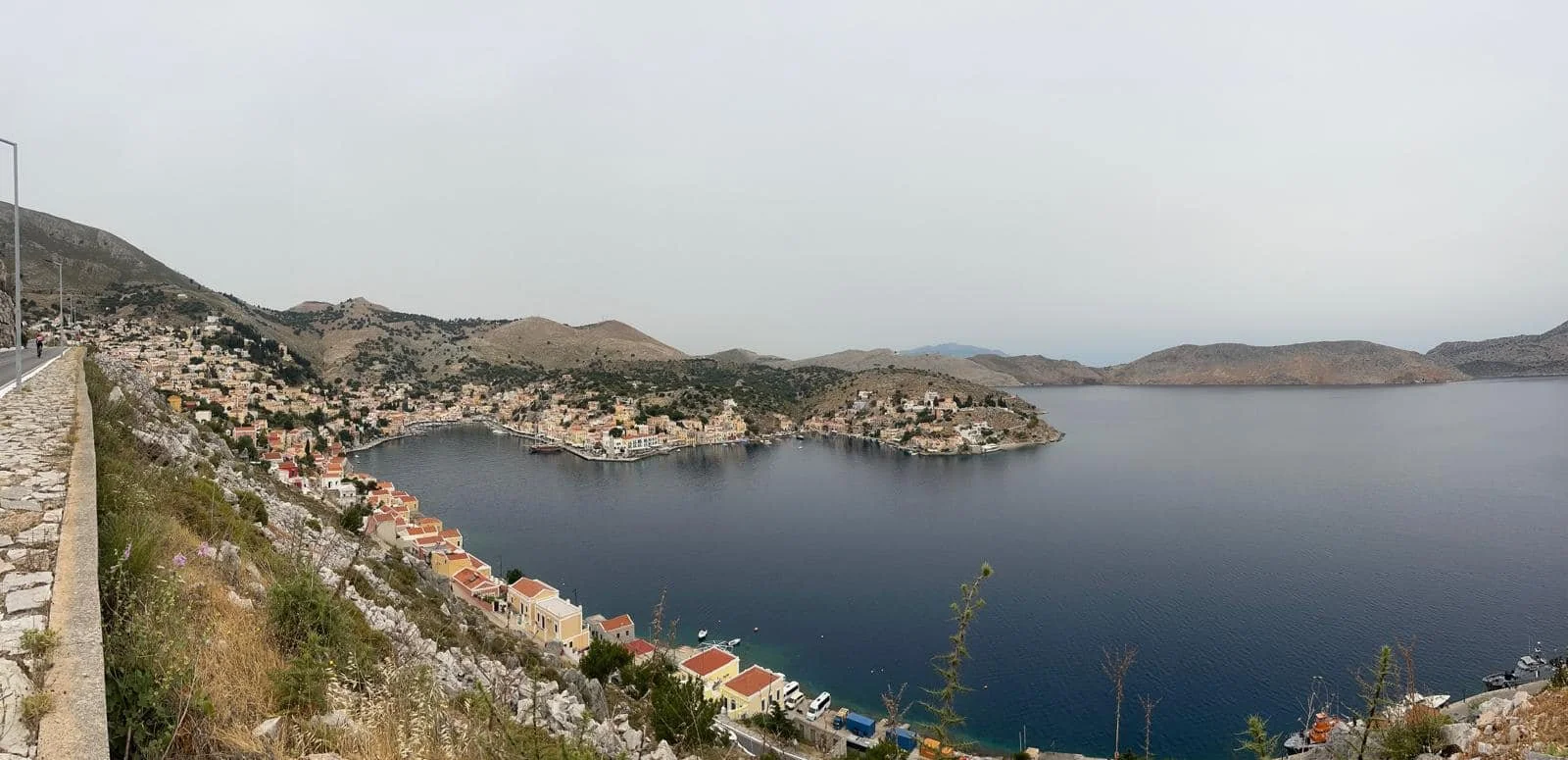
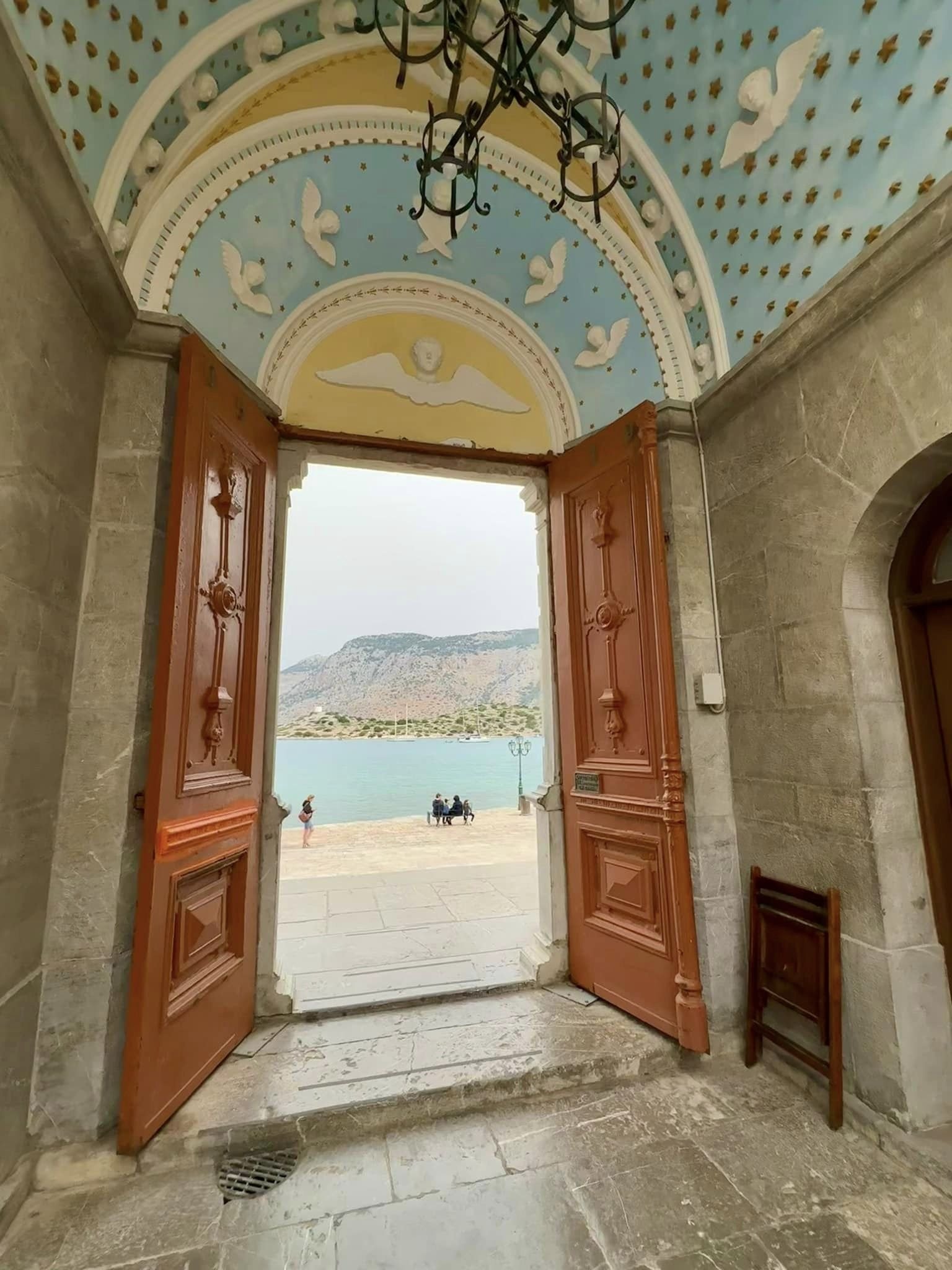
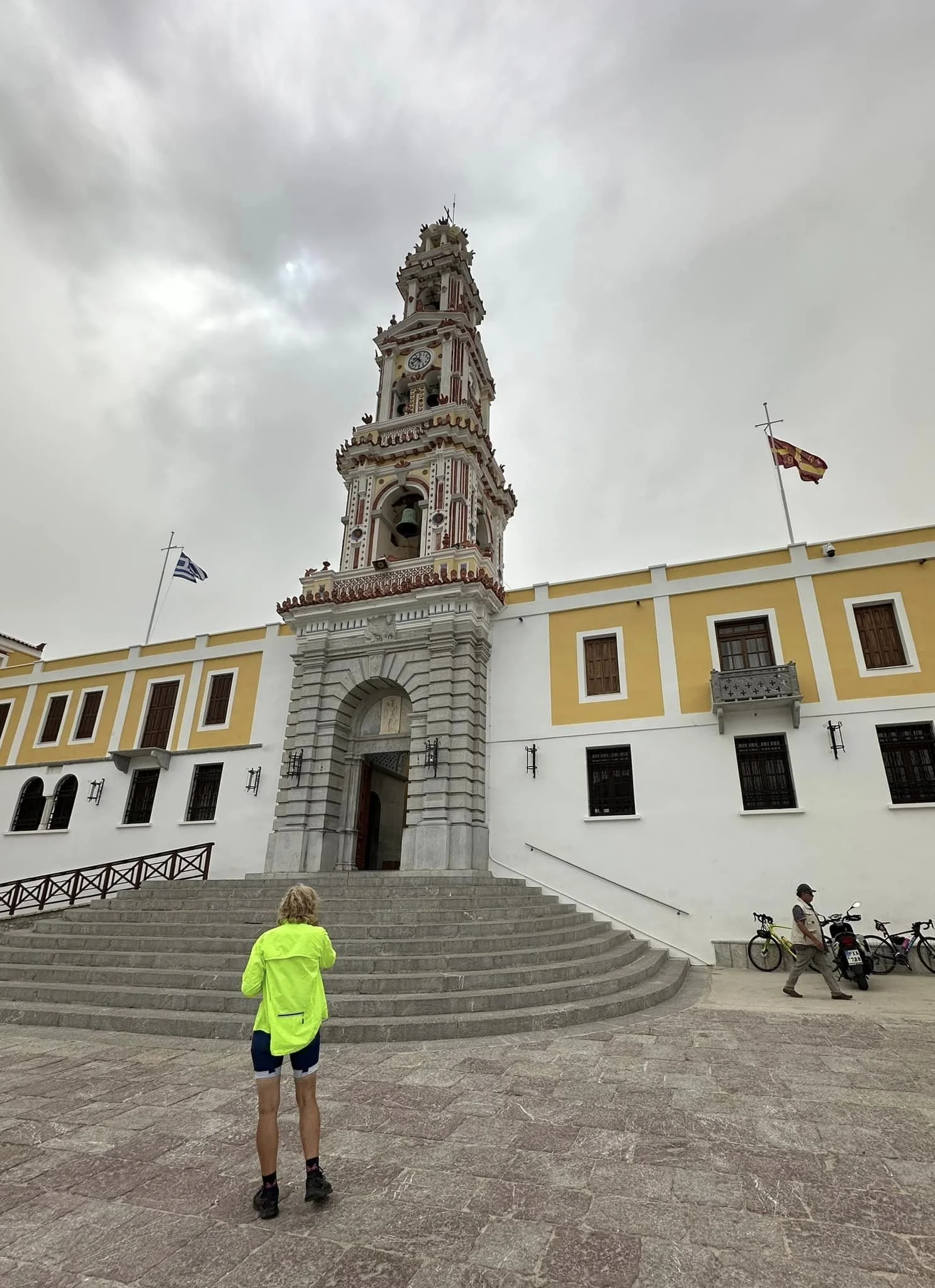
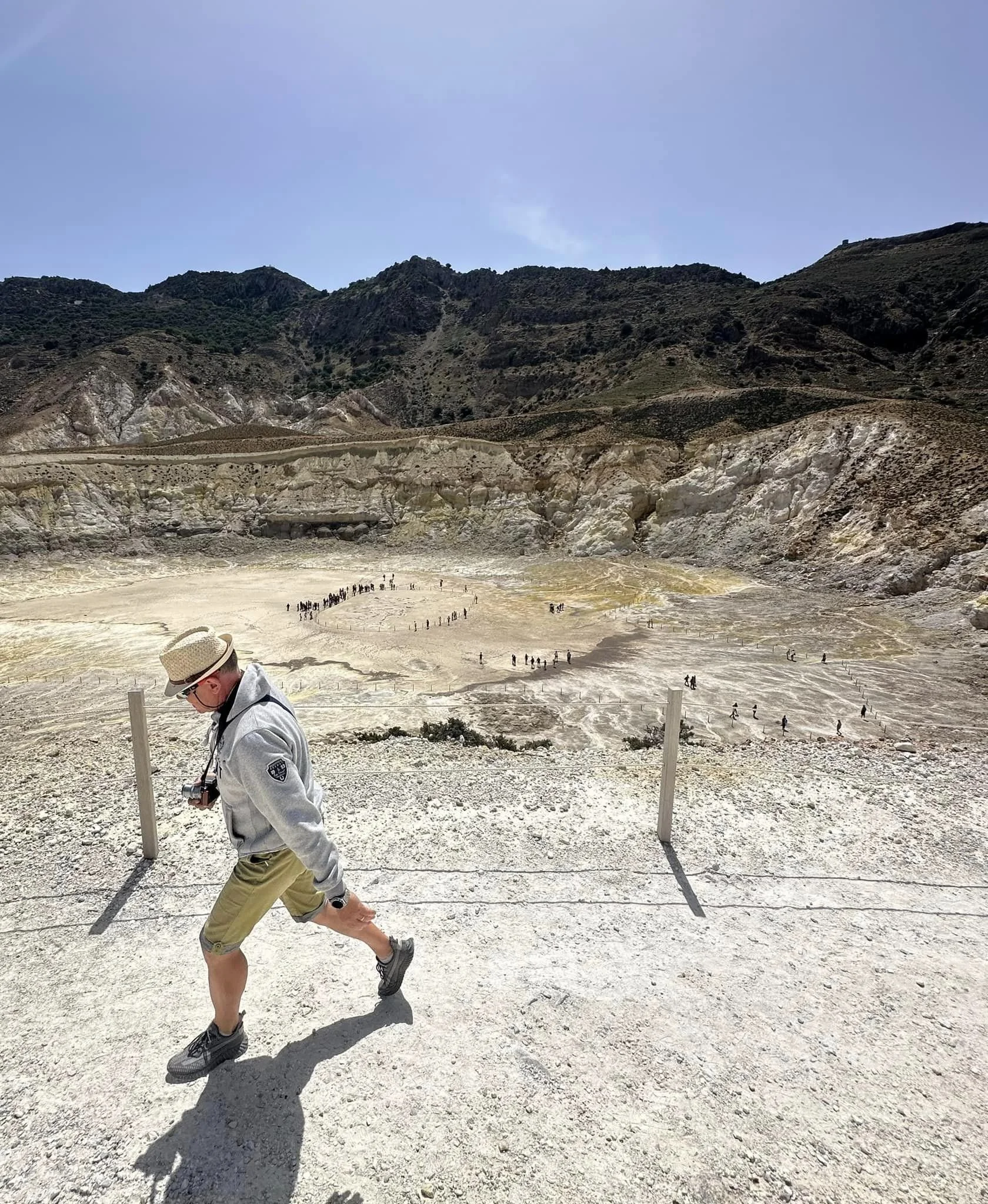
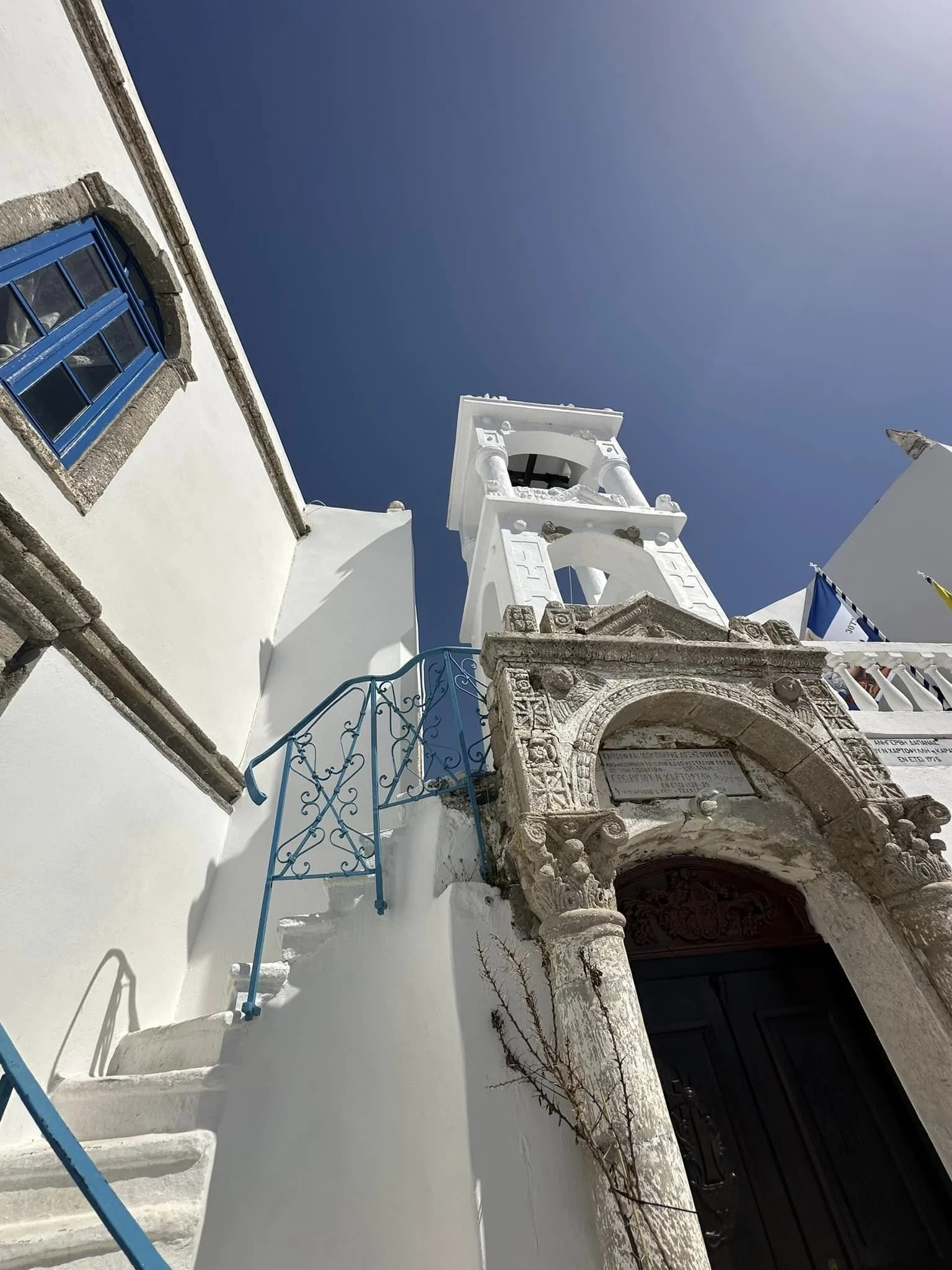
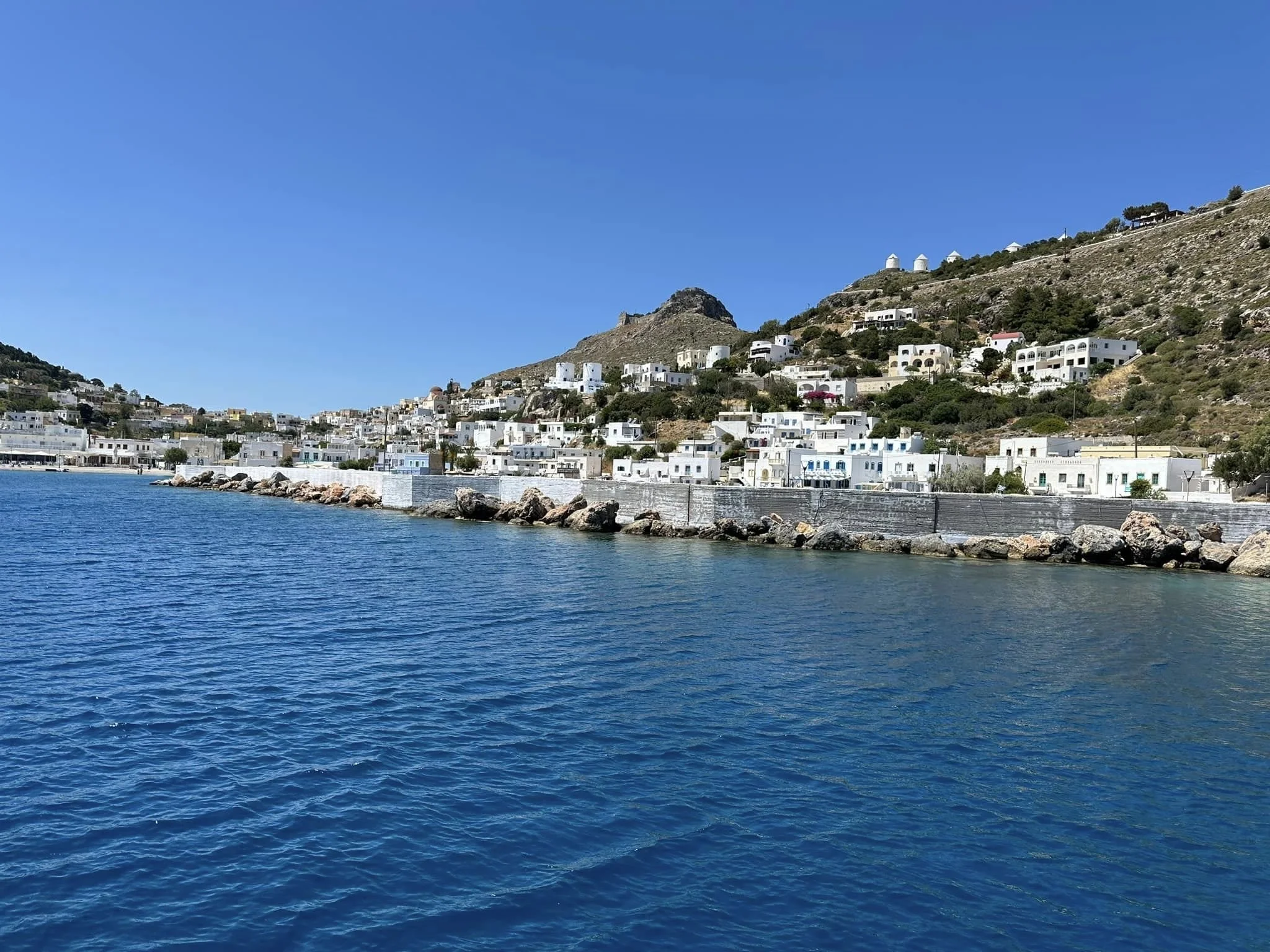
Right now we’re hopscotching several of the Dodecanese islands (Leros, Kalymnos, Nisyros, Kos, Symi). This grouping of Greek islands off the coast of Turkey were under Venetian rule in the Middle Ages, then taken over by the Ottomans; Italy ruled it in the first part of the 20th century.
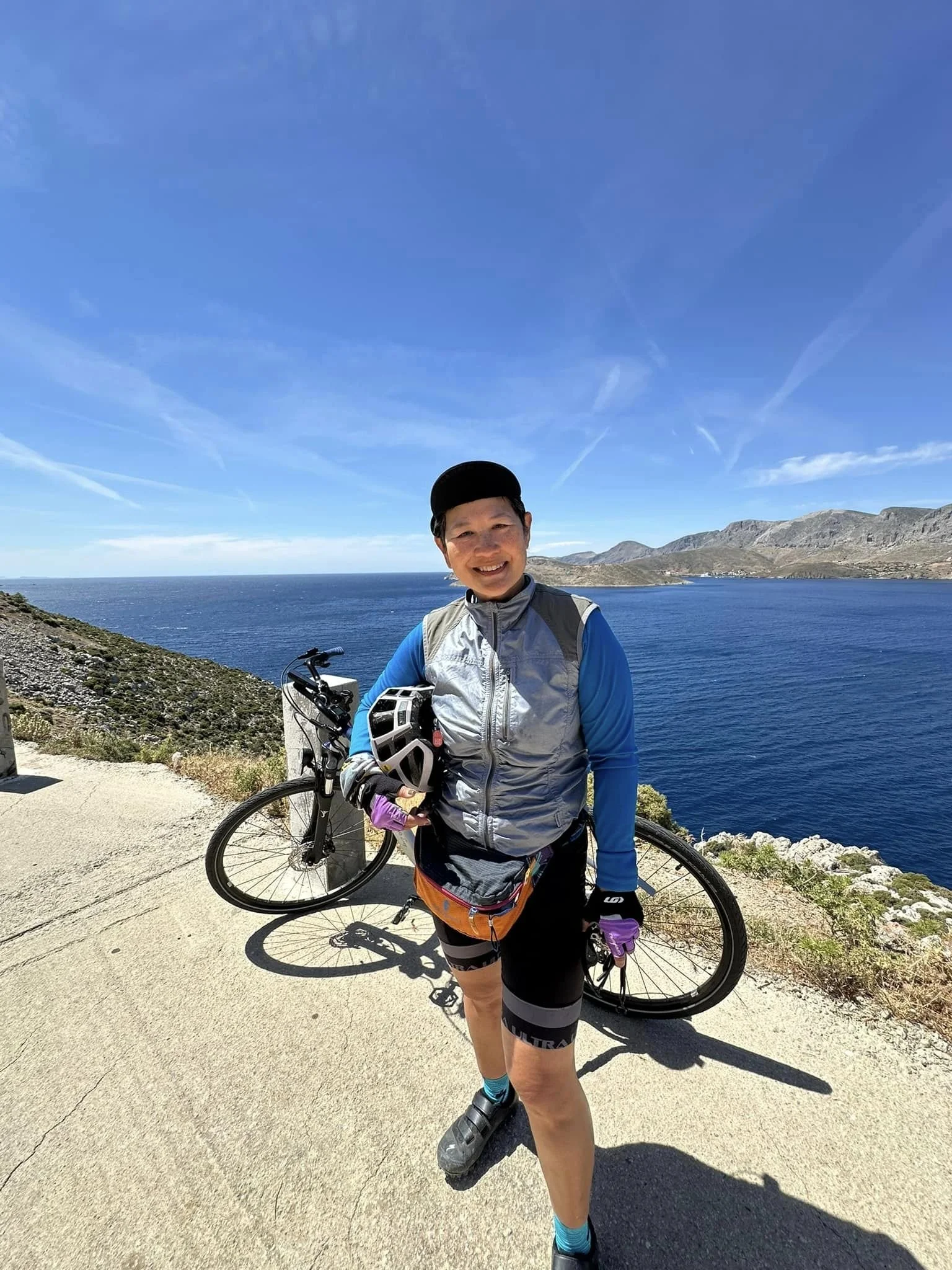
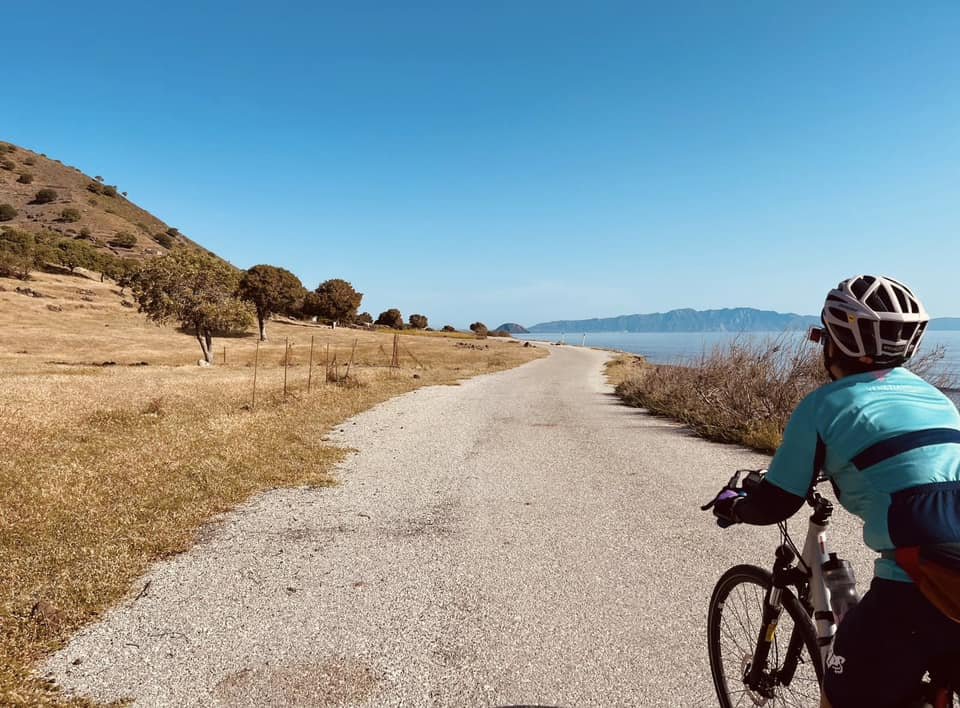
Cycling and sailing is the perfect combination to experience these mythic islands.
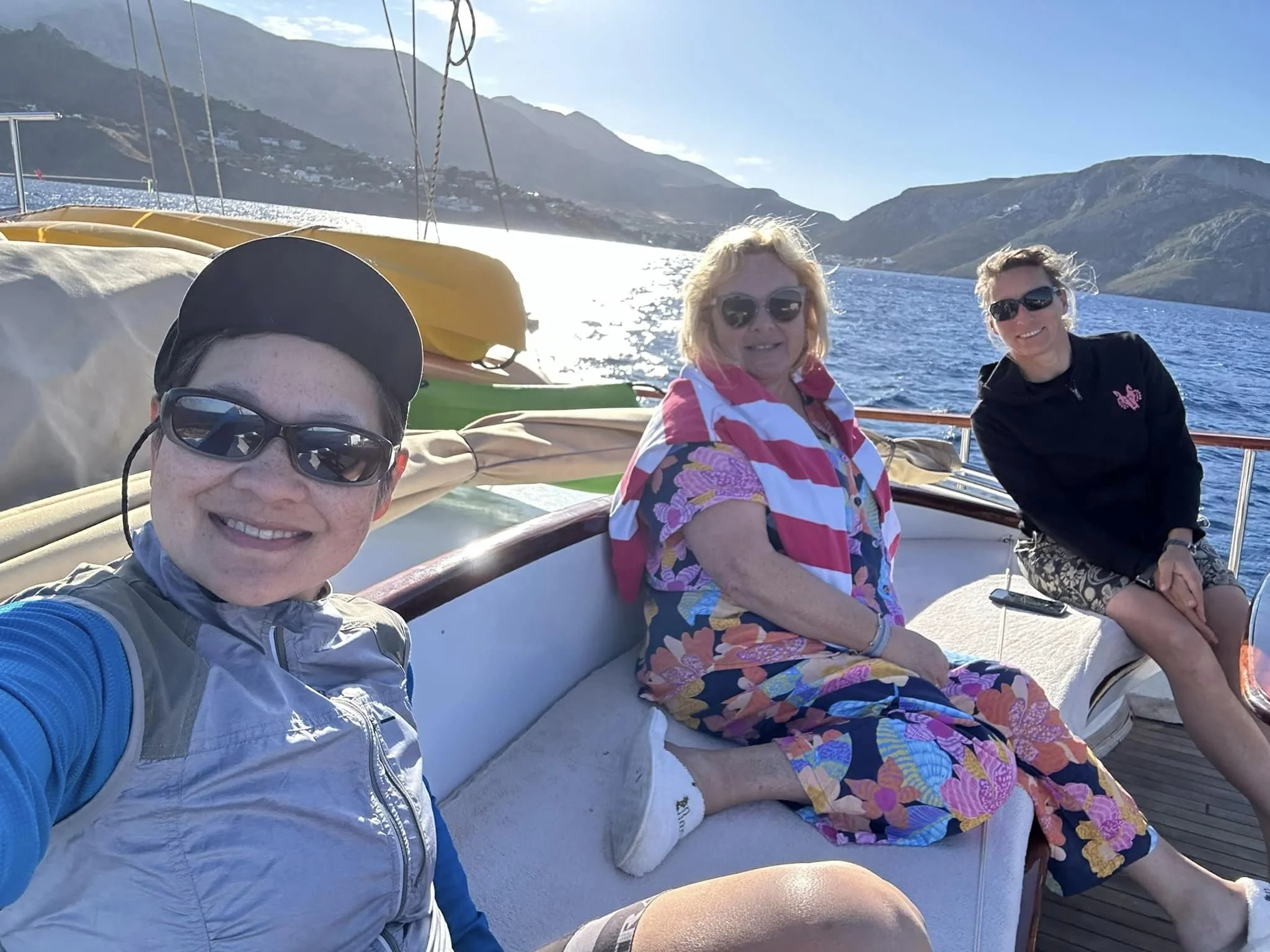
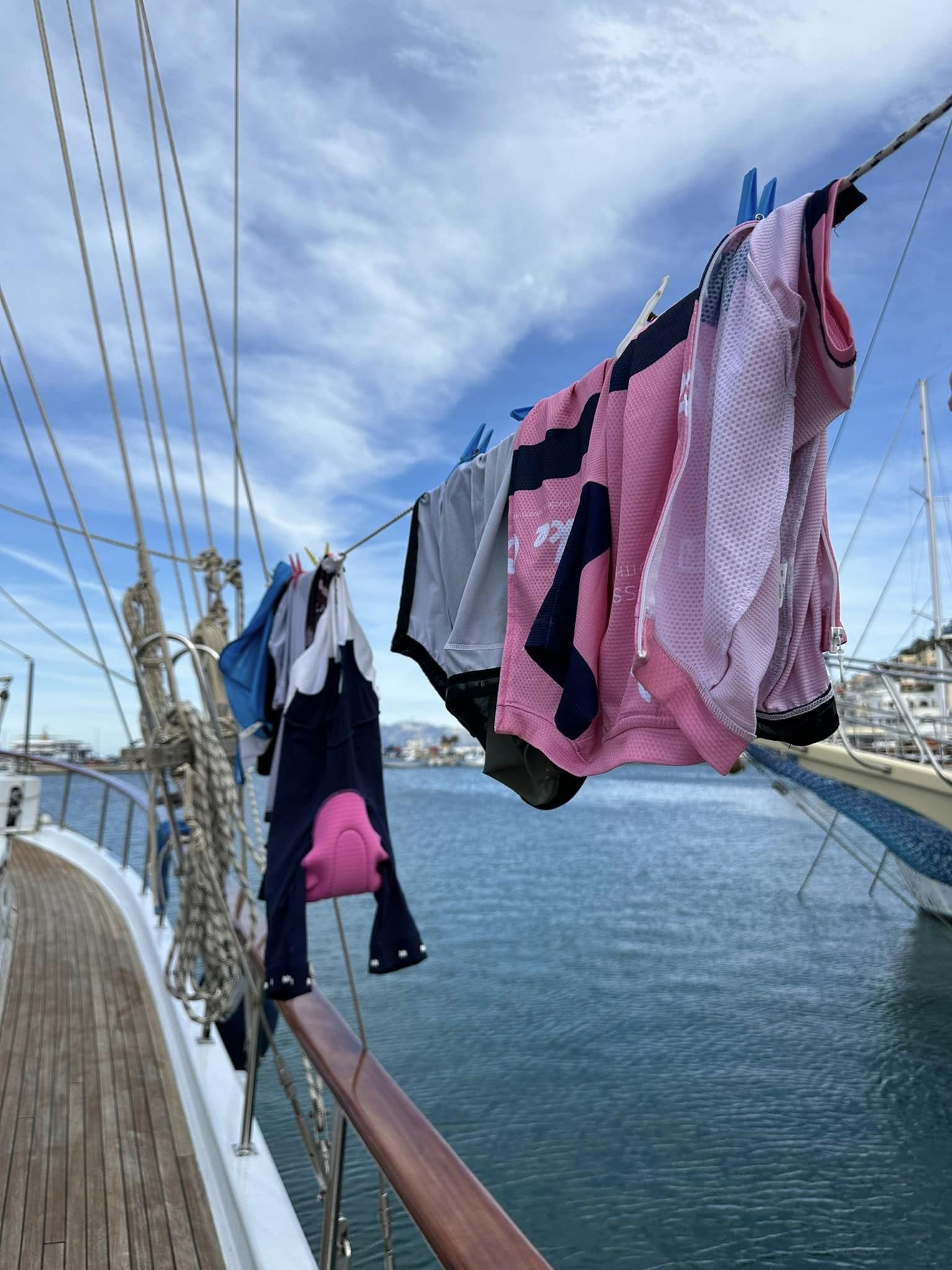
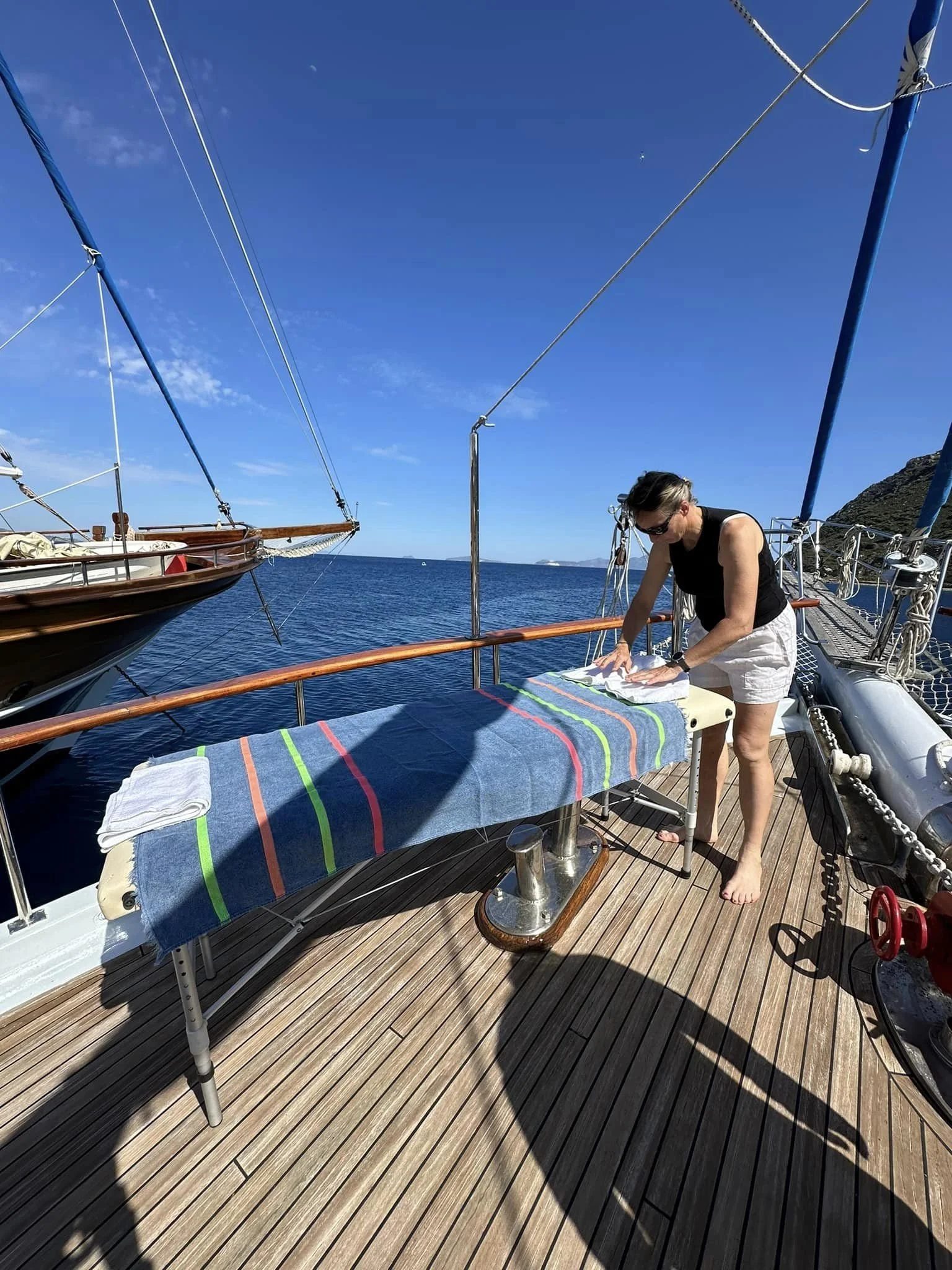
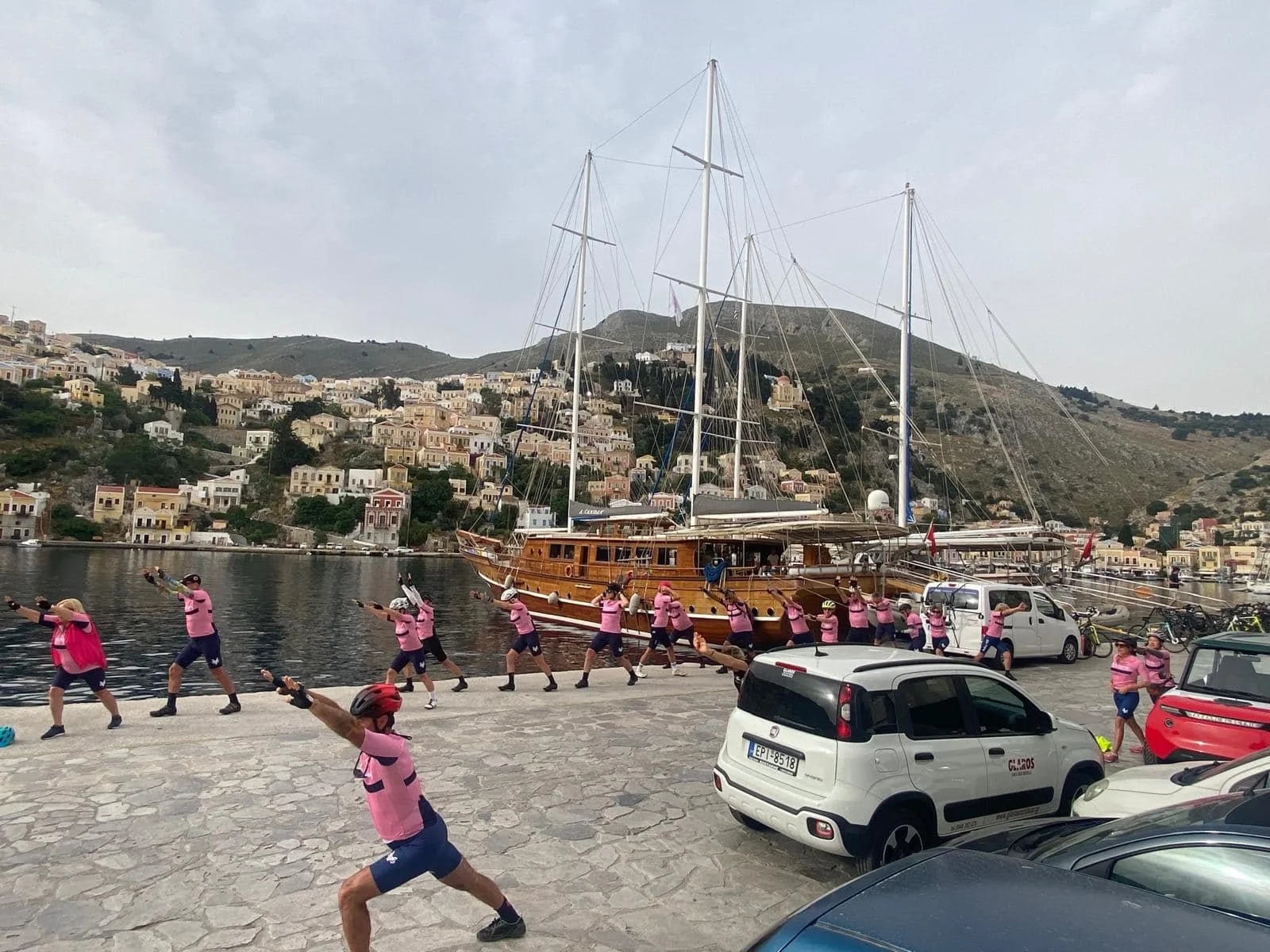
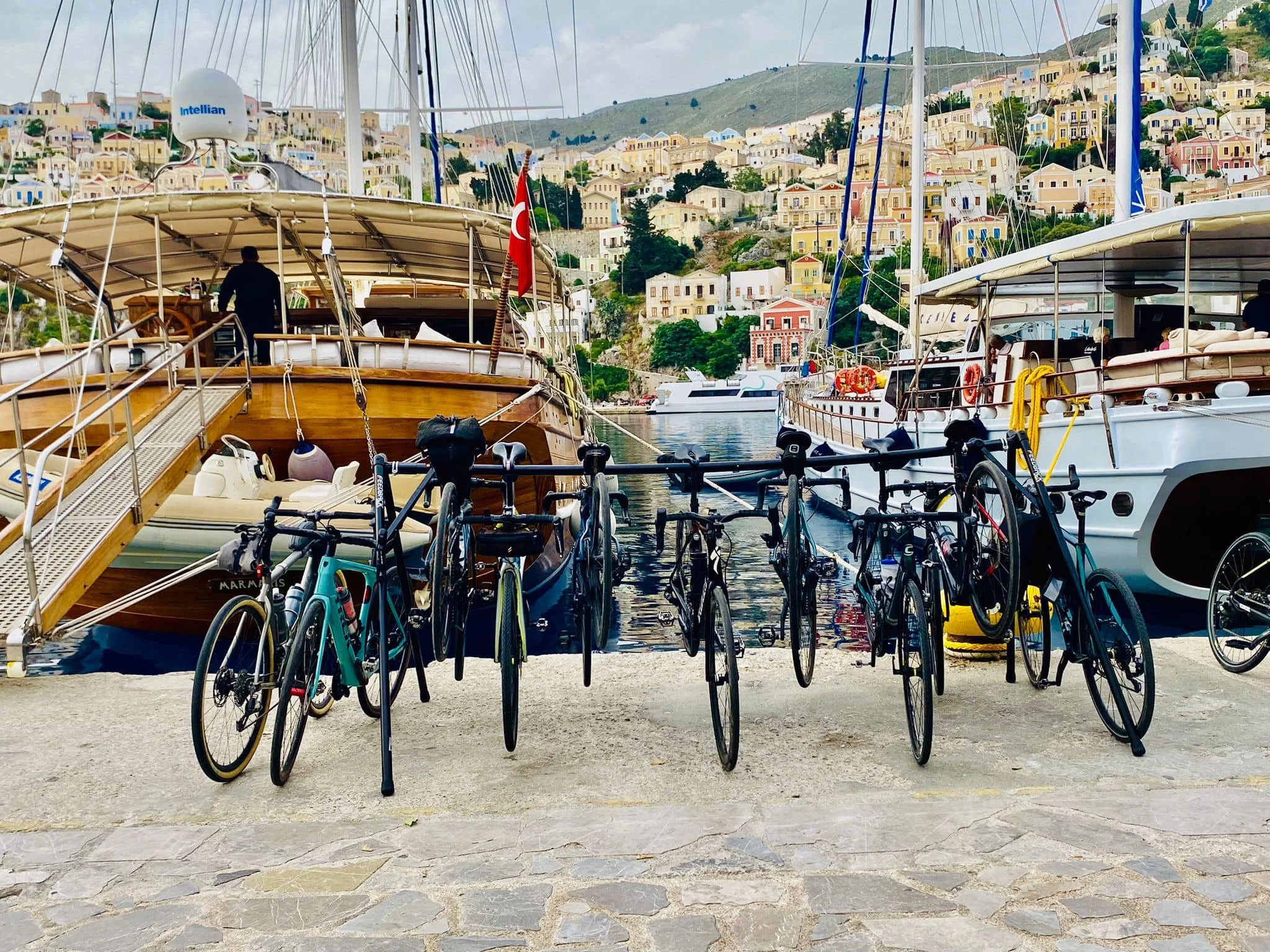
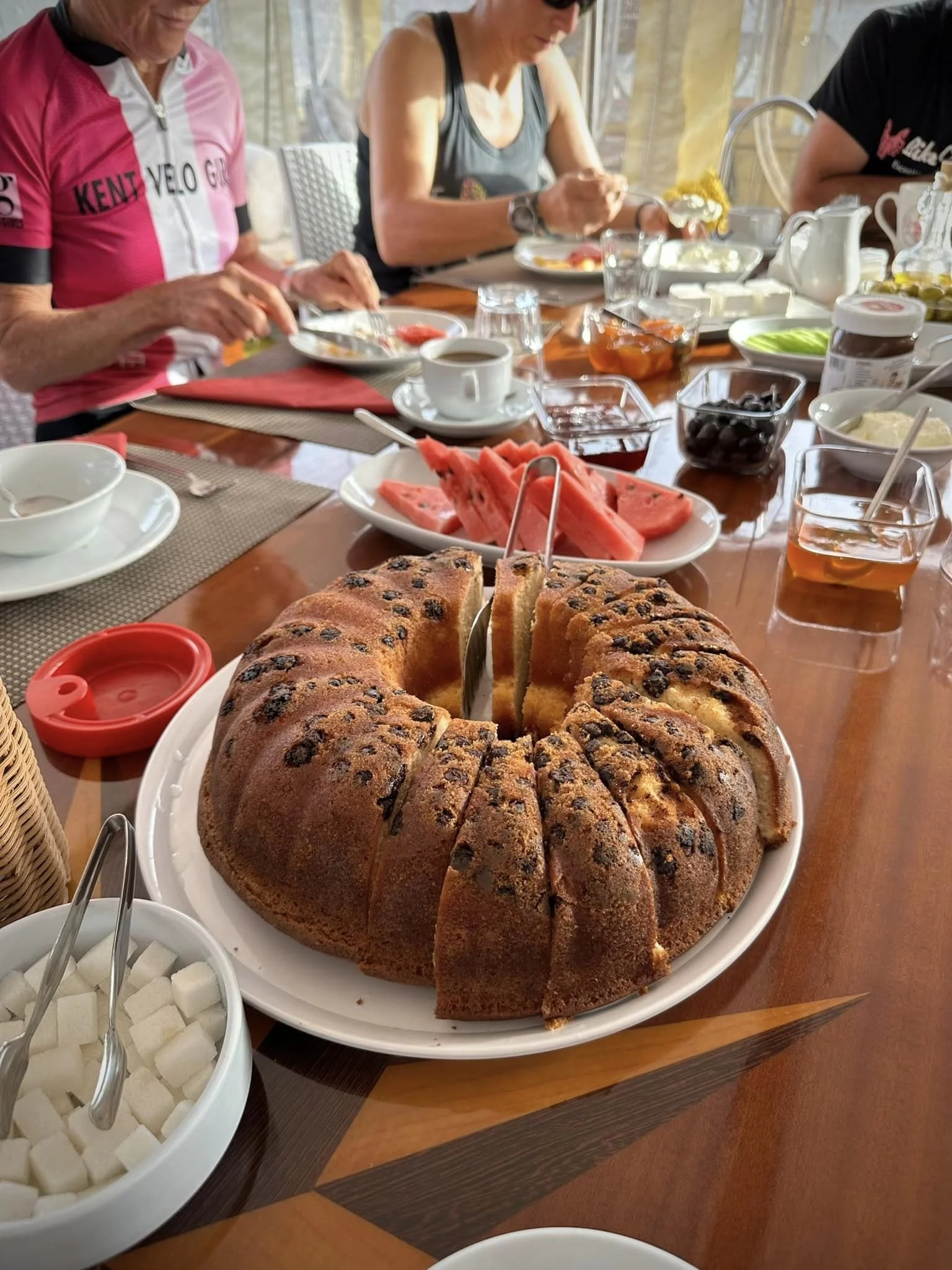
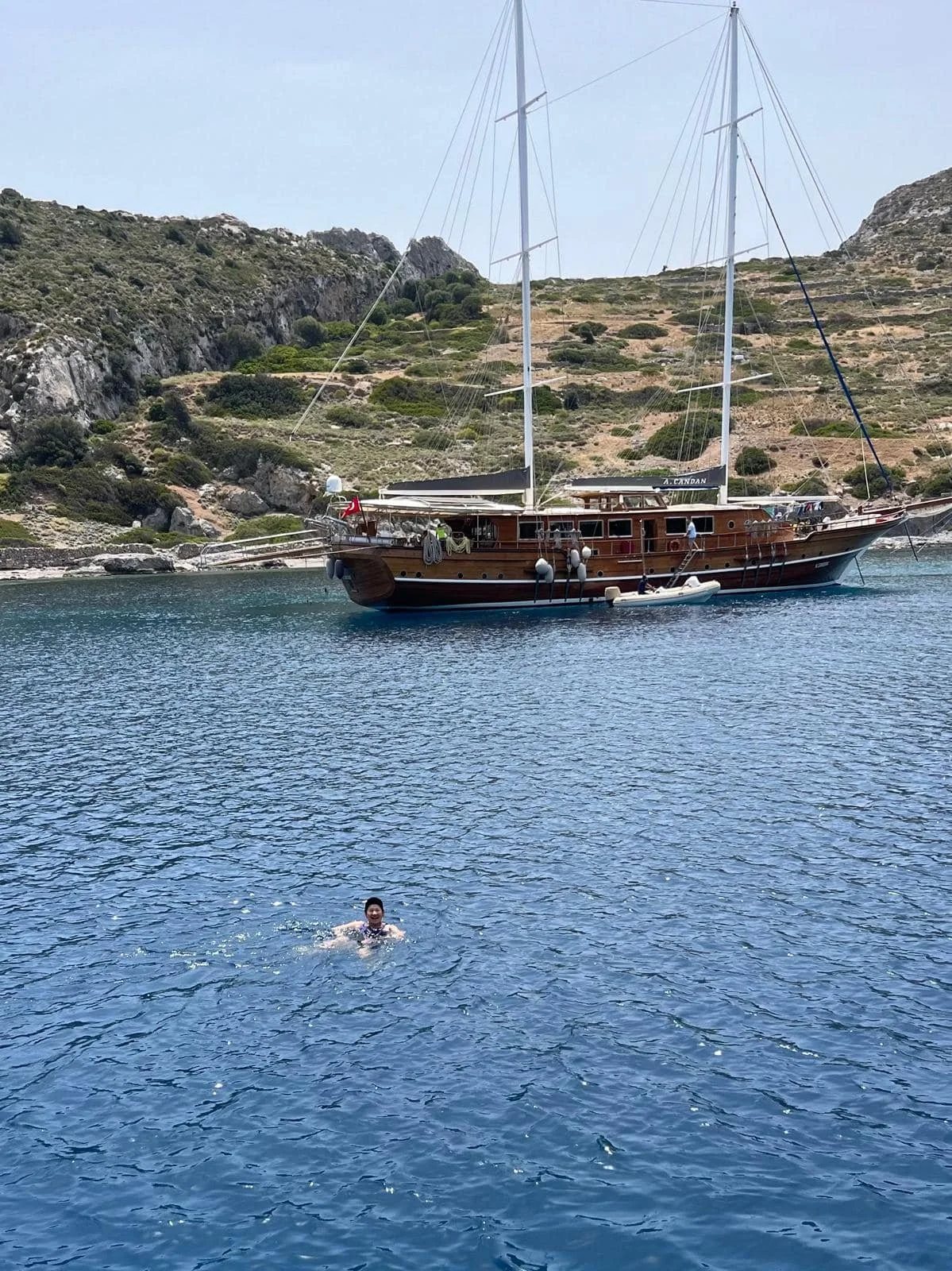
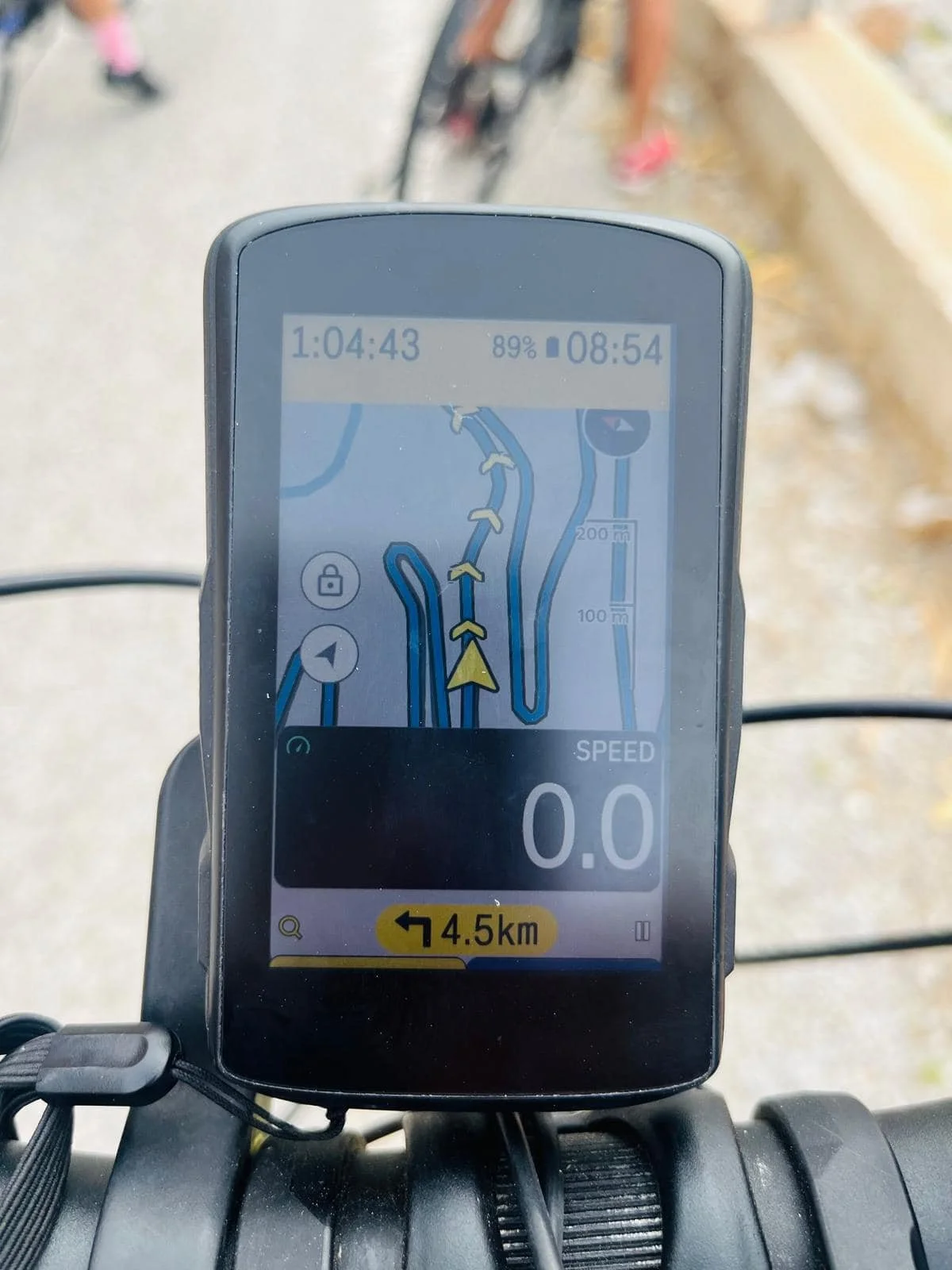
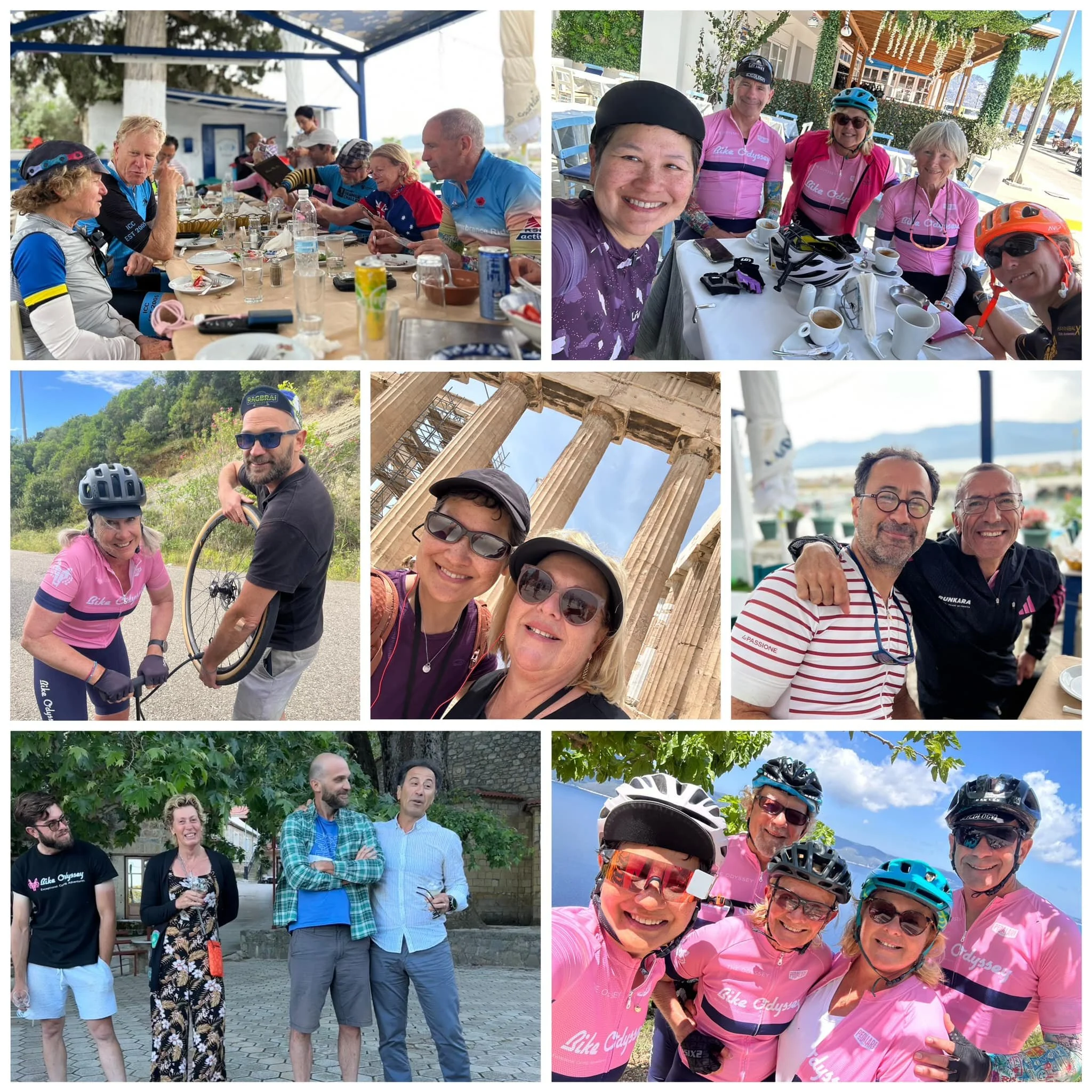
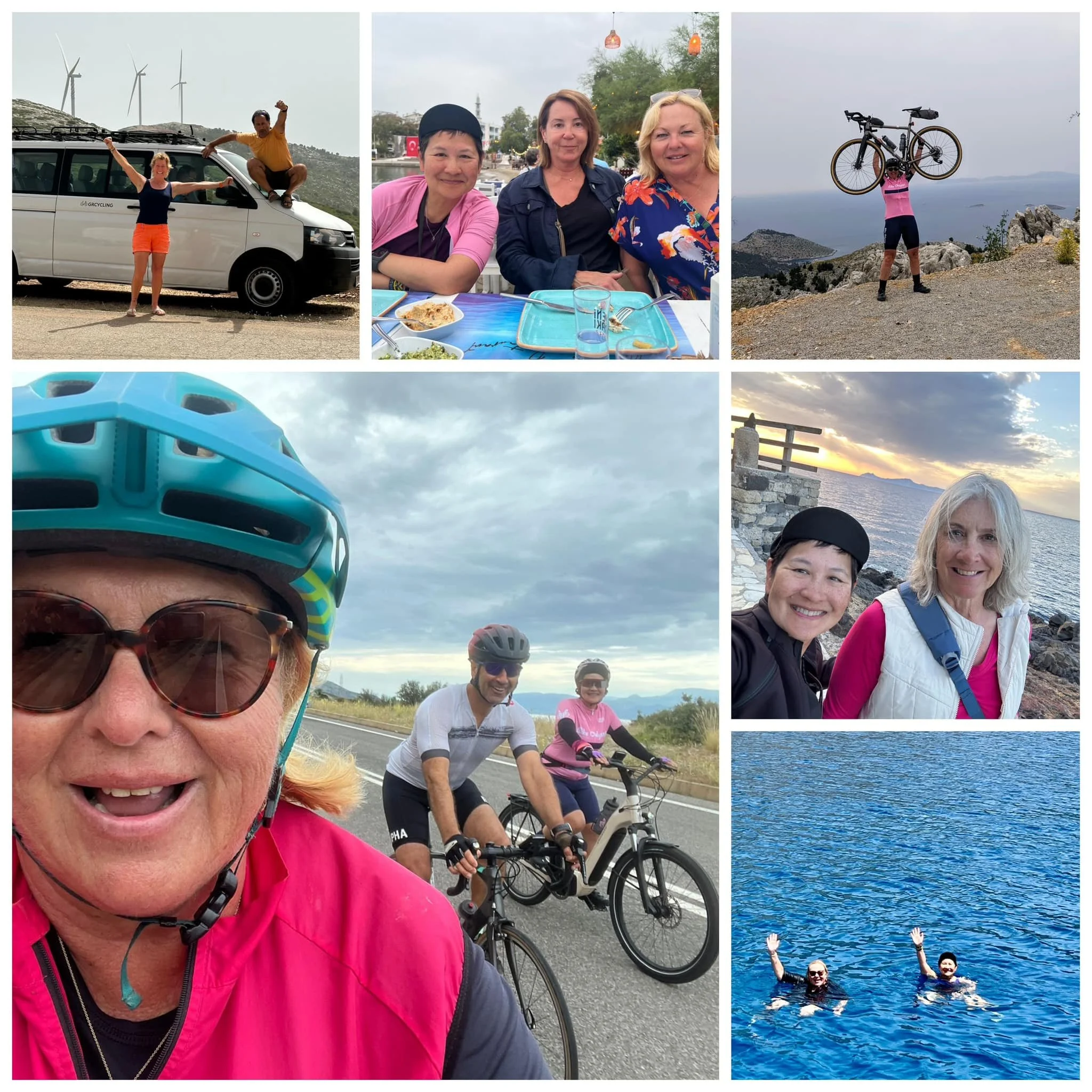
Bike. Boat. Eat. Repeat. Turkish coast and Dodecanese islands.
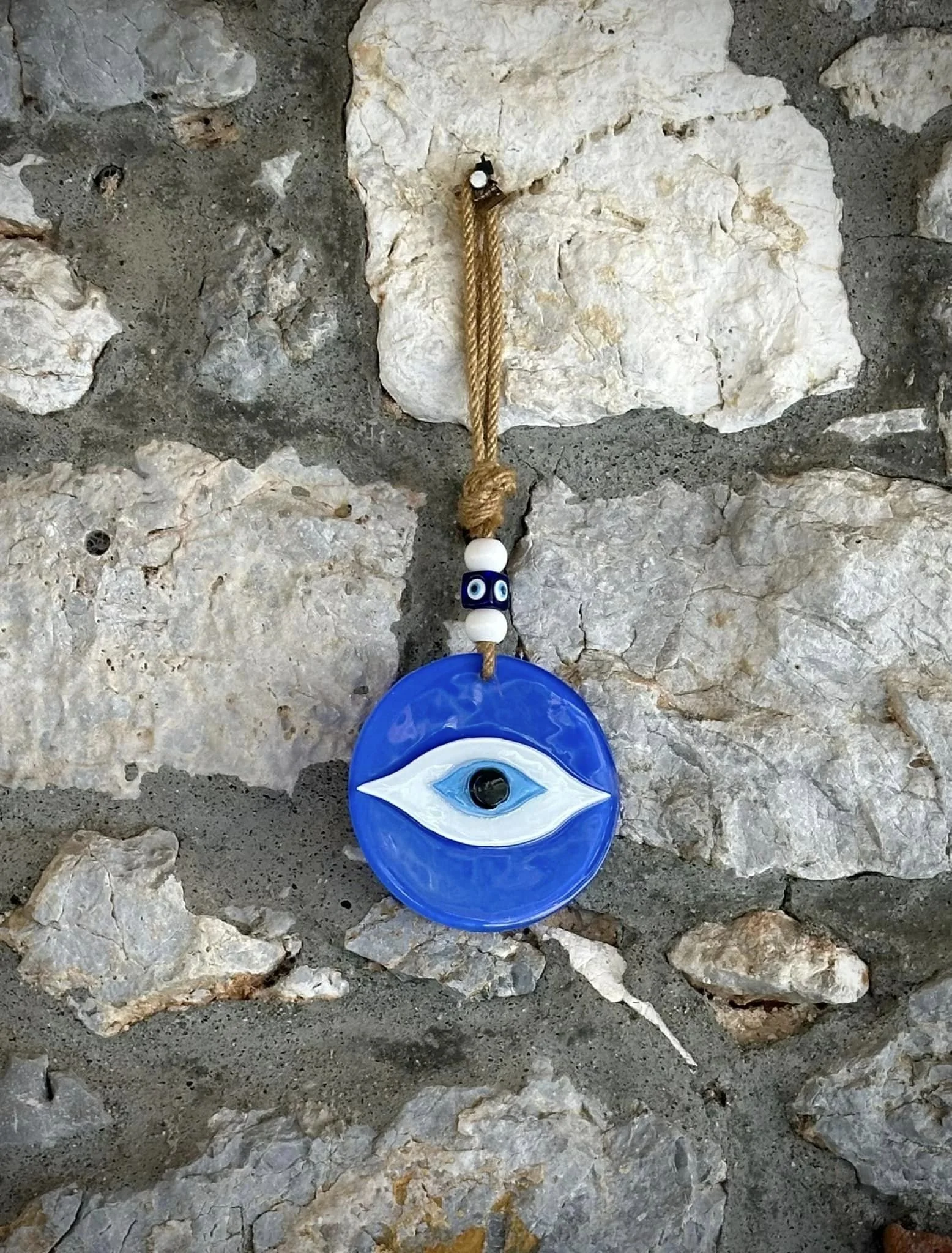
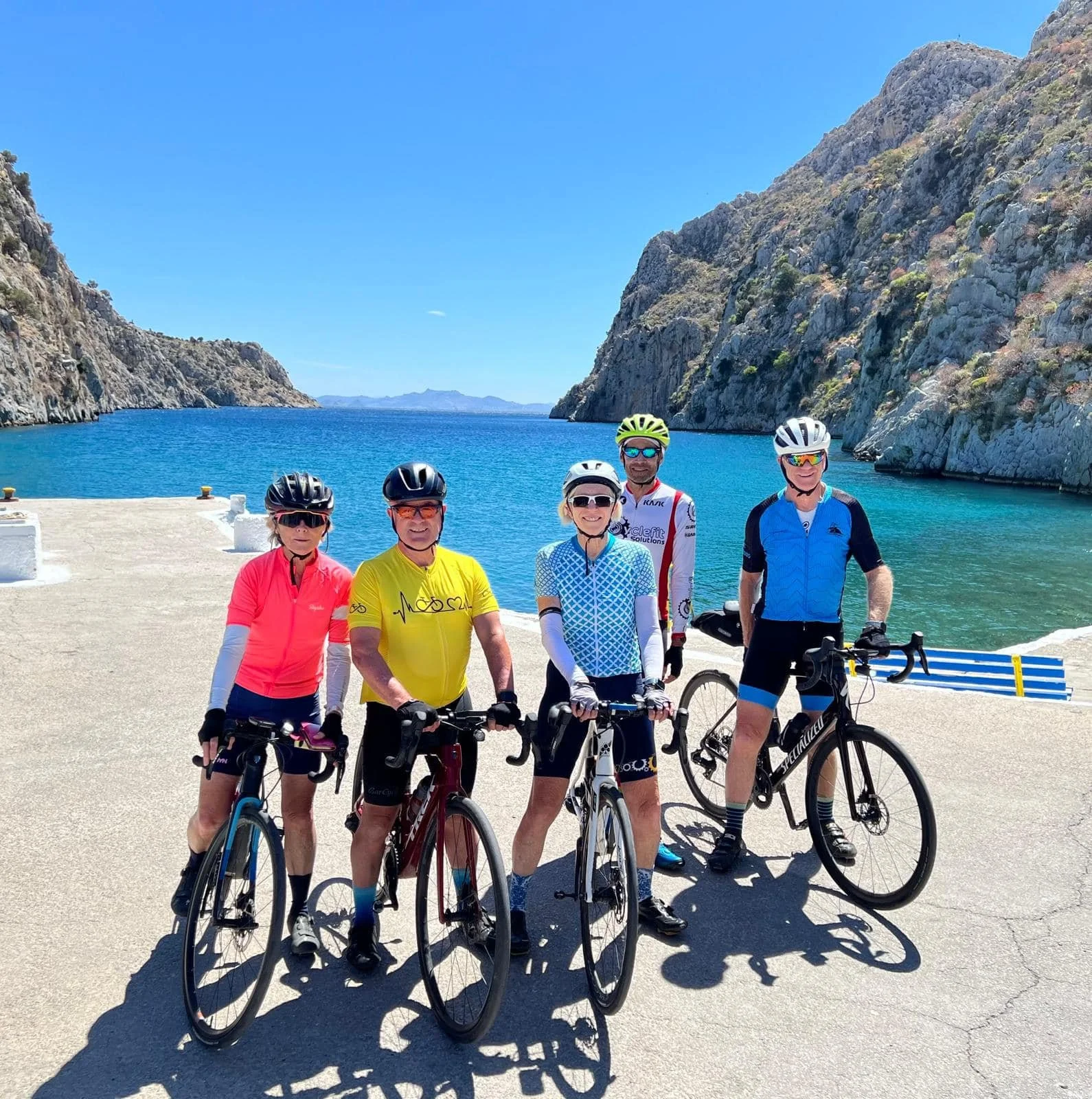
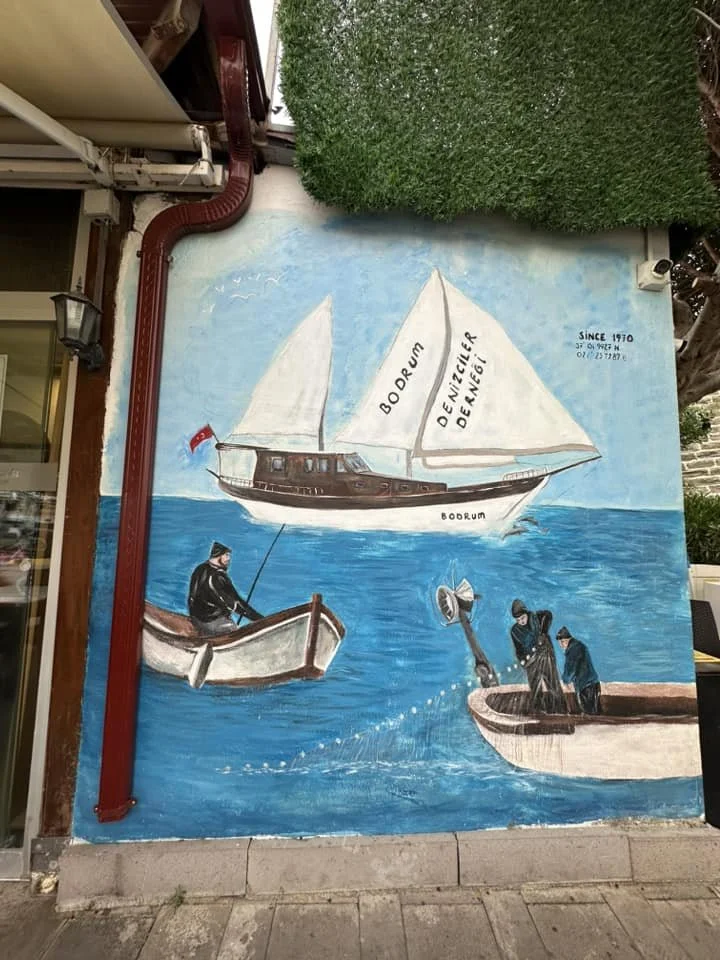
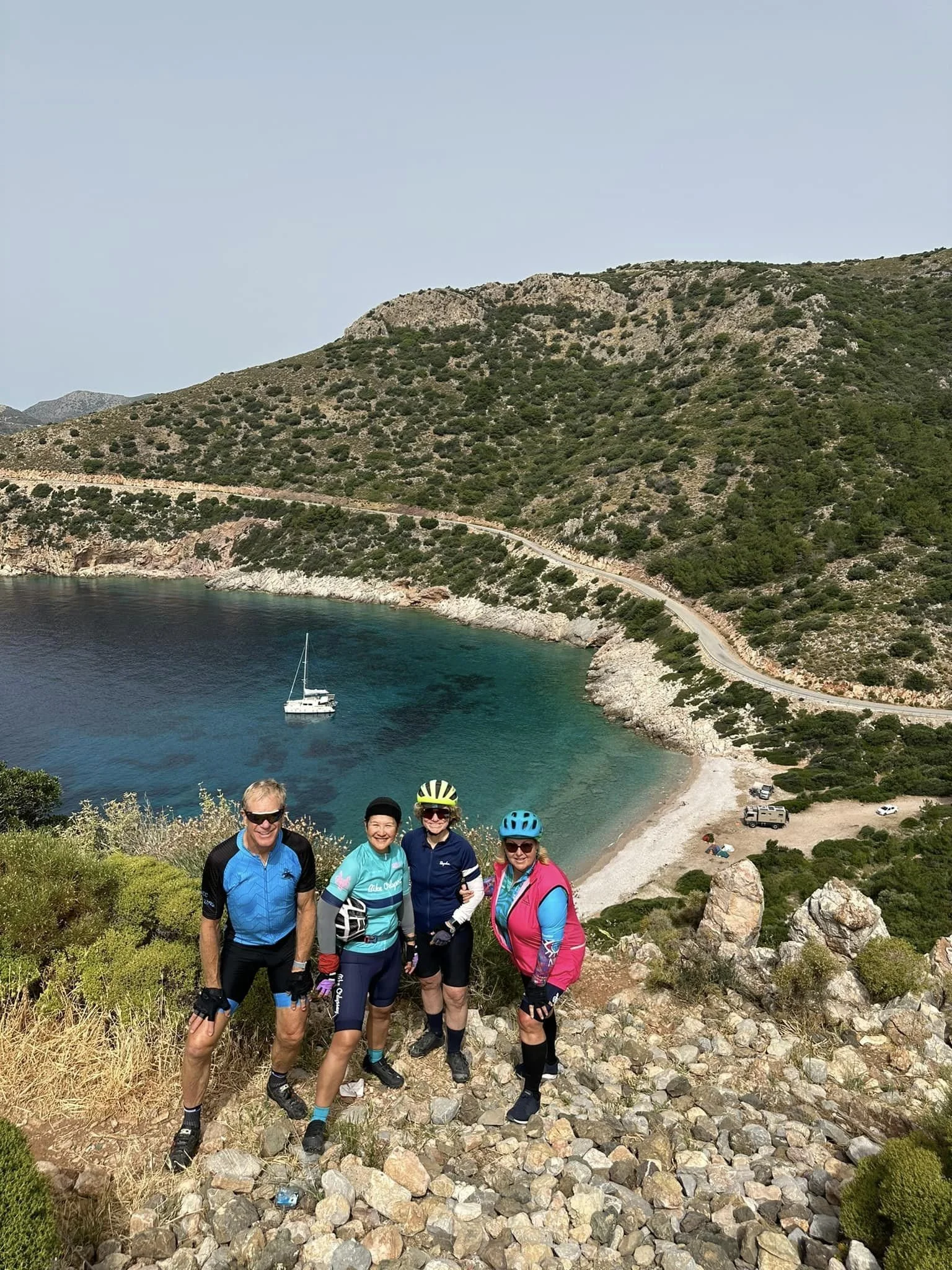
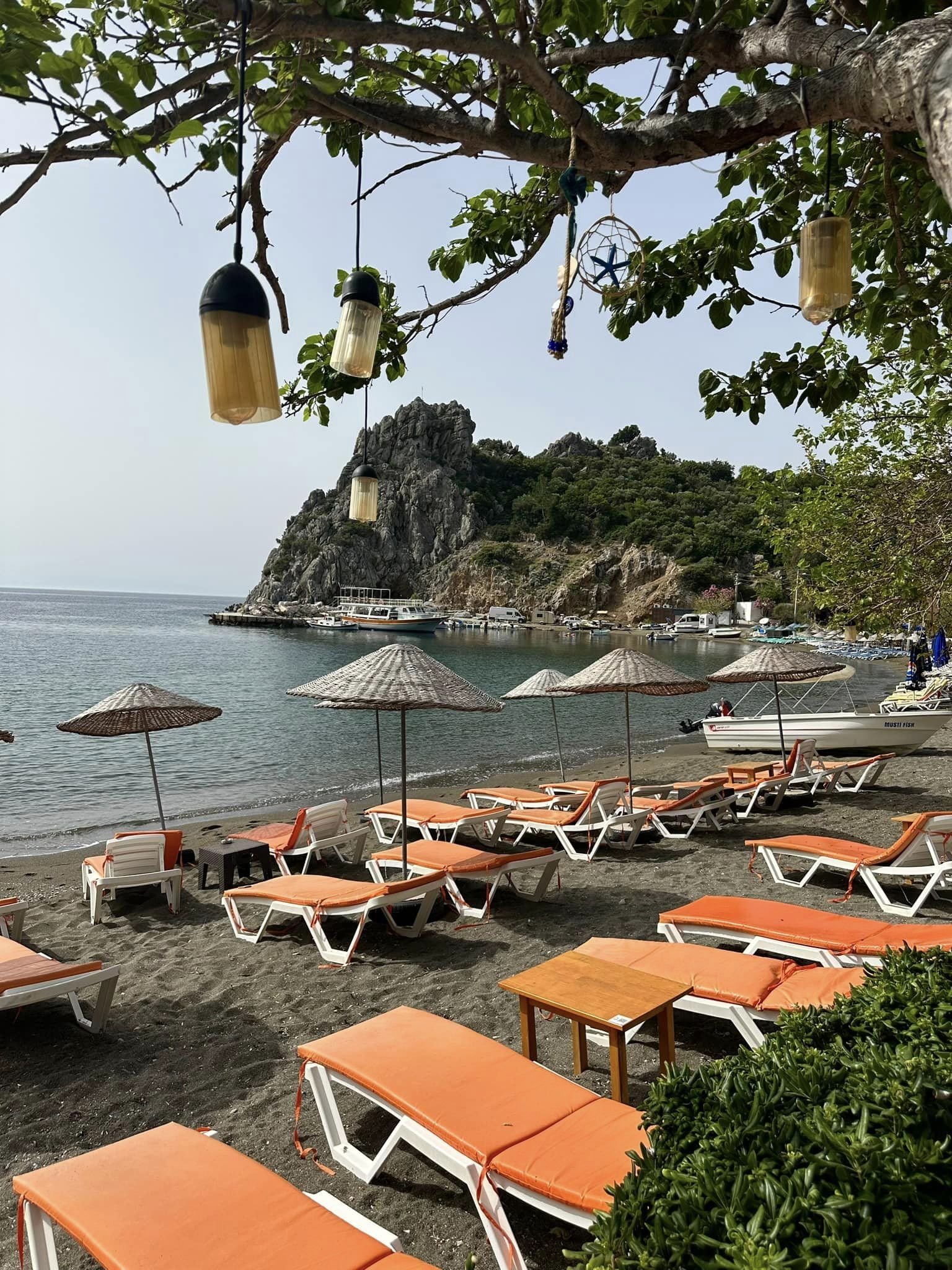
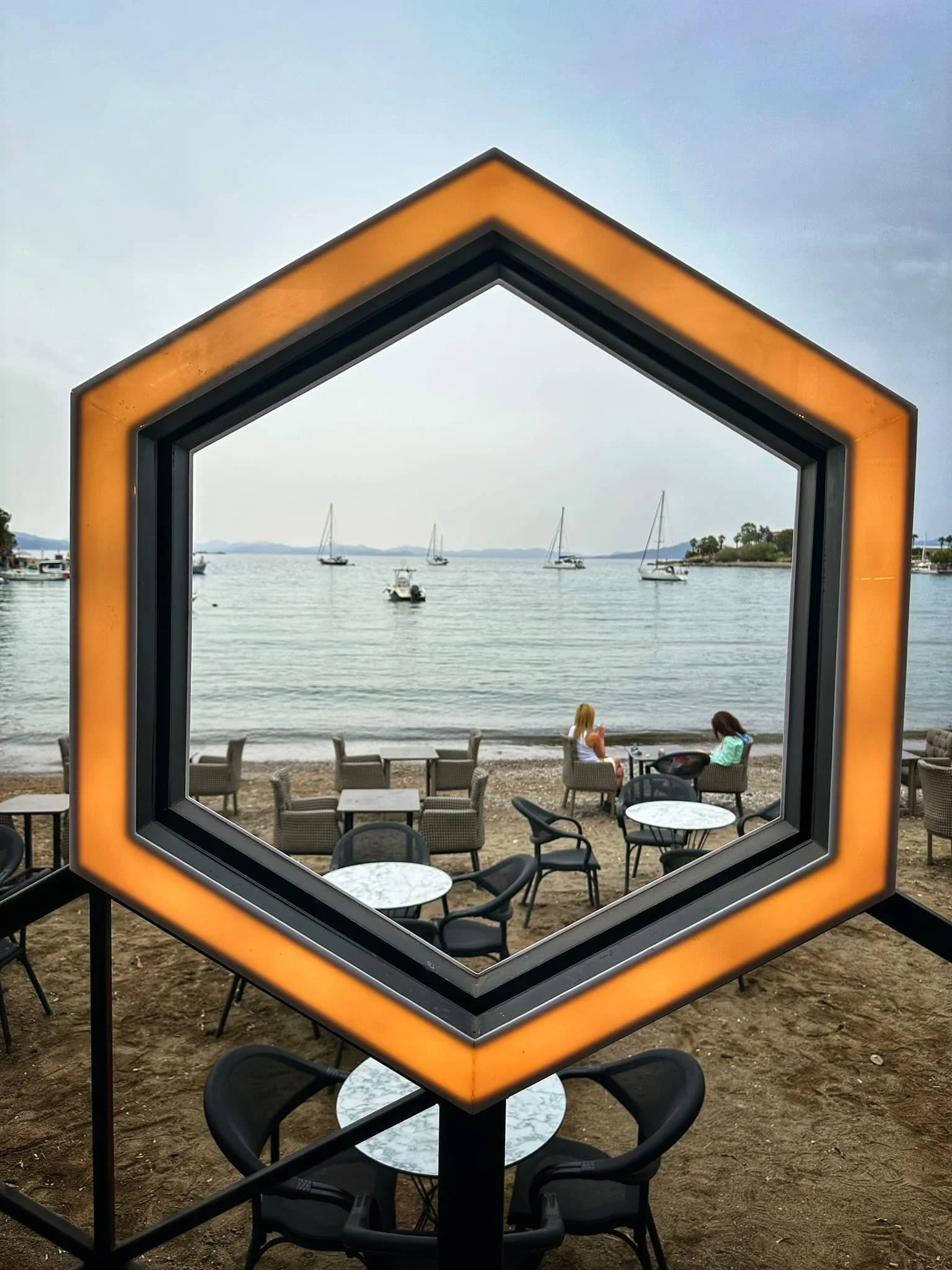
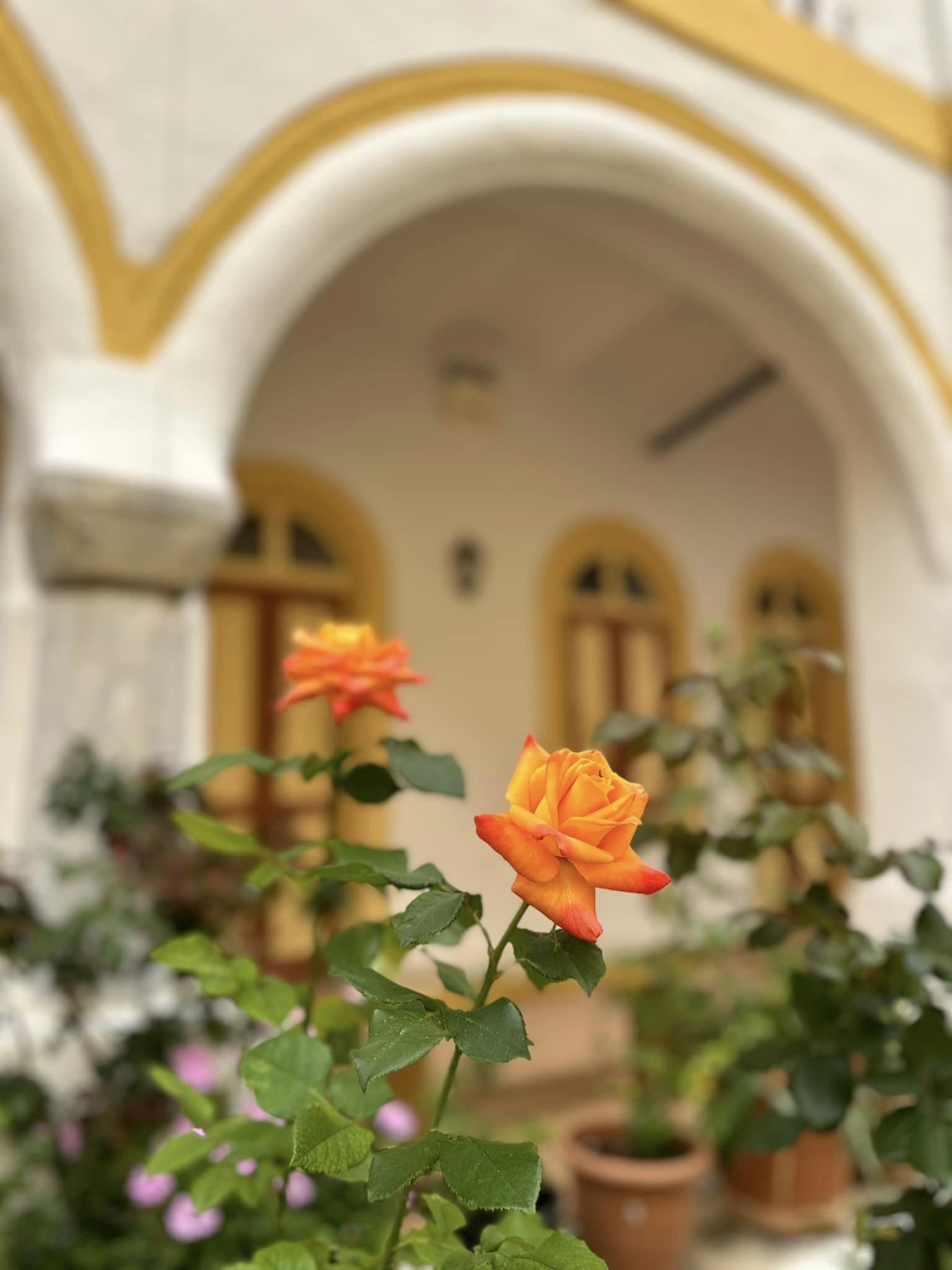
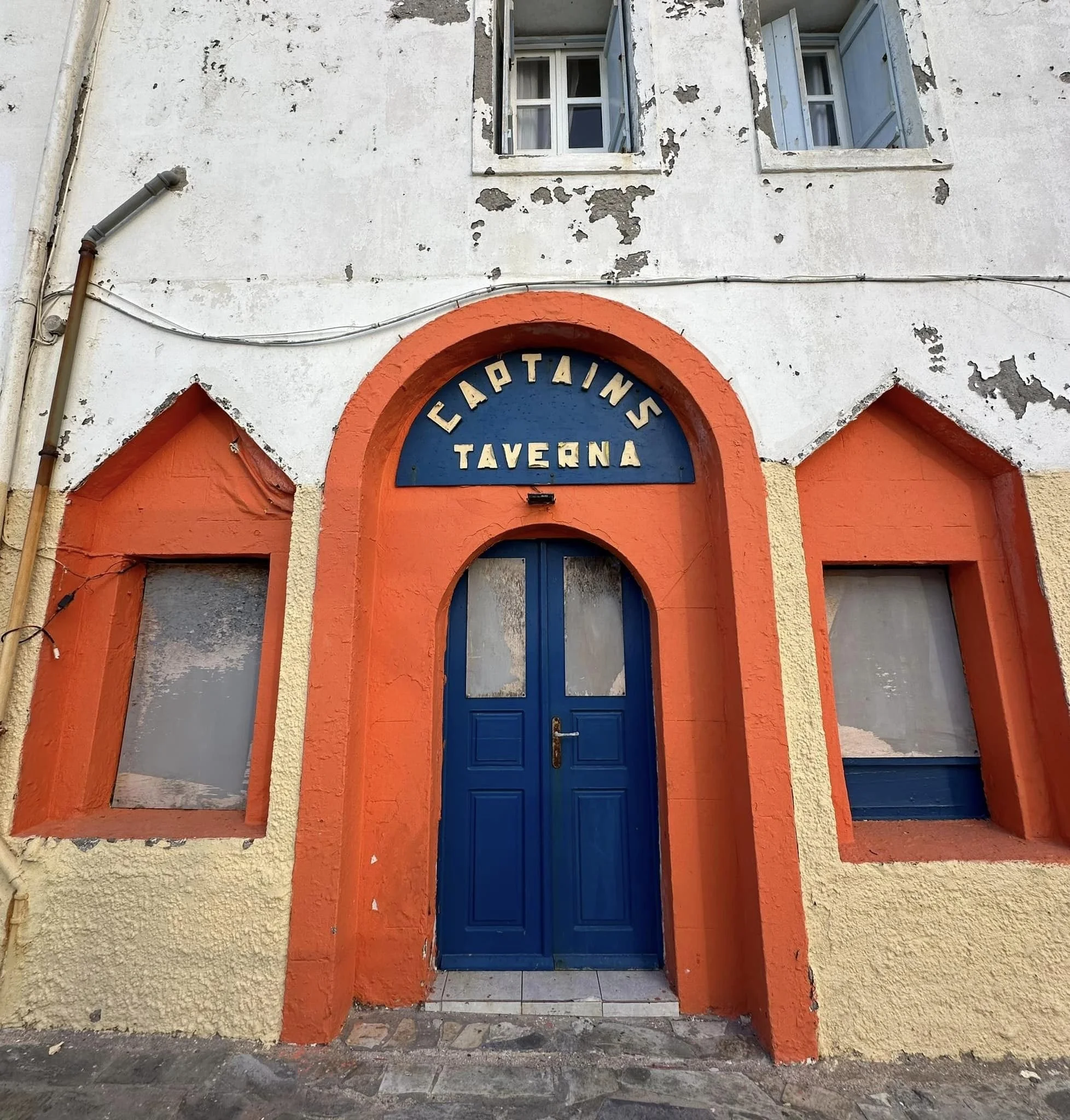
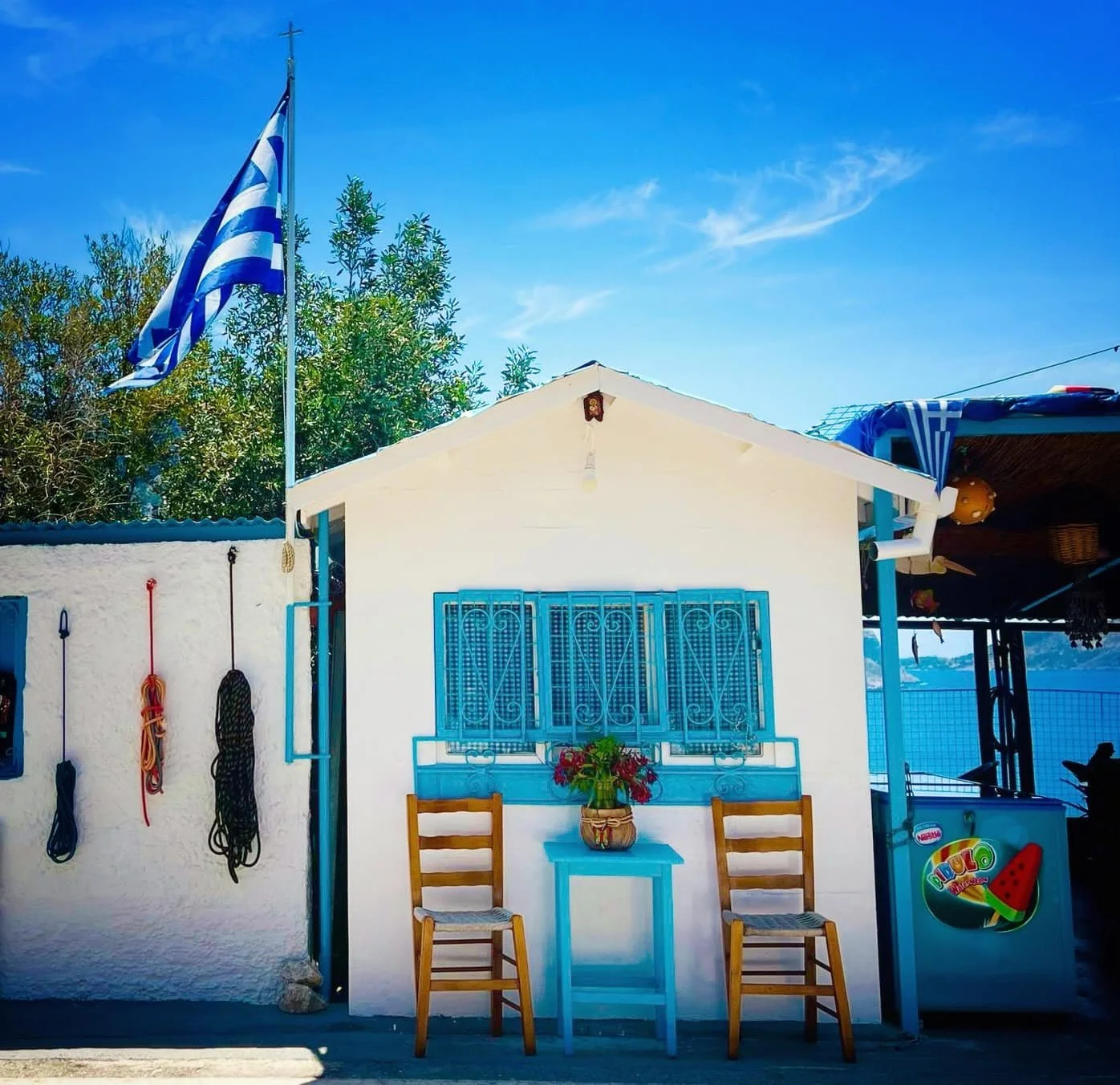
The brilliant colors of the Dodecanese islands and the Turkish coast.
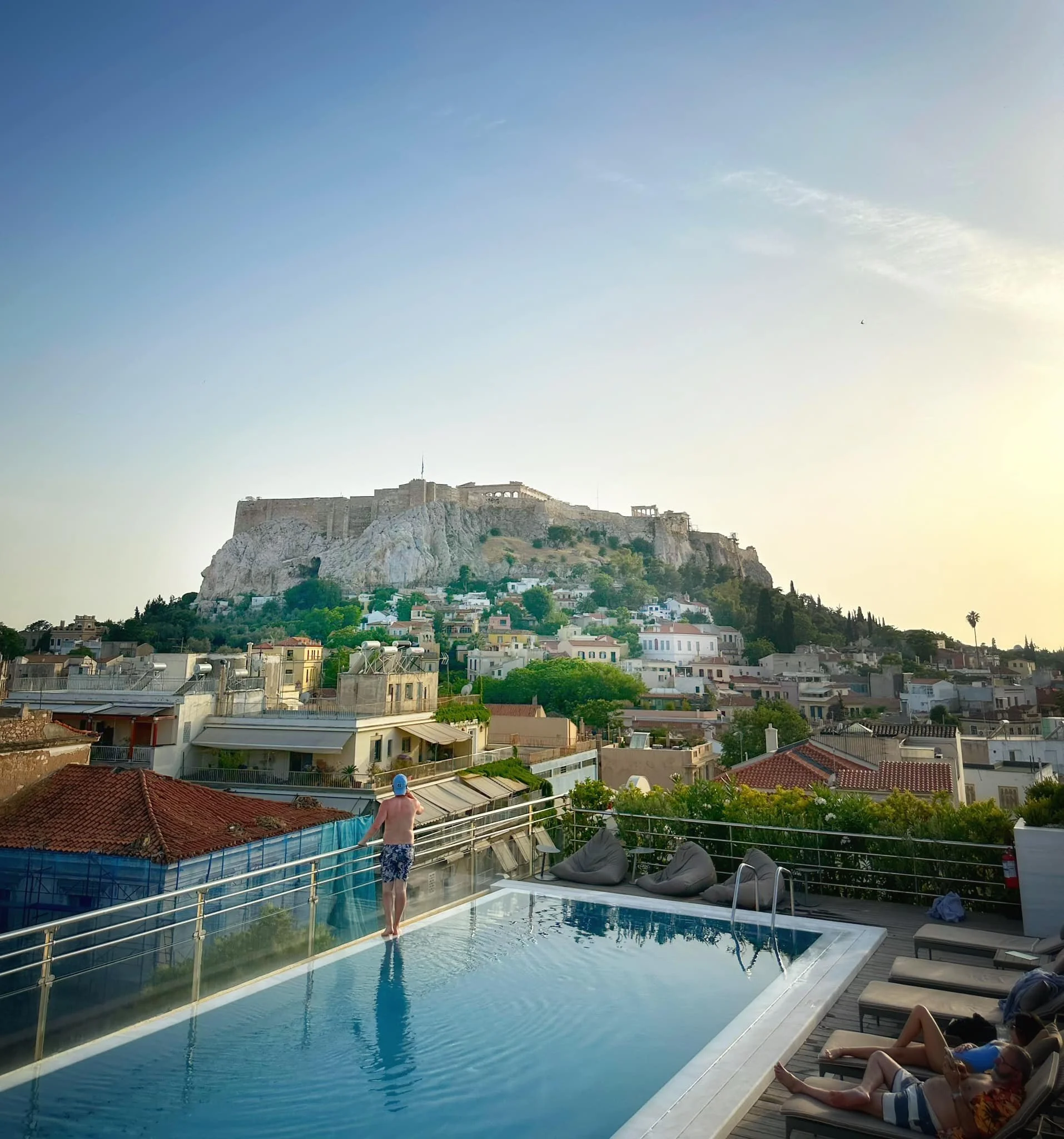
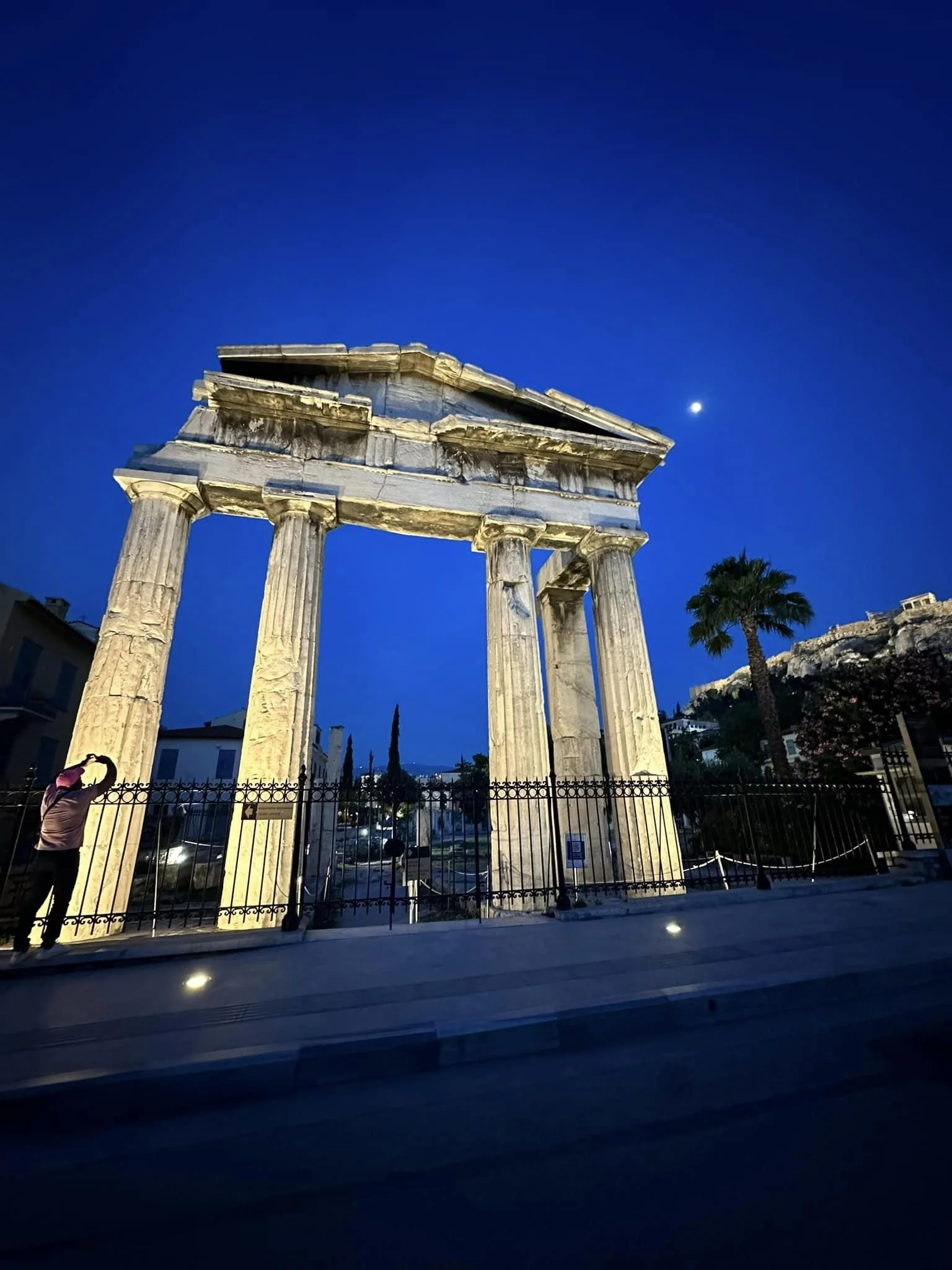
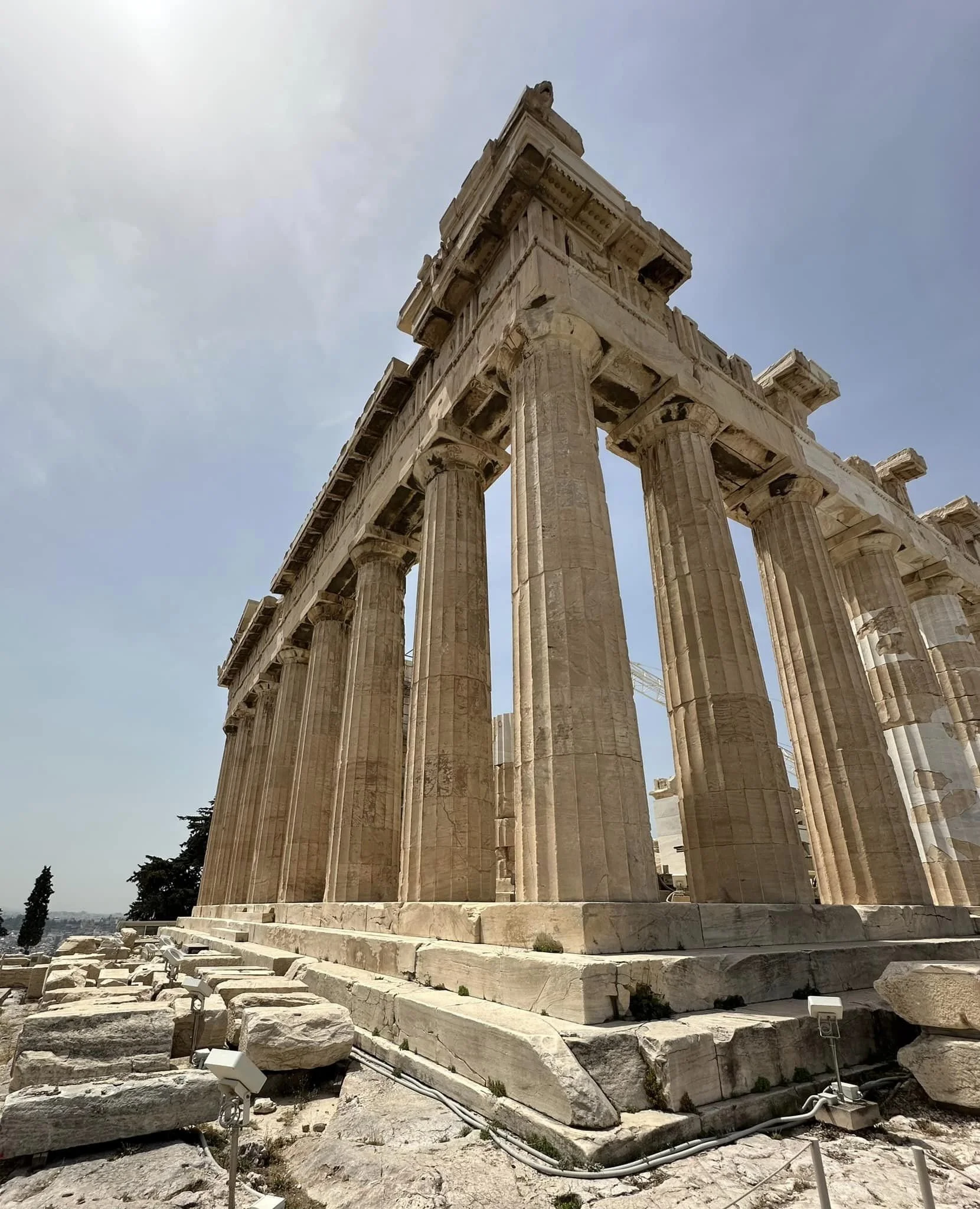
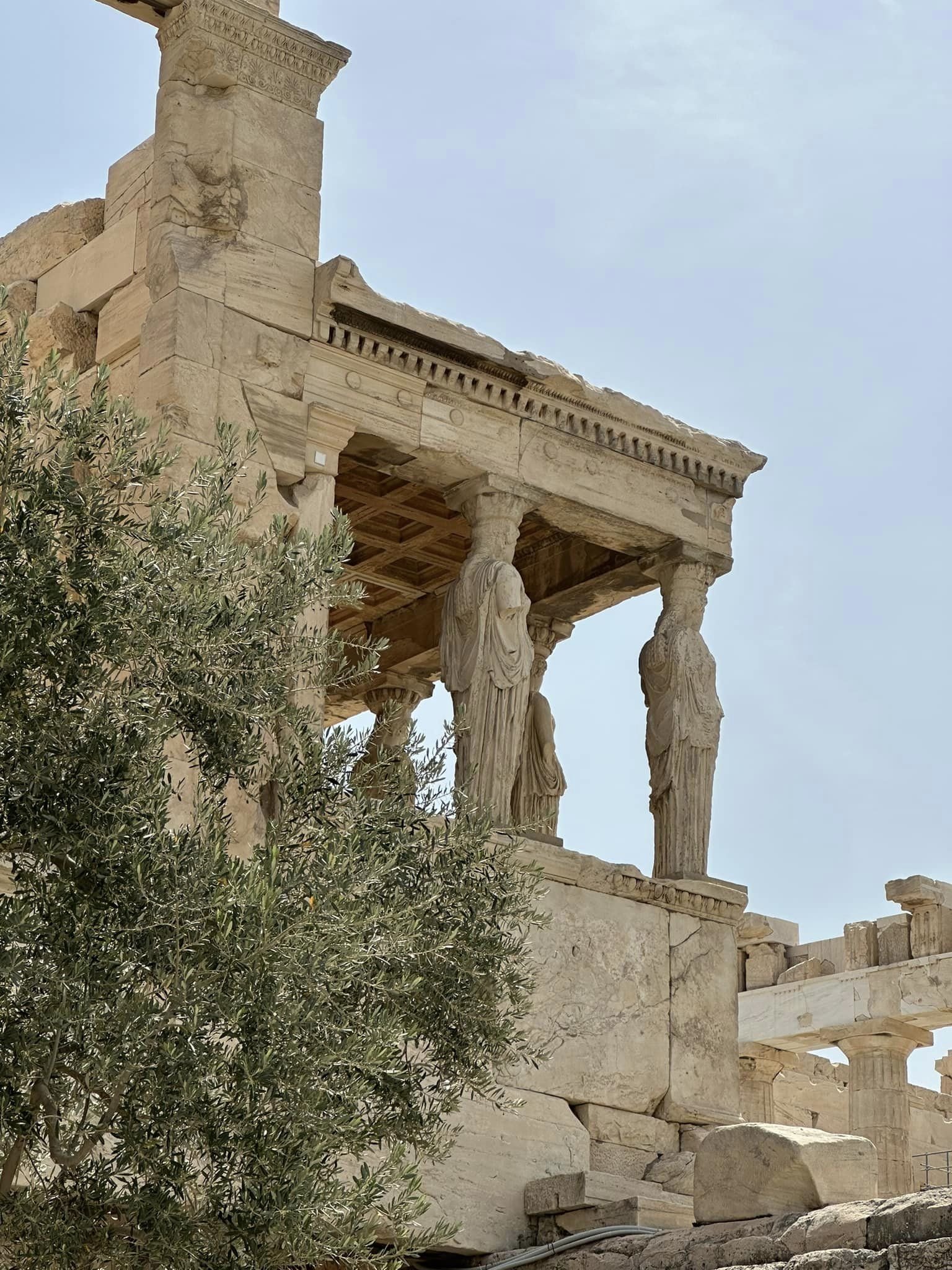
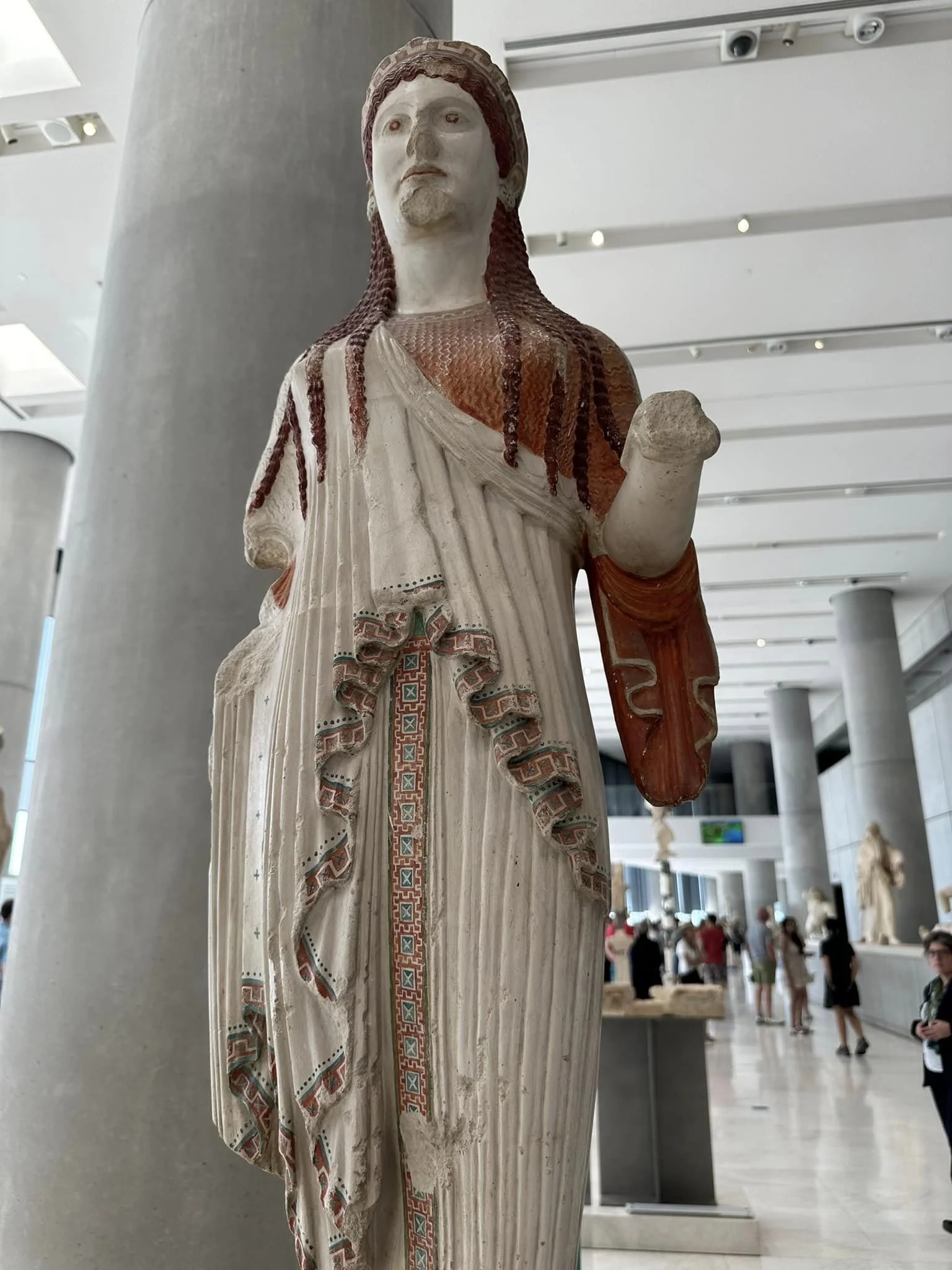
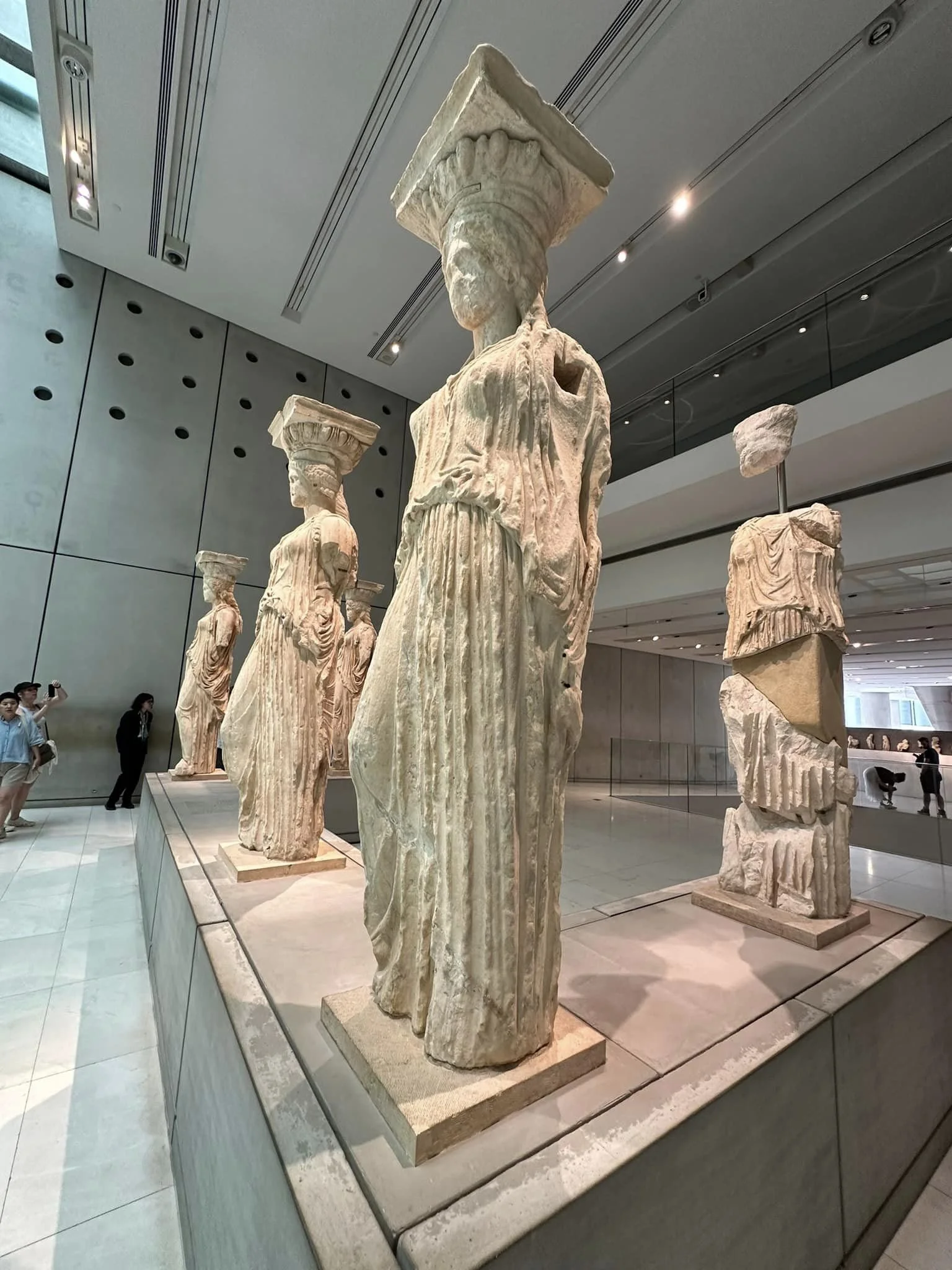
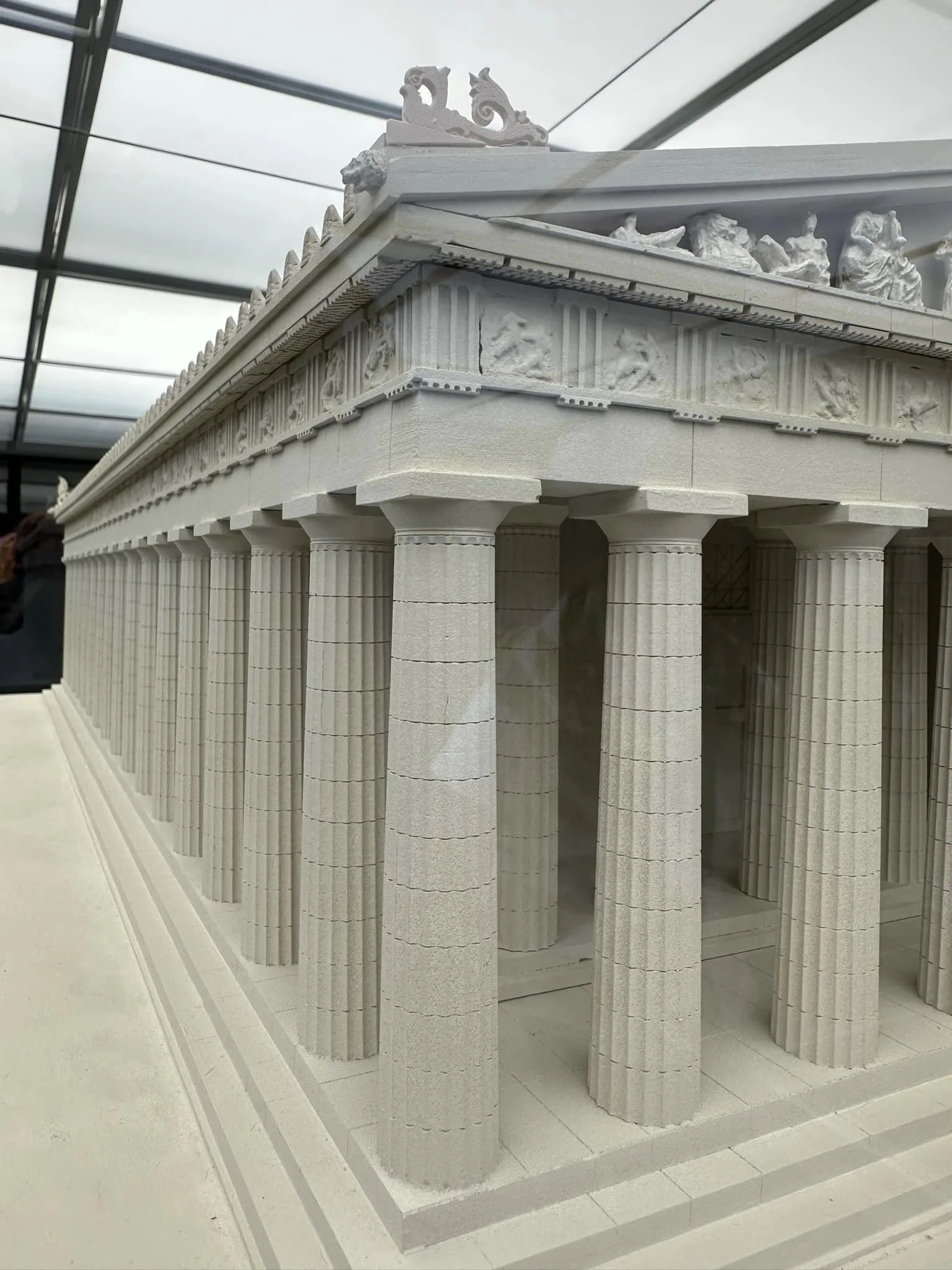
Cradle of Western civilization, birthplace of democracy, a center of art and culture, Athens was one of the most important capitals of the ancient world. Within it, the Acropolis was its highest and most important point, a sacred place of temples and spirituality. Its golden age in the 5th century BC produced such iconic cultural touchstones as the Parthenon. Even in ruins, the temple dedicated to Athena, the city’s patron and protector, is a gleaming citadel on high.
While some of the most significant pieces were carted off and ended up in museums in London and other European capitals, what remains, and any repatriated pieces are in the new-ish Acropolis museum. Its marvelous displays complete the picture and allow visitors to get in close to the remarkable workmanship and complex history of the site.
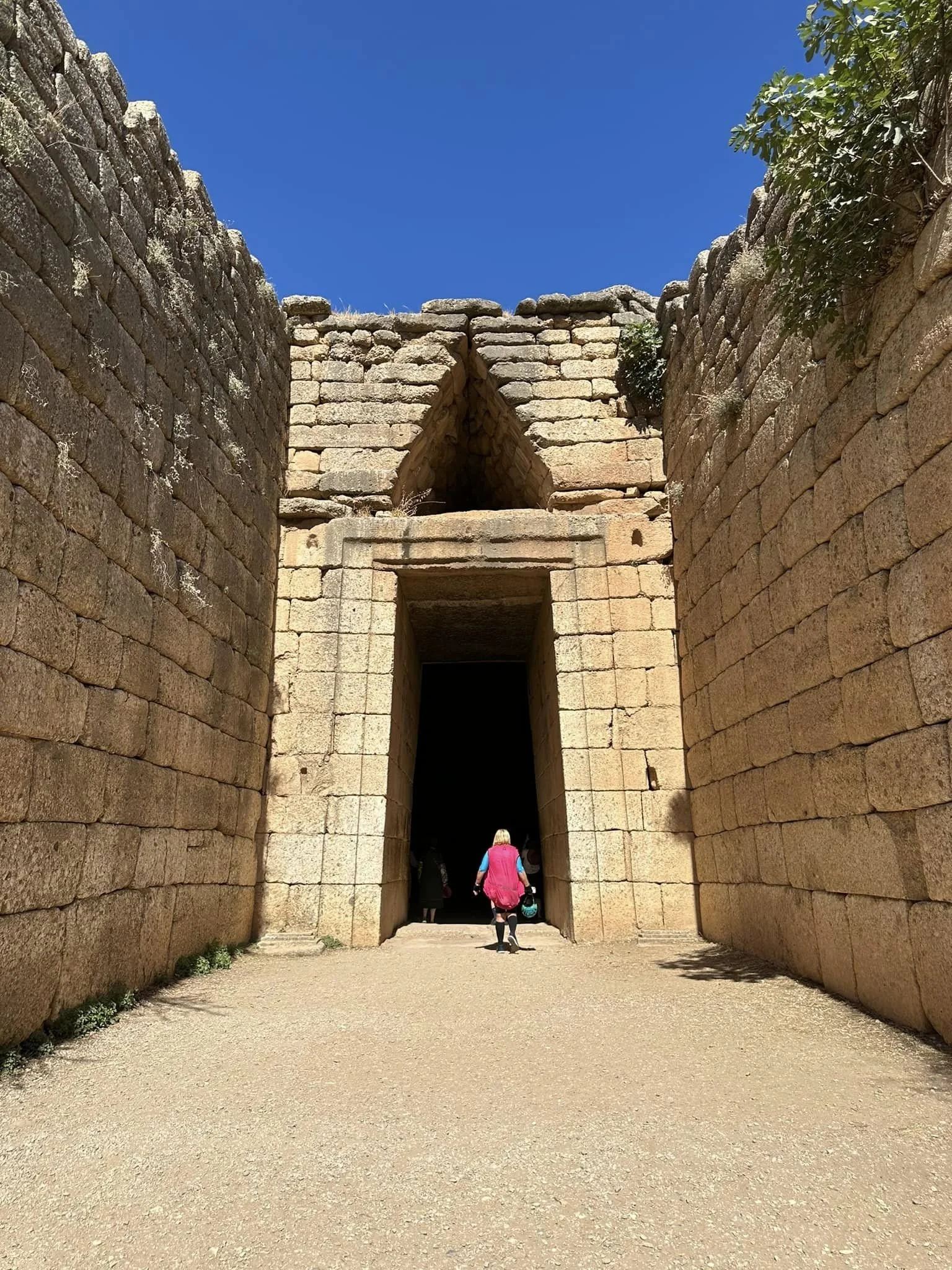
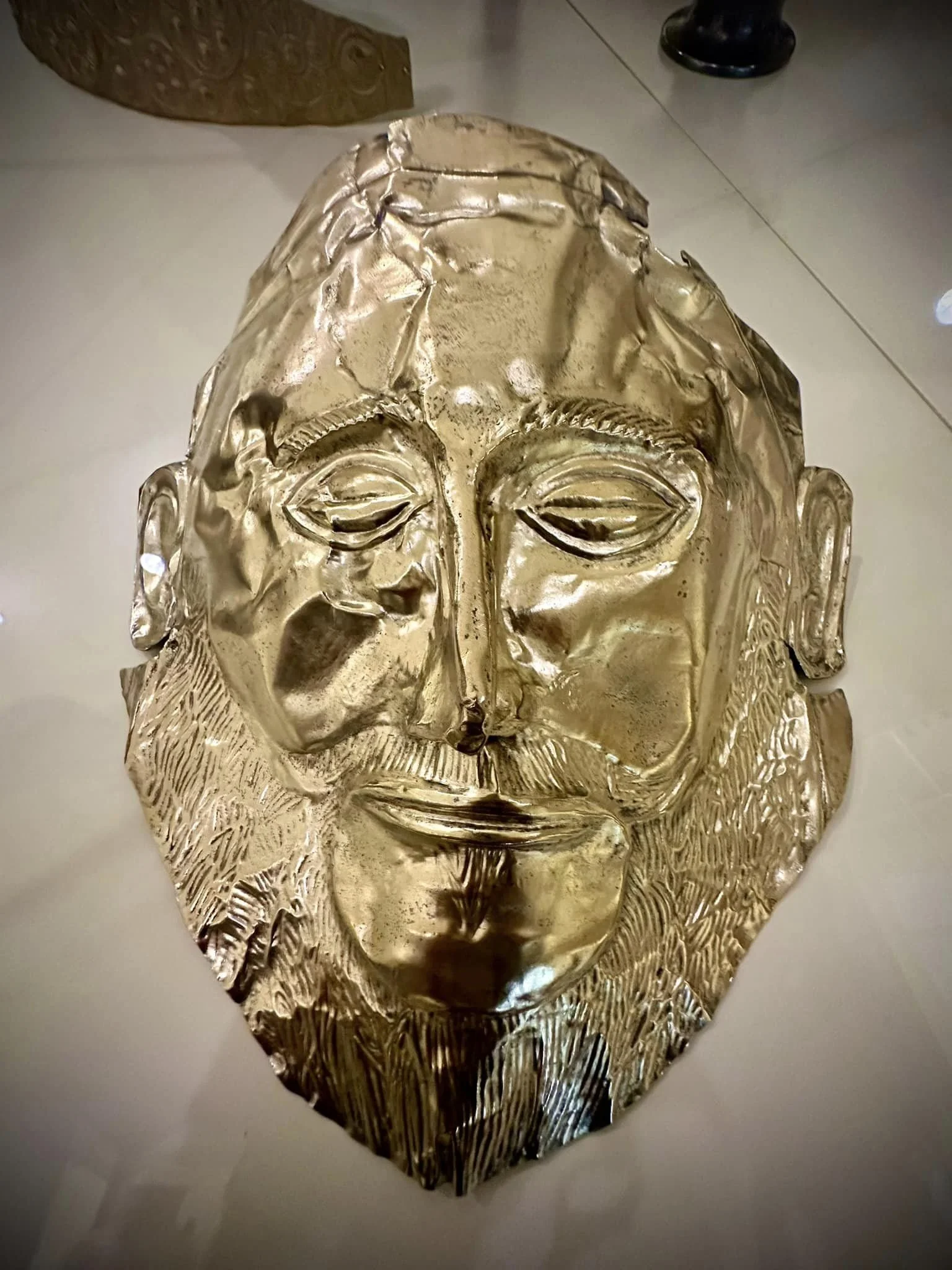
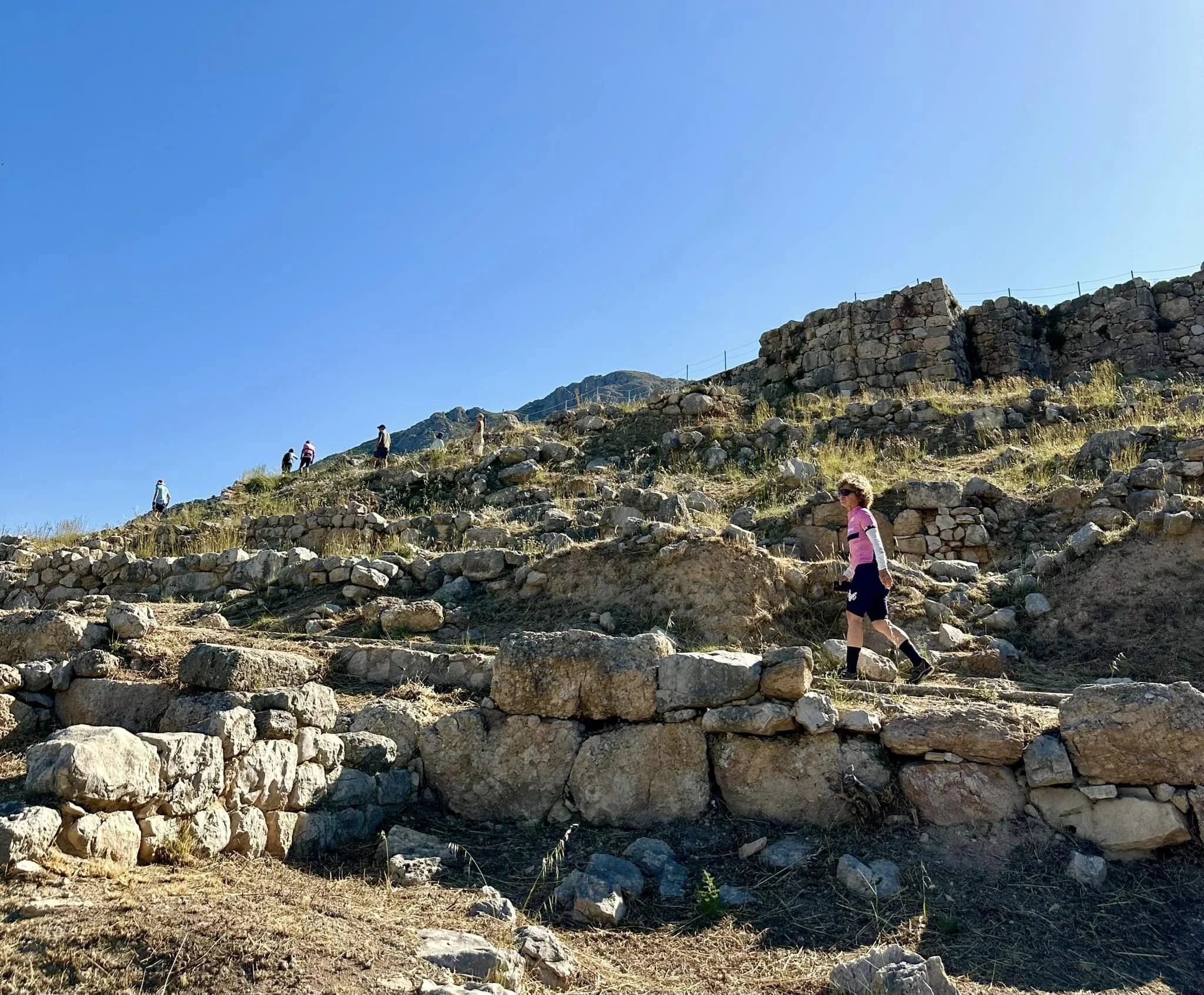
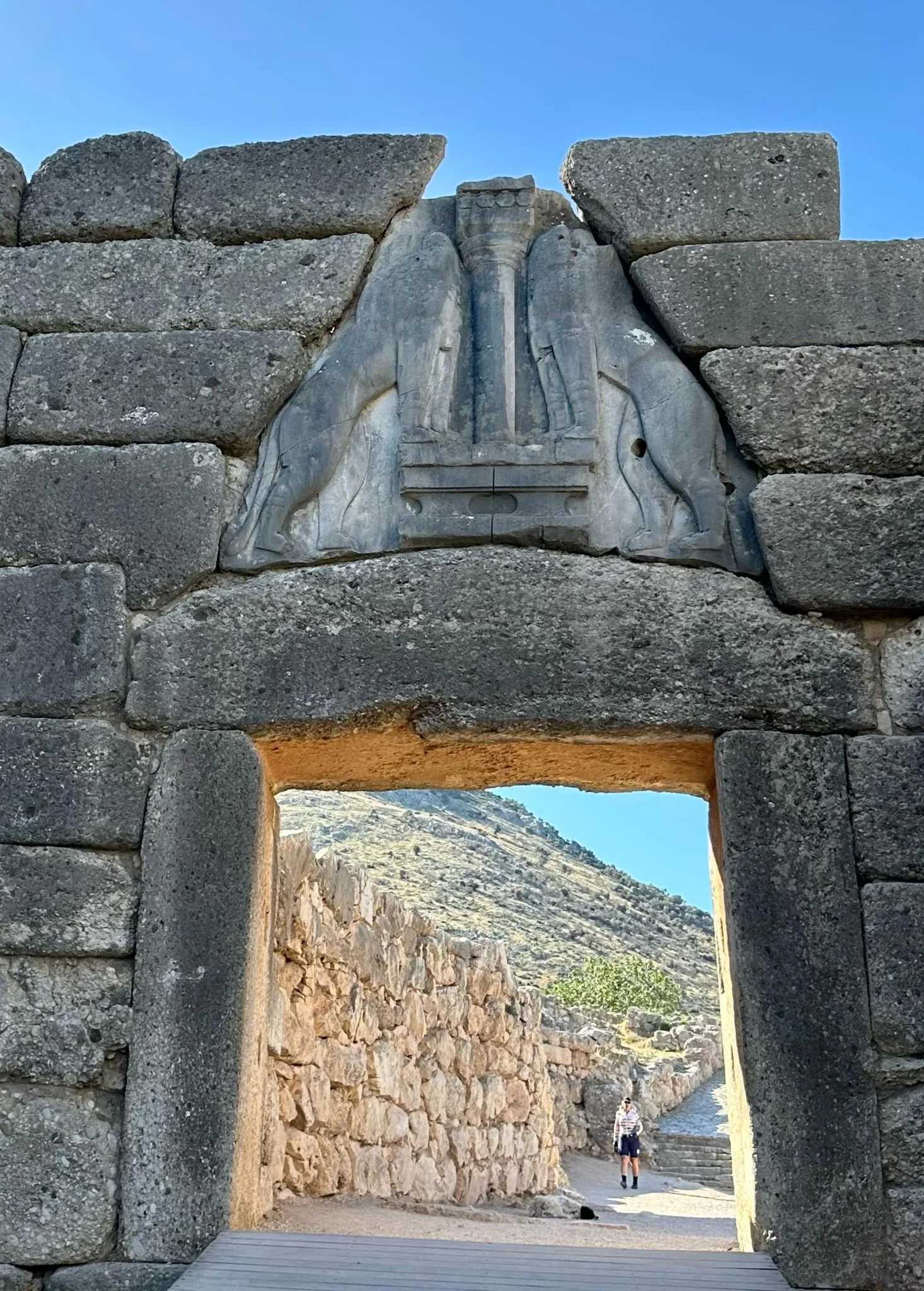
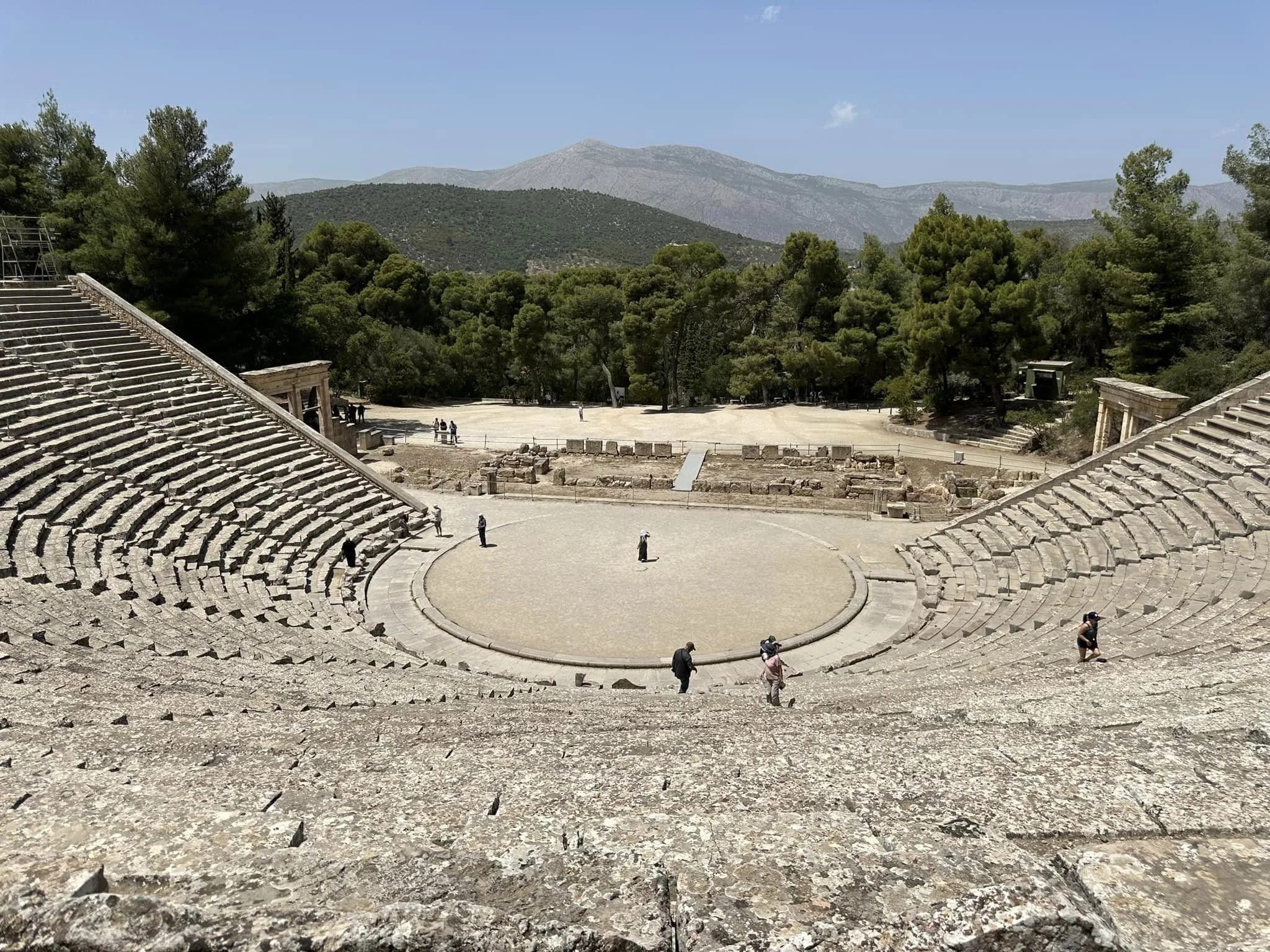
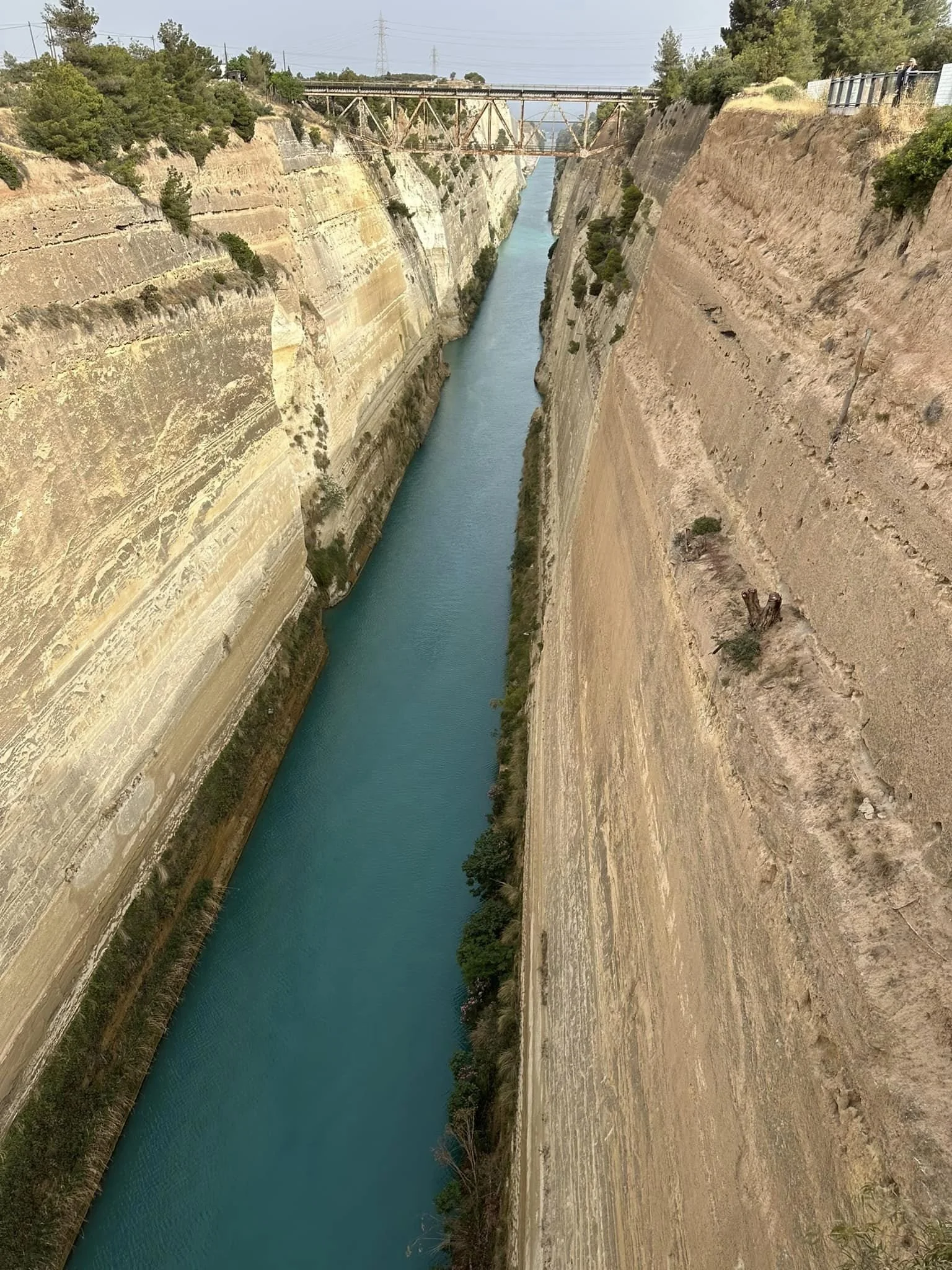
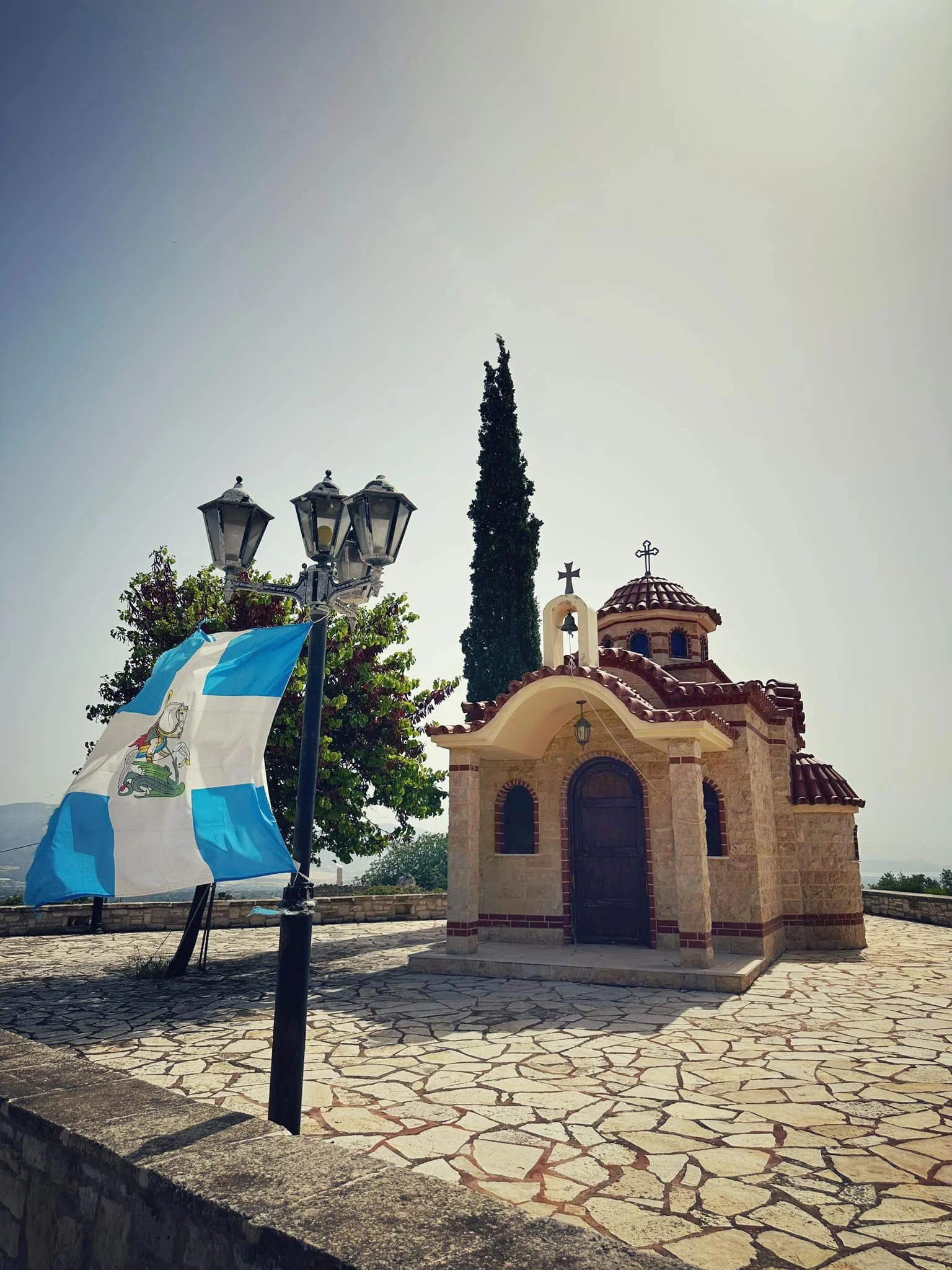
Into the Peloponnese: This large, many-fingered peninsula is connected to mainland Greece by a spit of land called the Isthmus of Corinth, which is cut-through by a 19th-century marvel of engineering connecting the Gulf of Corinth and the Aegean Sea.
The peninsula figures prominently in the Iliad and the Odyssey. The ancient city-states of Sparta and Corinth were located here. Fact and myth meld when you are looking back more than three millennia, but according to Homer, “golden Mycenae” was ruled by Agamemnon, who musters an armada of Greeks to sail across a “wine-dark sea” to war with Troy after his brother Menelaus appeals to him following Paris’s abduction of his wife Helen.
Cycling through an undulating countryside steeped in history and mythology, now dotted with olive and cypress trees and storybook villages and monumental archaeological sites that pre-date the classical period is dreamy. Though the many snarling guard dogs (most behind fences, though unfortunately not all) bring you quickly back to the present.
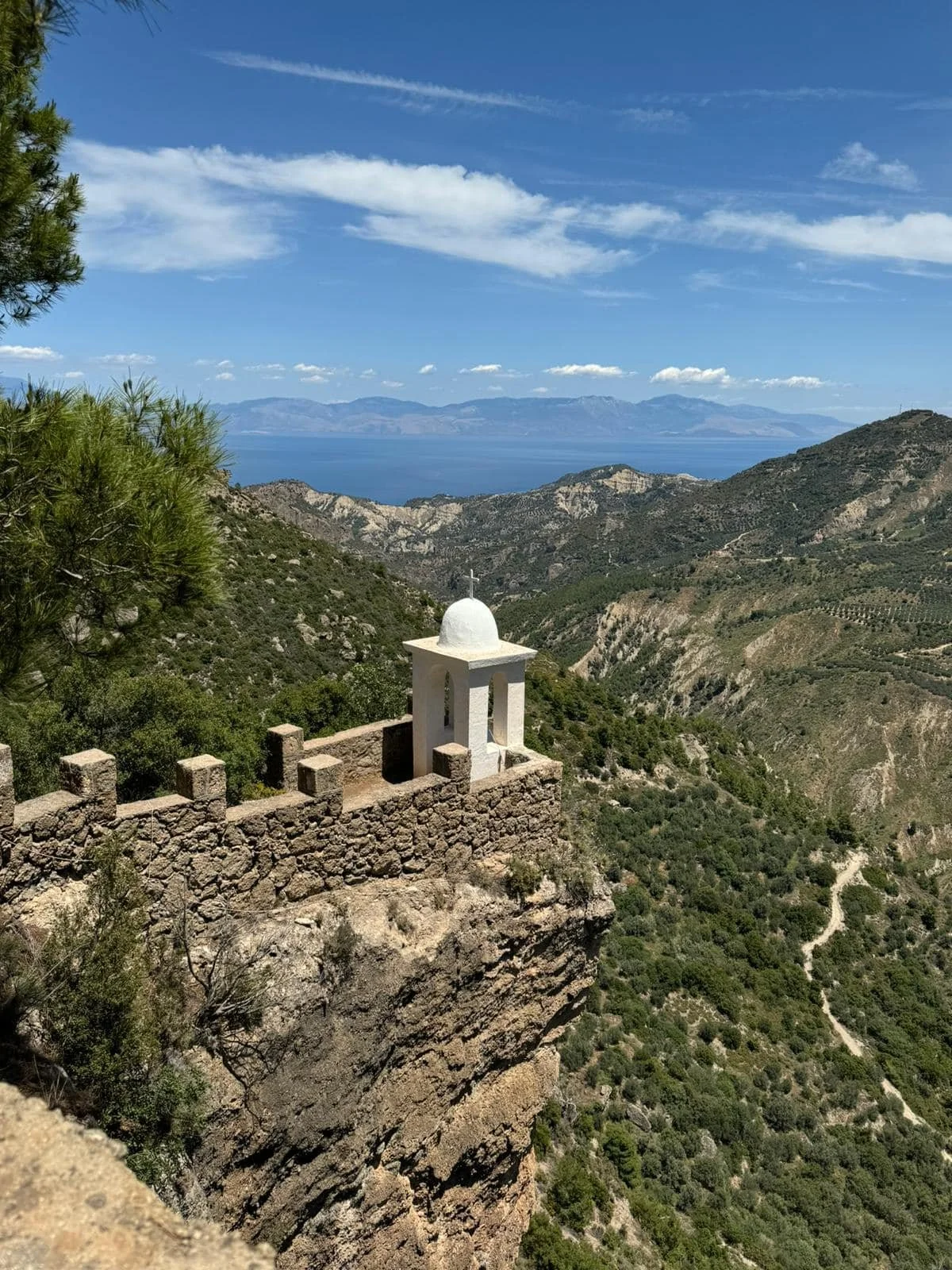
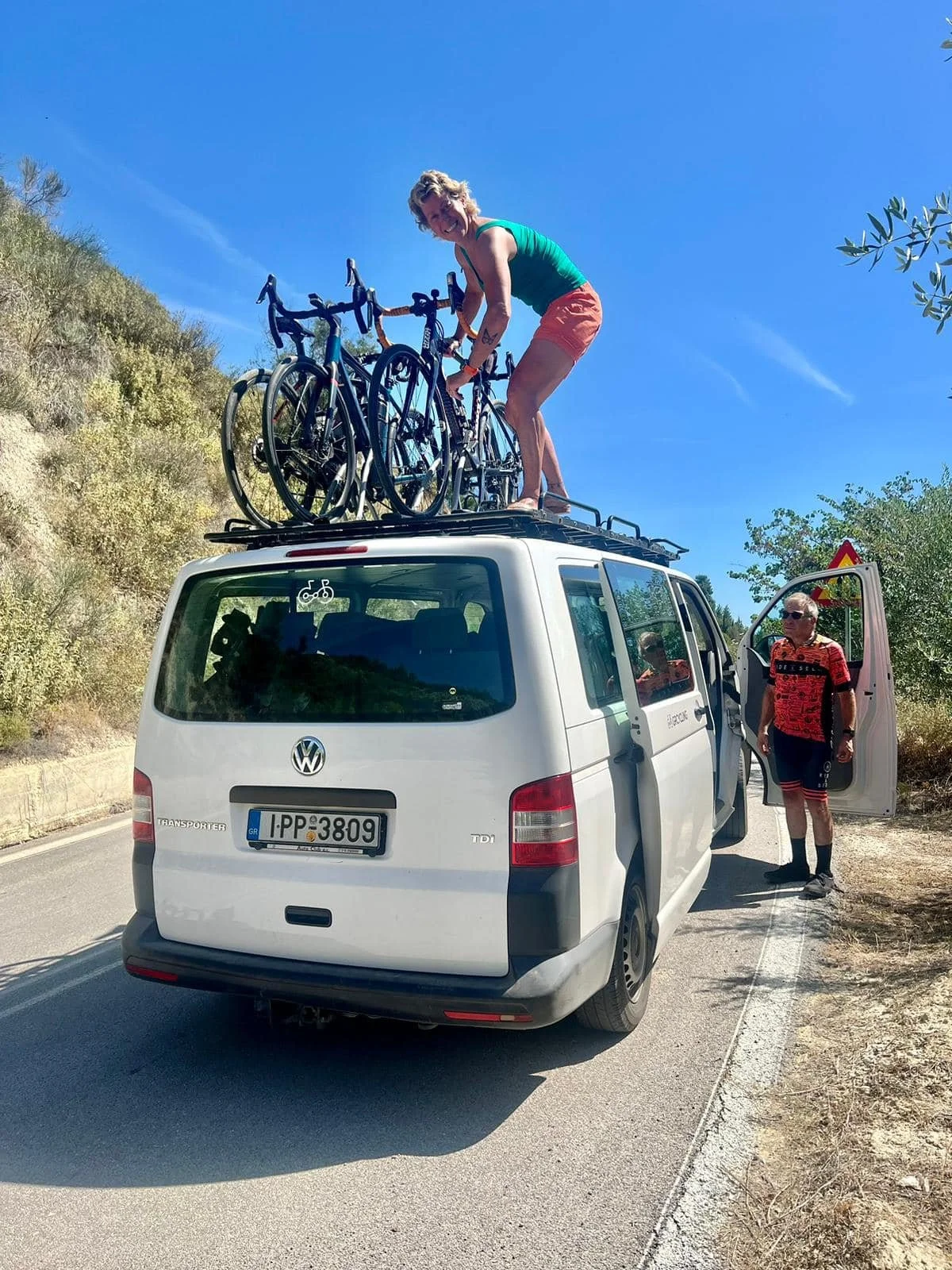
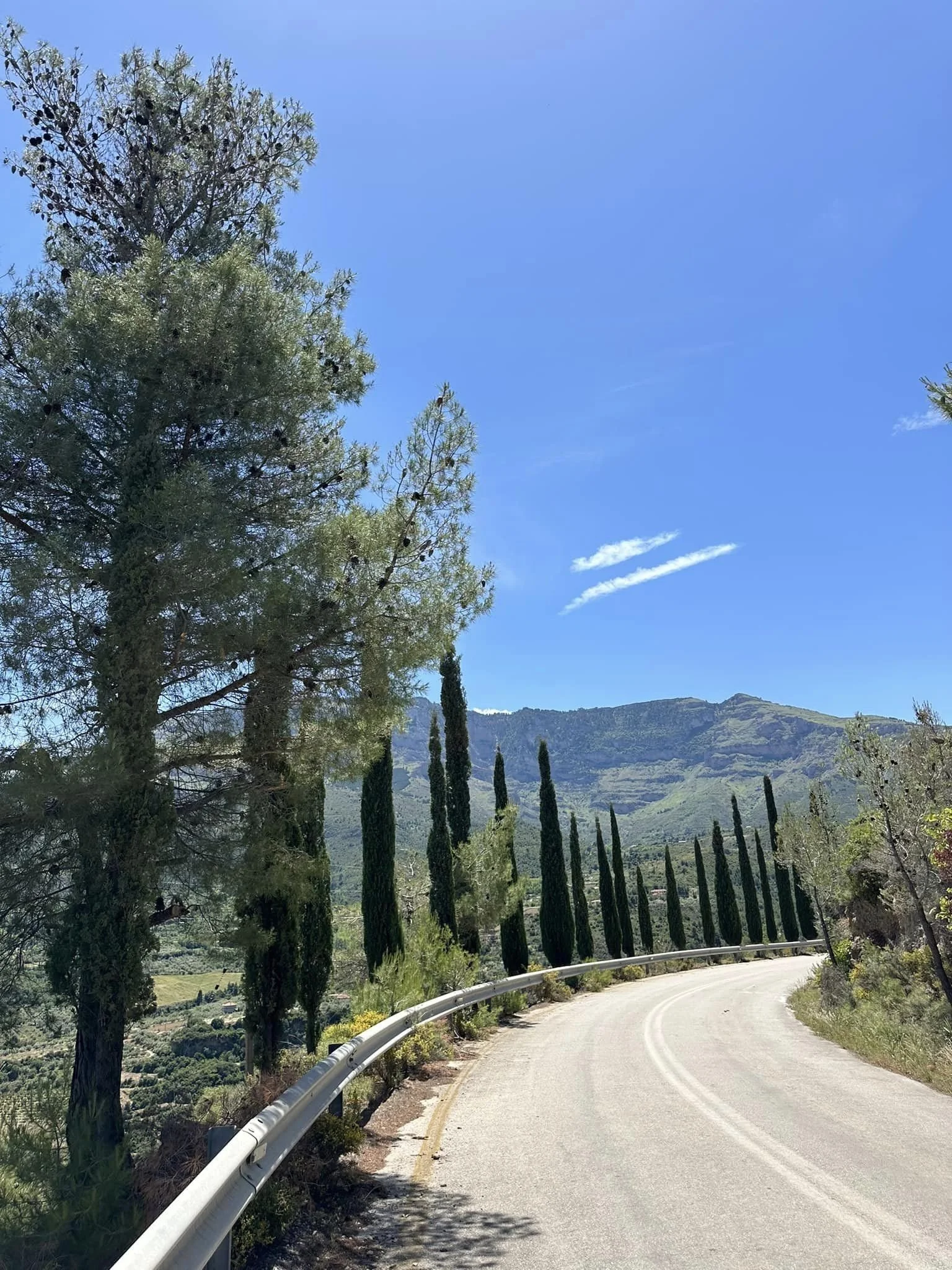
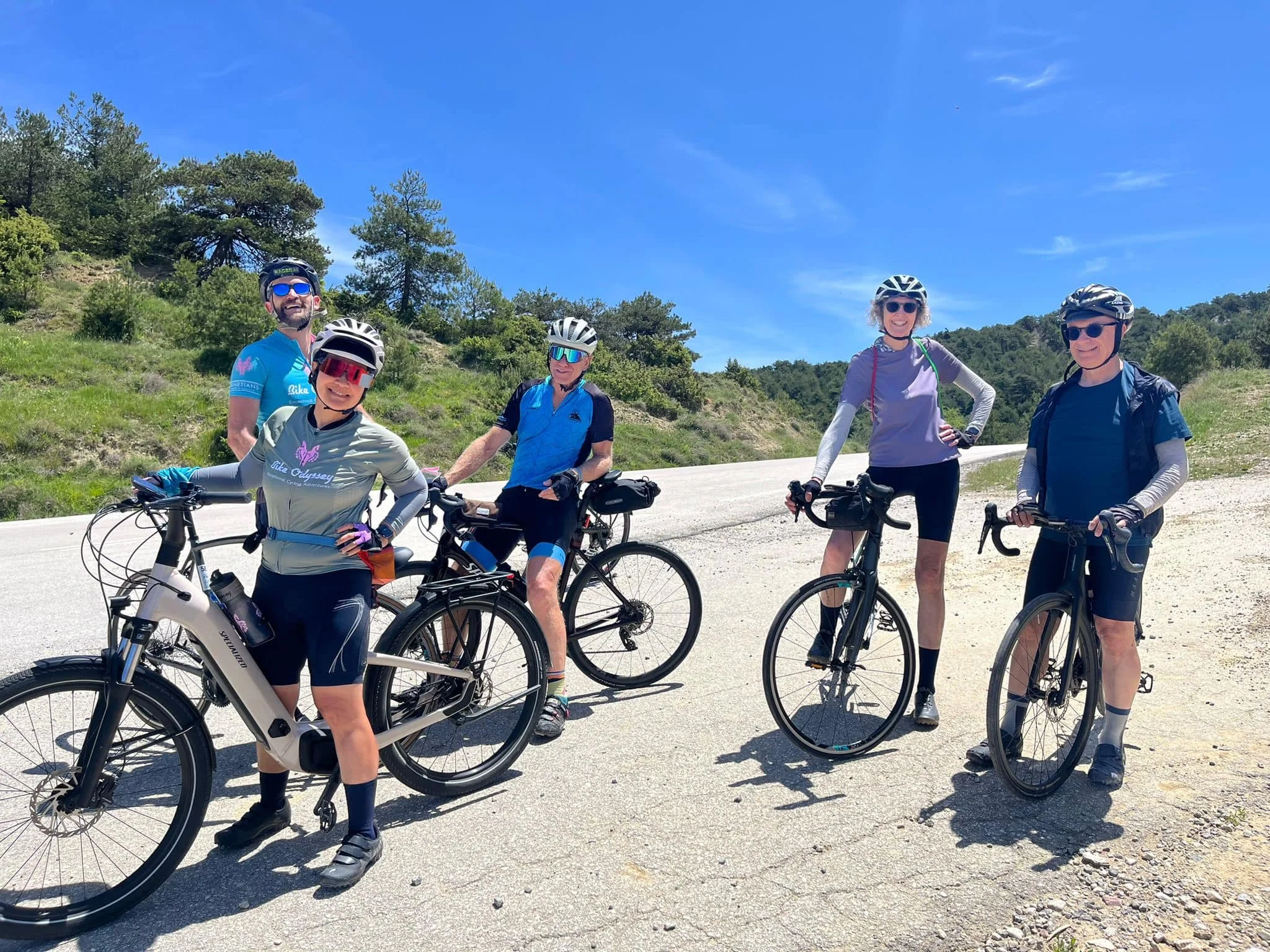
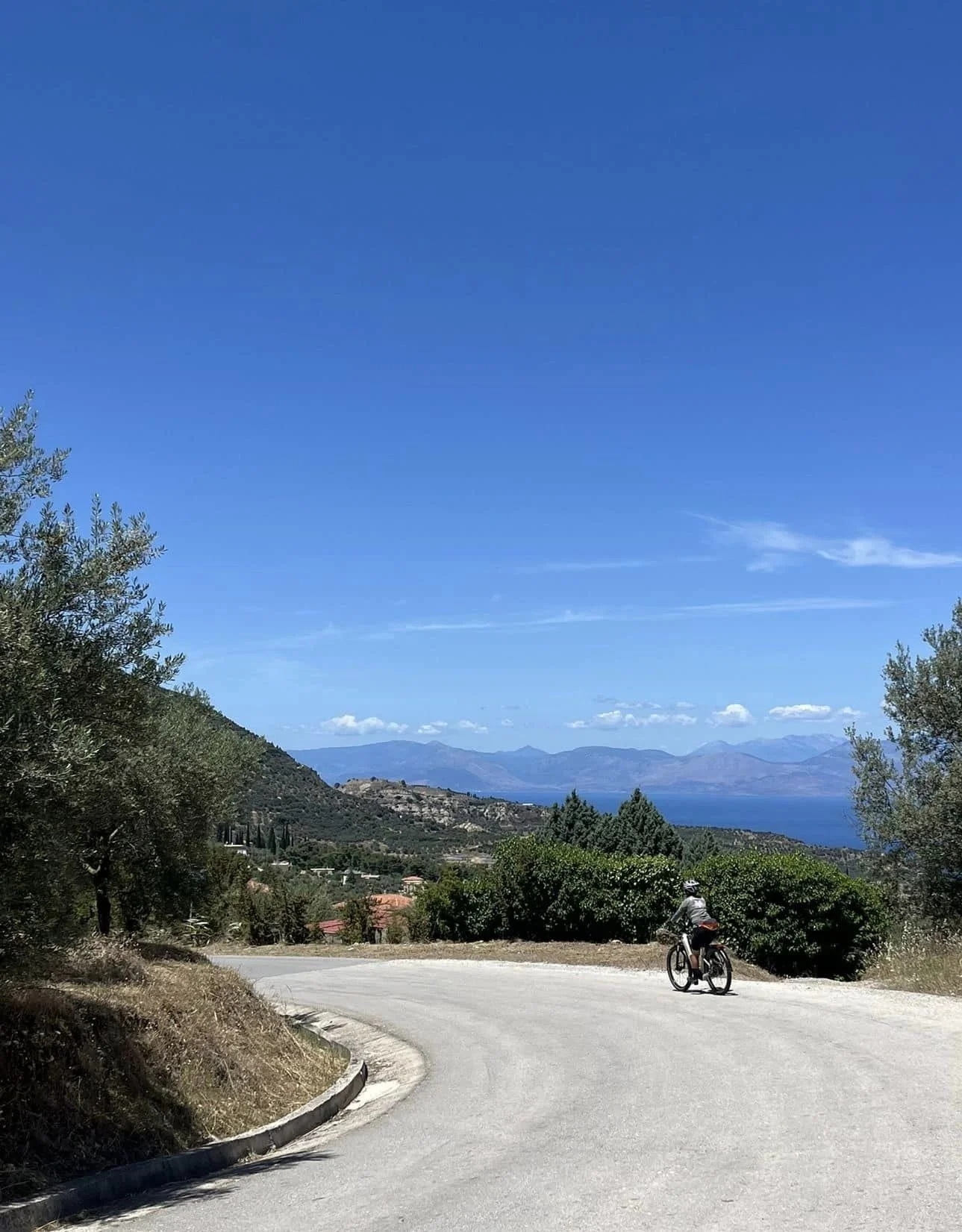
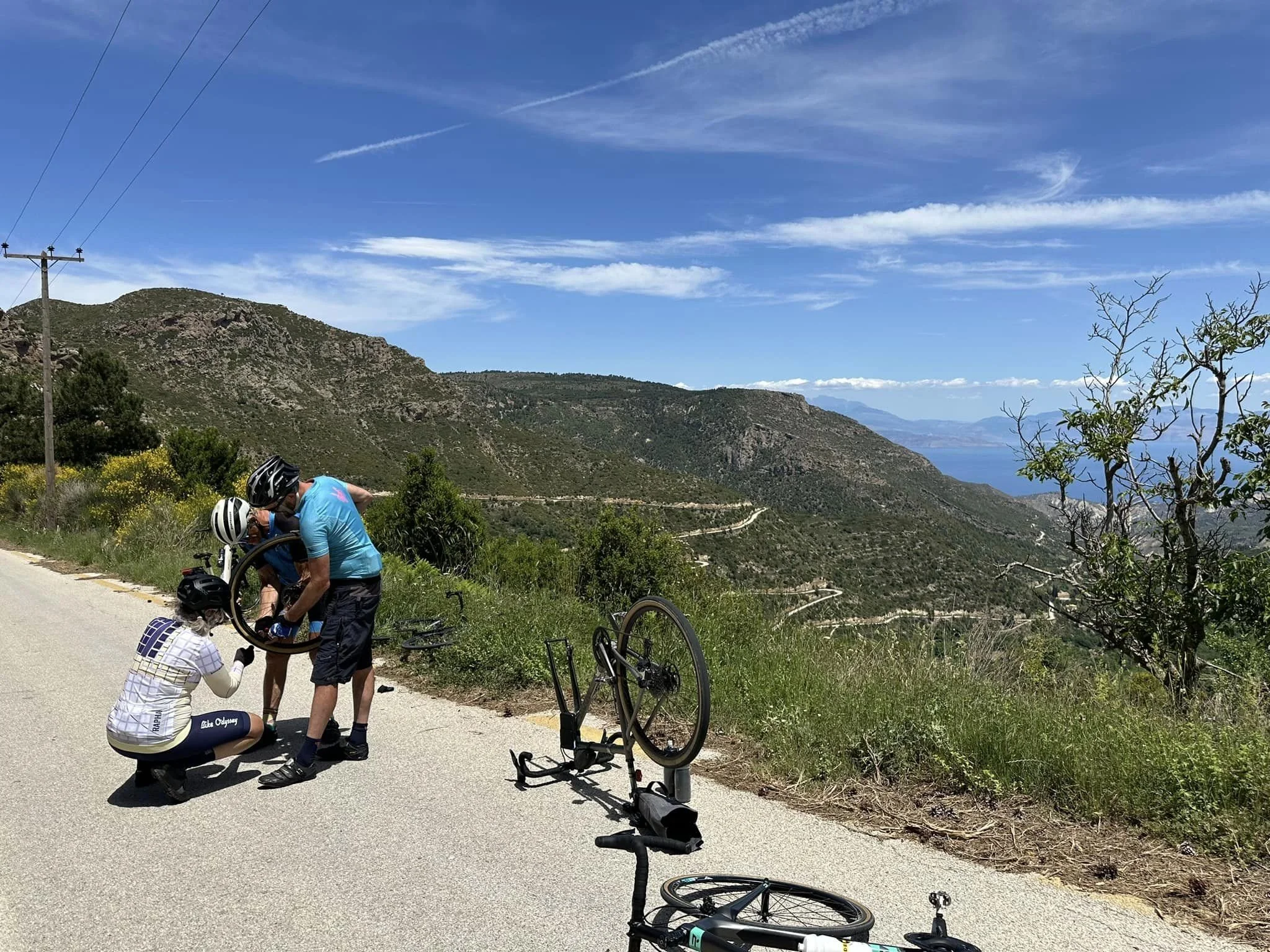
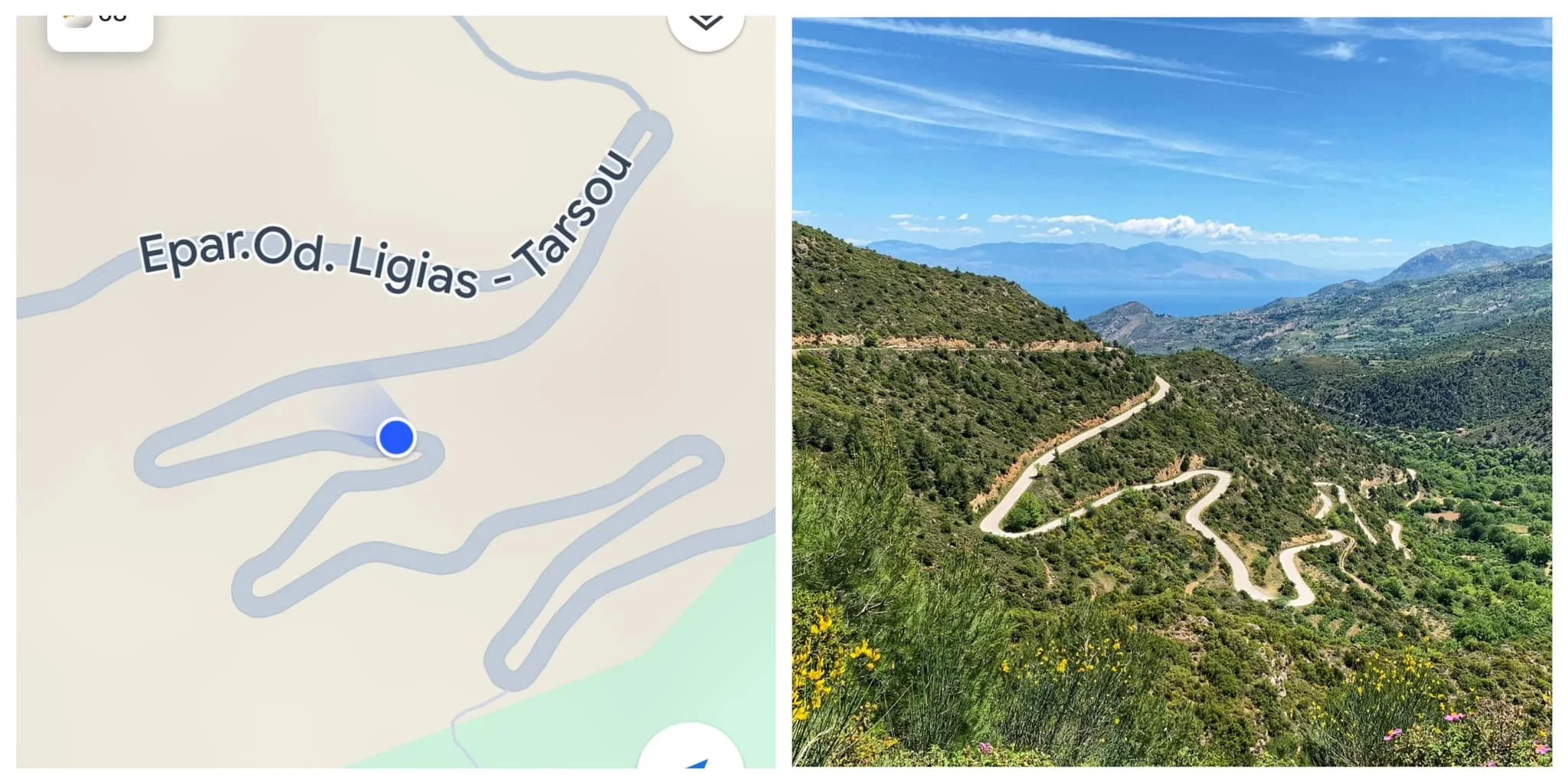
Epic day riding through the mountains of the northern Peloponnese, via dizzying switchbacks, with long hard climbs rewarded by thrilling downhills, brakes screaming all the way. Then, a motorboat crossing of the Gulf of Corinth to central/mainland Greece. Our group includes riders of all abilities, using a mix of road and e-bikes. I’m awed and motivated by those whose legs alone power them up multiple kilometers of 10 percent inclines.
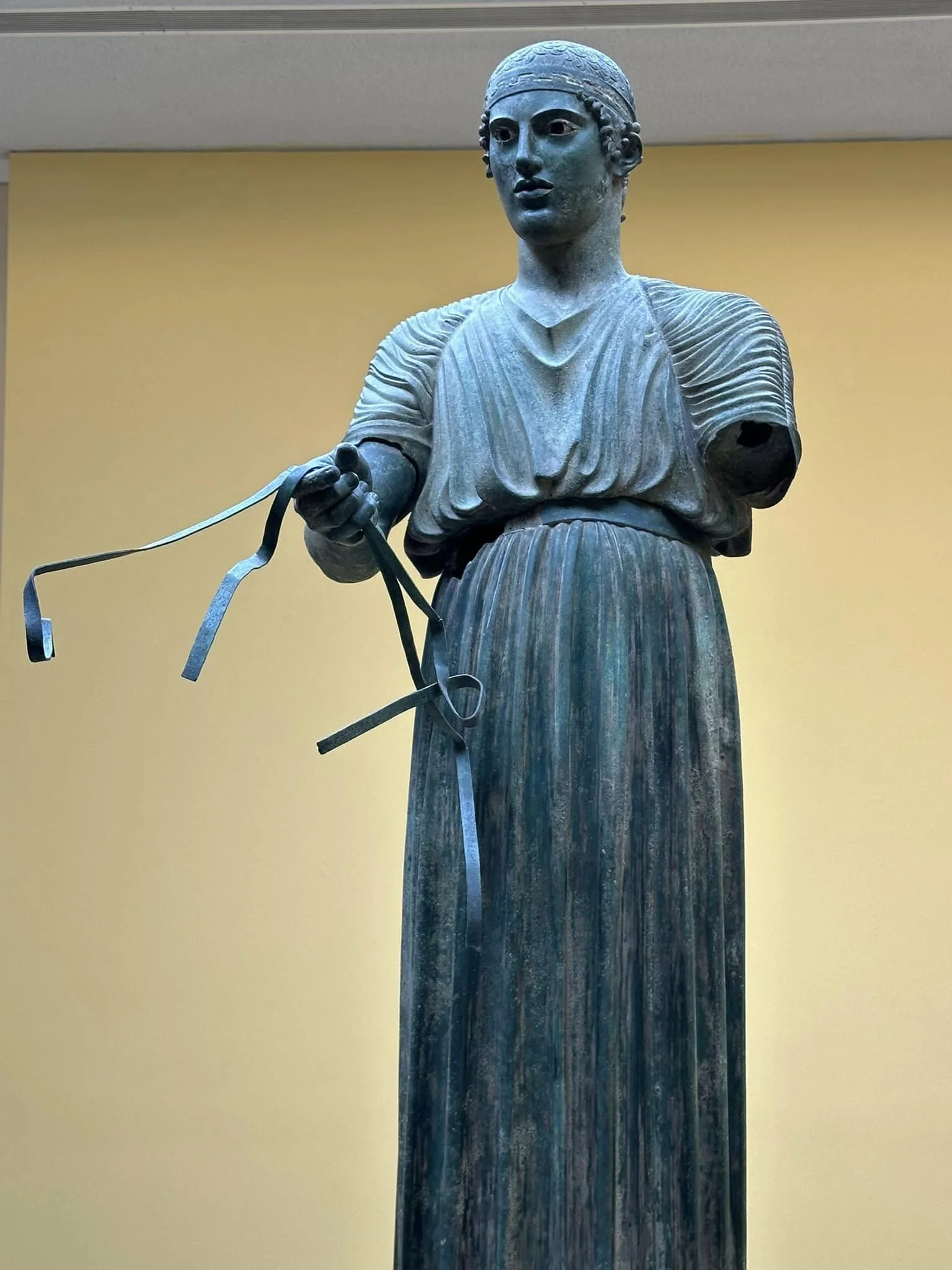
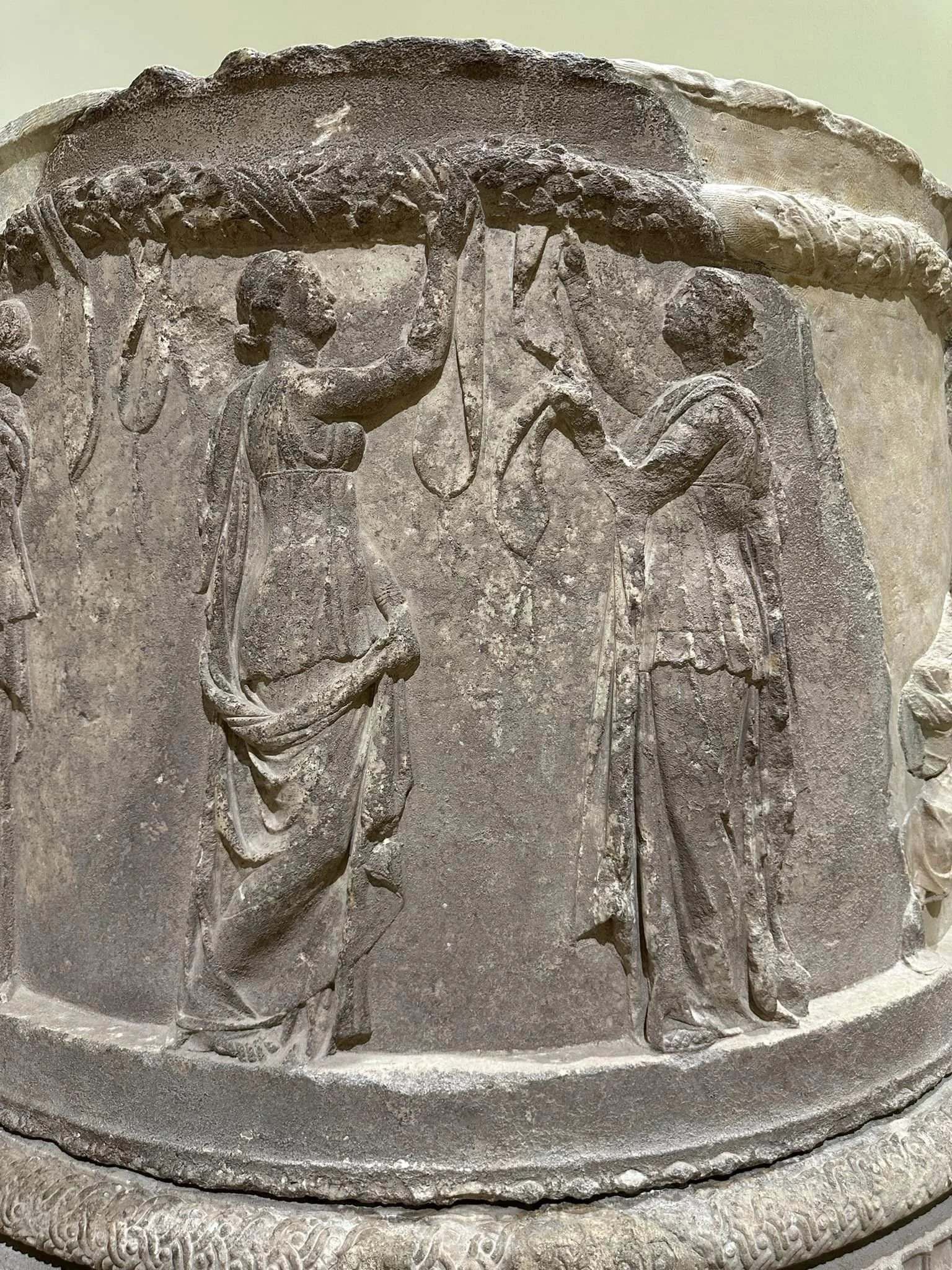
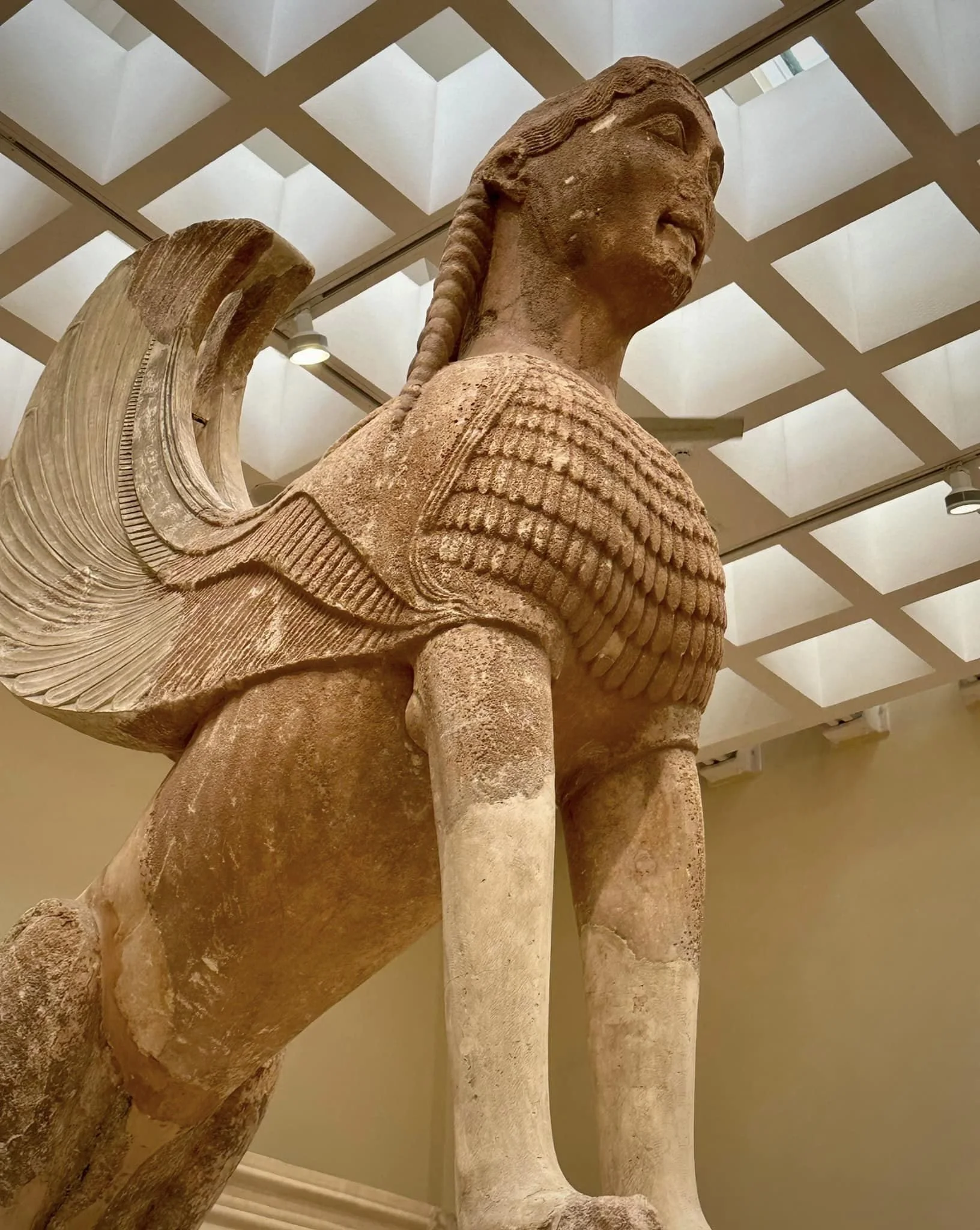
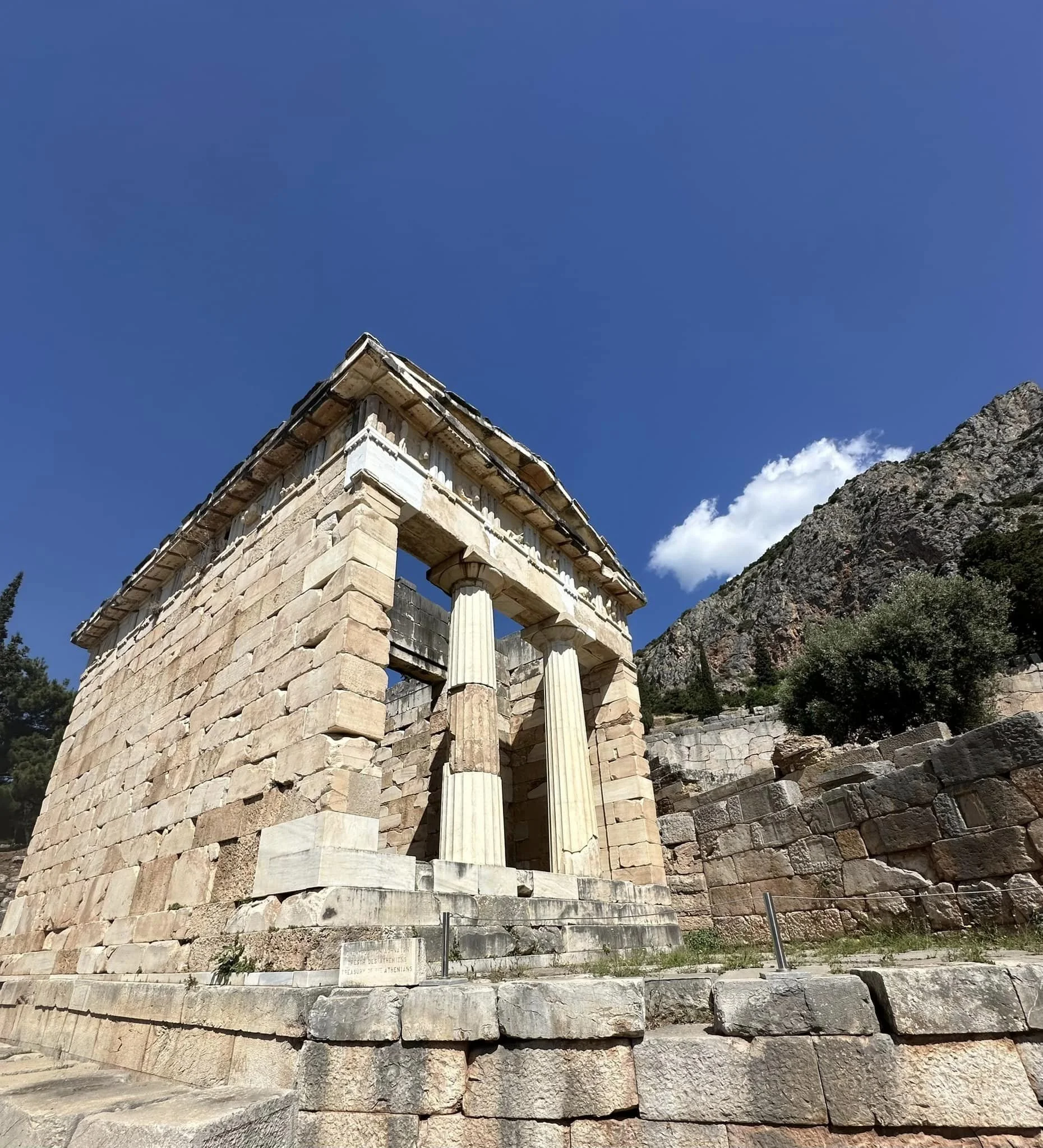
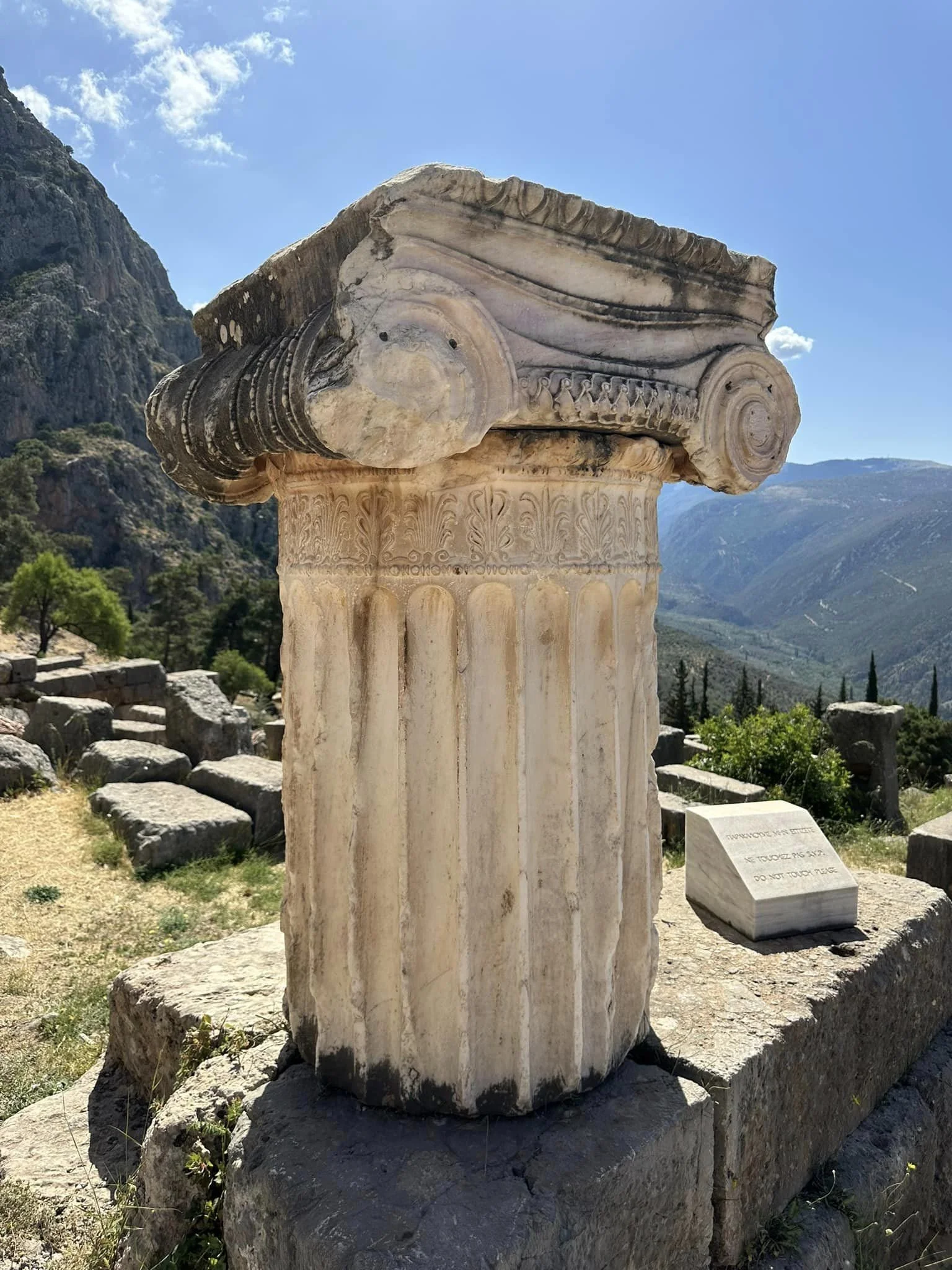
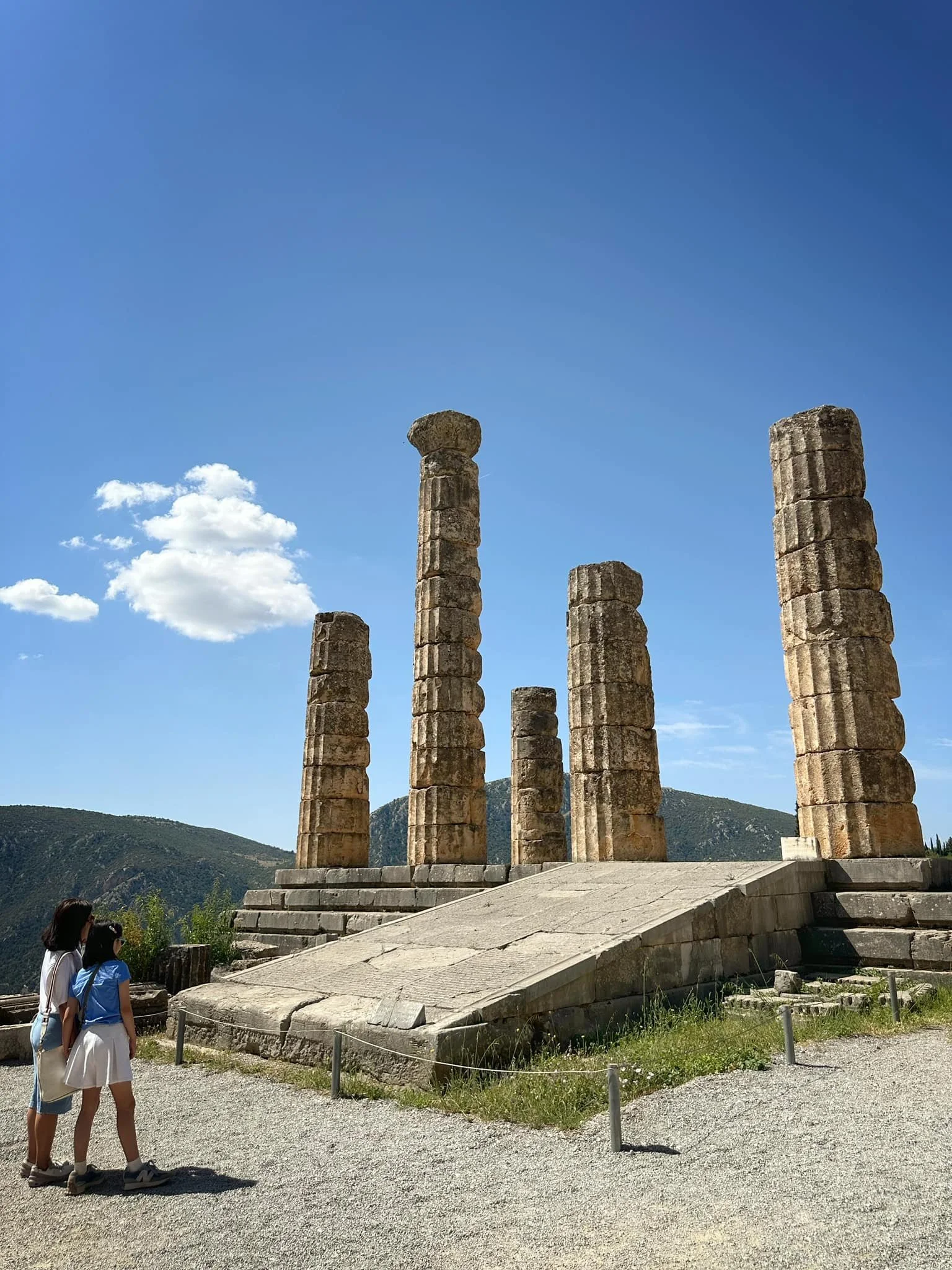
Two thousand five hundred years ago, a post-menopausal woman high on hallucinogenic vapors rising from geologic vents at the foot of Mount Parnassus influenced the geopolitical decisions of the known world. She was the oracle of Delphi, and kings and generals of the day would journey to this pan-Hellenic sanctuary annointed by the god Zeus himself as the “navel of the world.” They came bearing glittering gifts to the god Apollo and to hear what the oracle could tell them about the future.
Her prophesies ranged from wars to planting schedules. When Croesus, the king of Lydia, asked the oracle about a possible war with Persia, she prophesied the fall of a great empire. He initiated a confrontation with the Persians, but it was the Lydian empire that was defeated. Like that of today’s fortune tellers, the Delphic oracle’s predictions were often abstruse or ambiguous.
Because it was independent of the other Greek city states, Delphi served as a neutral info hub where people came to get the news of the day and to marvel at the sponsor statues and treasuries full of riches donated in hopes Apollo and the gods would favor their causes.
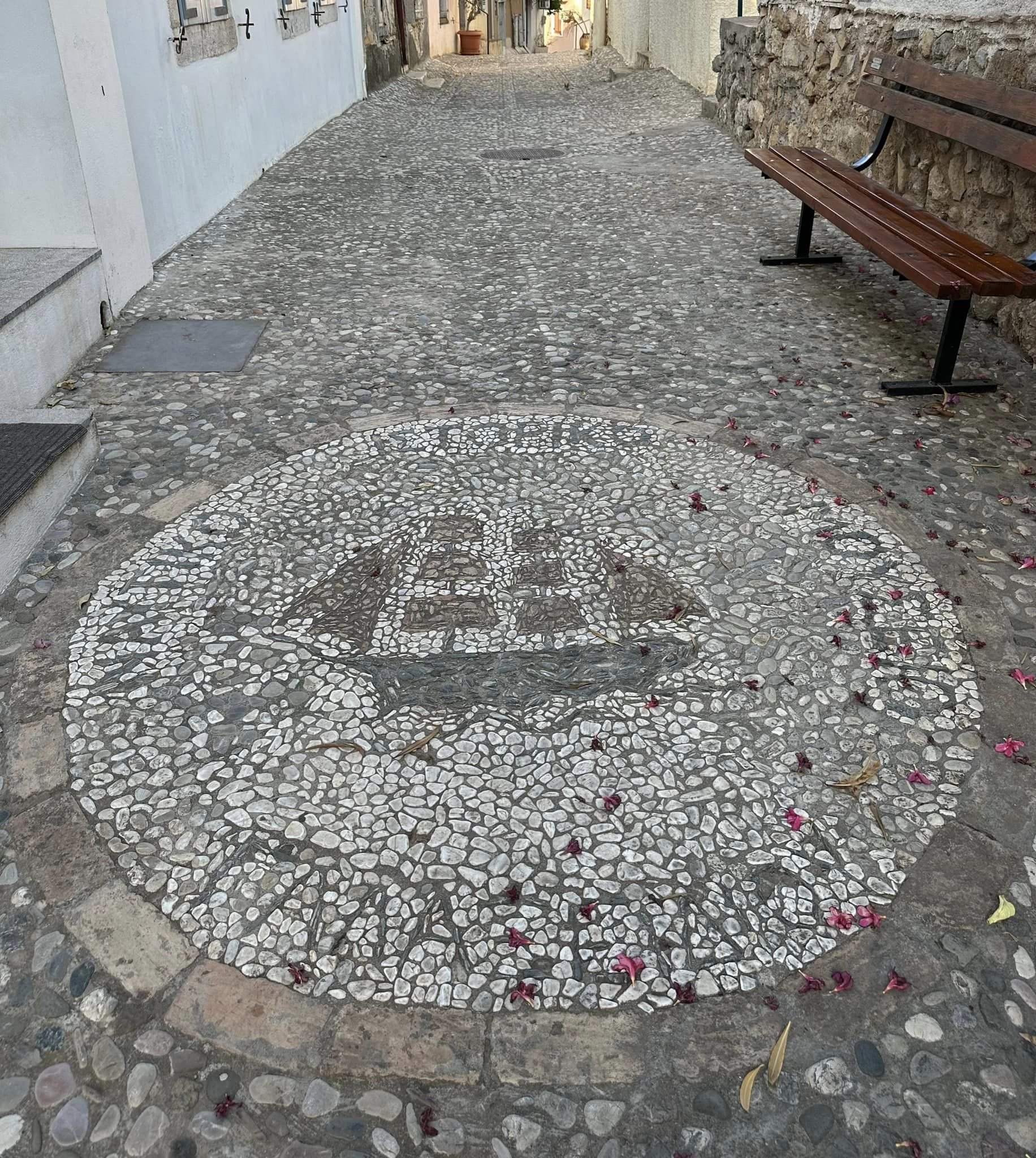
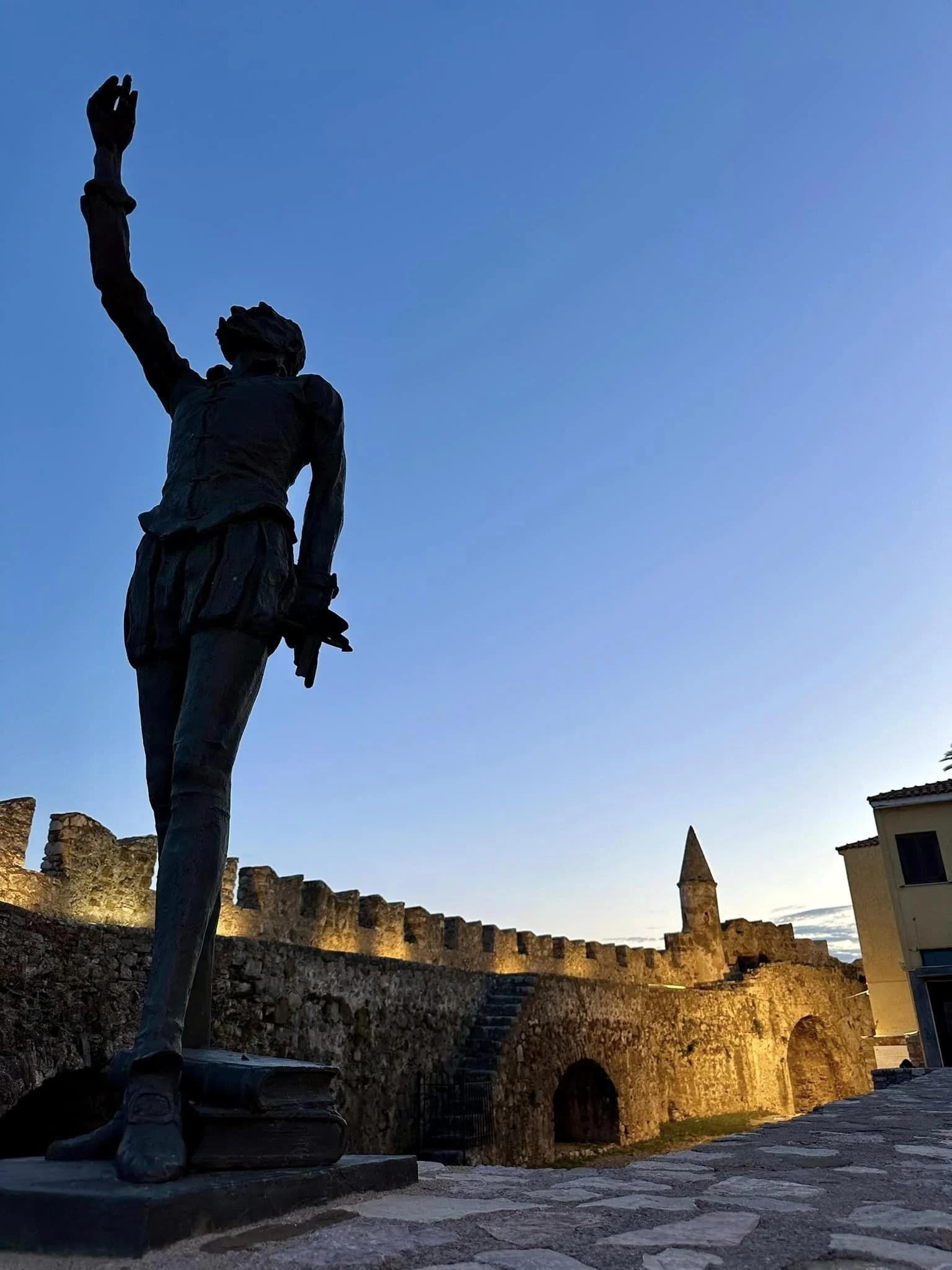
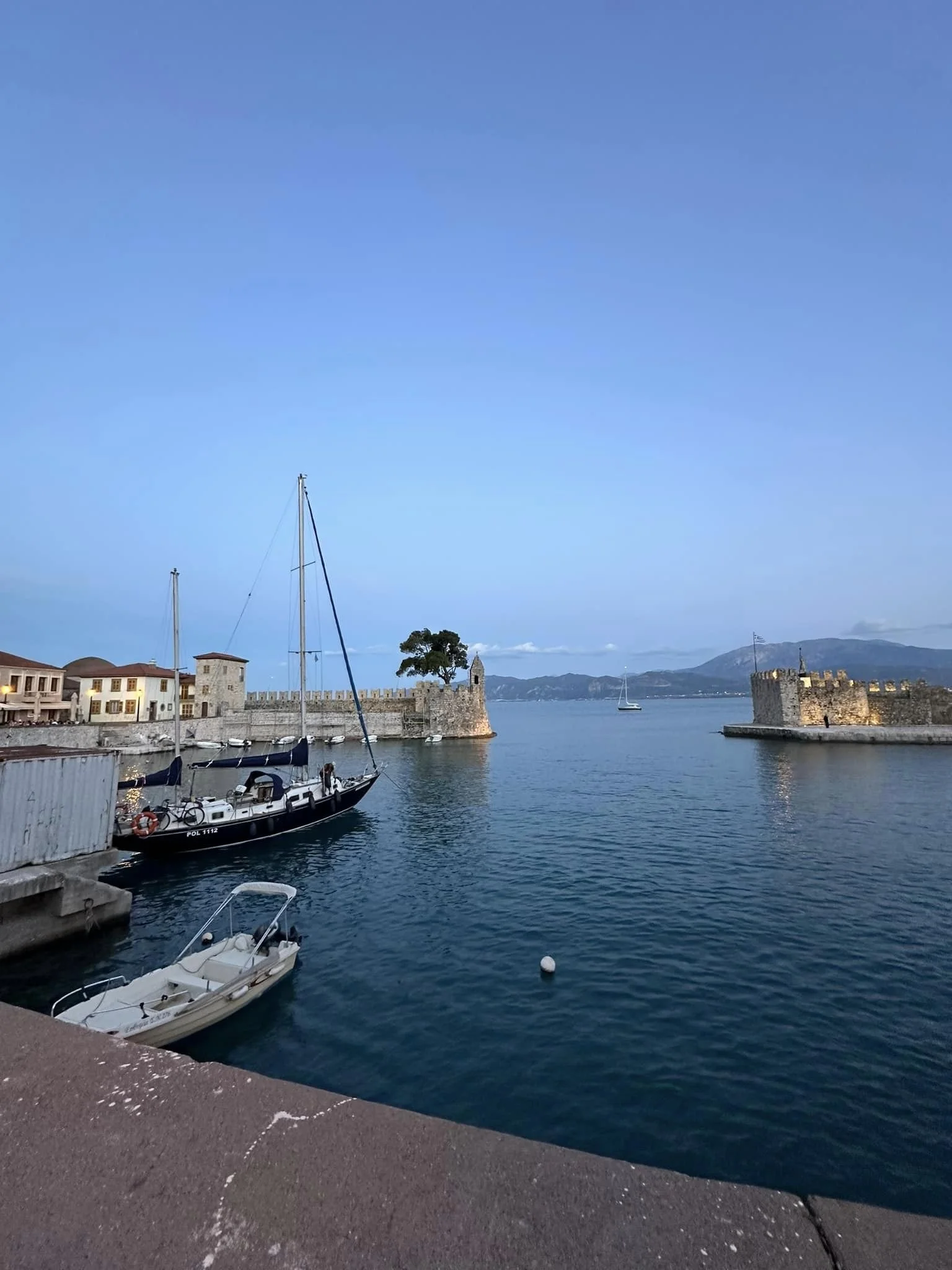
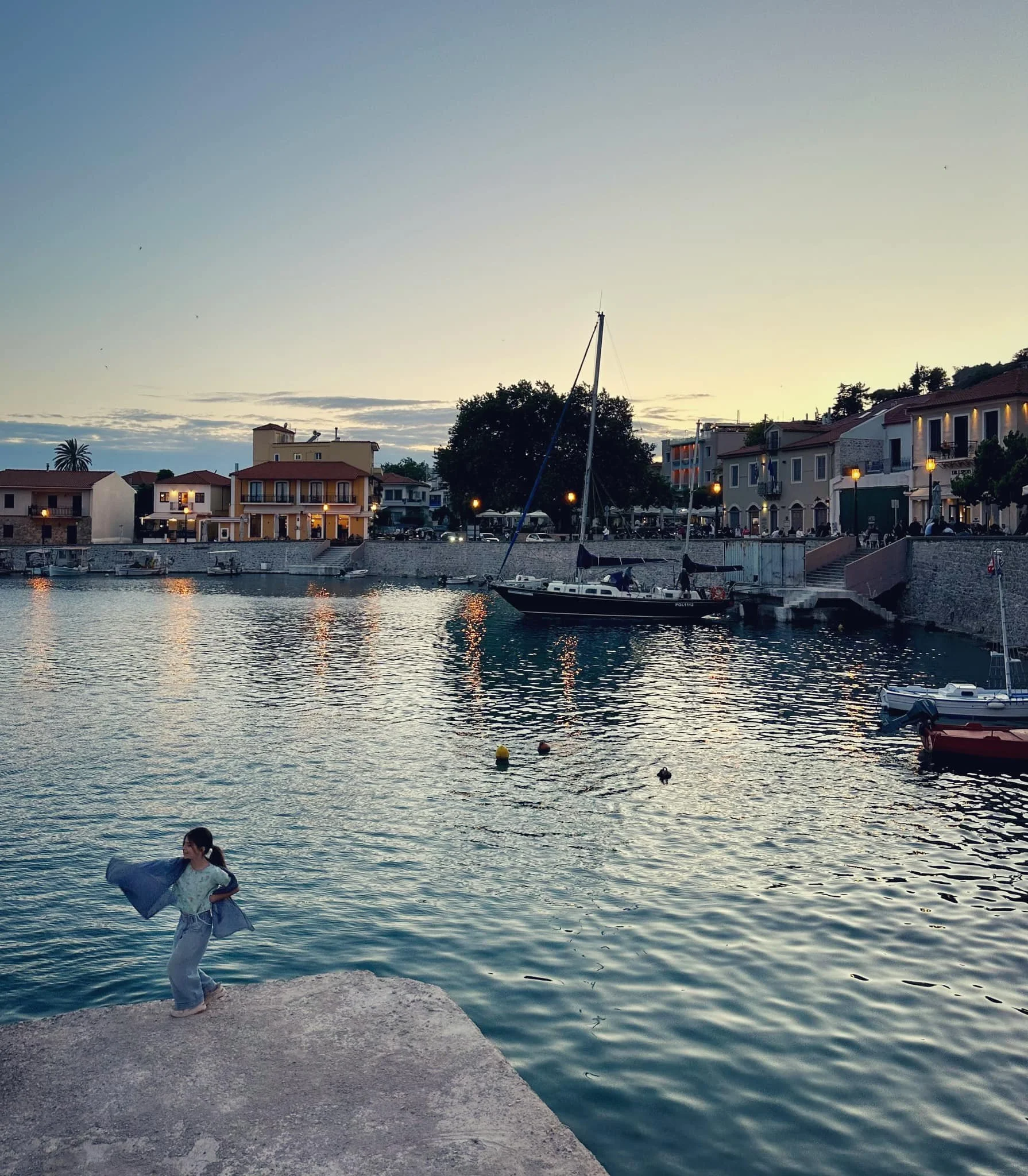
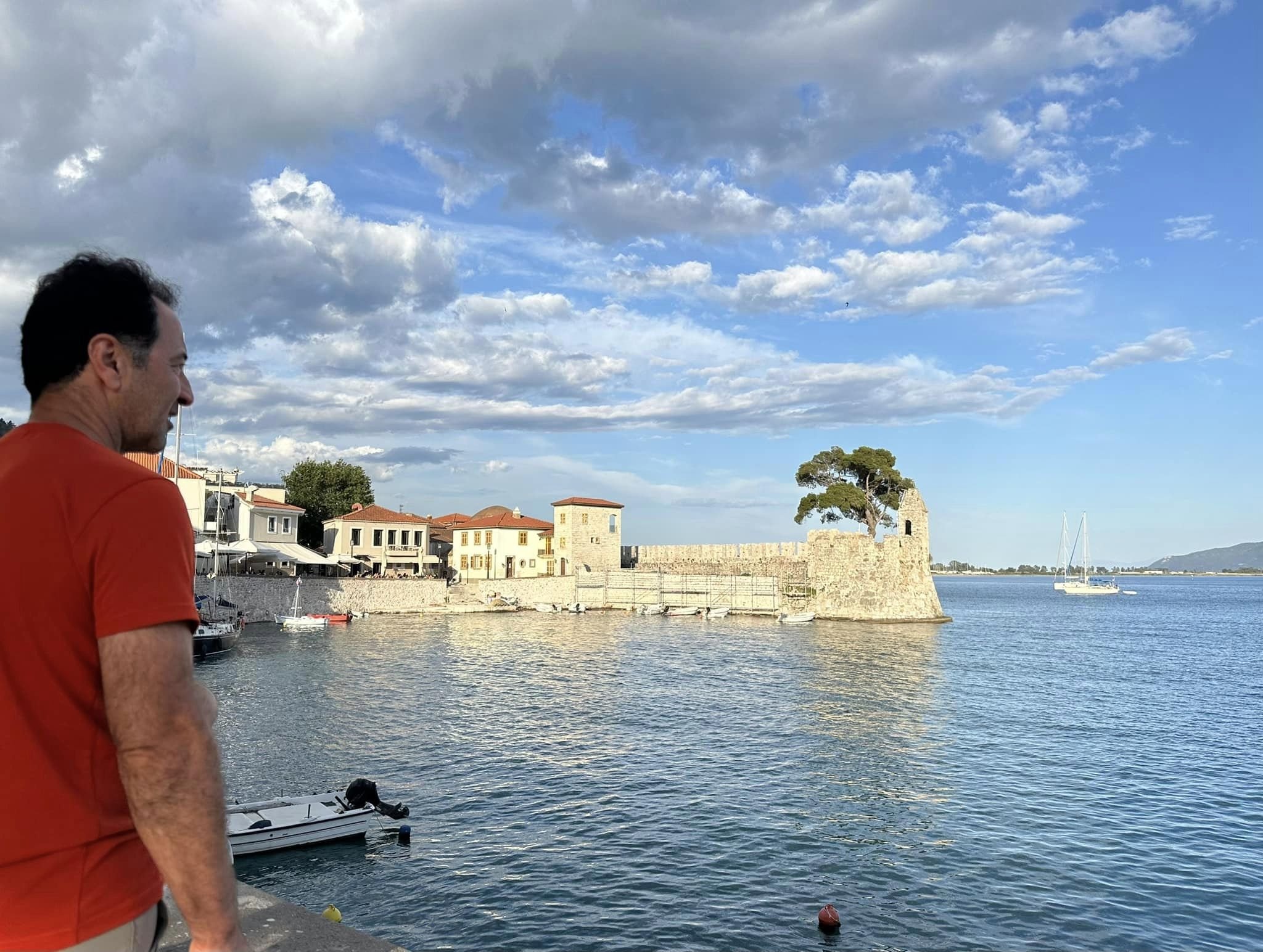
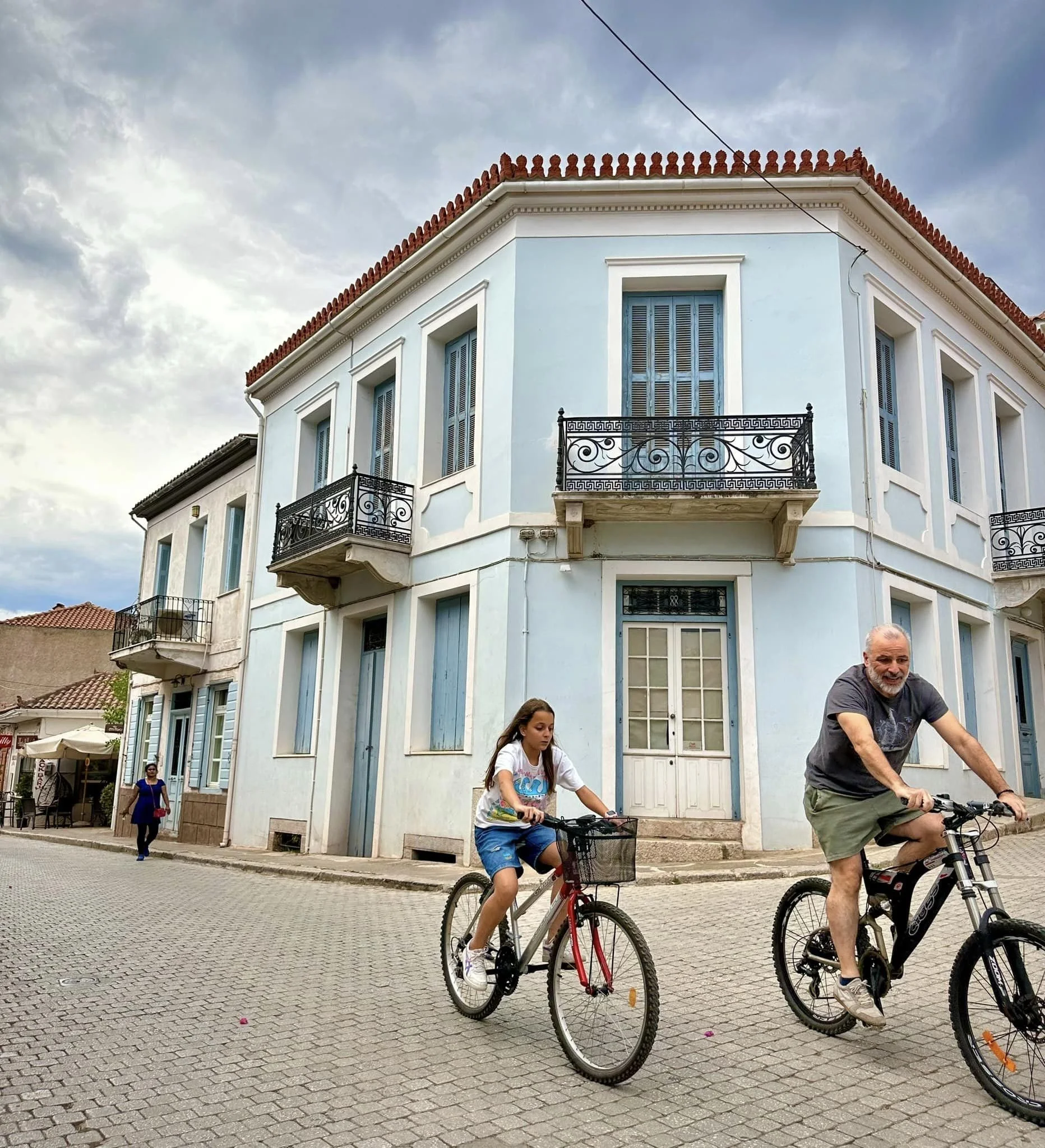
The placid waterways along which we are cycling (Greece has the longest coastline of the Mediterranean basin) and its strategically located port towns have been contested throughout history. Off Nafpaktos was fought one of the largest naval battles in history, involving more than 450 warships. In 1571, a fleet Venetian and other Catholic states defeated the fleet of the Ottoman Empire in the famous Battle of Lepanto, halting Ottoman expansion in the Mediterranean.
Sixteen hundred years earlier, just up the coast, Marc Antony and Cleopatra’s forces lost to the future Augustus Caesar’s in the Battle of Actium (31 BC), leading to the end of the Roman Republic and the beginning of the Roman Empire and Roman dominion over the Mediterranean (Mare Nostrum).
Yet another great thing about travel: It makes you curious to learn more about things you never cared about before.
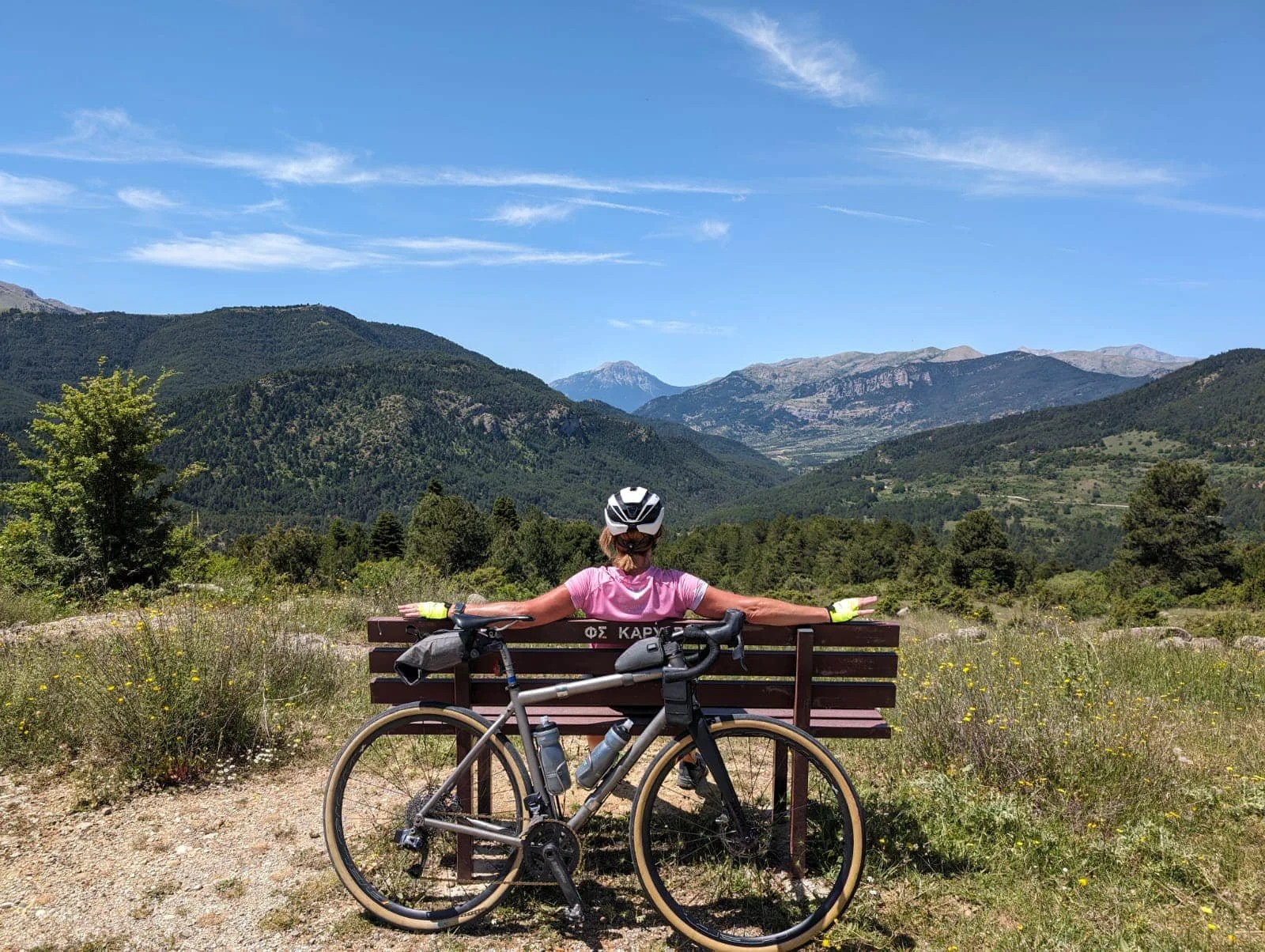
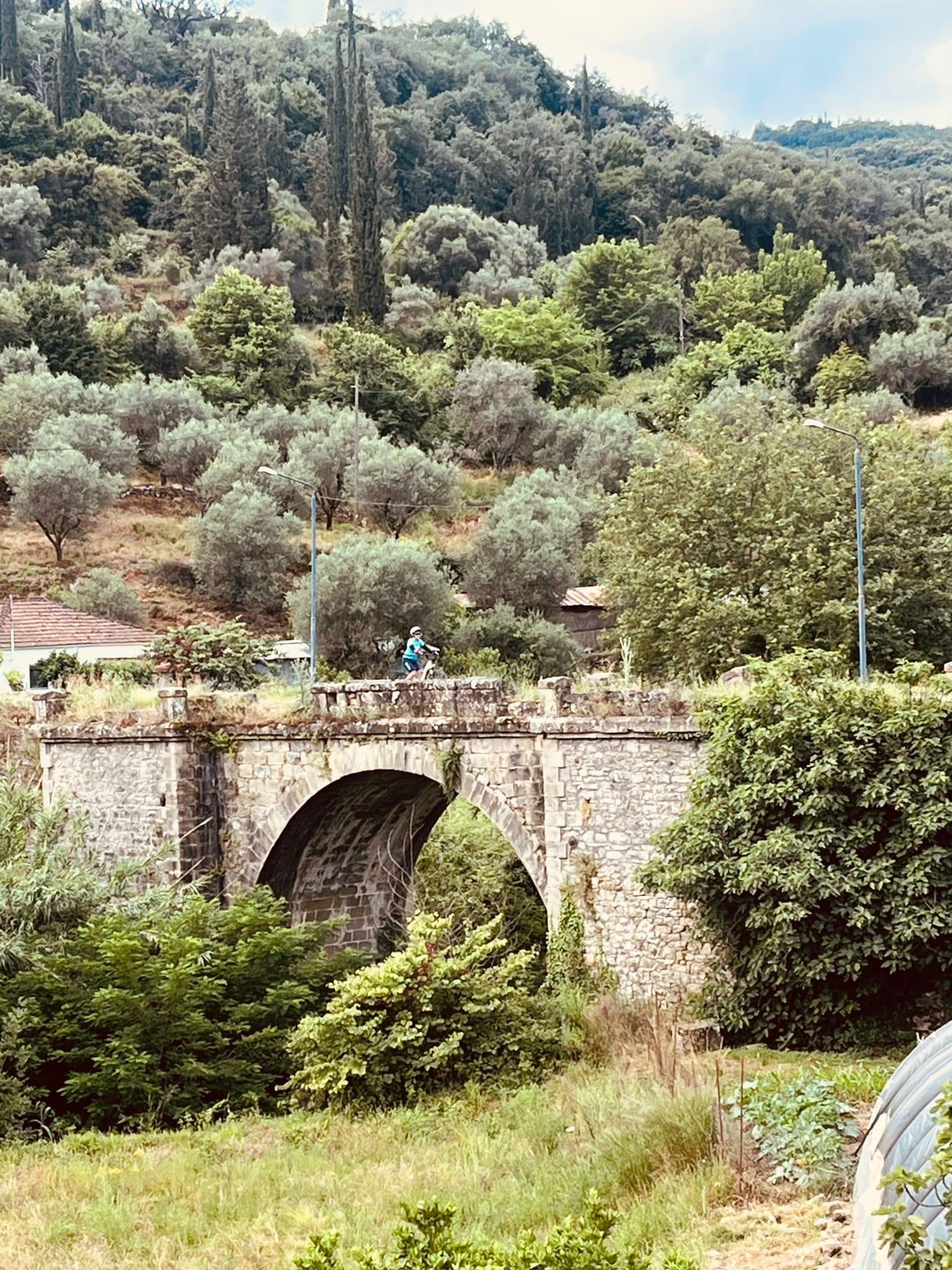
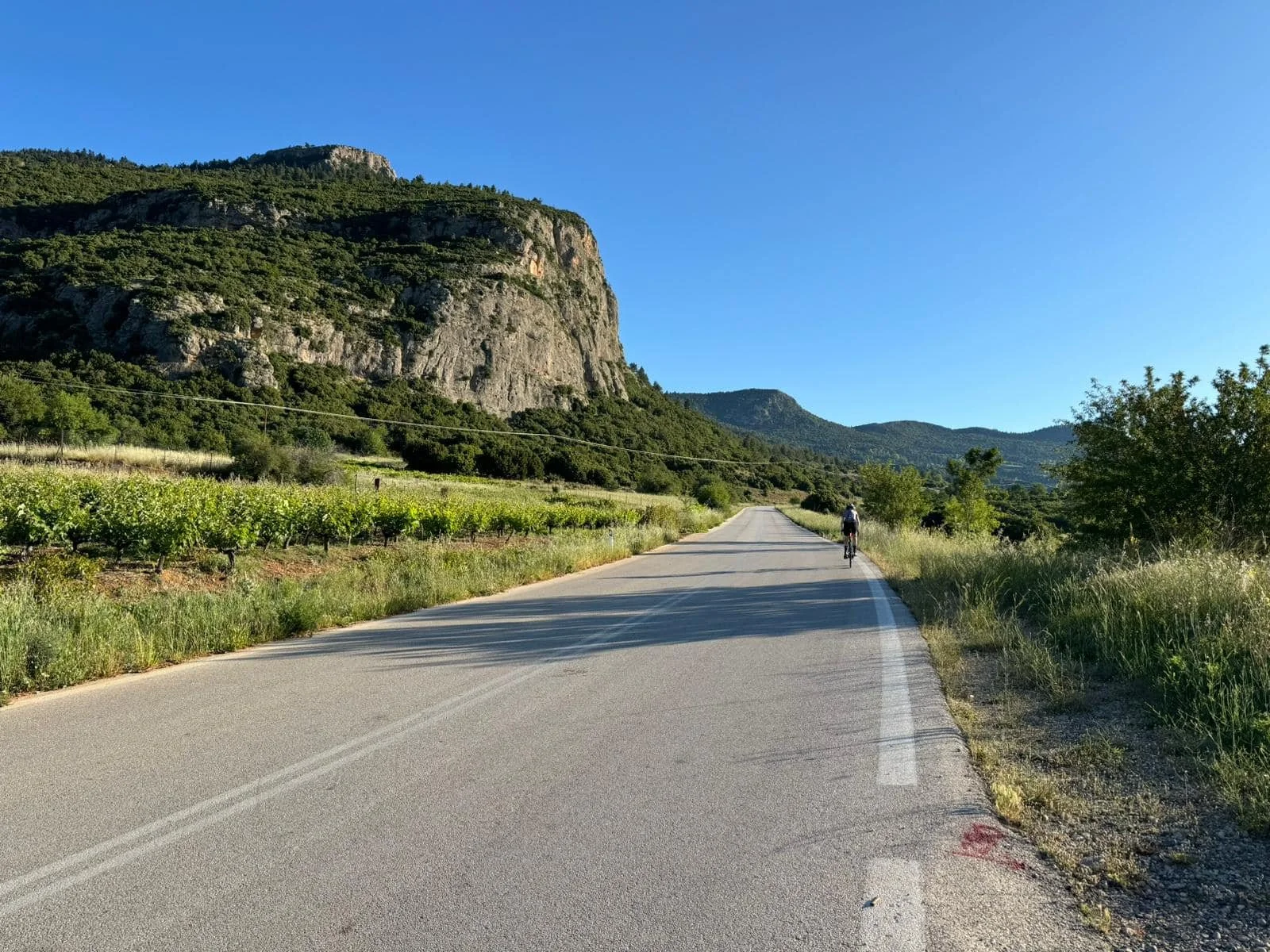
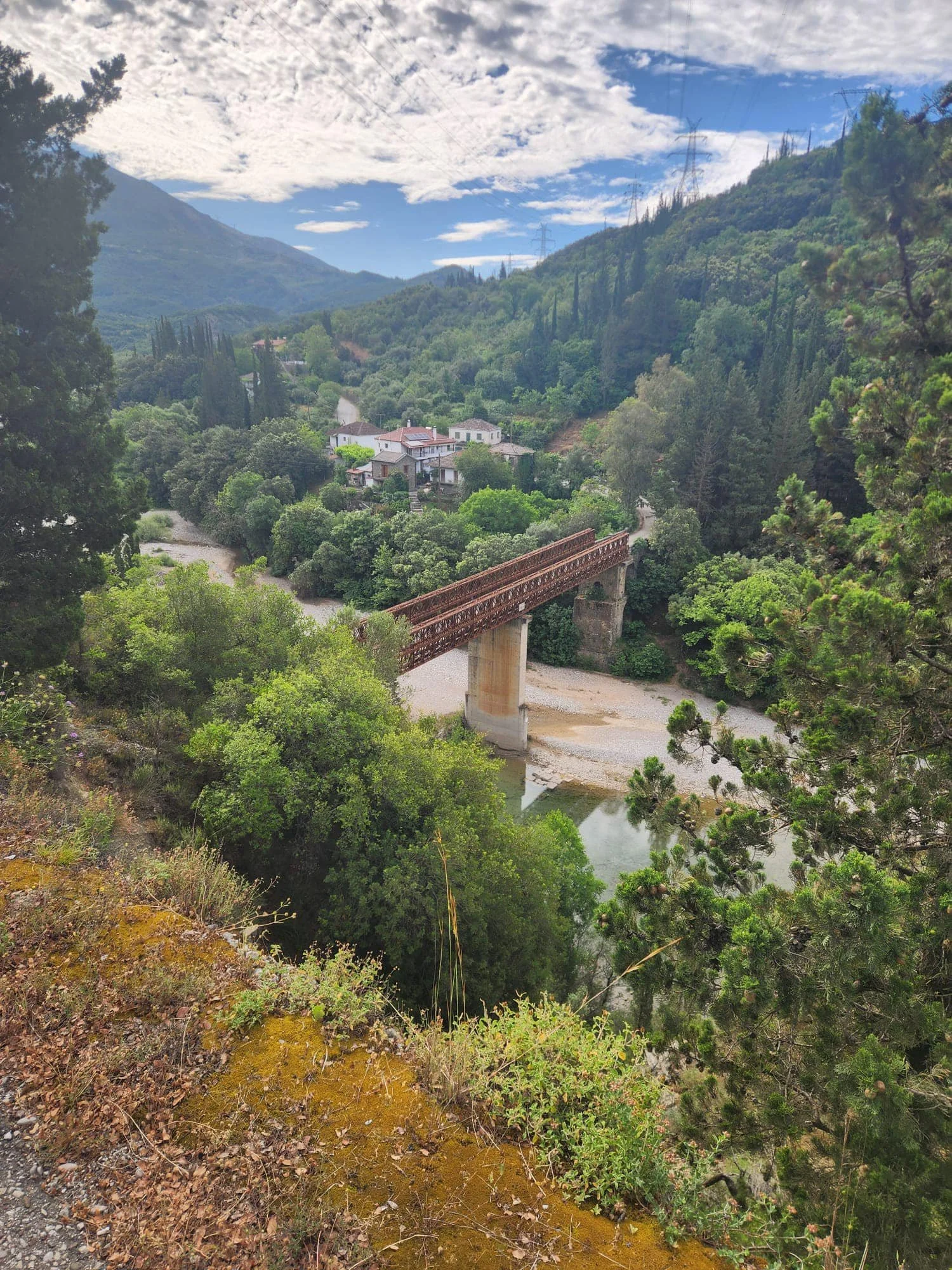
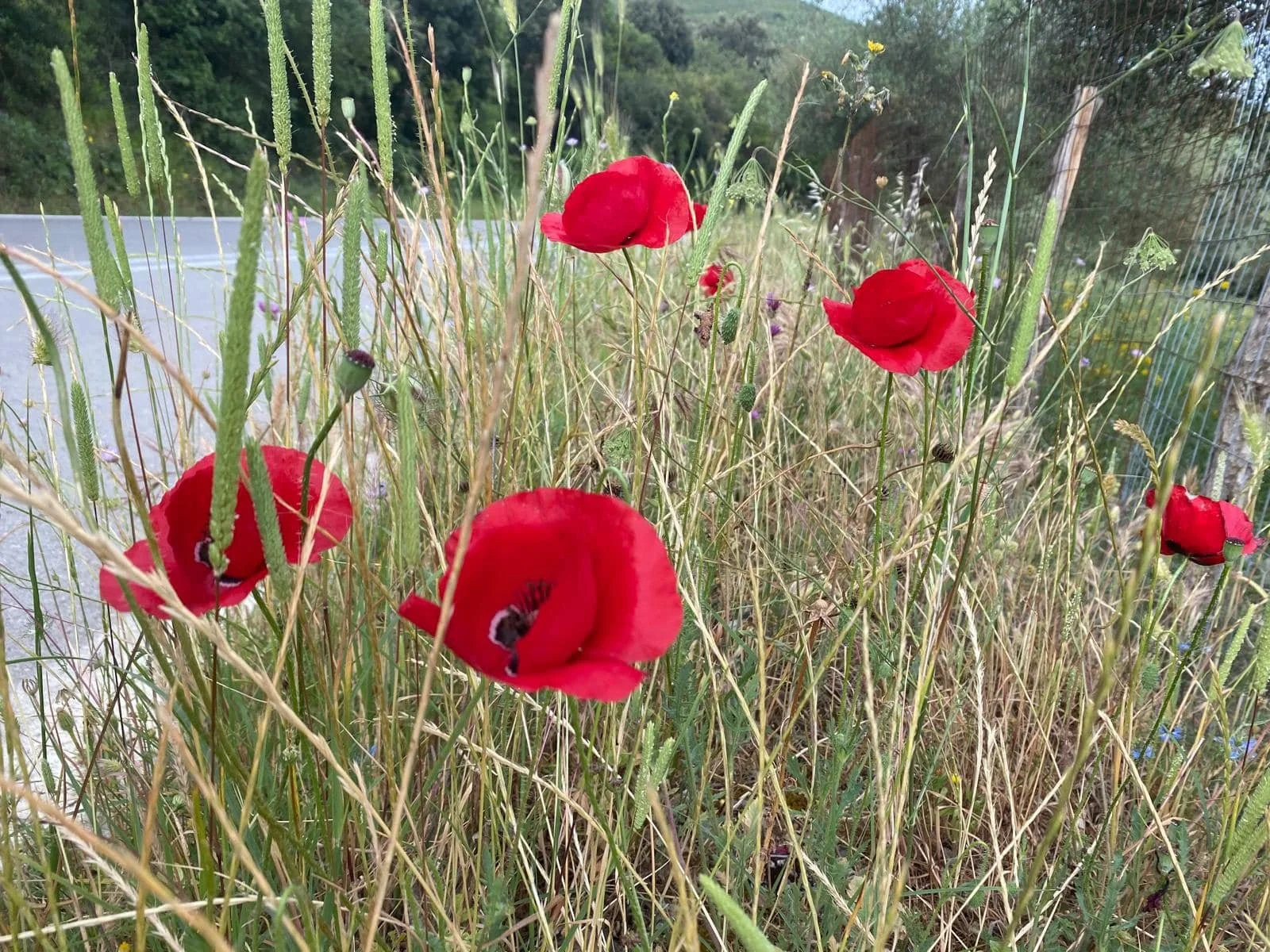
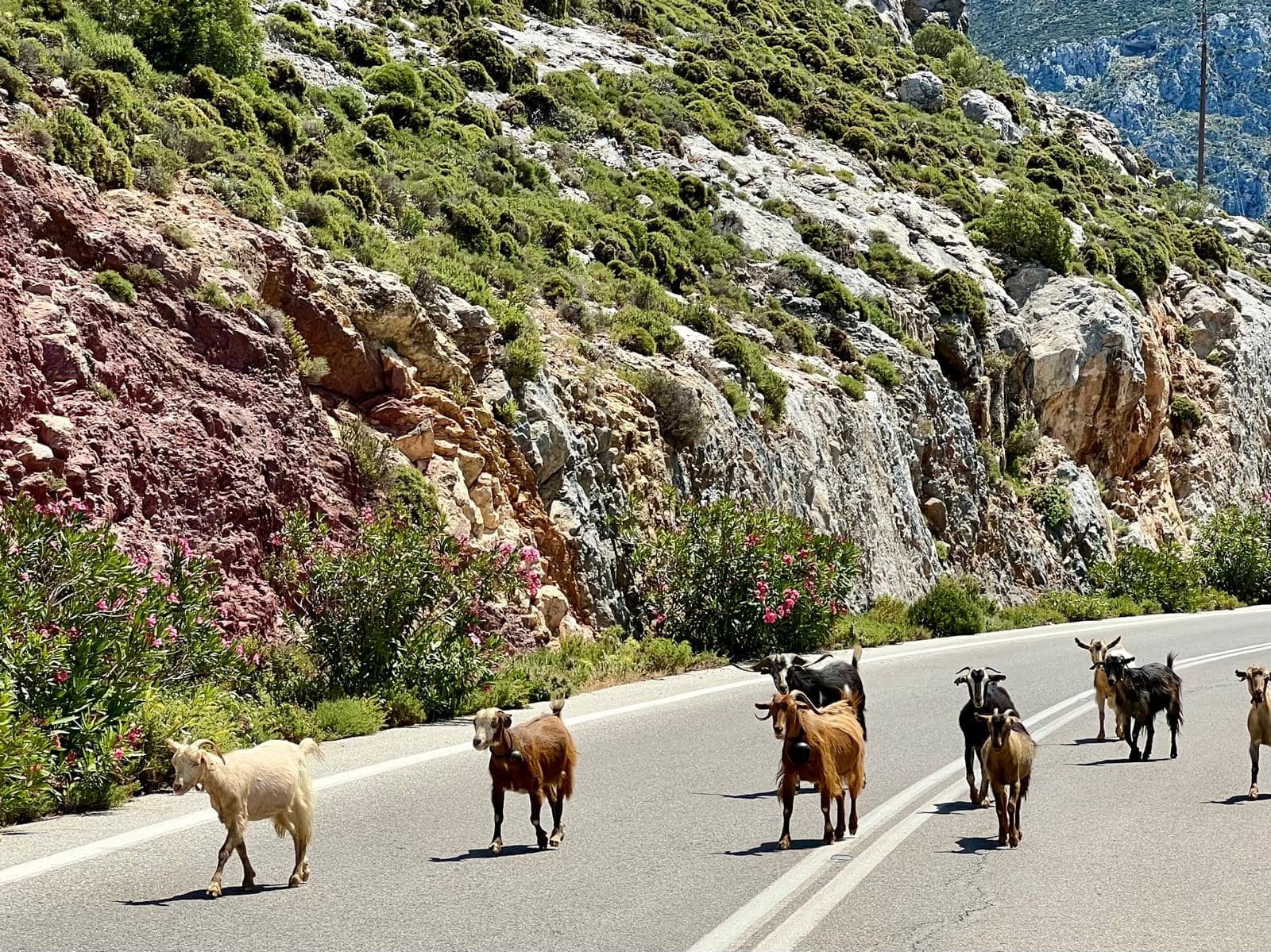
To travel by bike is to meet the world without armor or artifice. Without a car’s protective bubble, cyclists immerse into their surrounds, perceiving the subtle change of temperature on entering a shaded hollow, the over-ripe fruit fallen from a lemon tree, the whiff of pink oleander spilling onto a country road, the bagatelle of bells accompanying a graze of goats, and the crash of a wayward bee onto one’s cheek while hurtling downhill. Western mainland Greece.
Looking to be more present? Ride a bike into the unknown.
(Some pics courtesy of my fellow riders.)
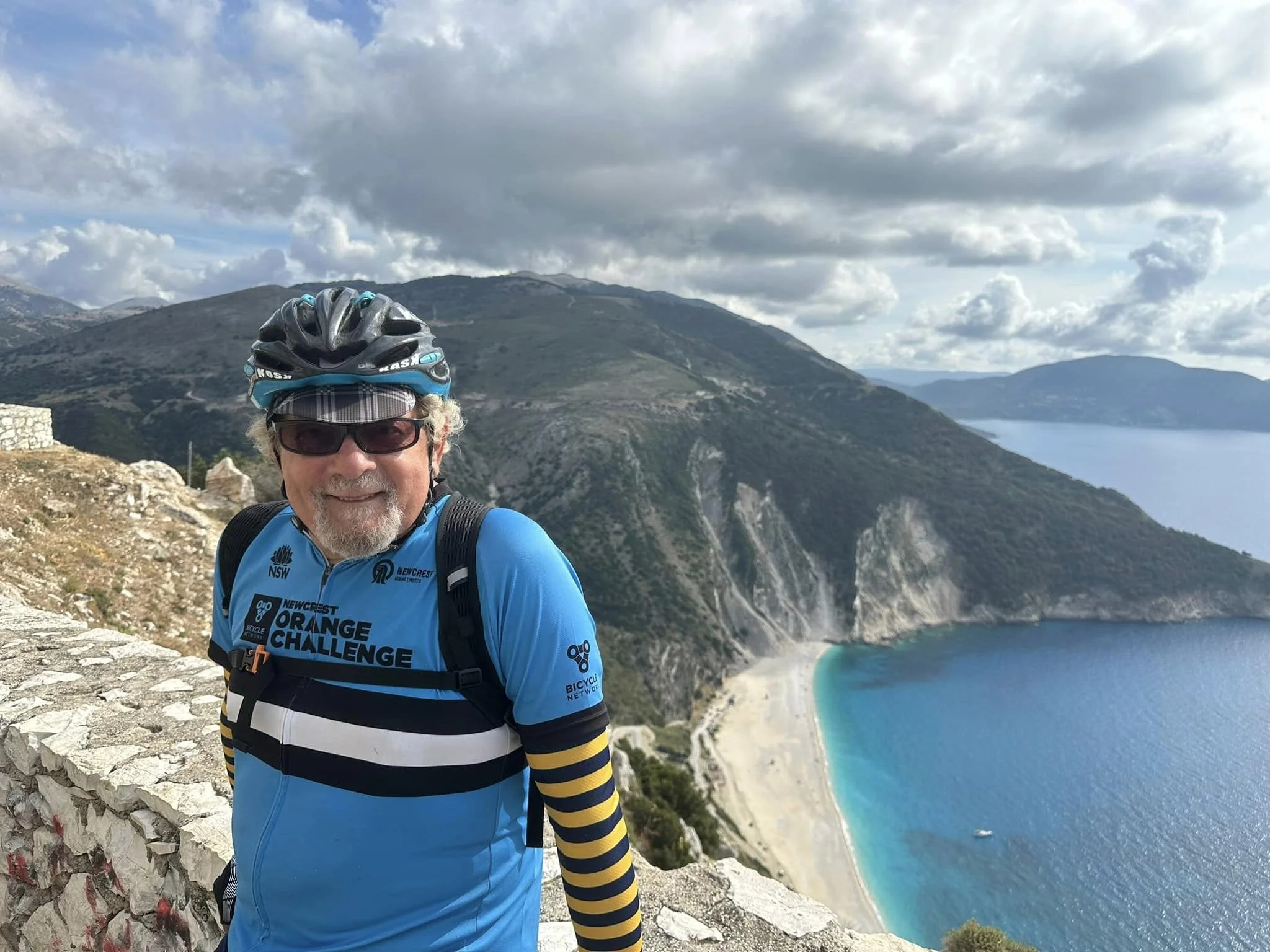
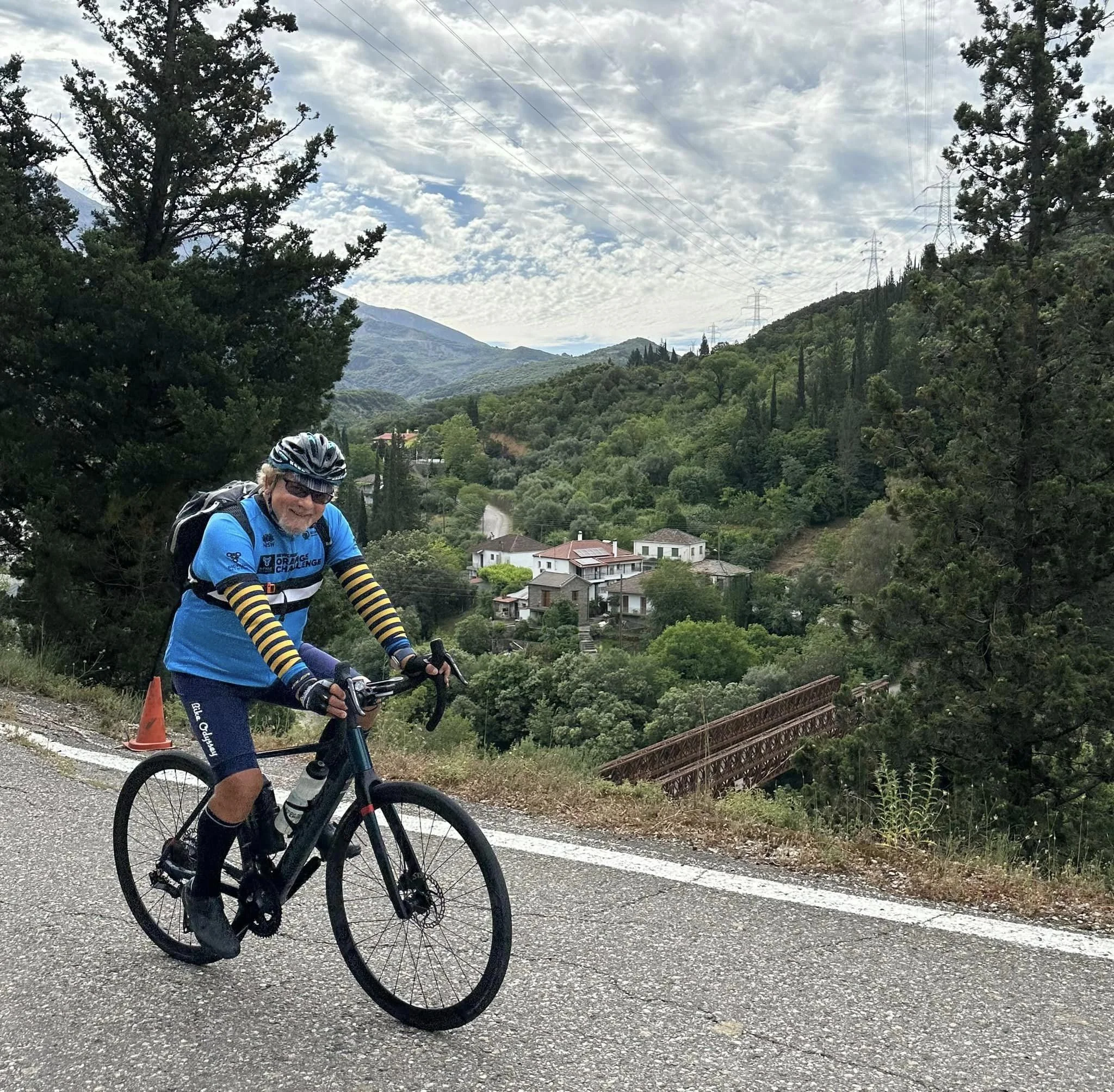
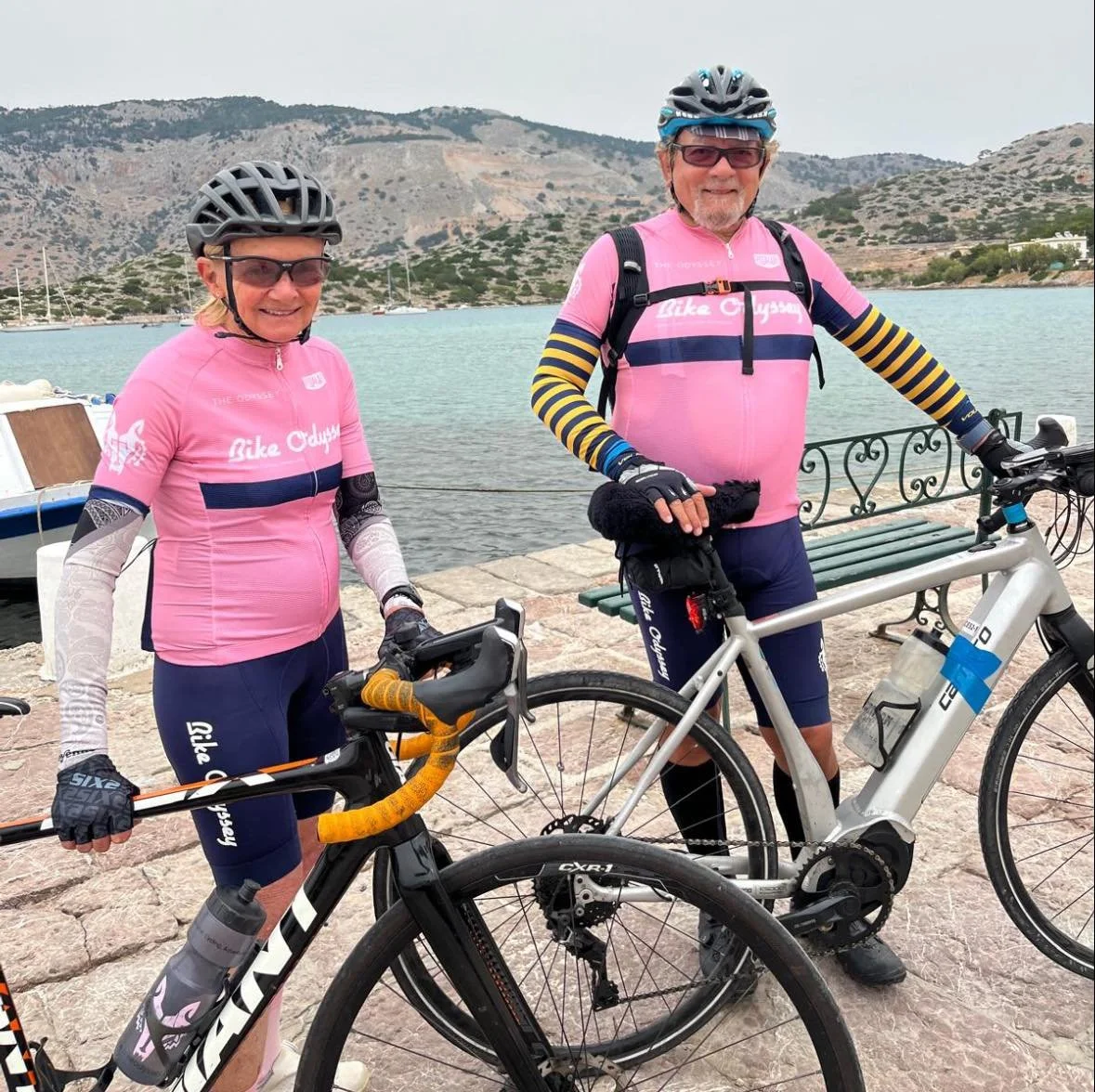
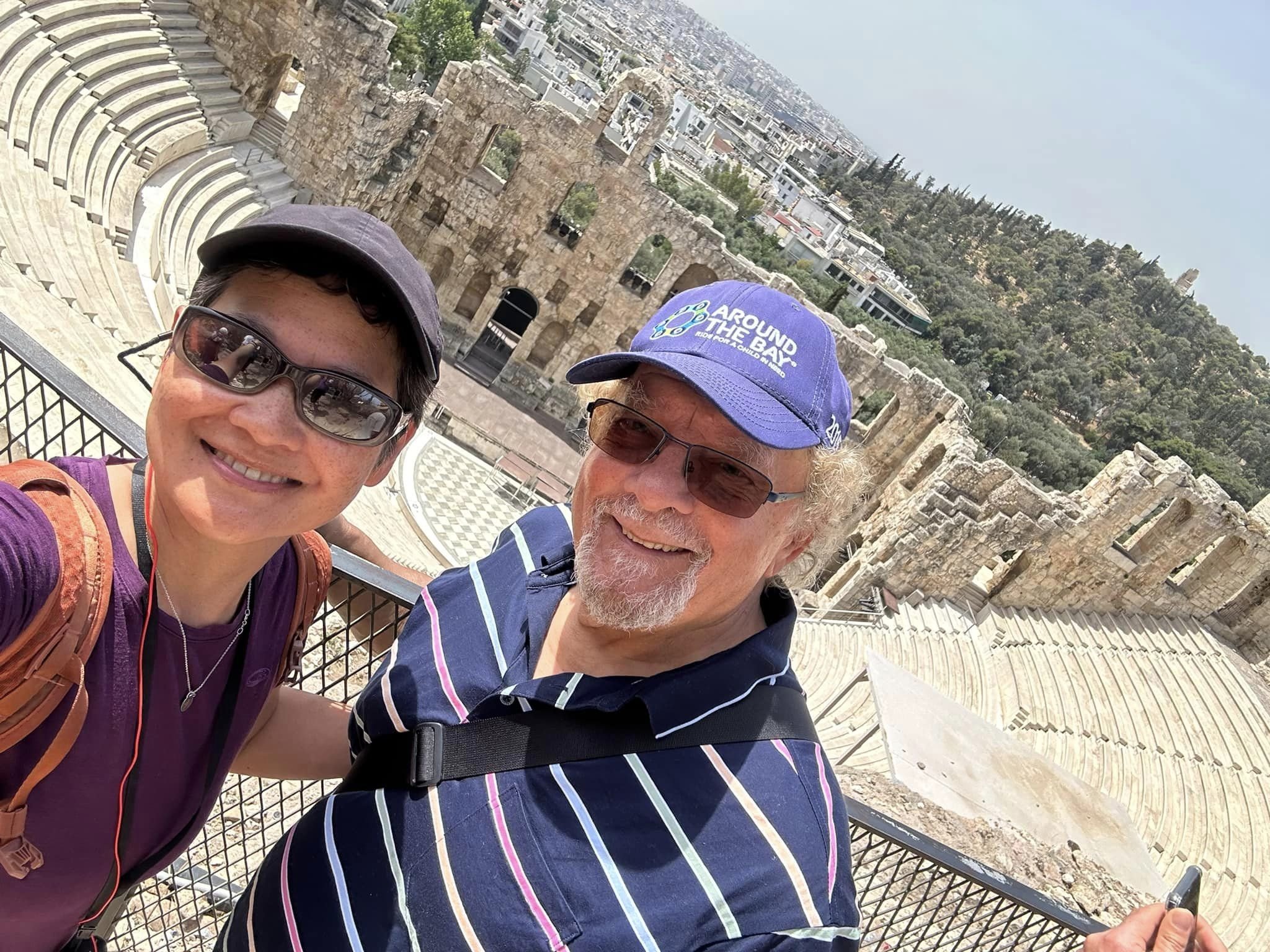
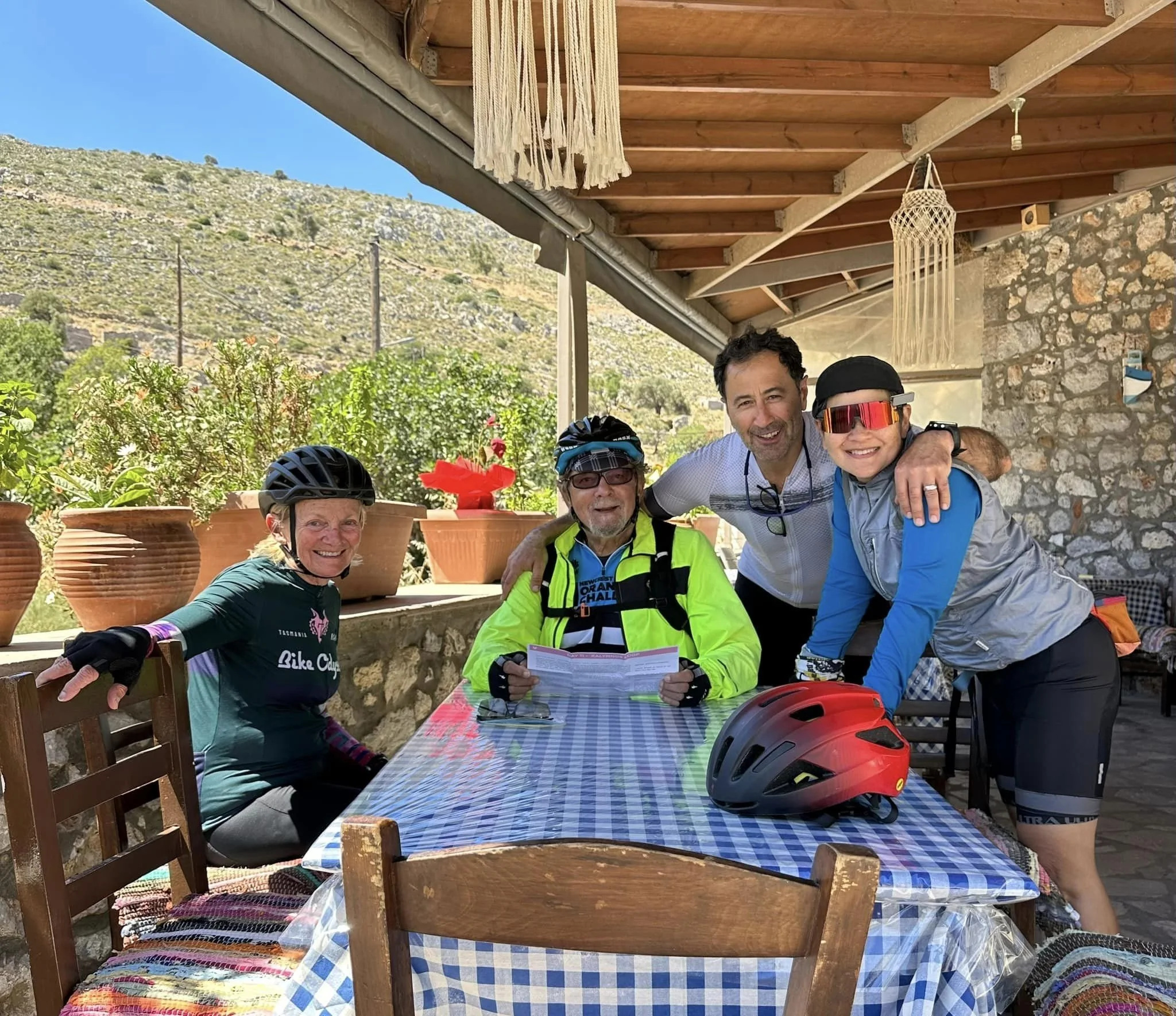
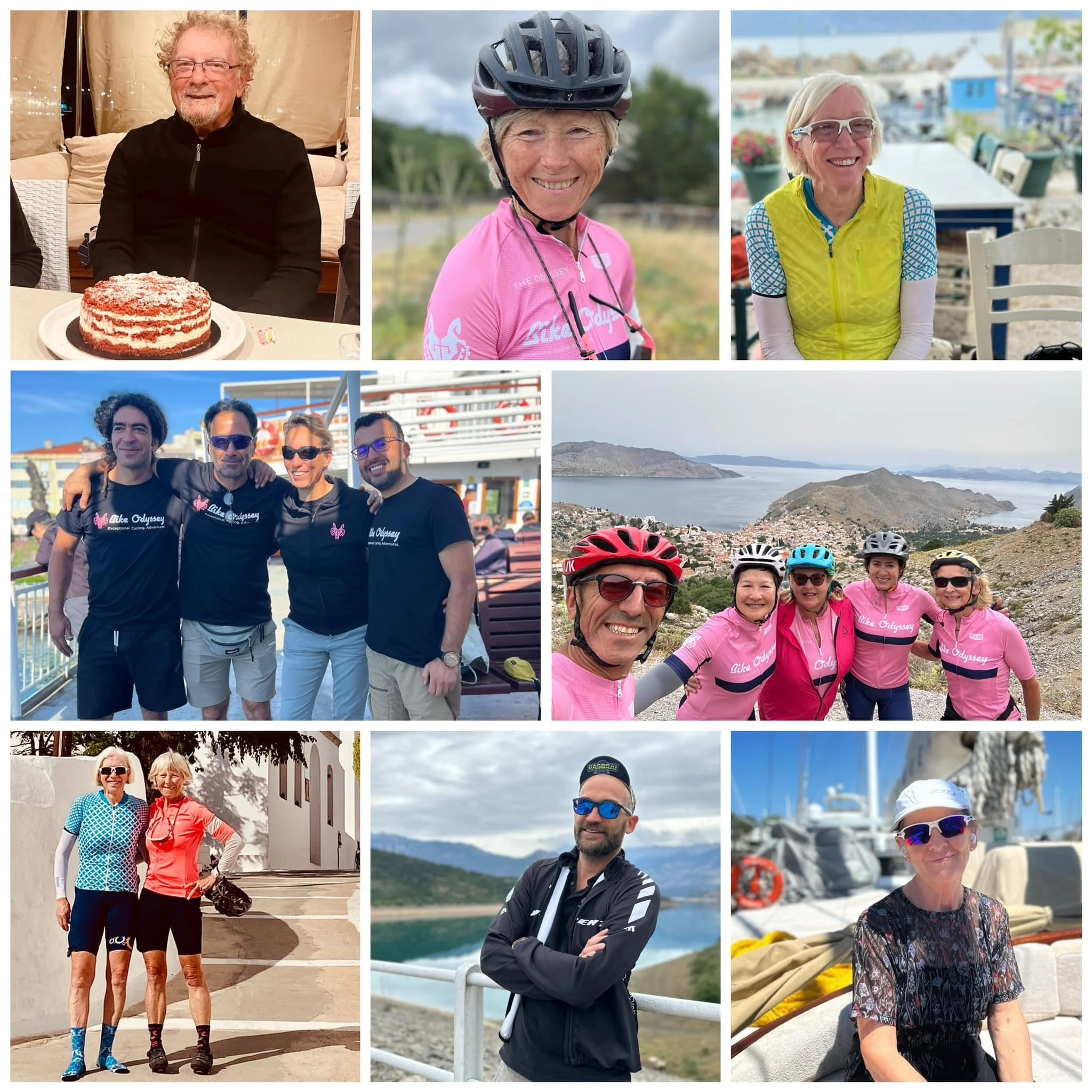
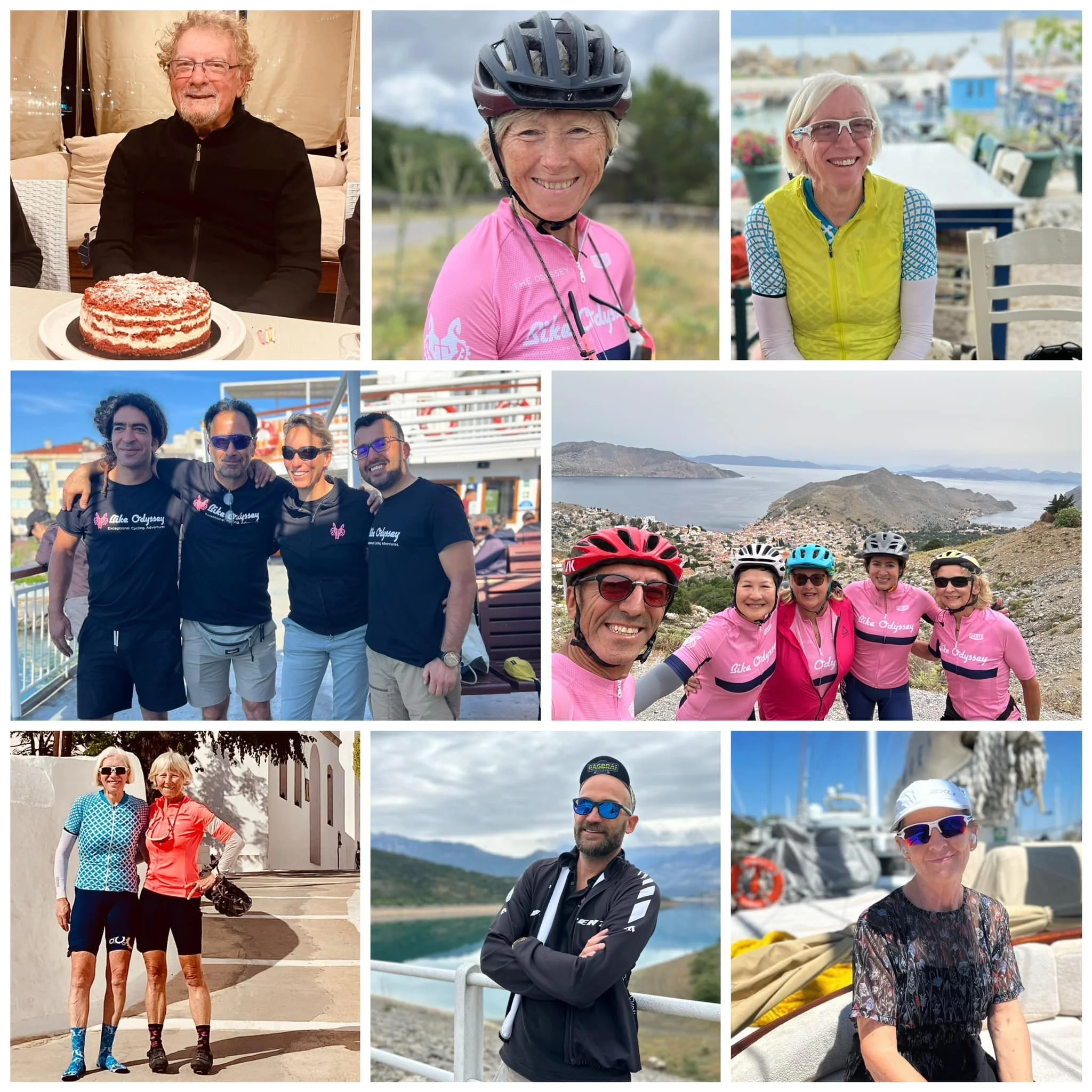
This is John Montagner, 79, of Wollongong, Australia. We call him “King John” because he’s done more Bike Odyssey tours than anyone else (he’s on his 11th now). At 79, he reckons he’s logged more than 125,000 kilometers as a road biker. Four years ago he switched to a Bianchi Aria e-bike after his Giant Defy was stolen, and he hasn’t looked back. “I use the battery sparingly, but it’s nice to have.”
Cycling keeps him fit, he says. Not only the cycling trips he’s been on but the training he does beforehand and the rides he does with his local riding club. The one time remembers hurting himself was “spraining a foot in Spain but that was walking before the tour even started.”
A retired mechanical engineer, Montagner notices details others miss, especially in the infrastructure of places. “The world is a beautiful place. I enjoy noticing details—the pipes, roads, bridges, what the houses are made of.”
Montagner’s wife Rosalie is not a cyclist, “but she’s happy for me to do these trips, which is terrific.” He often goes on tour with his friend and fellow cyclist, Kay Ferry.
His best tip for newbies? “Just relax and allow yourself to enjoy the experience.”
Here are more tips Montagner and other Bike Odyssey repeat guests on my trip shared with me.
—Fold and tuck the day sheet into a pocket for later reference.
—For women: when wearing bibs, tuck the over-shoulder straps into the waist for easier toilet access.
—Don’t put sunscreen on your forehead, so it doesn’t run into your eyes and sting.
—You will be moving hotels often, so keep similar items together in labeled packing cubes.
—Always carry some local currency.
—You will likely be going through some city traffic. Pack highly visible gear and a bike light.
—At the hotel’s breakfast buffet, filch a pastry to eat later.
—The ability to communicate with guides and fellow riders is vital. Regional e-sims for your phone are inexpensive.
—E-bikers should keep in mind that regular cyclists need all their energy on the uphills, so it’s typically not the time to engage in conversation.
—Pack a power strip to plug your bike light, bike computer, and other electronics into.
—Keep a cap in your day bag to swap for your helmet when visiting sites.
Got a hot tip? Please add in the comments for possible inclusion in a longer article.
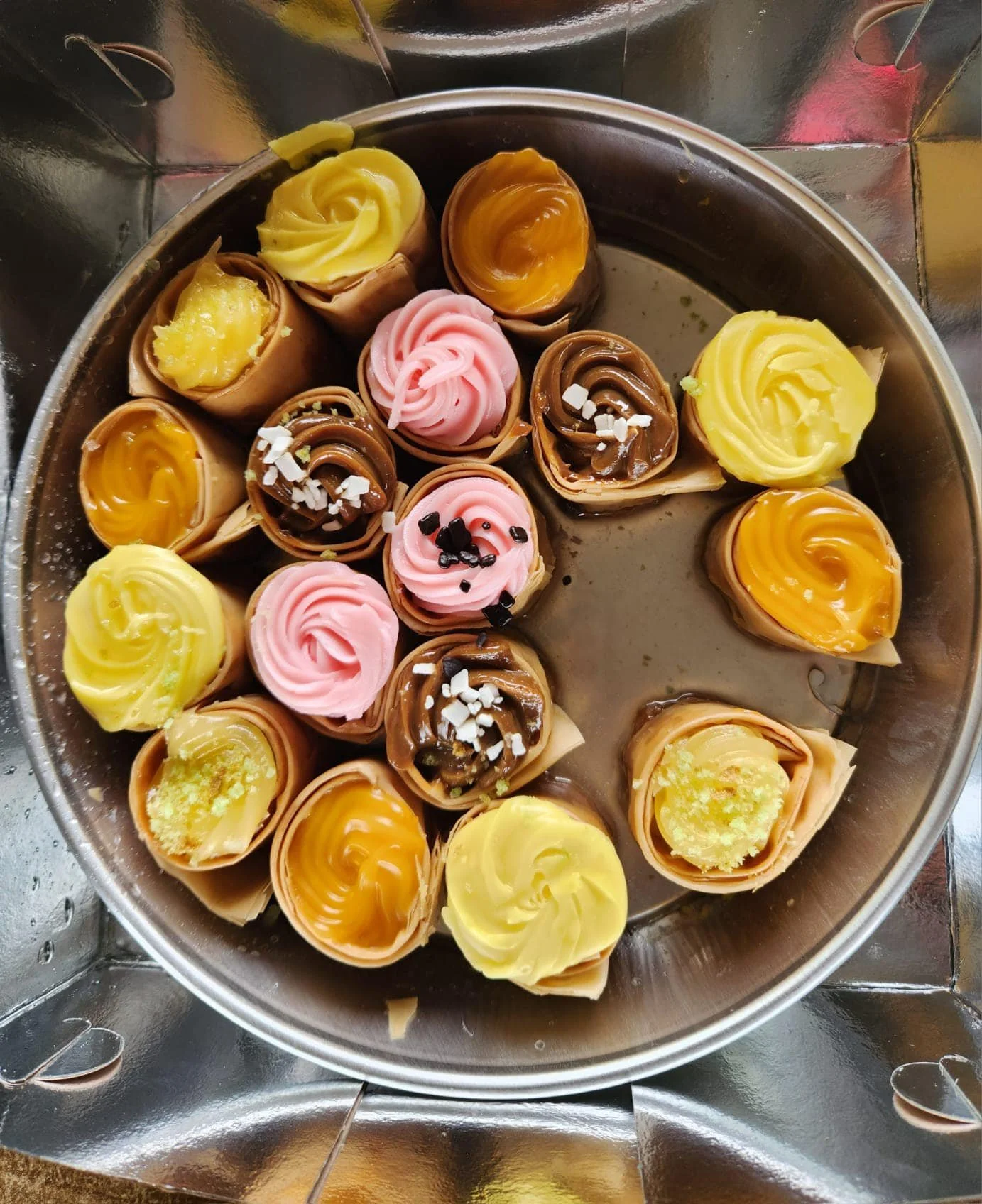
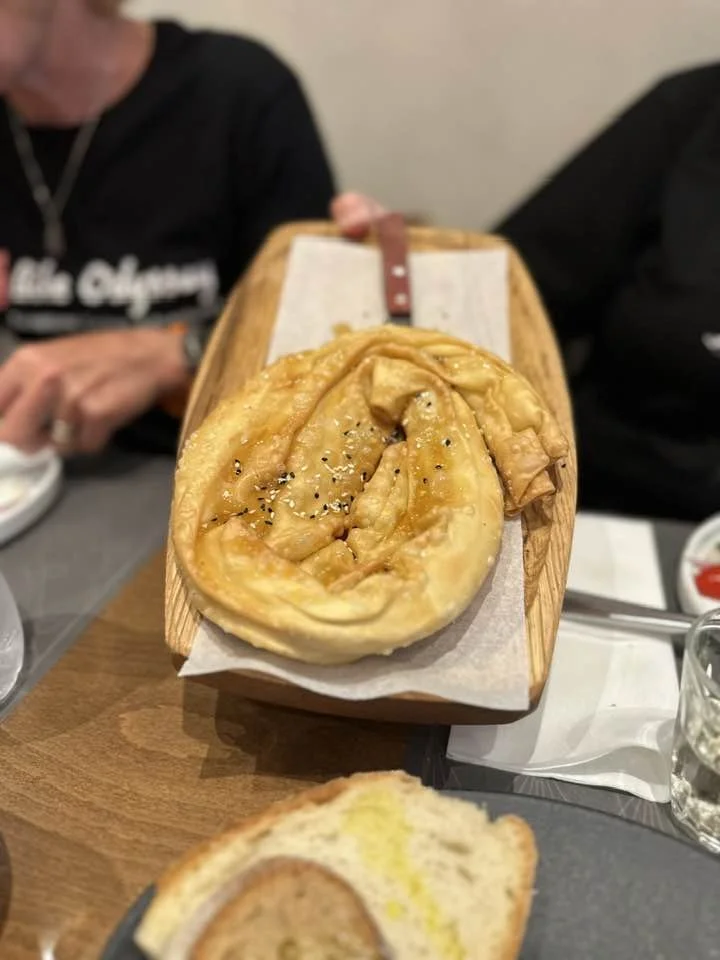
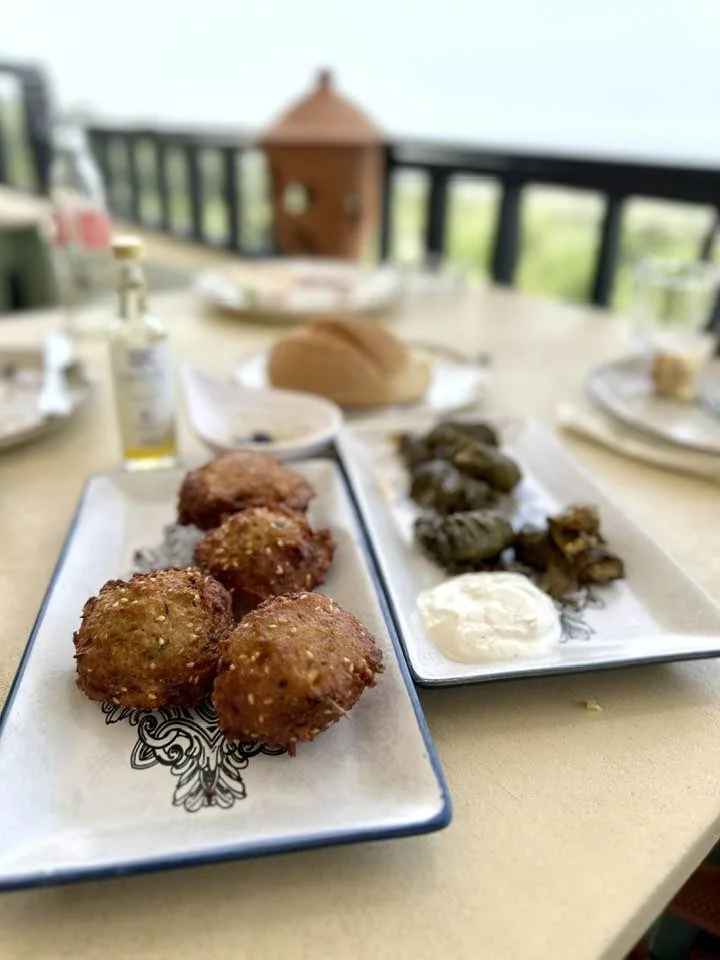
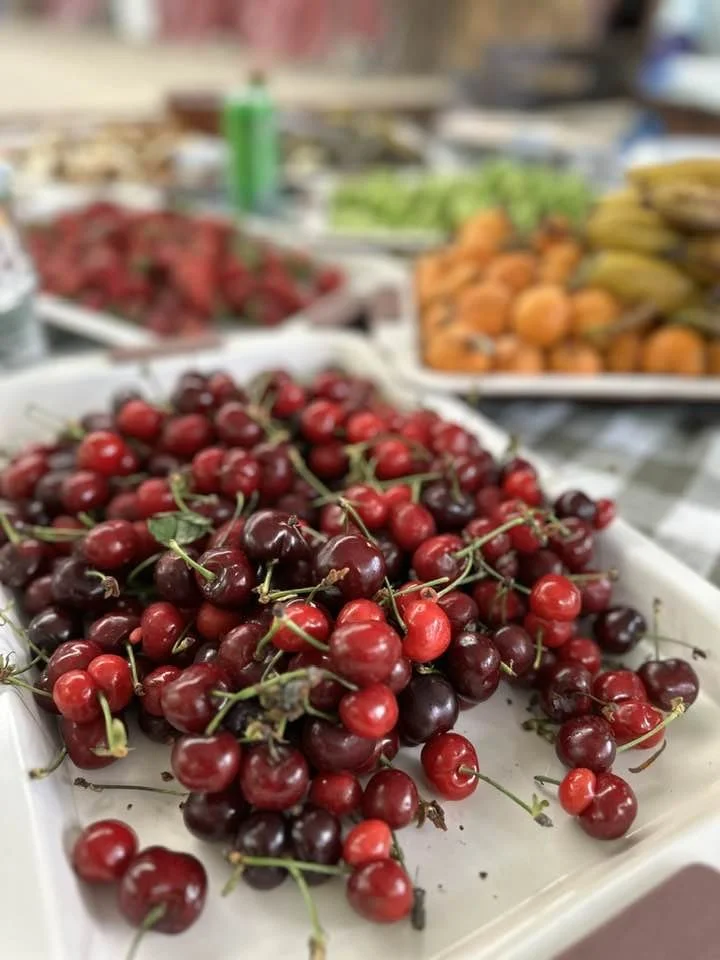
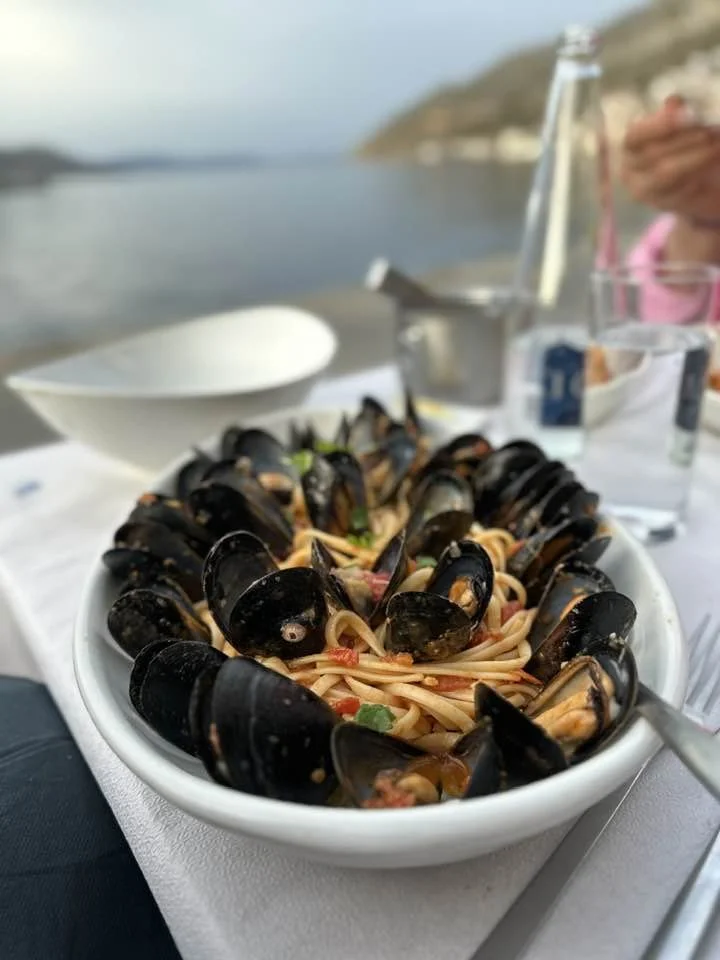
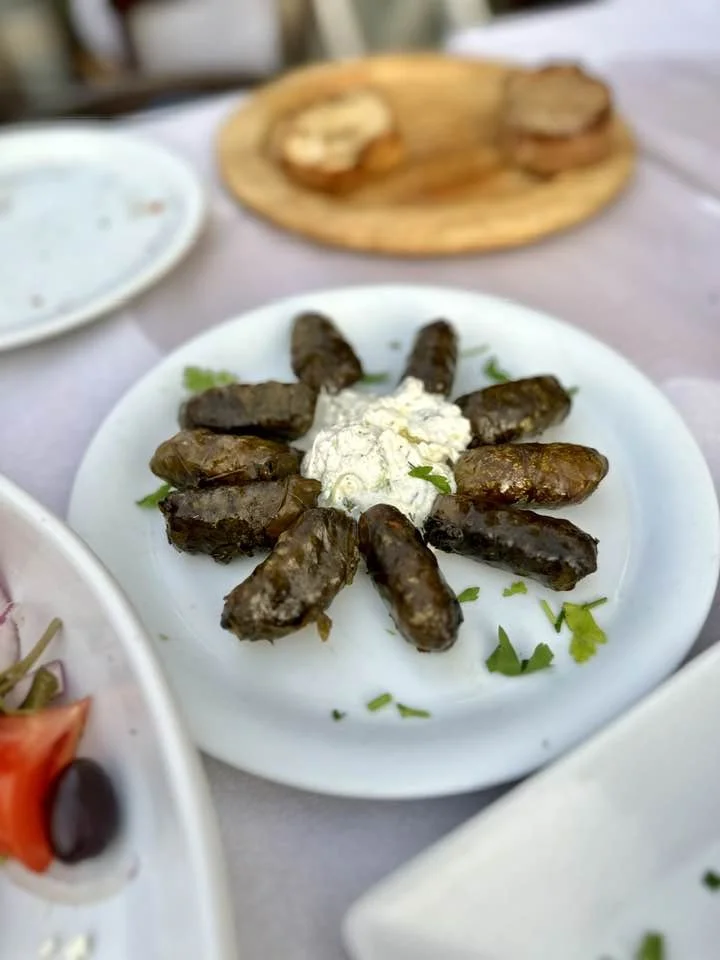
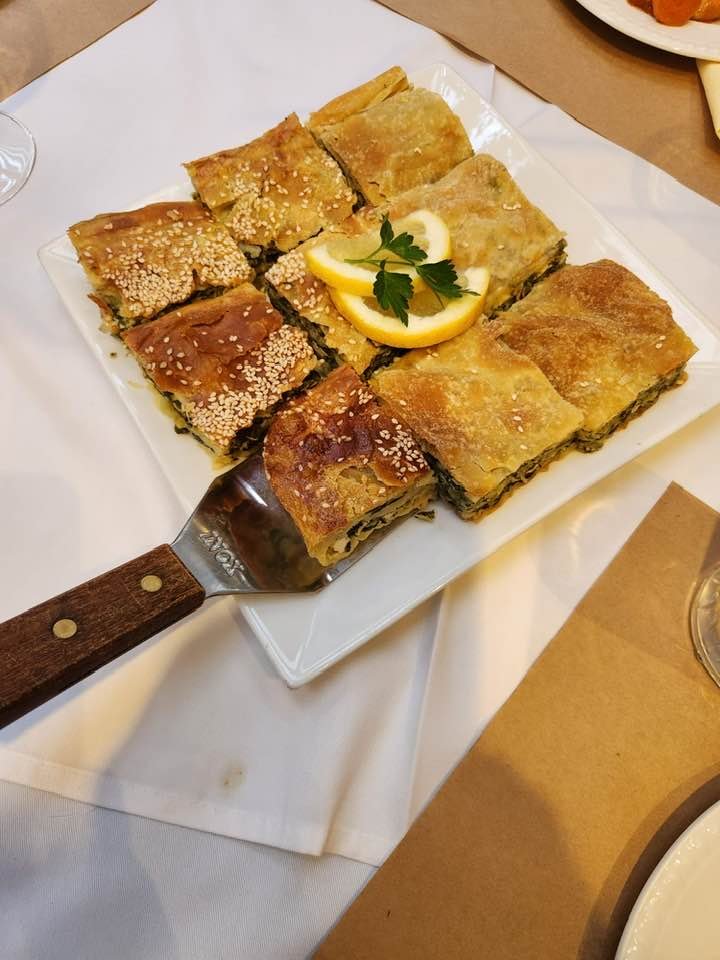
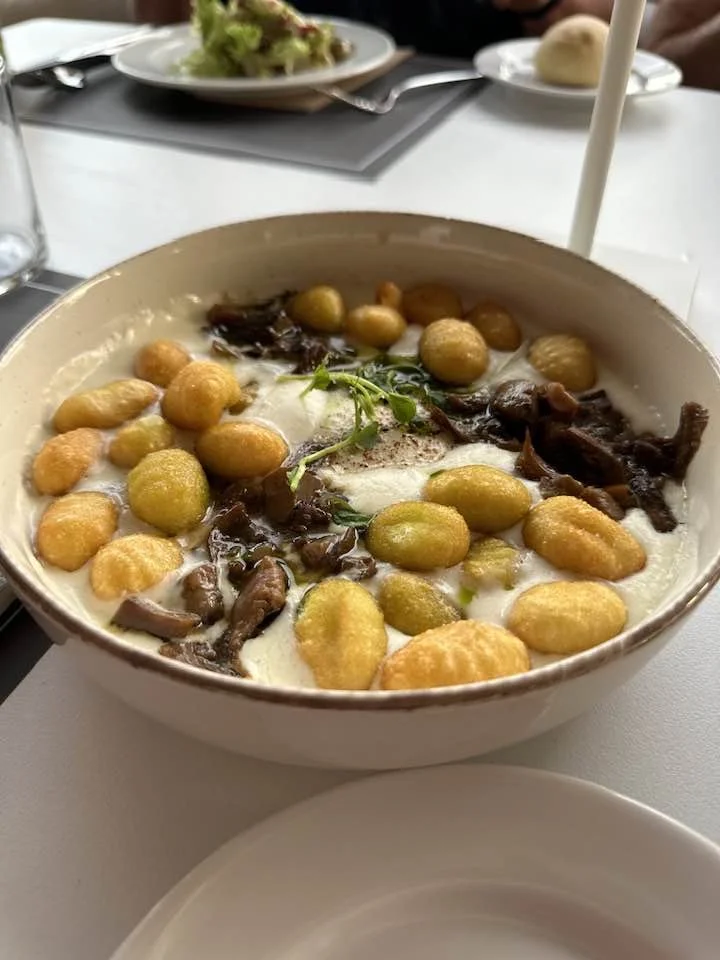
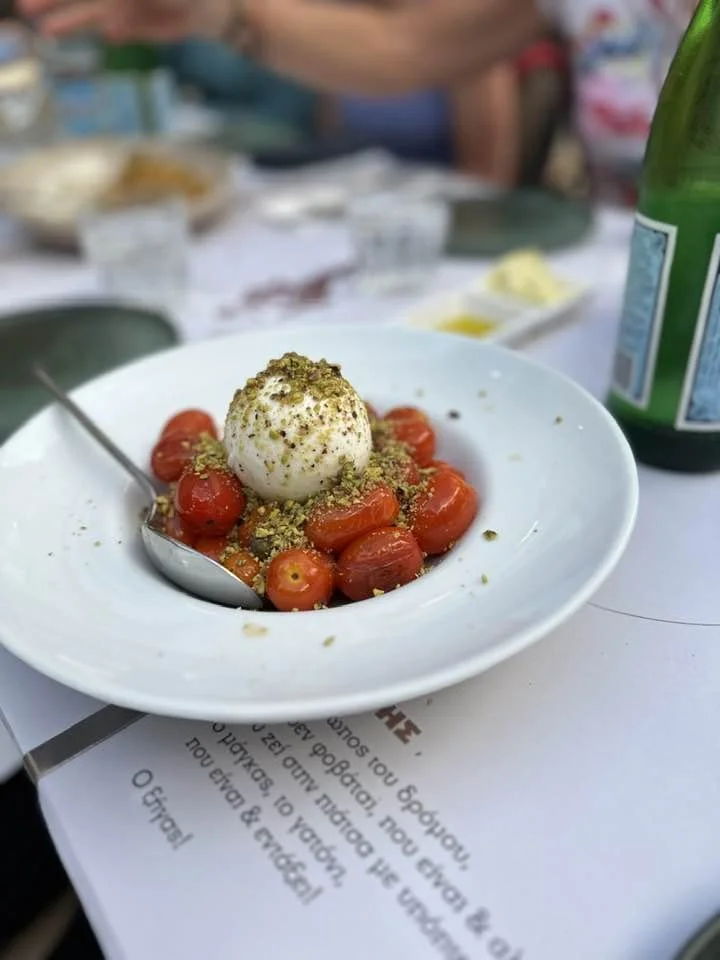
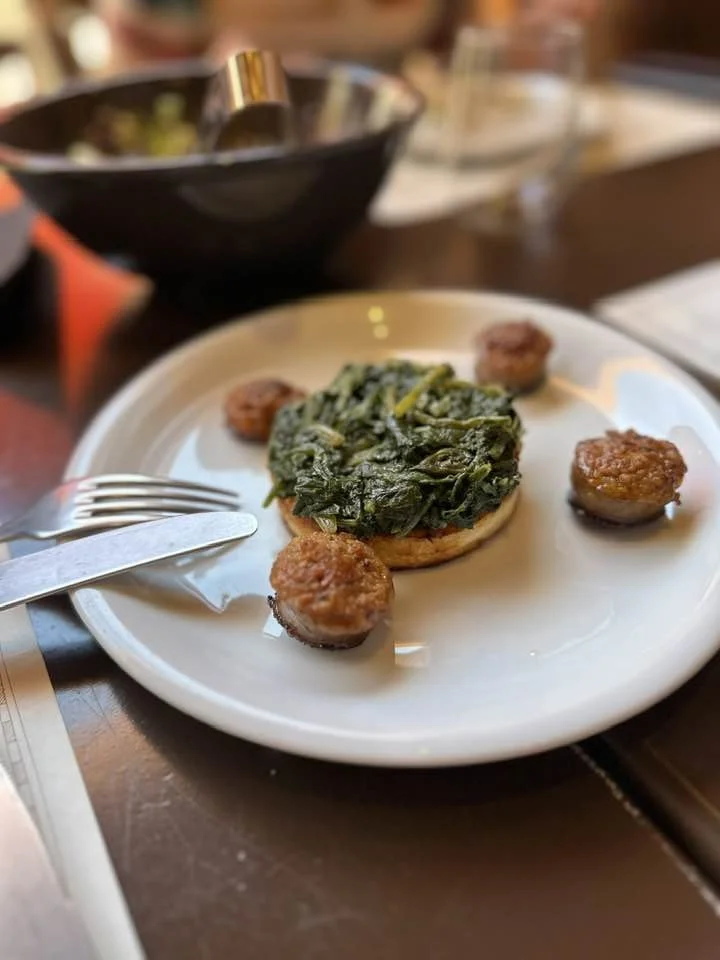
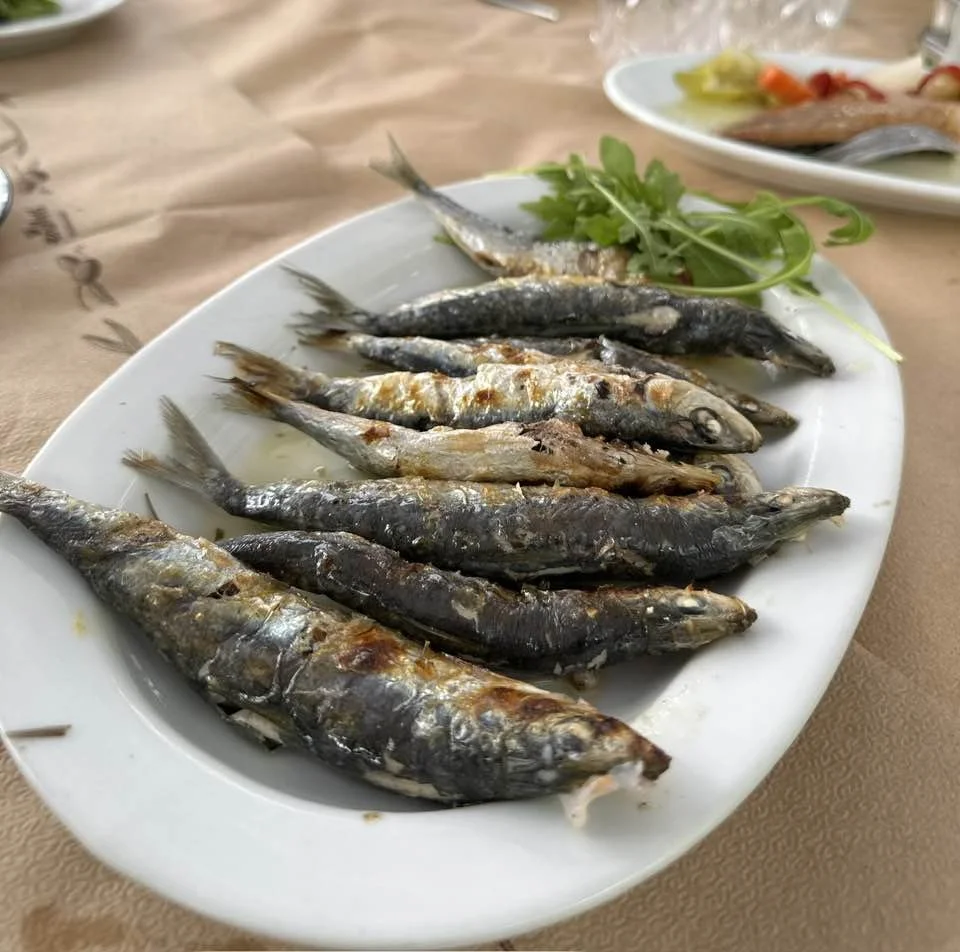
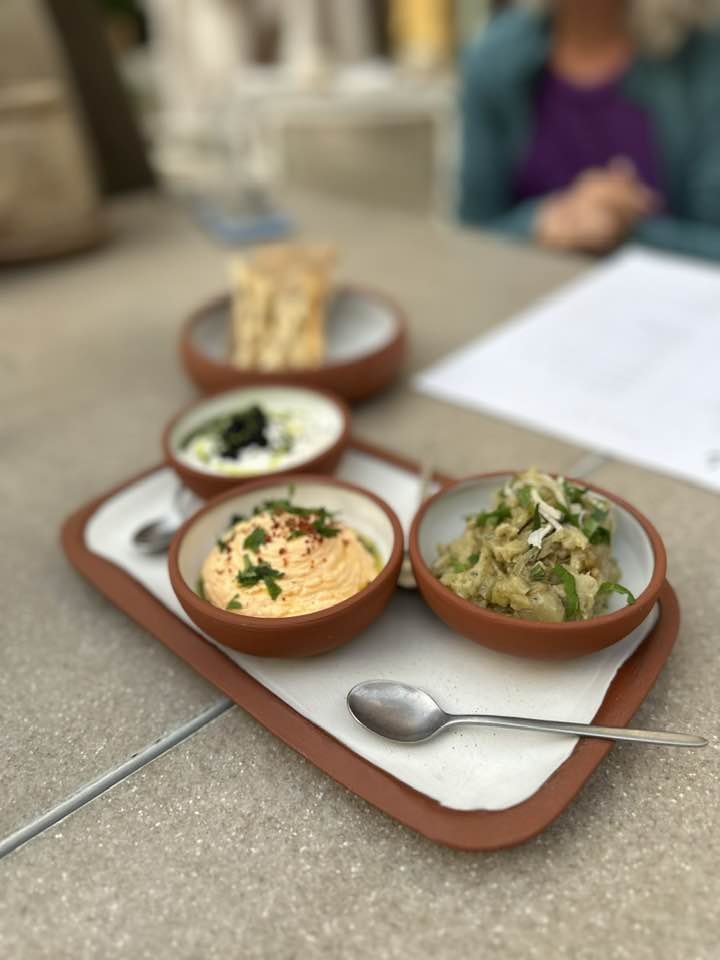
Mediterranean dieting throughout Greece and Turkey.
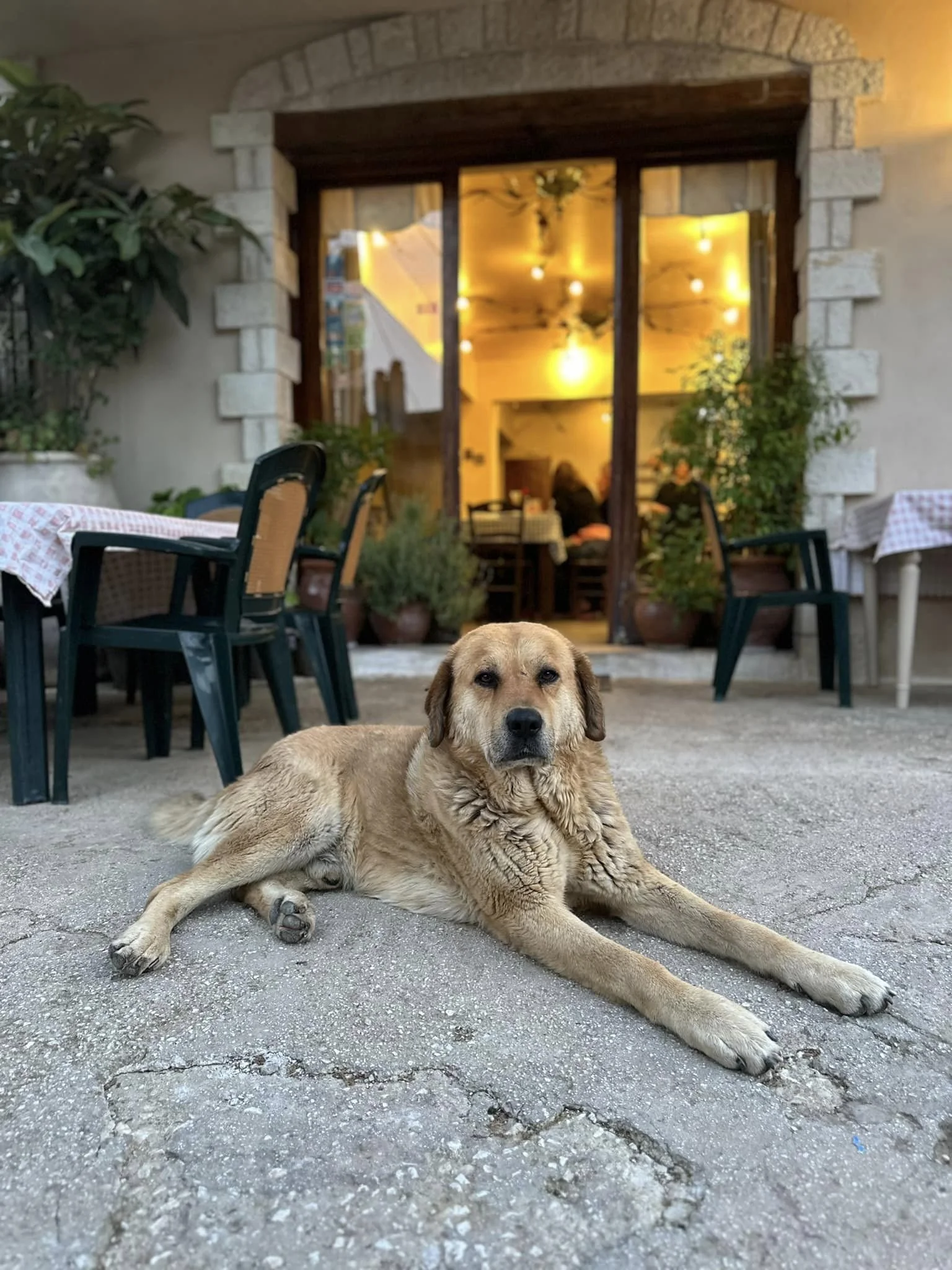
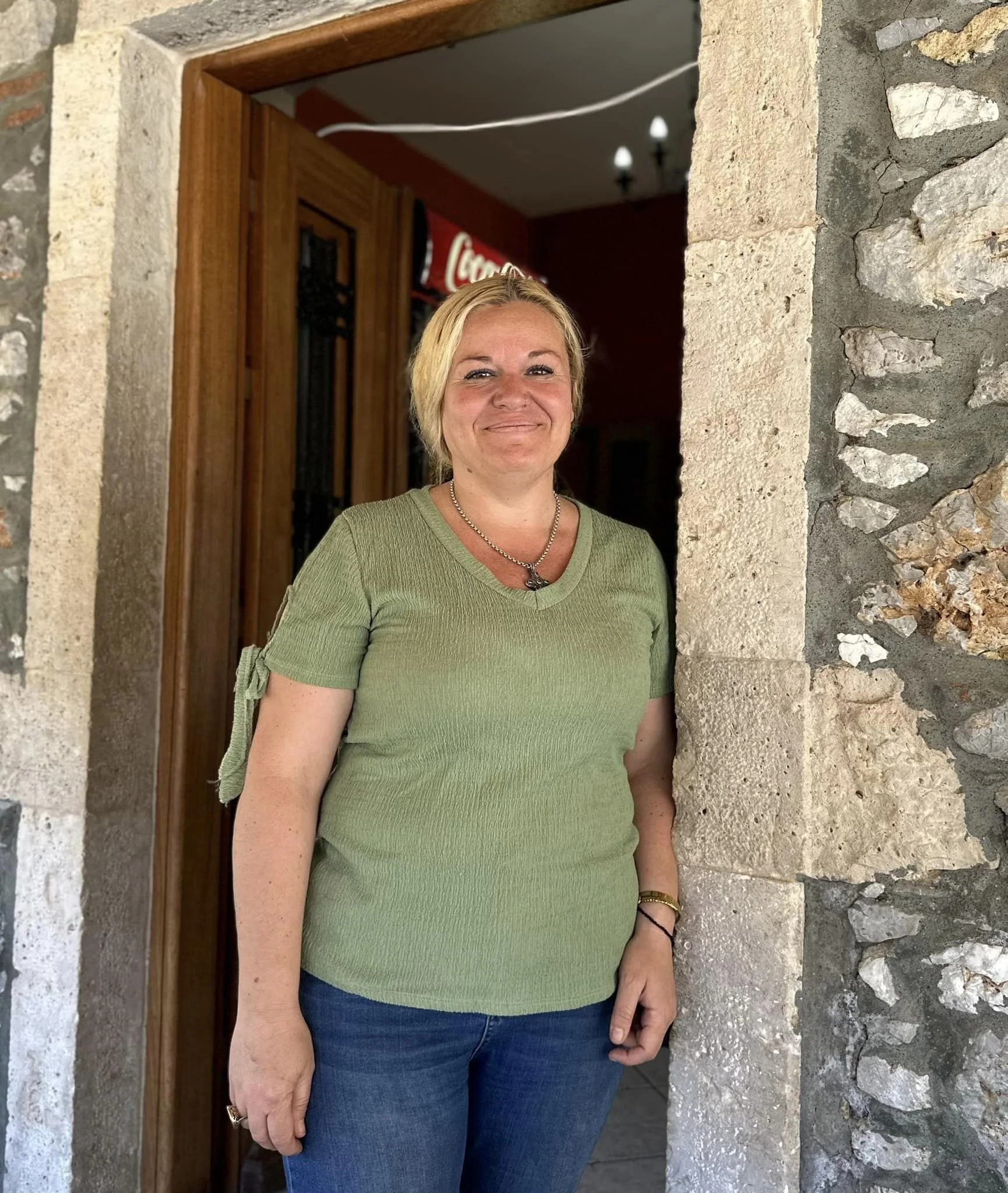
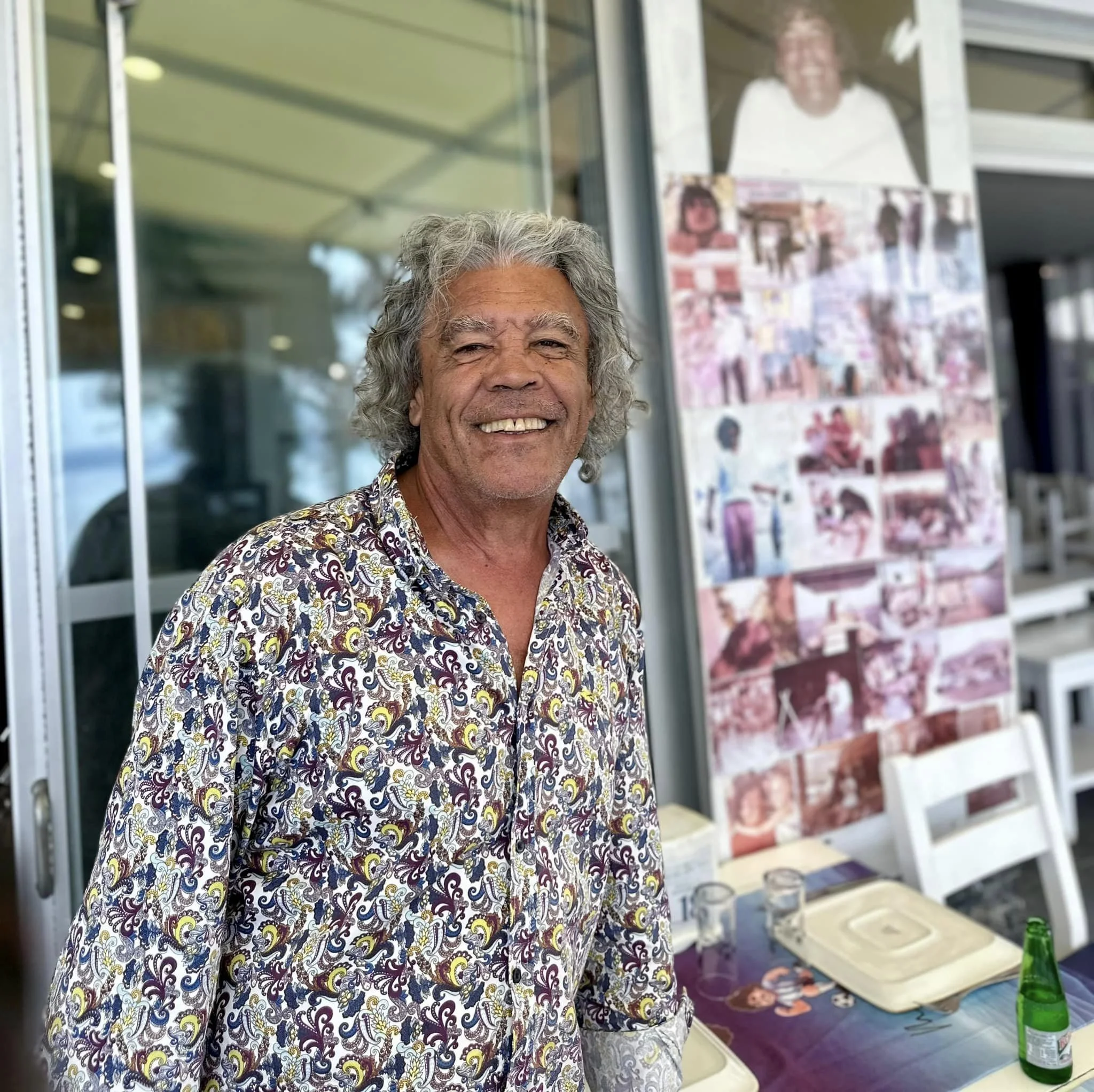
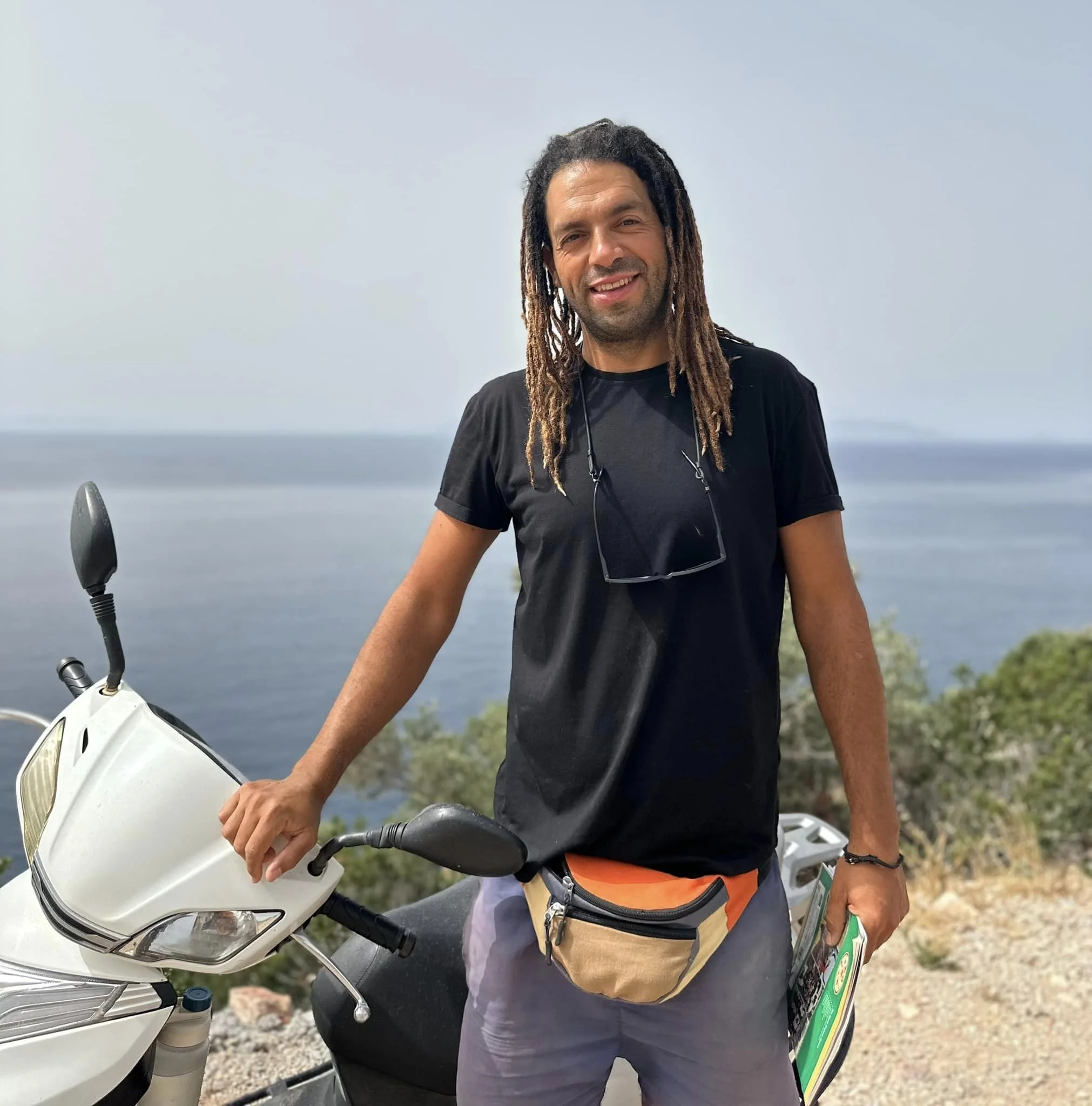
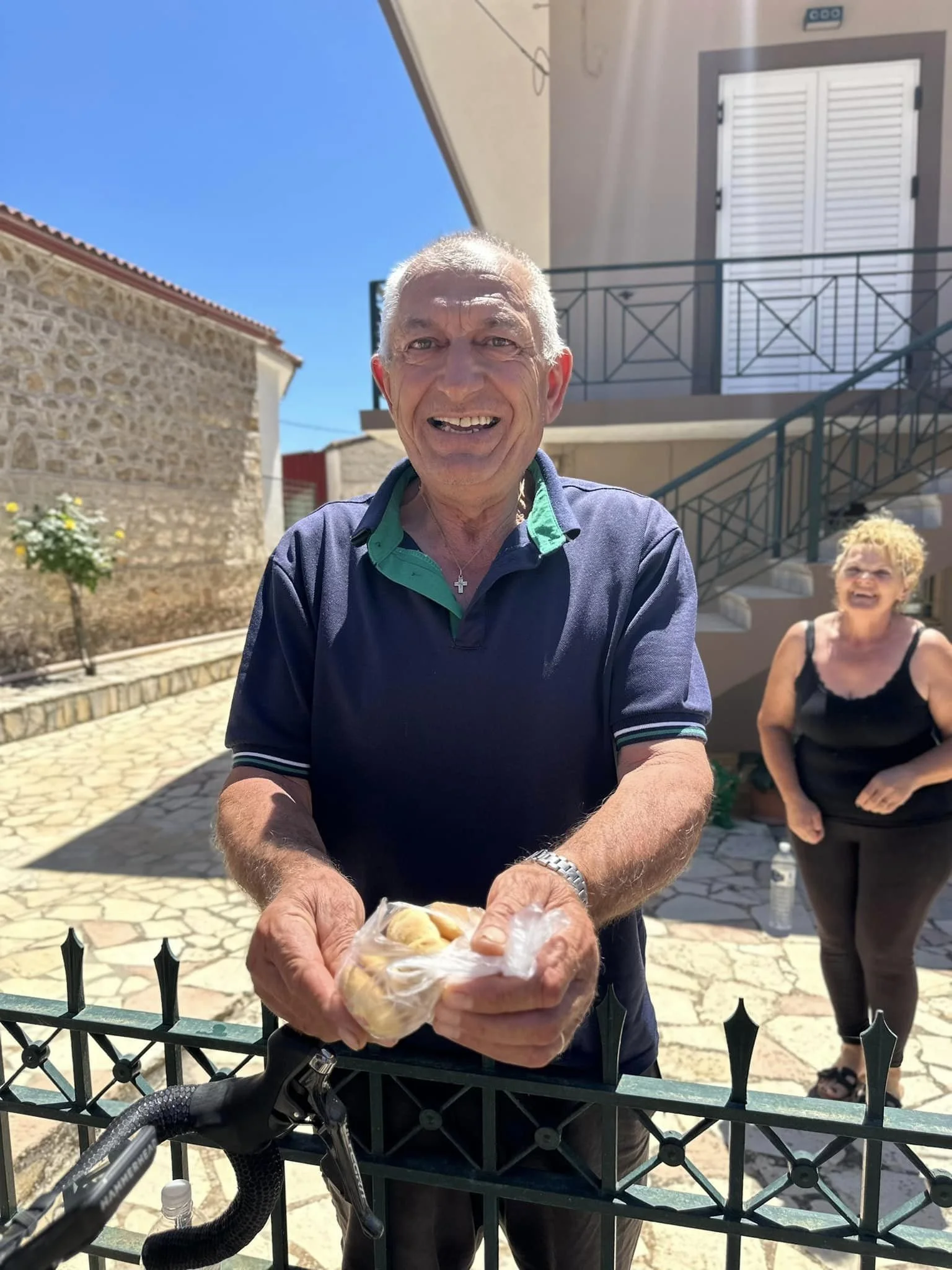
Greeks bearing gifts: It’s the kind of moment that happens often while traveling by bike. When one in our group ran out of water in the small Greek village of Asprokampos, he asked a resident who was gardening if he would fill his water bottle. The man, Dimitri, not only came out with cold bottles of water for all, but passed out cookies his wife had just baked.
Such is the warmth and welcome we have received throughout our monthlong cycle down the coast of Turkey, in the Dodecanese islands, the Peloponnese, central Greece, and now the Ionian islands.
Perhaps it’s a legacy of xenia, the ancient Greek concept of hospitality. Hospitality towards strangers and guests was understood as a moral obligation, mandated by the god Zeus himself. It made sense, actually, as the stranger in front of you might just be a god or goddess in disguise (as they were wont to do). Paris commits the ultimate crime against this code of conduct, running off with Helen when he is hosted by Menelaus, as does the Cyclops with his treatment of Odysseus and his men.
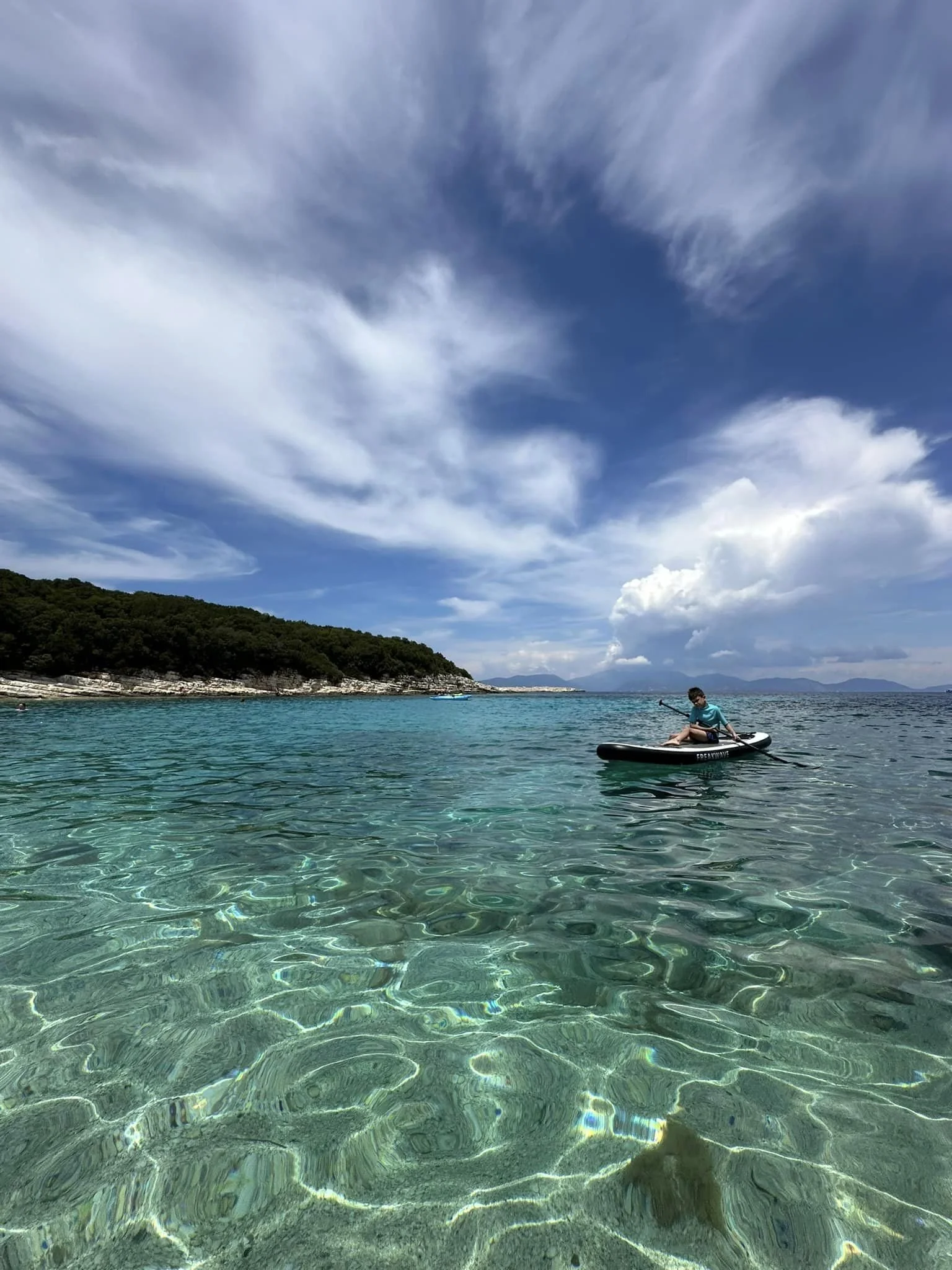
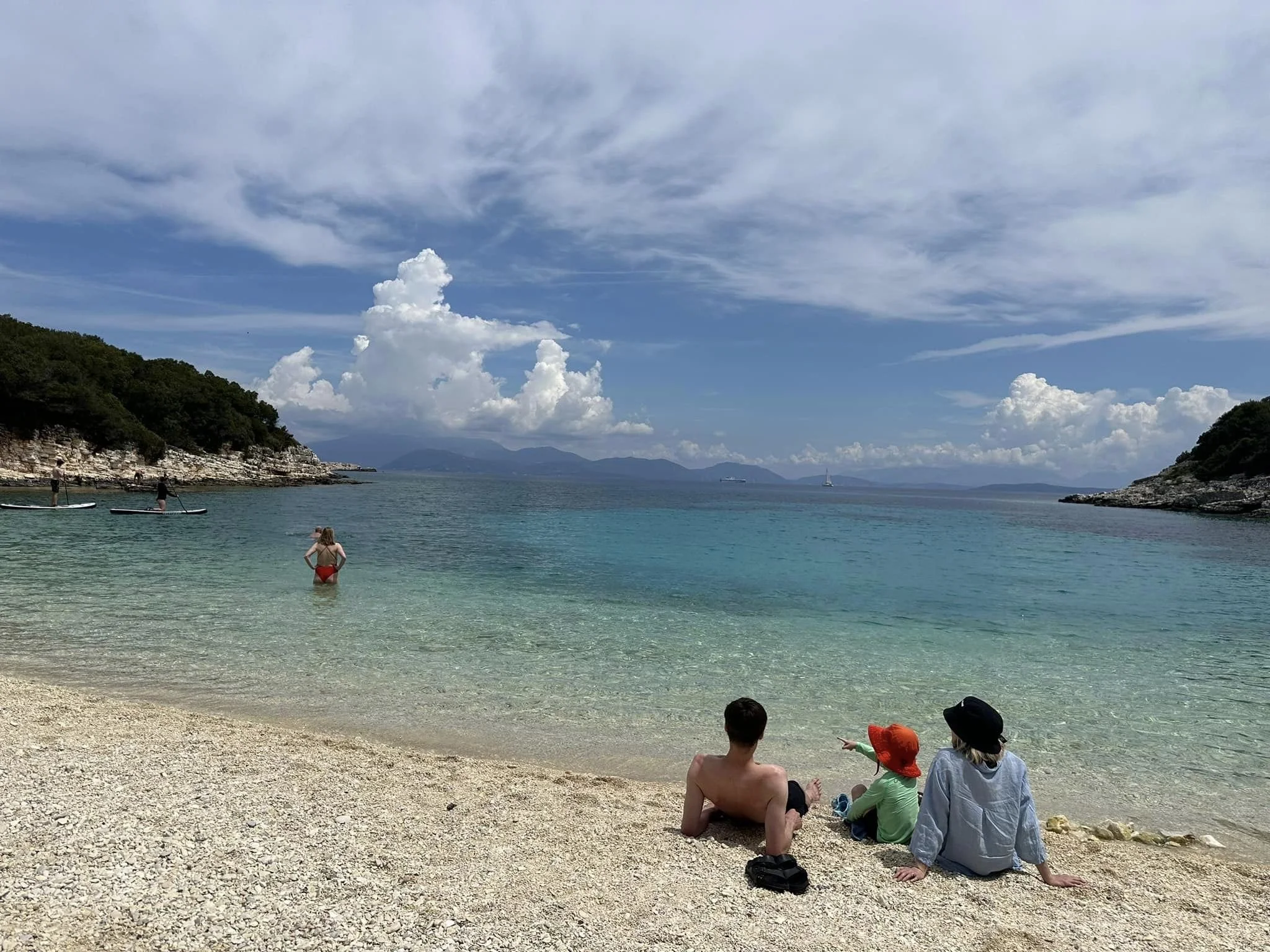
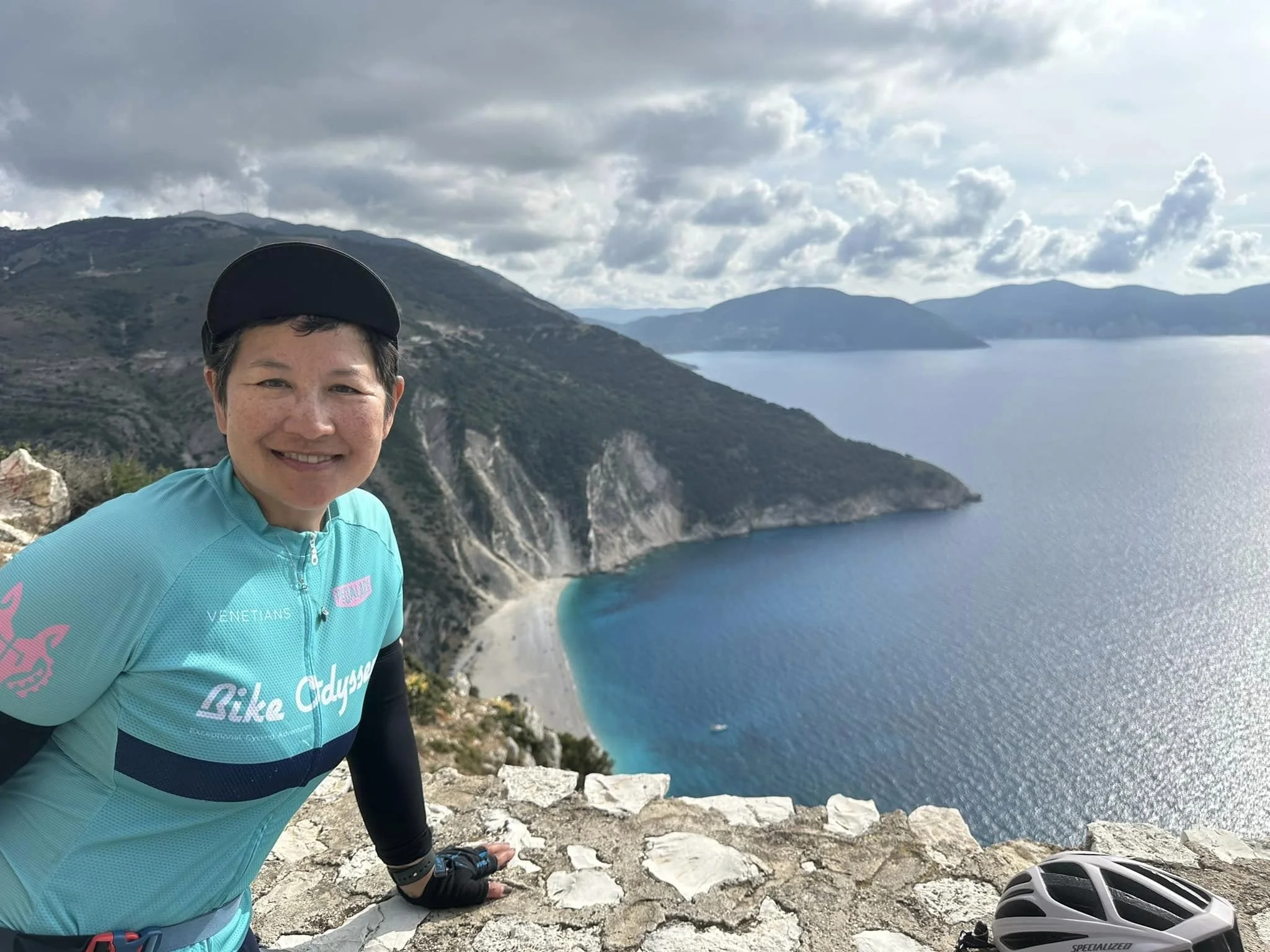
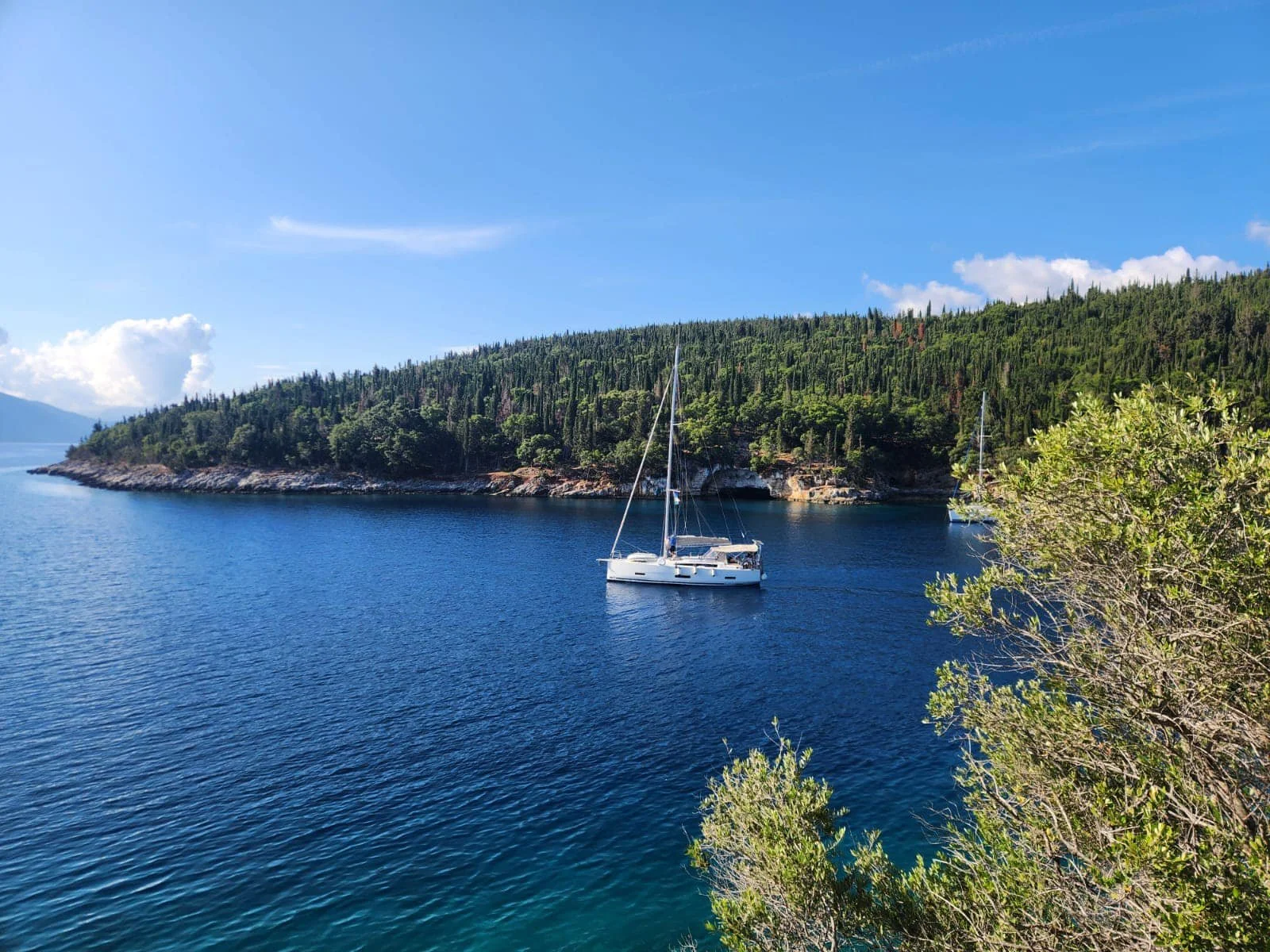
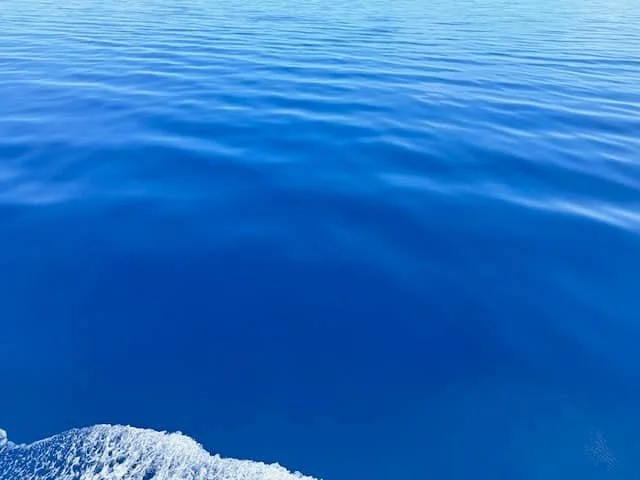
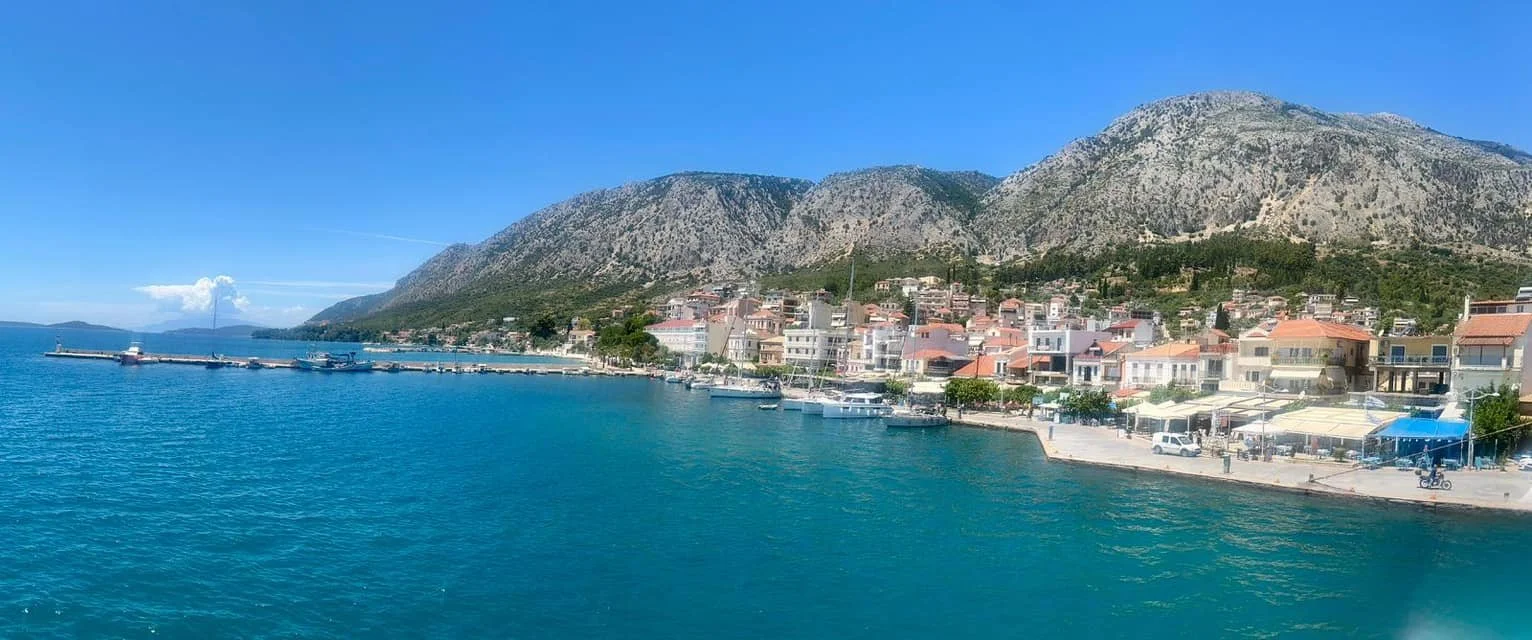
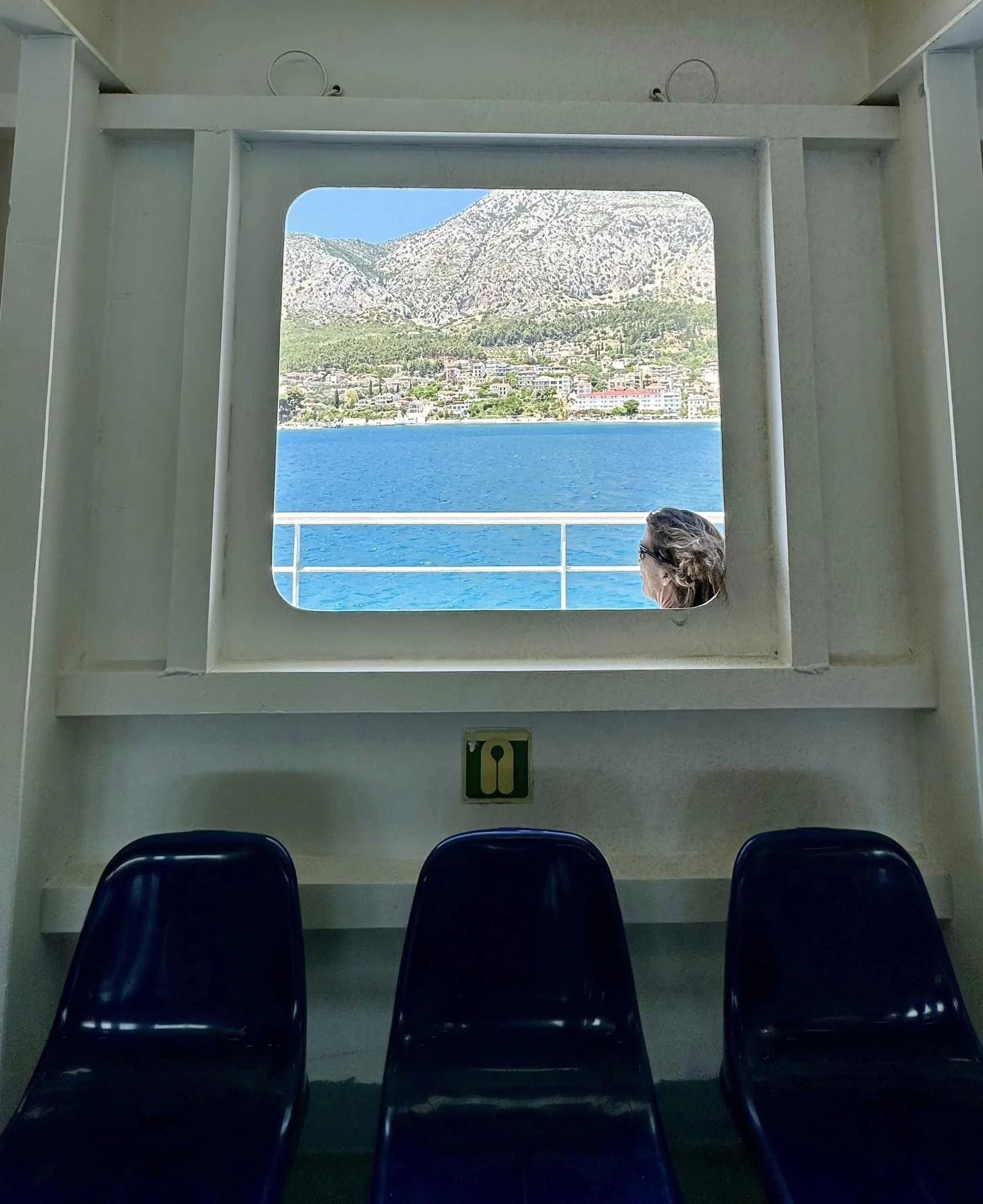
Homer calls it a “wine-dark sea,” but all I see is blue.
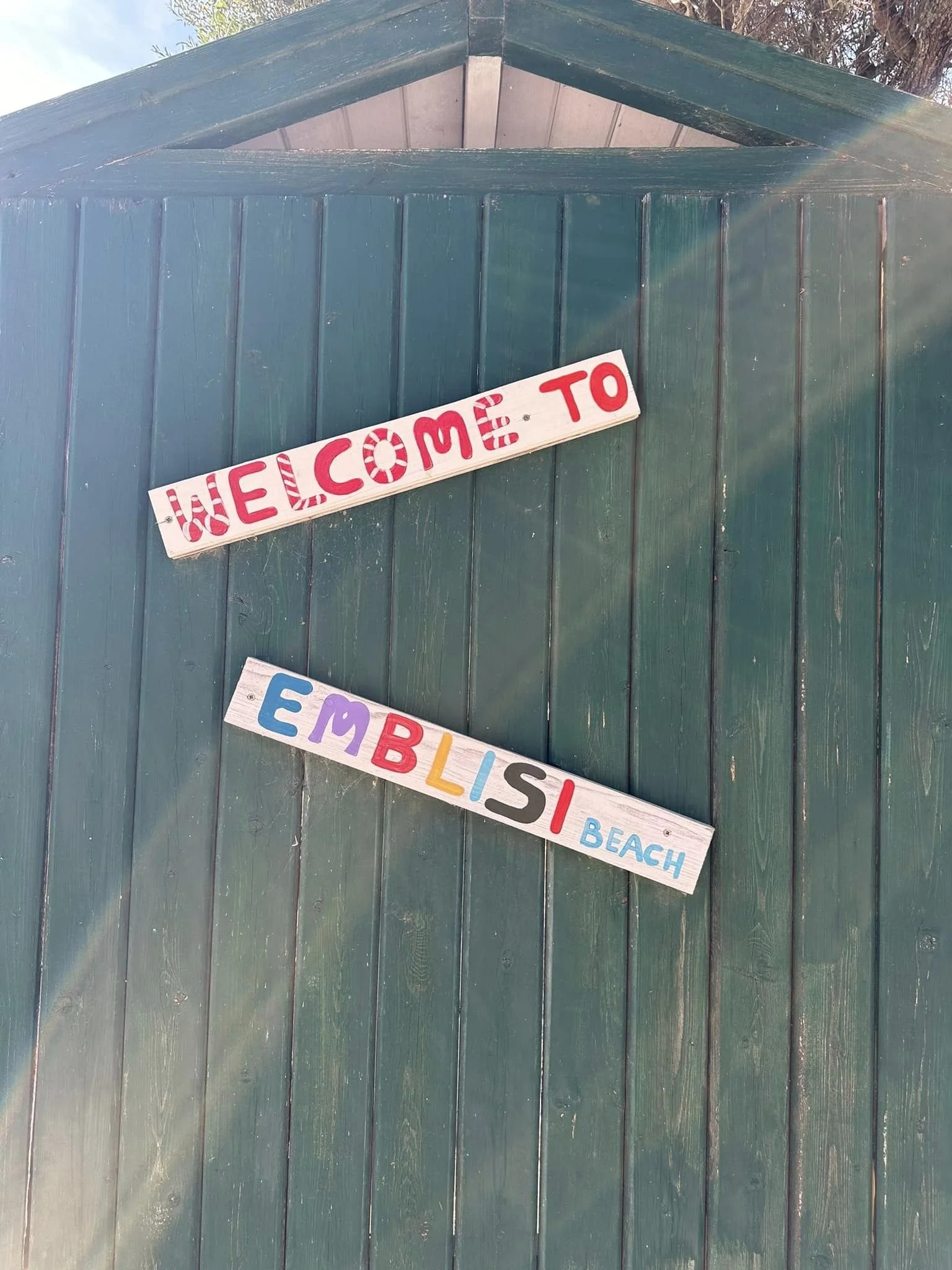
Ferry to and bike and beach day on Kefalonia, Greece.
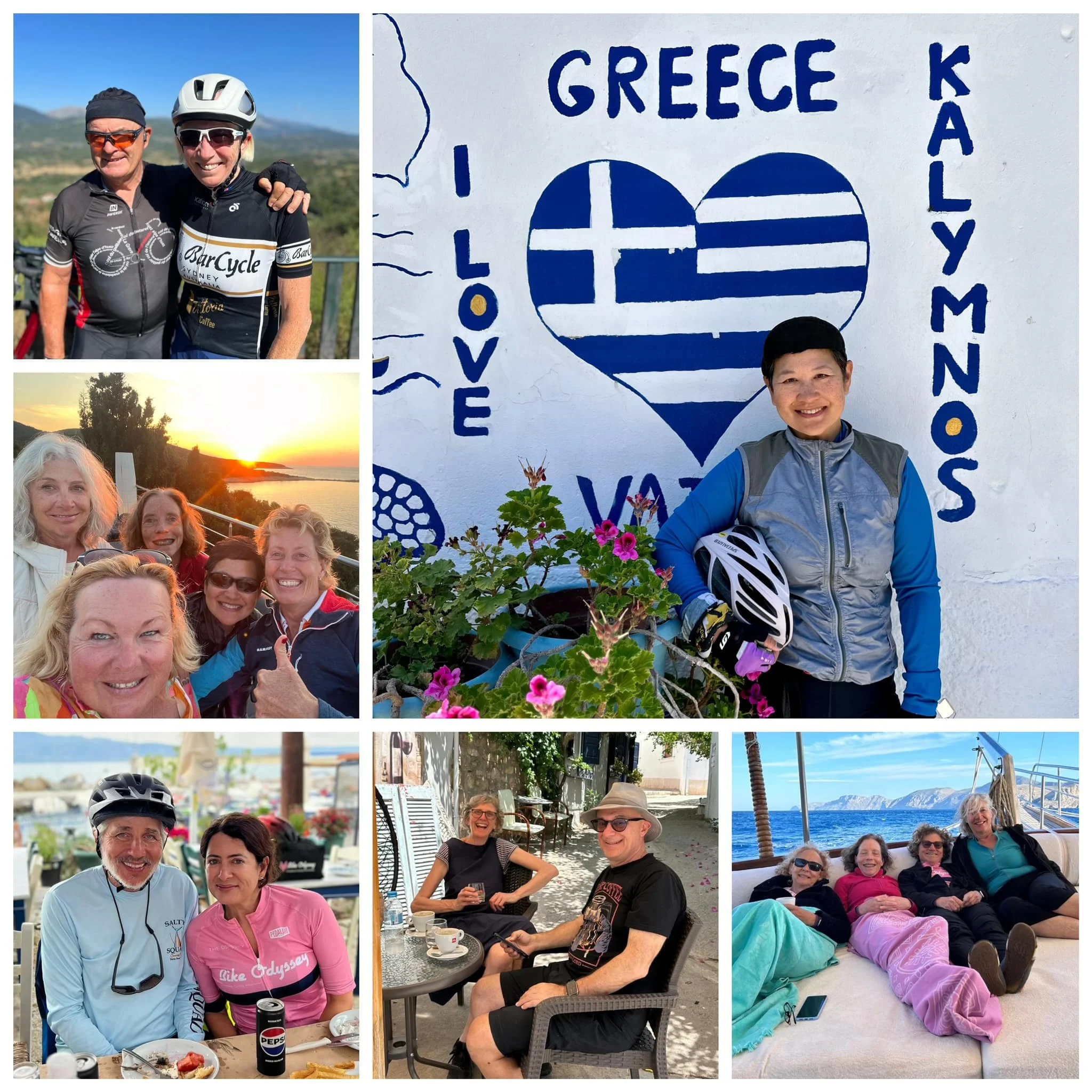
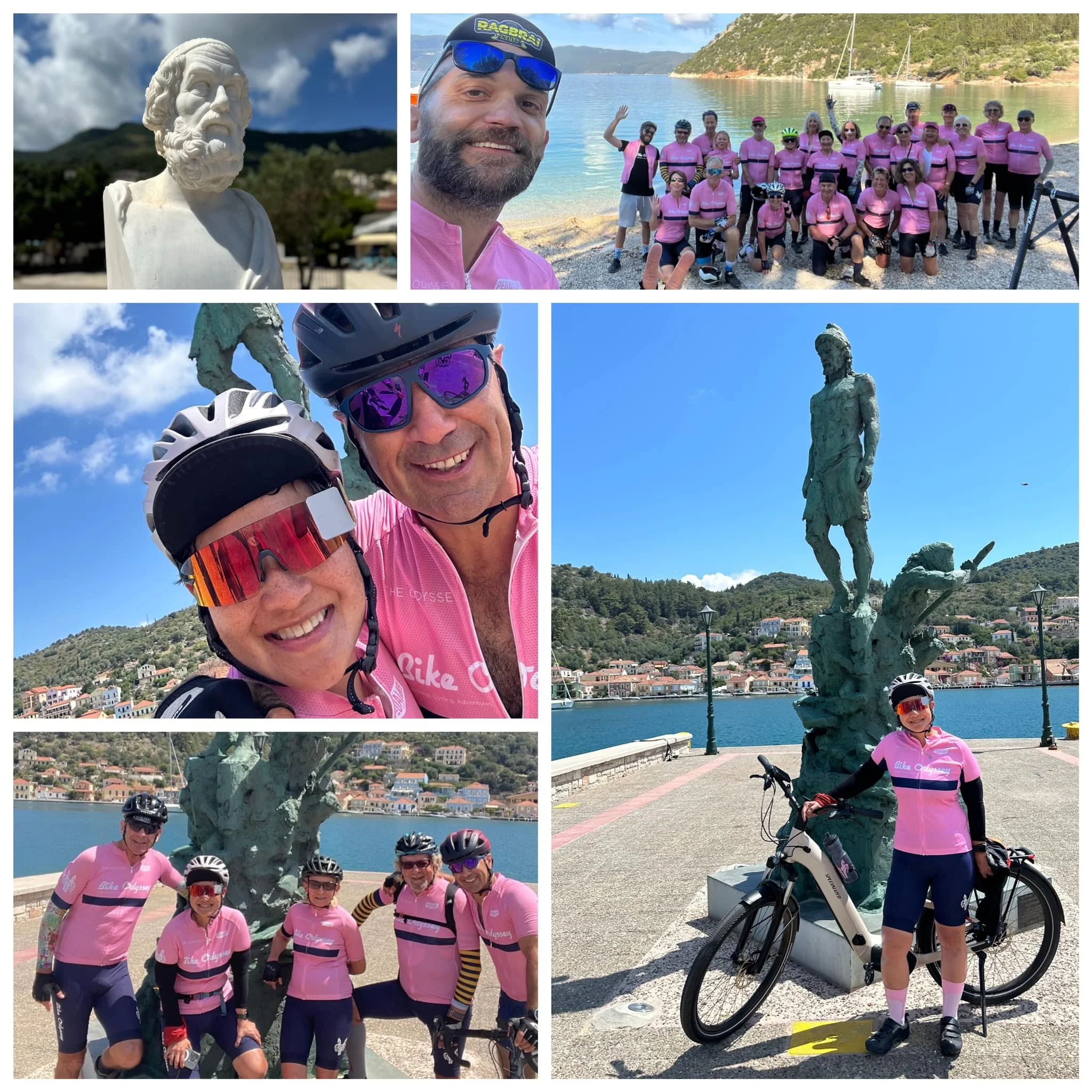
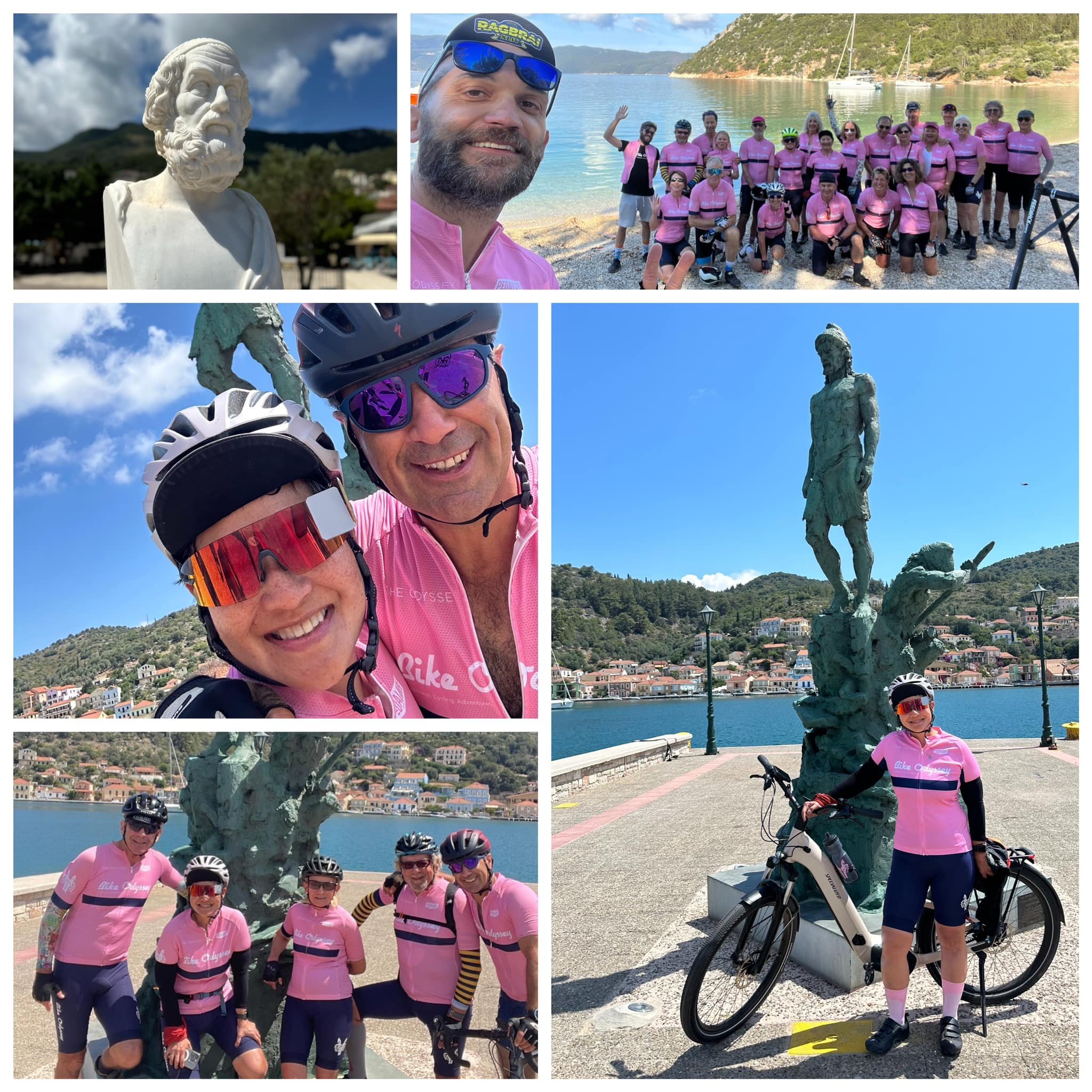
Ten years after departing Troy, Odysseus arrives at his palace in Ithaca. (It takes us a month, but hey, we have excellent guides.) Possible palace ruins have been found on the Ionian islands of Ithaki and Kefalonia, though archaeologists do not have the evidence to confirm the narrative.
No matter. The world’s greatest adventure tale doesn’t rely on reality to have retained its relevancy over two millennia. While historians and archeologists extract the factual threads from the ancient fable, the universal truths Homer (or other authors) writes about remain, among them: how humans contend with the capricious gods and monsters we encounter in the odyssey we call life, and the opposing desires of wanting to explore and wanting to go home.
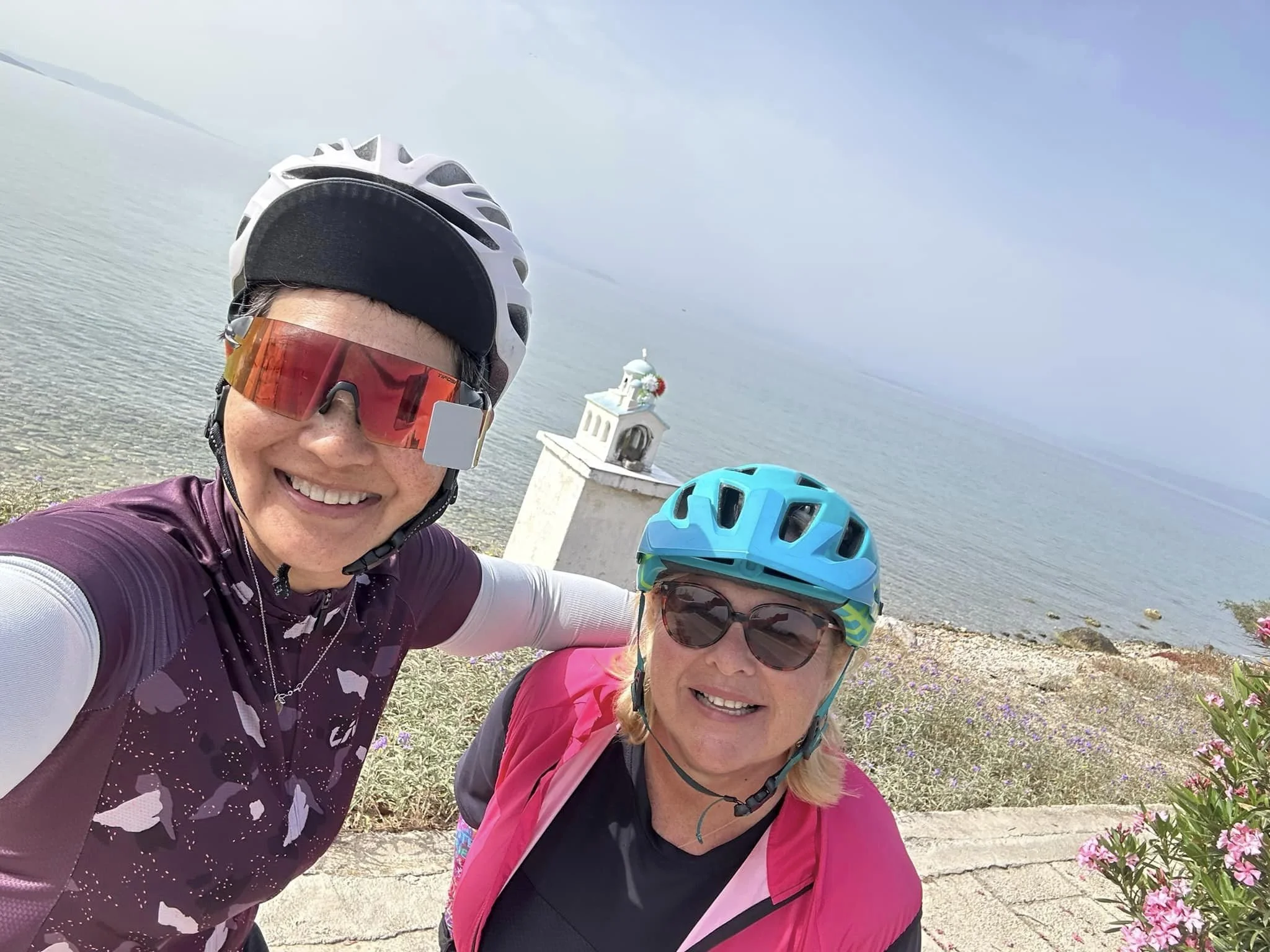
Our bike odyssey went from Istanbul to Ithaca over 28 days, cycling some 1,000 miles and climbing 82,000 feet. You can replicate it through the excellent company Bike Odyssey. Thankful I had an e-bike to help me up the many climbs; amazingly supportive and knowledgeable guides who worked tirelessly to execute a complex itinerary; the opportunity to experience the beauty of Türkiye and Greece and the warmth of its residents; a lovely riding partner and many new friends.
Teşekkür ederim! Efcharistó!
Most photos © Norie Quintos.